Victoria
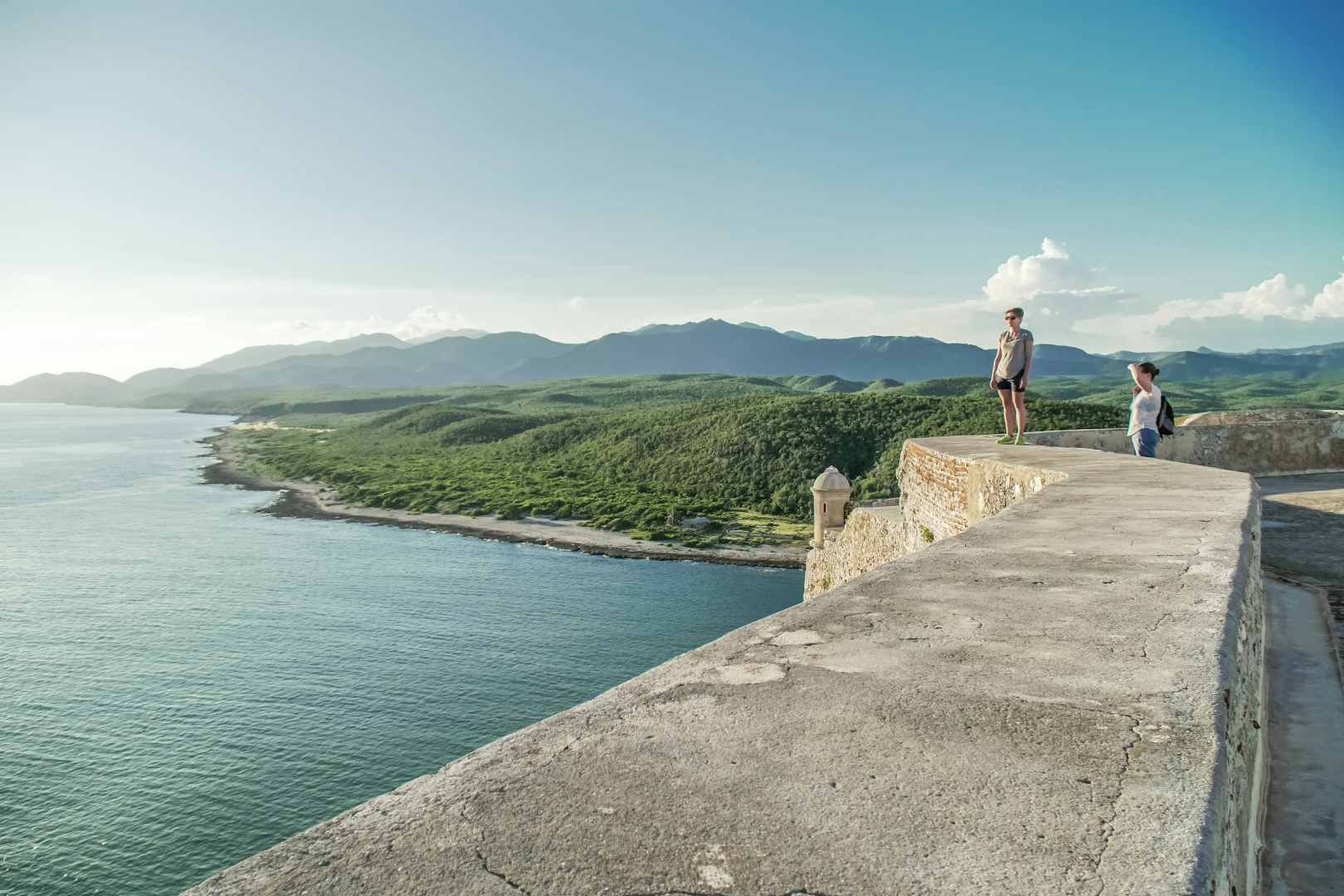
Victoria, the capital of Seychelles, is often described as one of the world’s smallest capitals, yet it brims with color and character. Located on Mahé Island, the city is both a cultural hub and a gateway to the surrounding beaches and mountains.
Trier
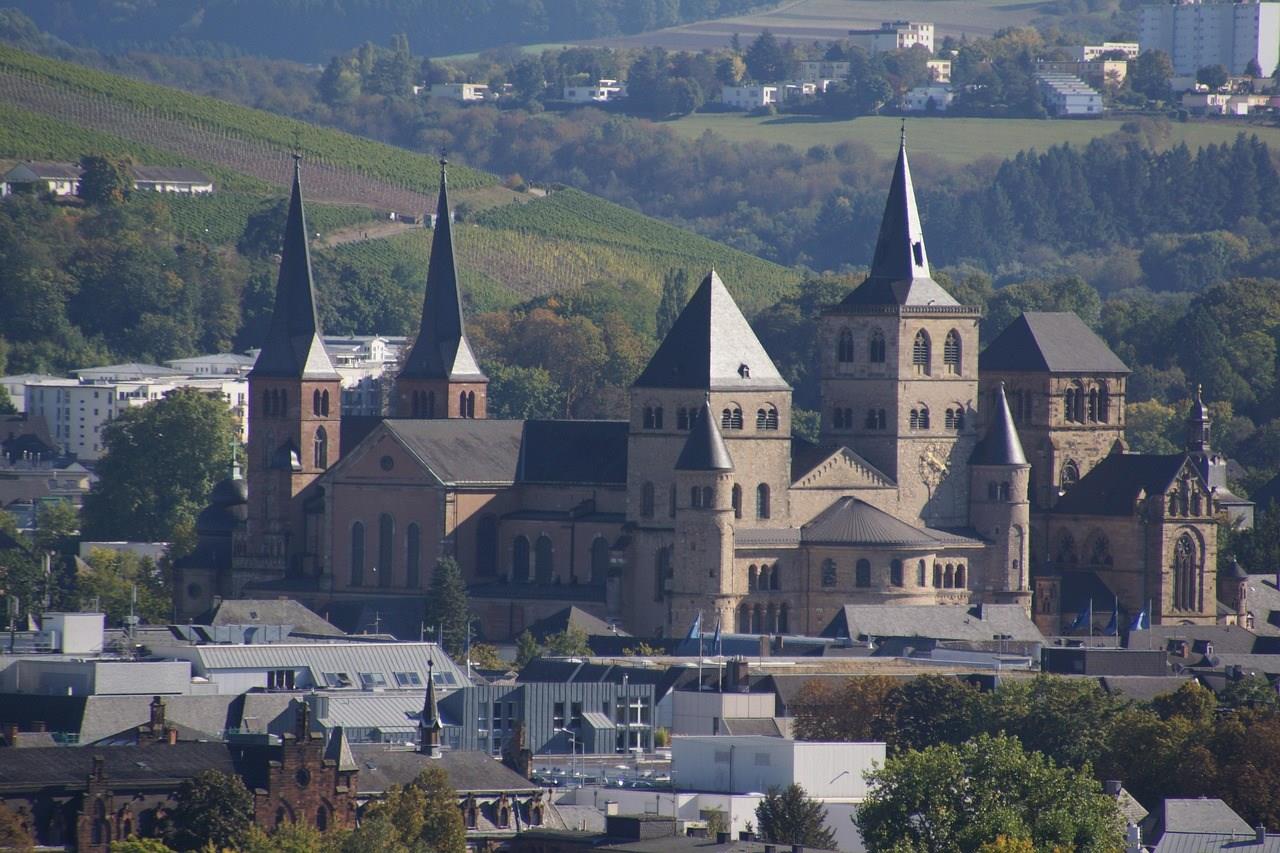
Trier, Germany’s oldest city, is a living museum nestled in the Moselle Valley, where Roman ruins rise beside medieval churches and bustling market squares. Founded by the Romans in 16 BCE, Trier was once known as “Roma Secunda,” the second Rome, and still boasts the largest collection of Roman architecture north of the Alps. The Trier Cathedral (Dom St. Peter), which is a UNESCO World Heritage Site, is the oldest church in Germany and houses a relic said to be the Holy Robe of Christ.
Tafraoute
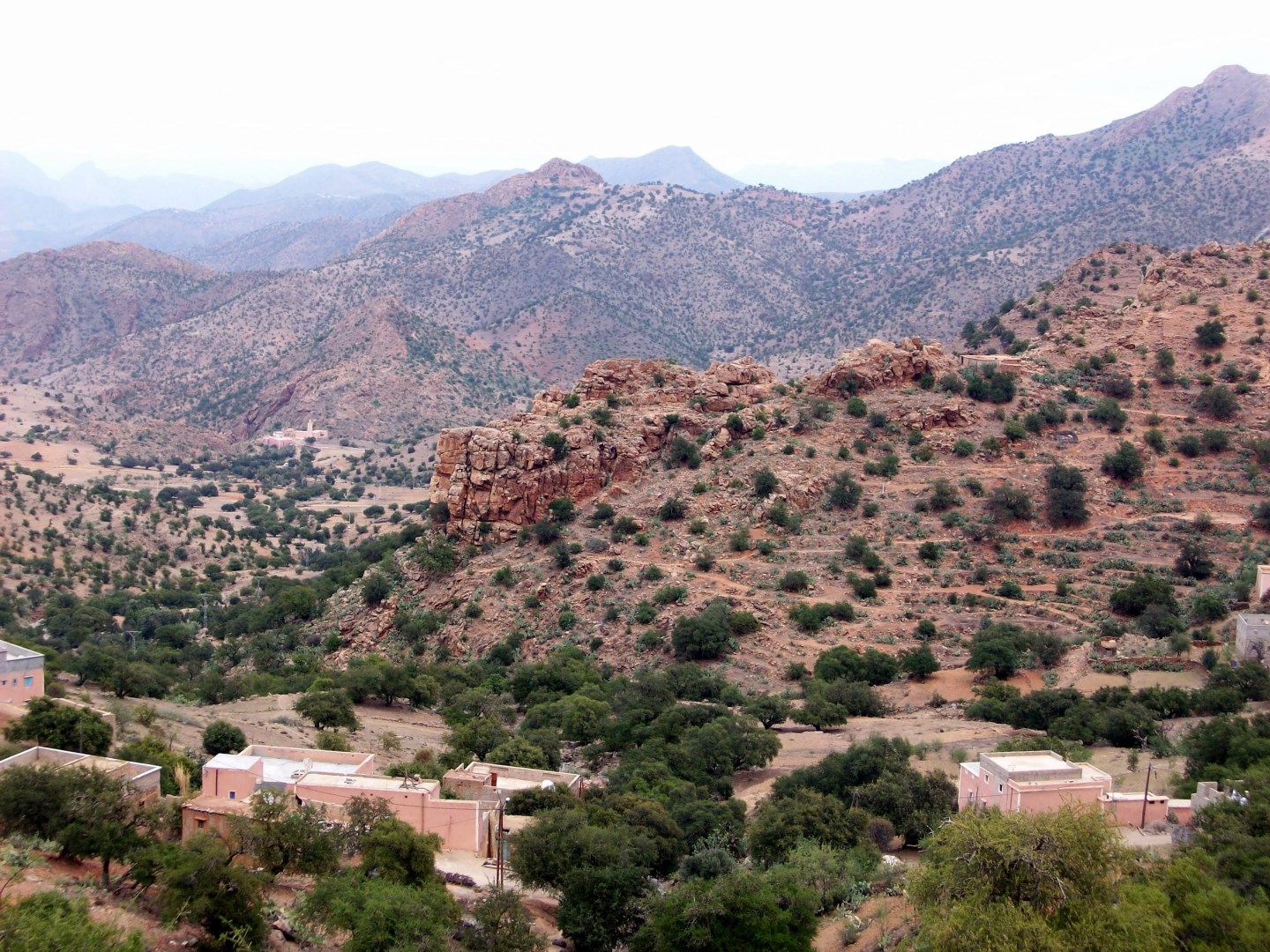
Set within a basin of pink granite mountains, Tafraoute offers a landscape that feels both open and sheltered. The town lies in the Anti-Atlas range, where rounded rock formations rise above palm groves and small farms. As the sun moves across the sky, the rocks shift from soft rose to deep orange, creating a changing backdrop that defines the area. The setting gives Tafraoute a sense of quiet distance, even though it serves as a central hub for nearby villages.
Deadvlei
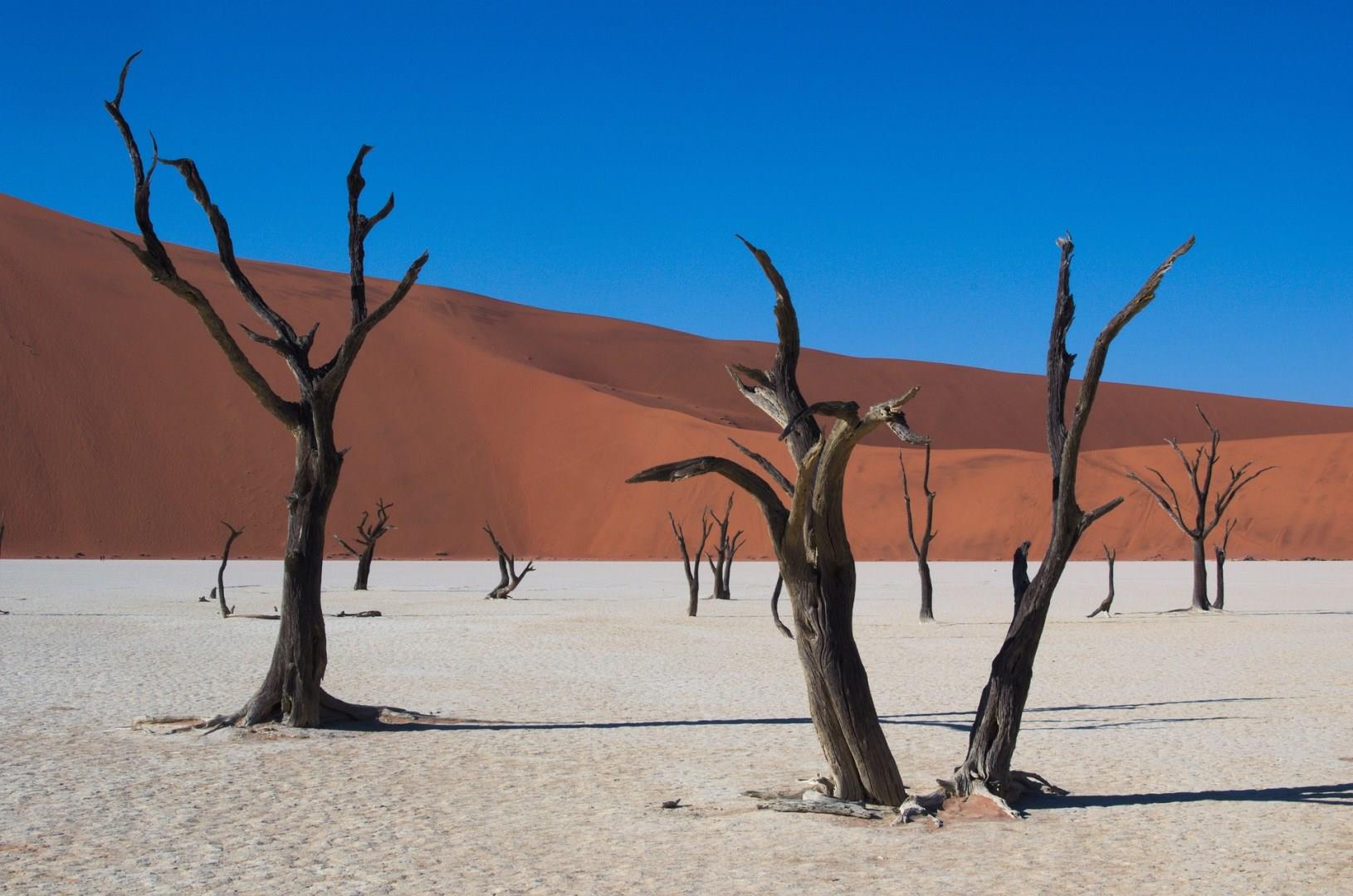
Dramatic and otherworldly, Deadvlei in Namibia is one of the most surreal landscapes on the planet. Located within the Namib-Naukluft National Park, Deadvlei is a white clay pan that was once an oasis filled with acacia trees. Over 900 years ago, a shift in climate and the encroachment of the towering red sand dunes cut off the river that fed the pan, leaving behind a hauntingly beautiful scene of dead trees that have been perfectly preserved in the arid environment.
King Salmon
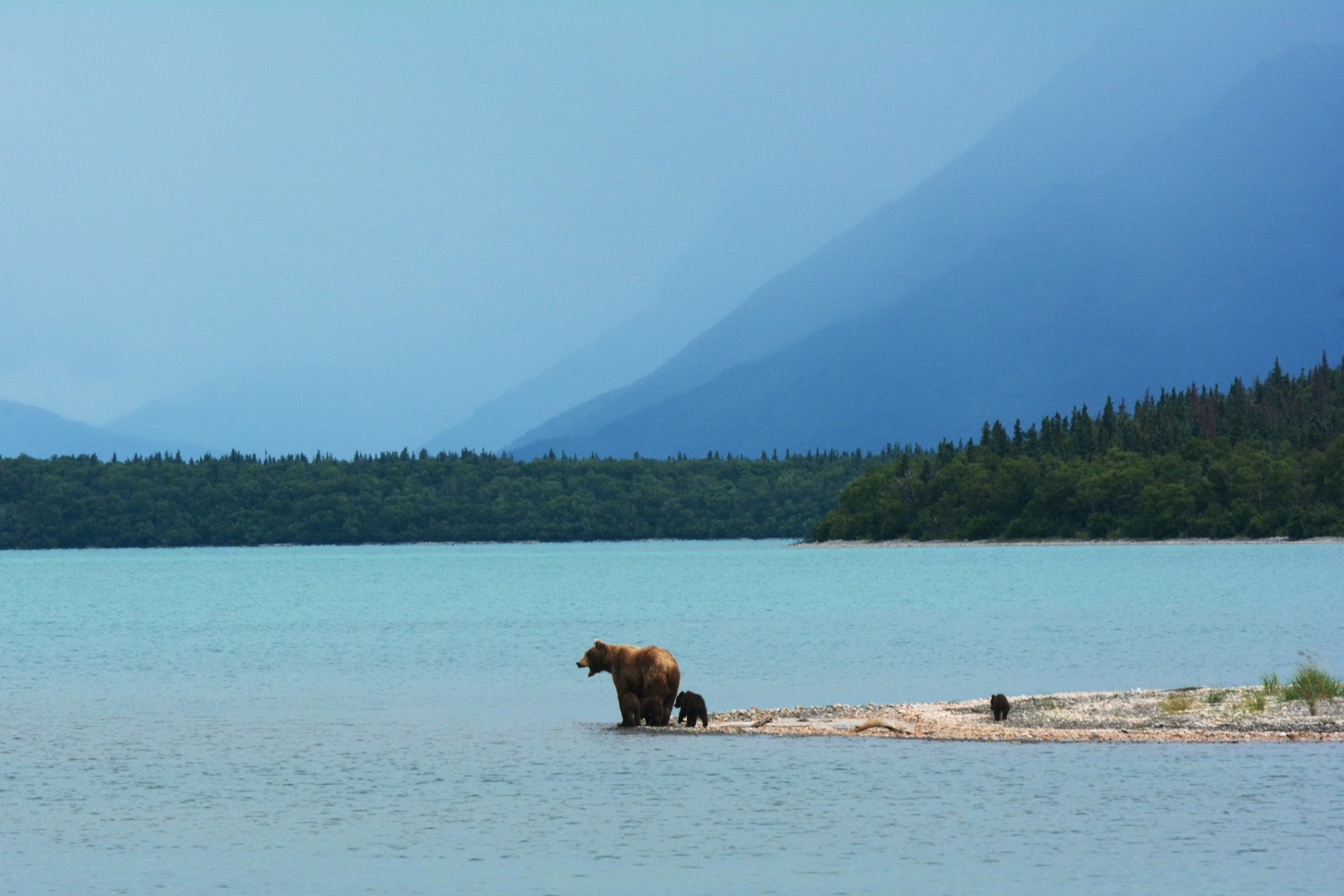
King Salmon is a small community in southwest Alaska on the Alaska Peninsula, located along the Naknek River near the shores of Naknek Lake. It serves as a regional transportation and service center for the Bristol Bay area and as an important base for visitors traveling into the surrounding wilderness. The community is surrounded by tundra, wetlands, lakes, rivers, and low volcanic hills rather than tall mountains.