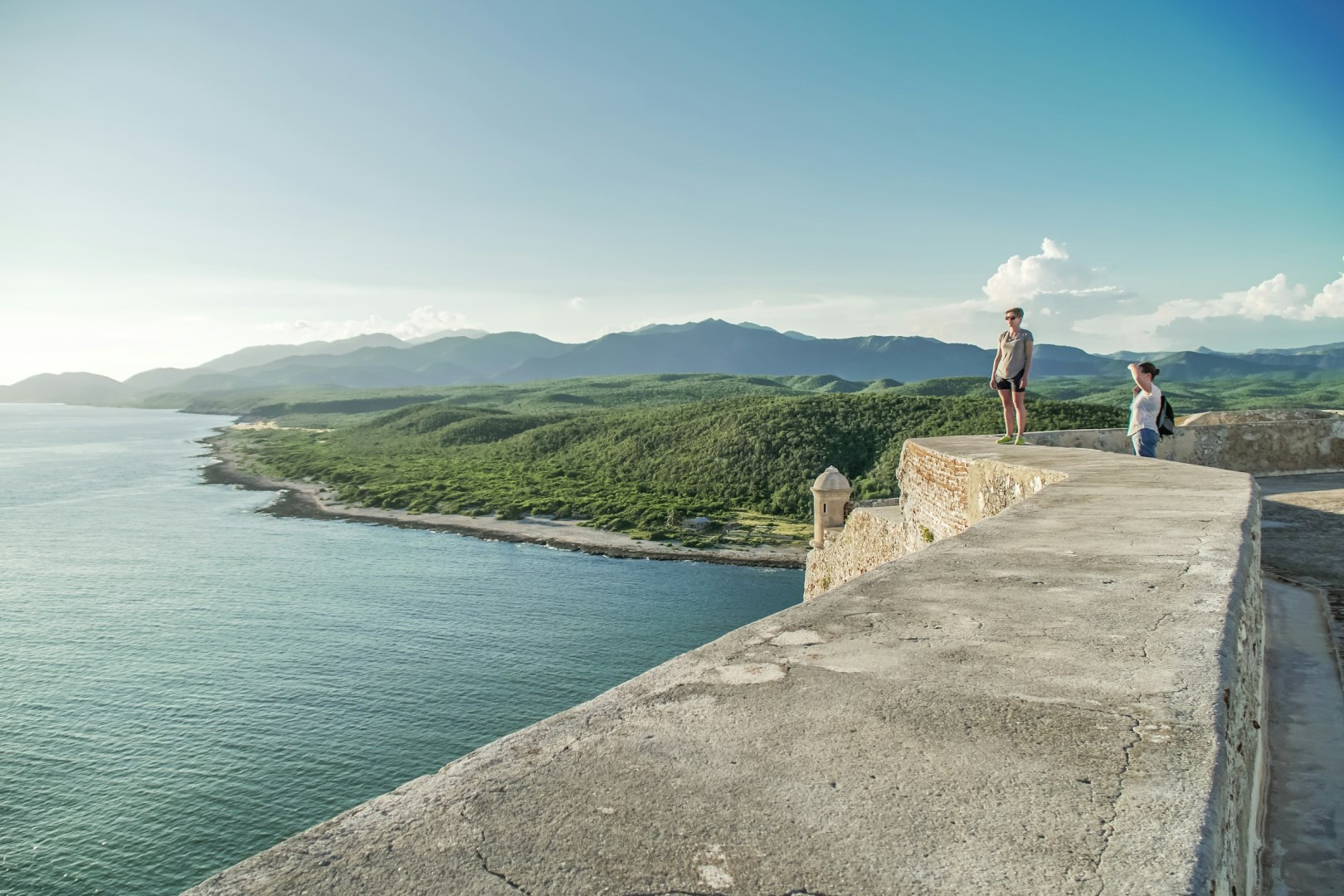
Split
Split, Croatia, is a city where ancient history and modern vibrancy blend seamlessly, creating an alluring destination for travelers. At the heart of Split is the UNESCO World Heritage Site of Diocletian's Palace, a remarkably well-preserved Roman complex built by Emperor Diocletian in the 4th century AD. This sprawling palace complex, with its labyrinthine streets, ancient walls, and grand Peristyle courtyard, is not just a historical site but a bustling part of the city’s daily life.

Phnom Penh
Phnom Penh, the capital of Cambodia, is a city where history, culture, and riverside life intersect. Situated at the confluence of the Mekong and Tonle Sap rivers, the city has a lively riverfront that serves as both a social gathering place and a hub for commerce.
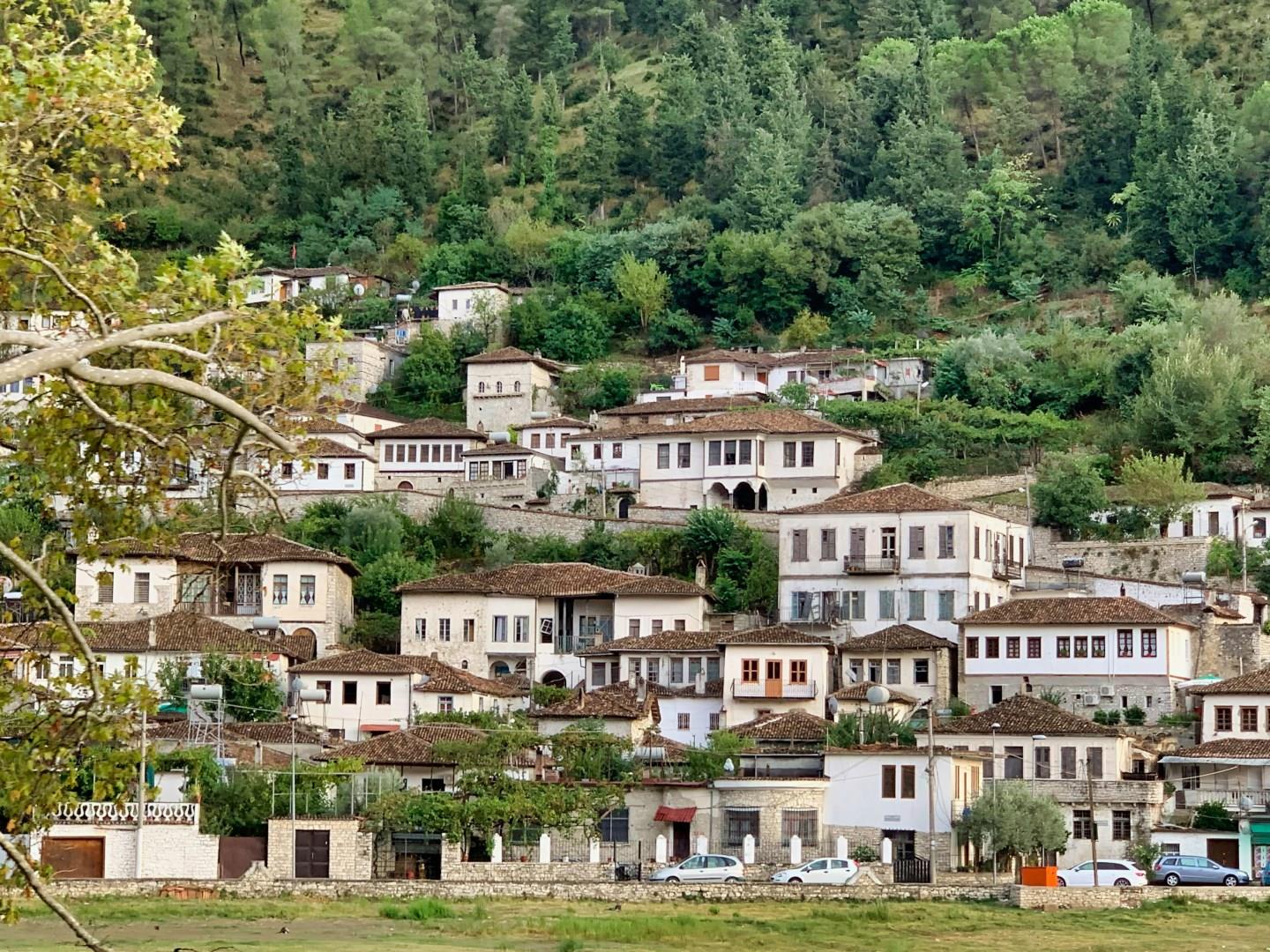
Berat
Berat, set along the Osum River in central Albania, is a city shaped by centuries of continuity and coexistence. Known as the City of a Thousand Windows, its white Ottoman-era houses climb the hillside toward a hilltop fortress, creating a striking and harmonious skyline.
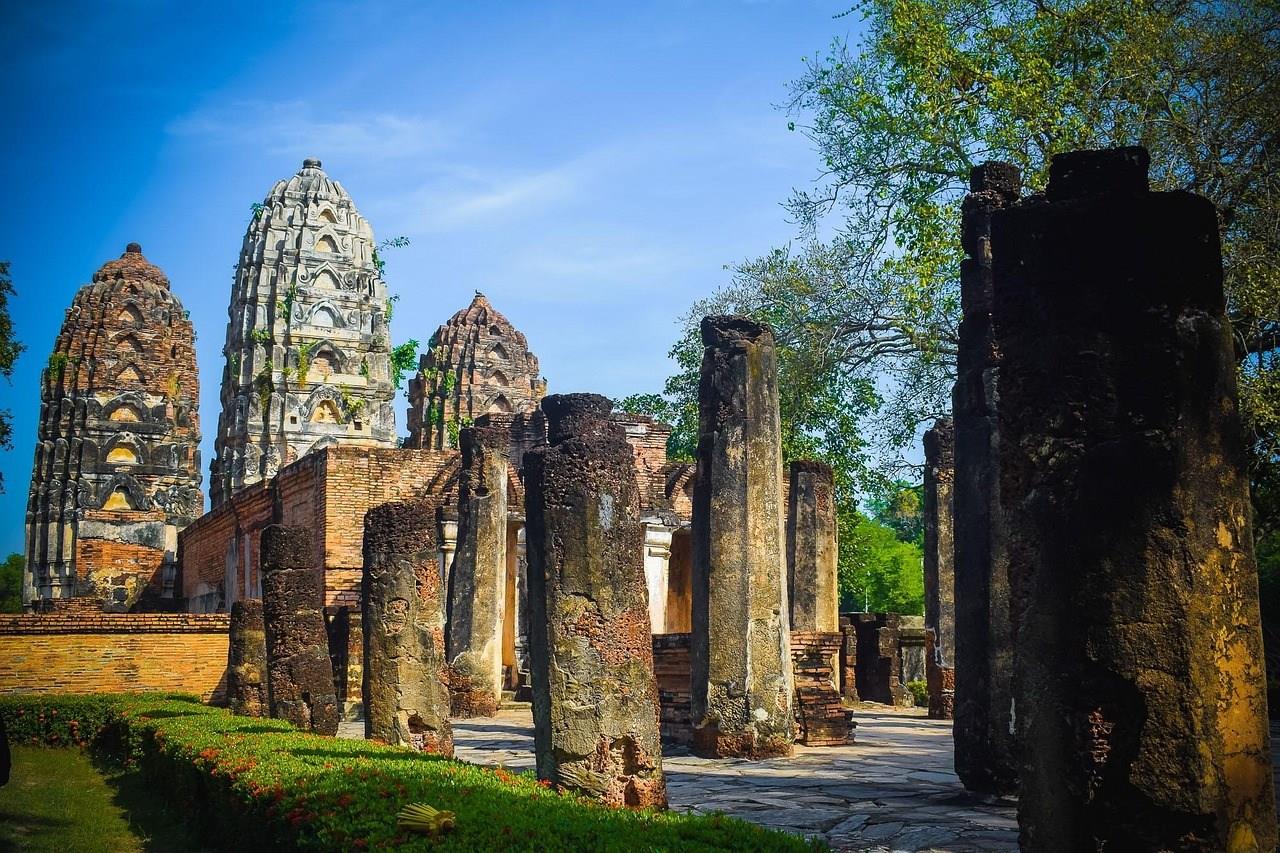
Sukhothai
Sukhothai, located in north-central Thailand, was once the capital of the first independent Thai kingdom in the 13th century. Today, it’s best known for the Sukhothai Historical Park, a UNESCO World Heritage Site filled with stone temples, lotus-filled moats, and ancient Buddha statues. The park spans over 70 square kilometers and features more than 190 ruins.

Udaipur
Udaipur, often referred to as the "City of Lakes," is one of India’s most enchanting destinations, nestled in the state of Rajasthan. Known for its opulent palaces, tranquil lakes, and rich history, Udaipur offers a romantic getaway steeped in royal heritage. The crown jewel of the city is the magnificent City Palace, a sprawling complex perched on the banks of Lake Pichola.