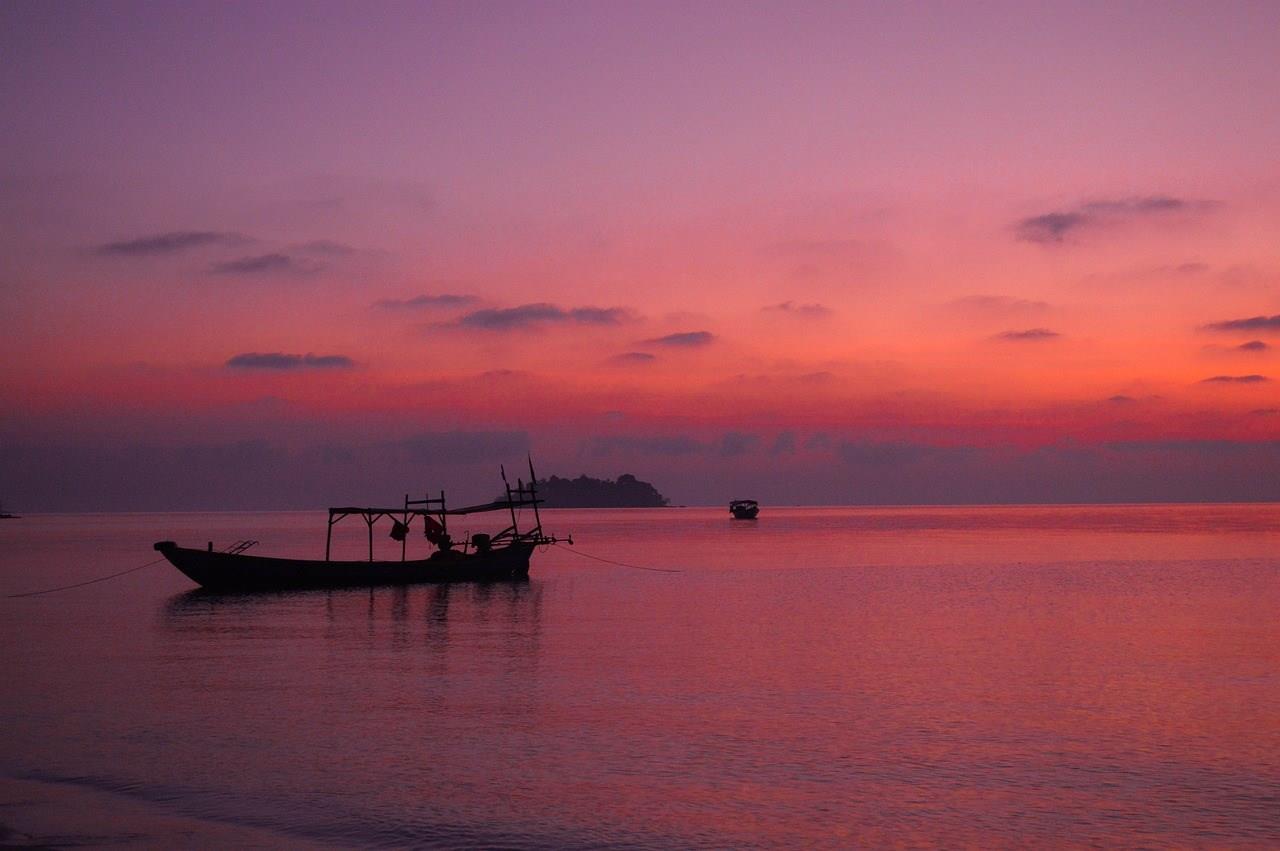
East and Southeast Asia
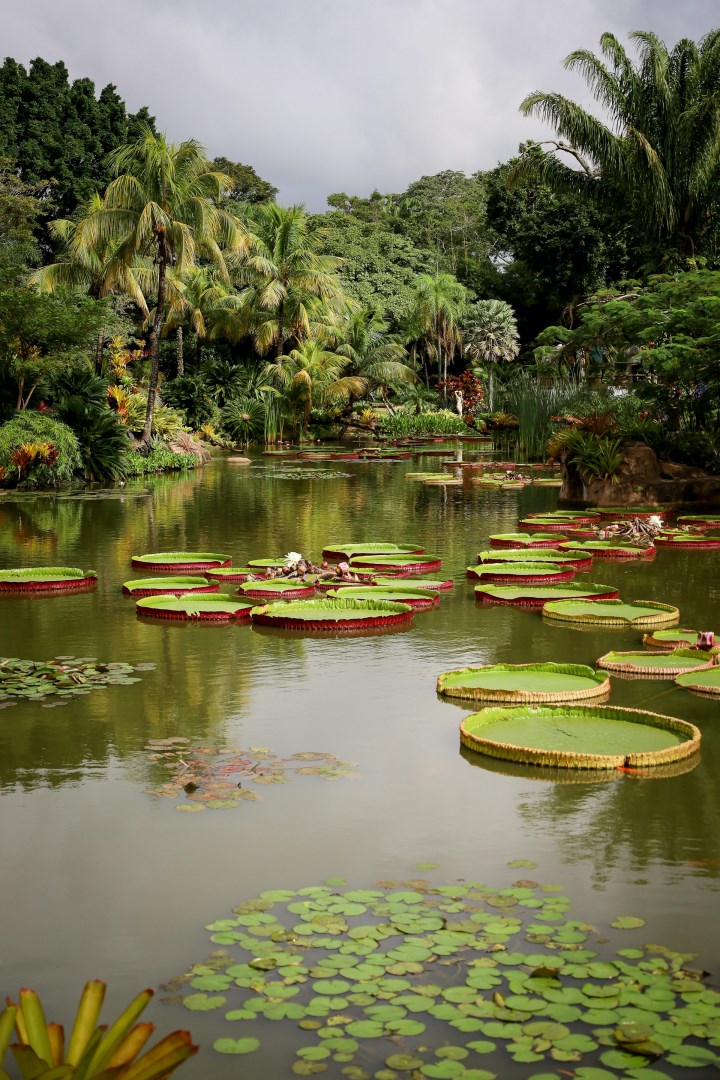
East and Southeast Asia encompass a vast and diverse region, stretching from the towering peaks of the Himalayas to the turquoise waters of the South China Sea. This area is home to some of the world’s most vibrant cities, tranquil rural landscapes, and a rich blend of traditions.
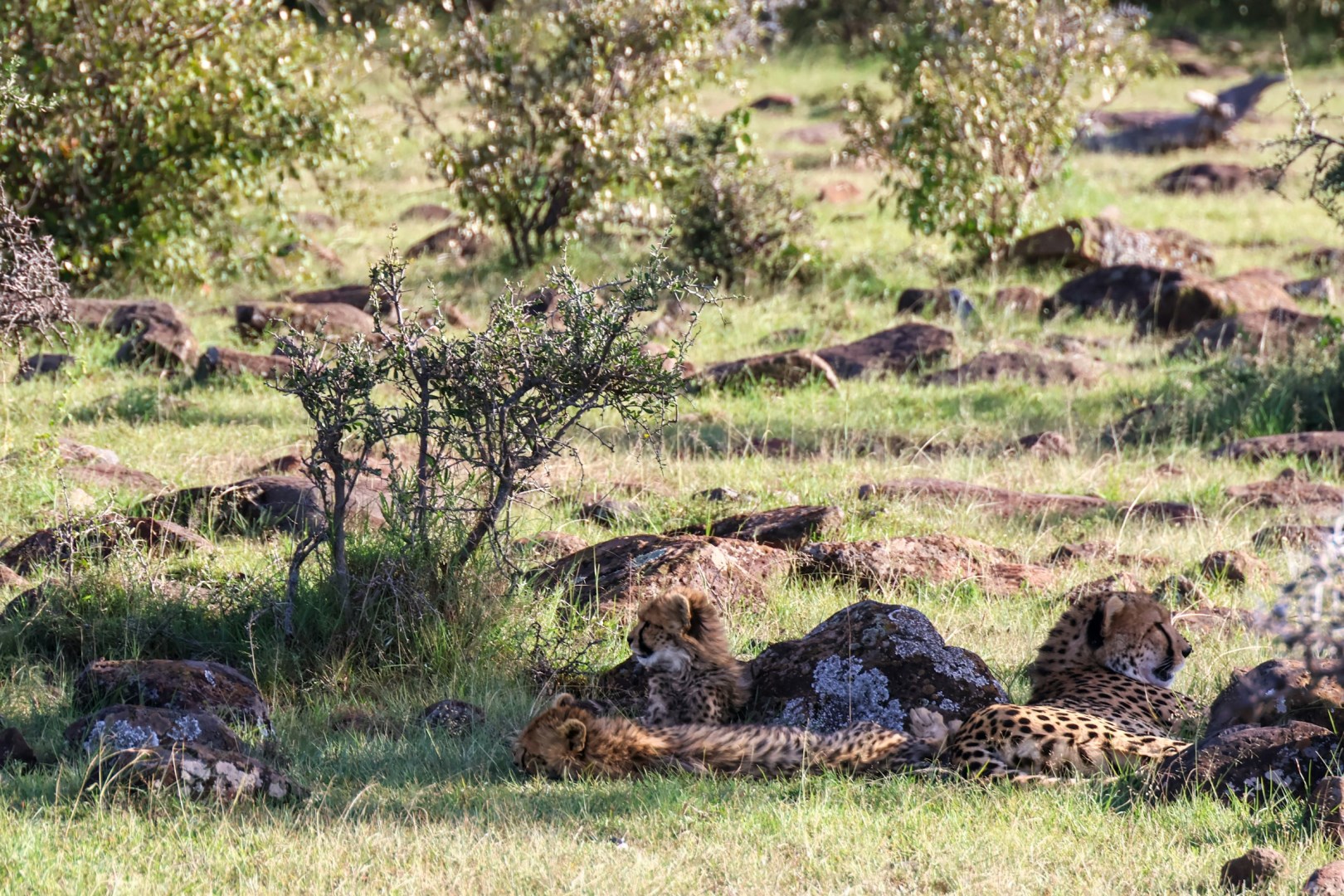
Naboisho Conservancy
Naboisho Conservancy is a community-owned wildlife conservation area bordering Kenya’s Maasai Mara National Reserve in Narok County. The conservancy protects open savanna, grasslands, acacia woodland, and seasonal rivers that provide habitat for a wide range of wildlife. It was established through agreements between local Maasai landowners and conservation partners, creating a model in which tourism revenue supports communities while land is maintained for wildlife.

Brazil
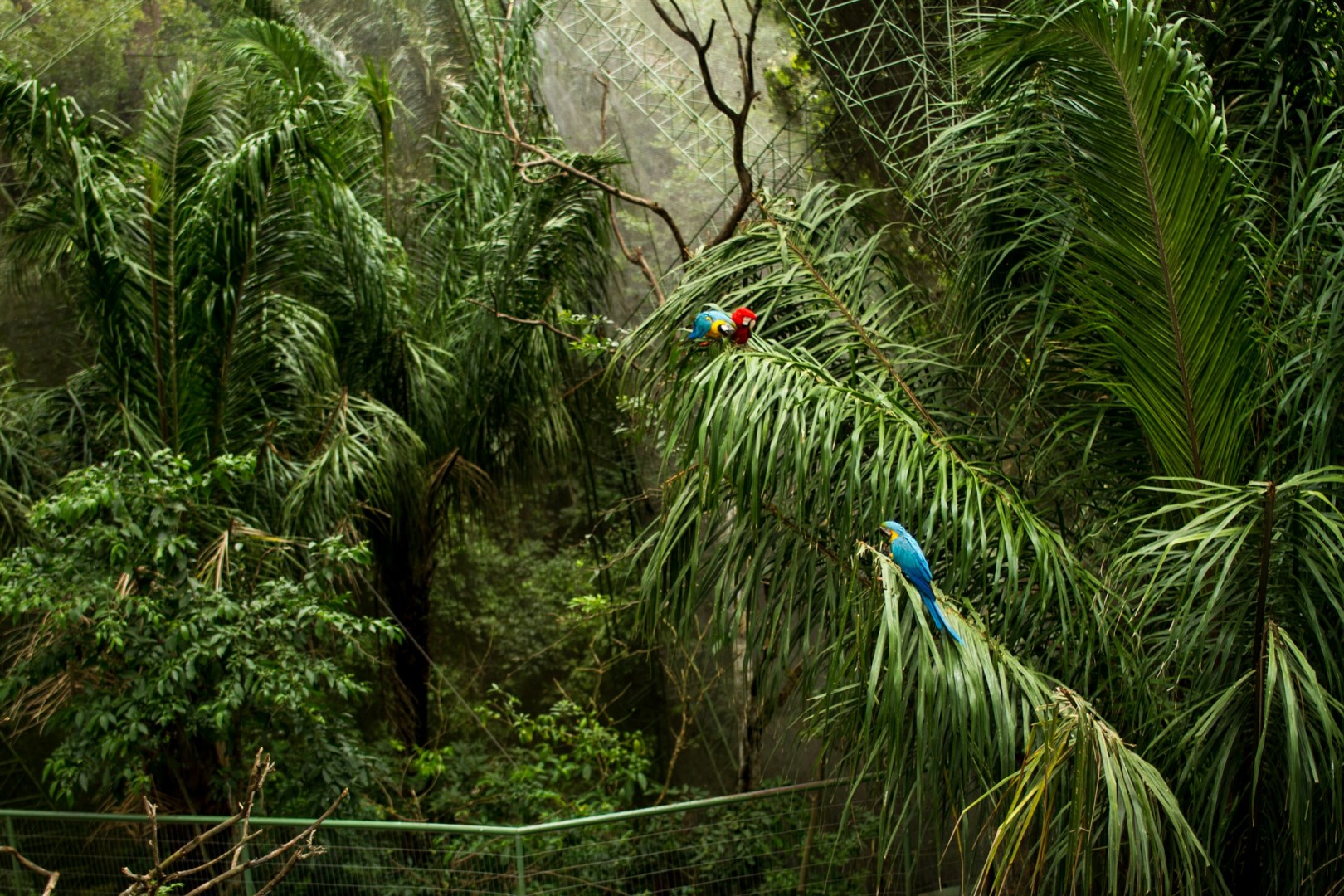
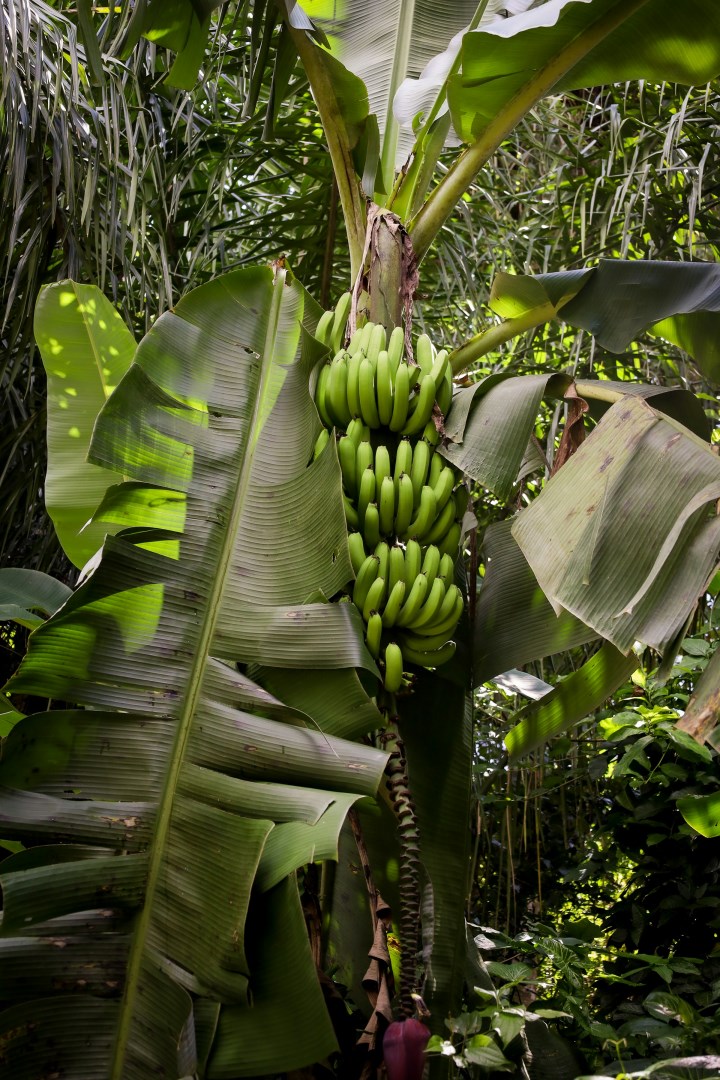
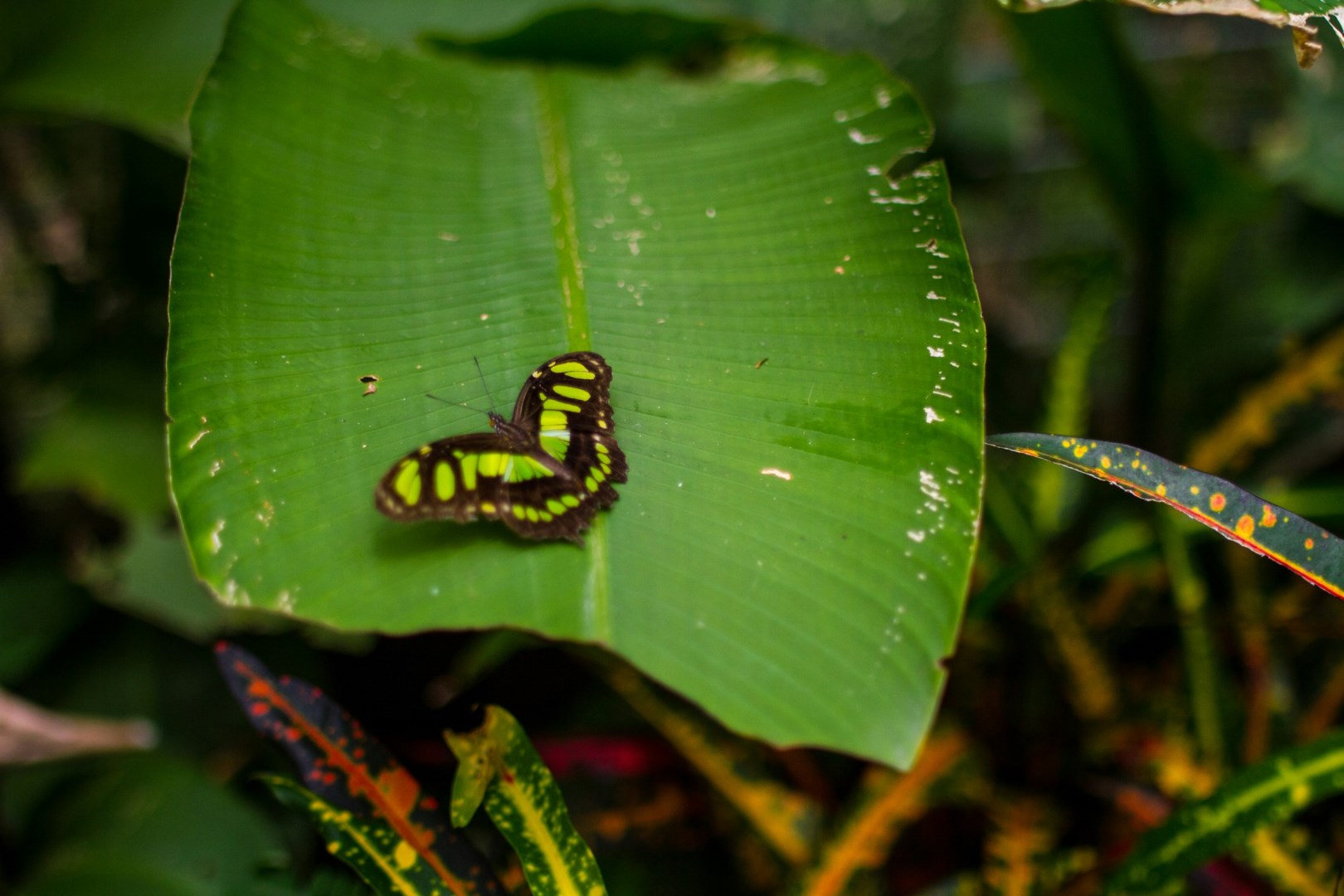
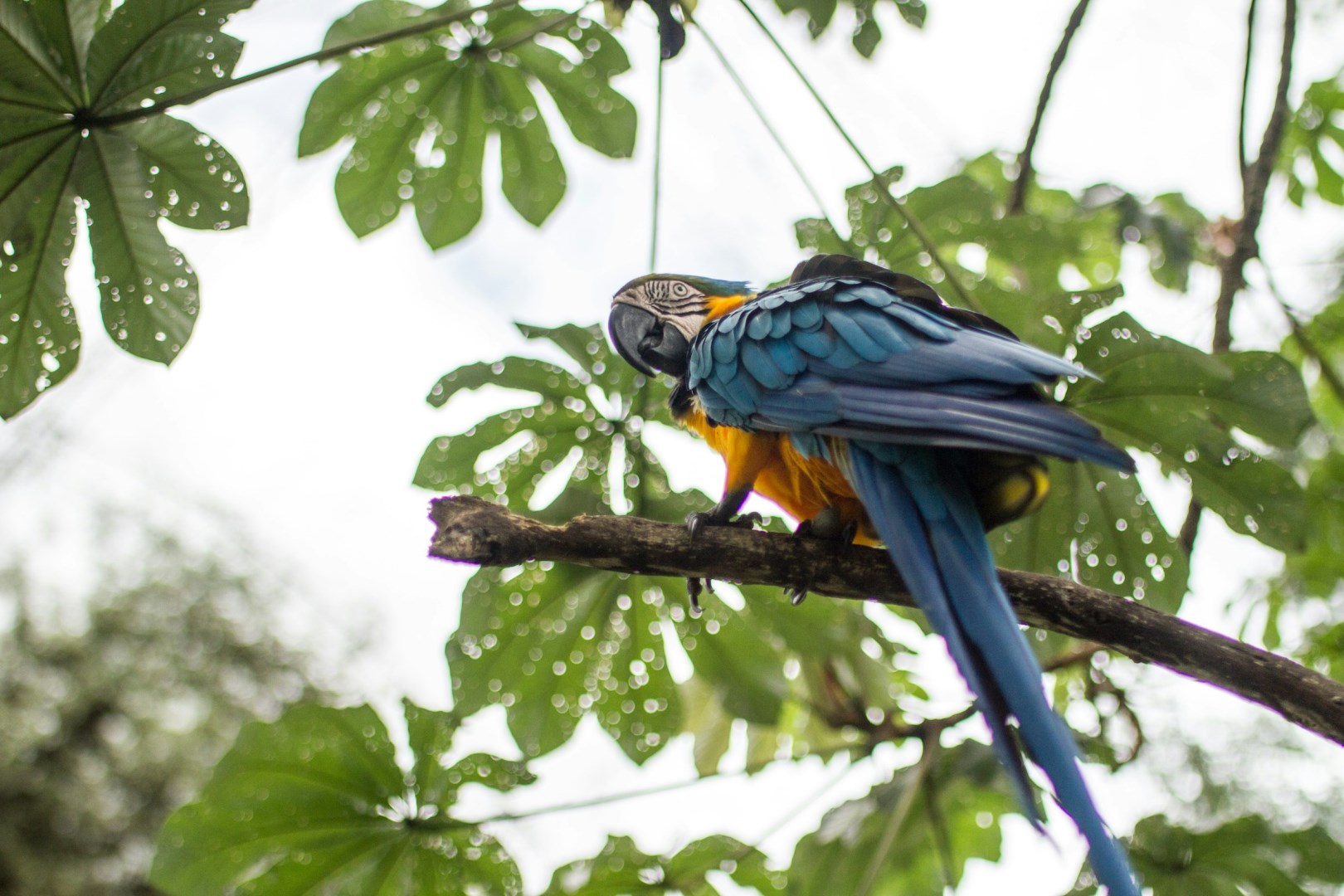
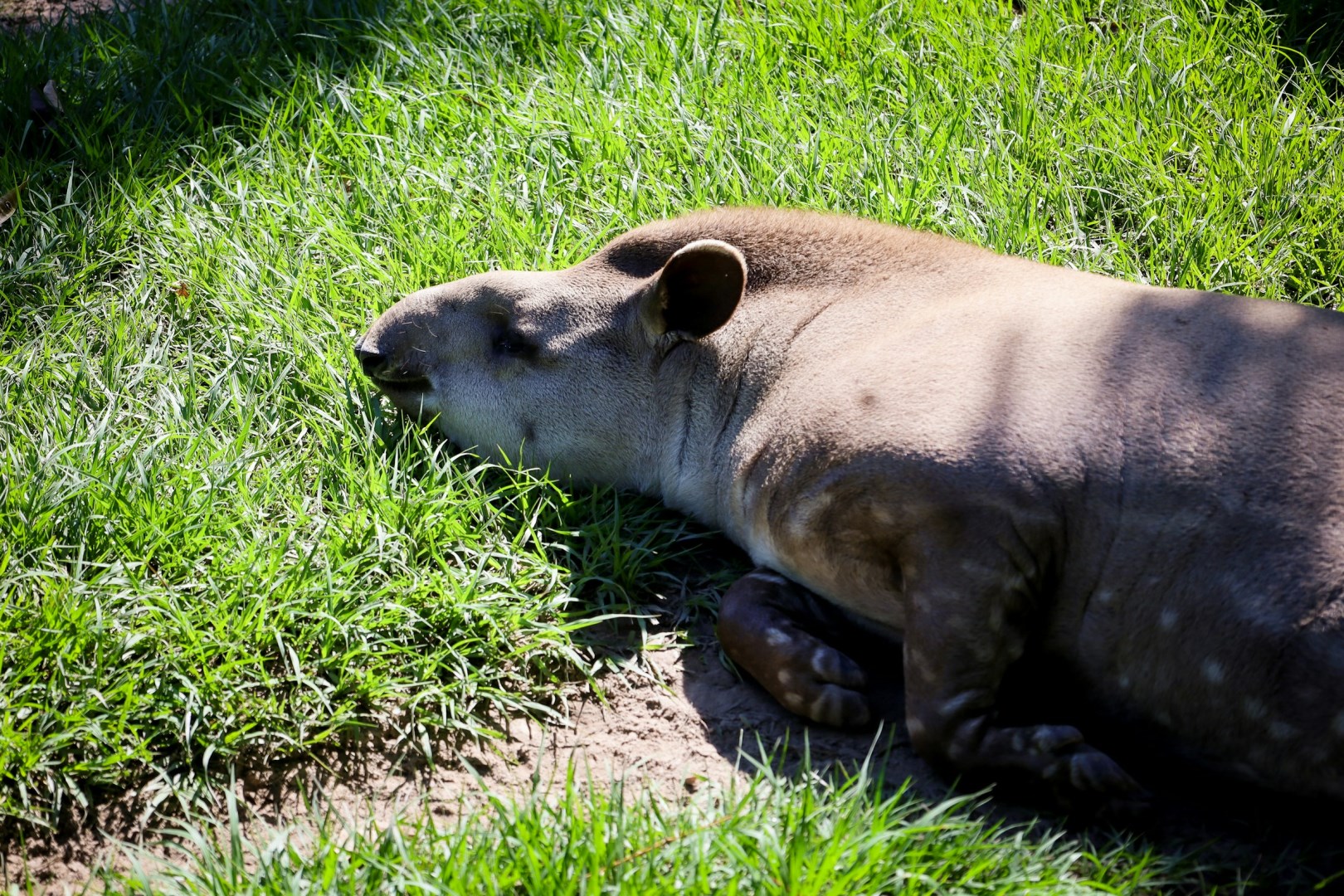
Brazil is a country that moves to its own rhythm whether it be samba, bossa nova, the roar of waterfalls or the quiet of the rainforest. Stretching from the Amazon Basin to the Atlantic coastline, Brazil offers both iconic cityscapes and vast natural frontiers. In Rio de Janeiro, visitors can ride a cable car up to Sugarloaf Mountain, watch the sunset from Arpoador, or join a drumbeat-filled bloco during Carnival, where the streets turn into one massive celebration of music, movement, and color.
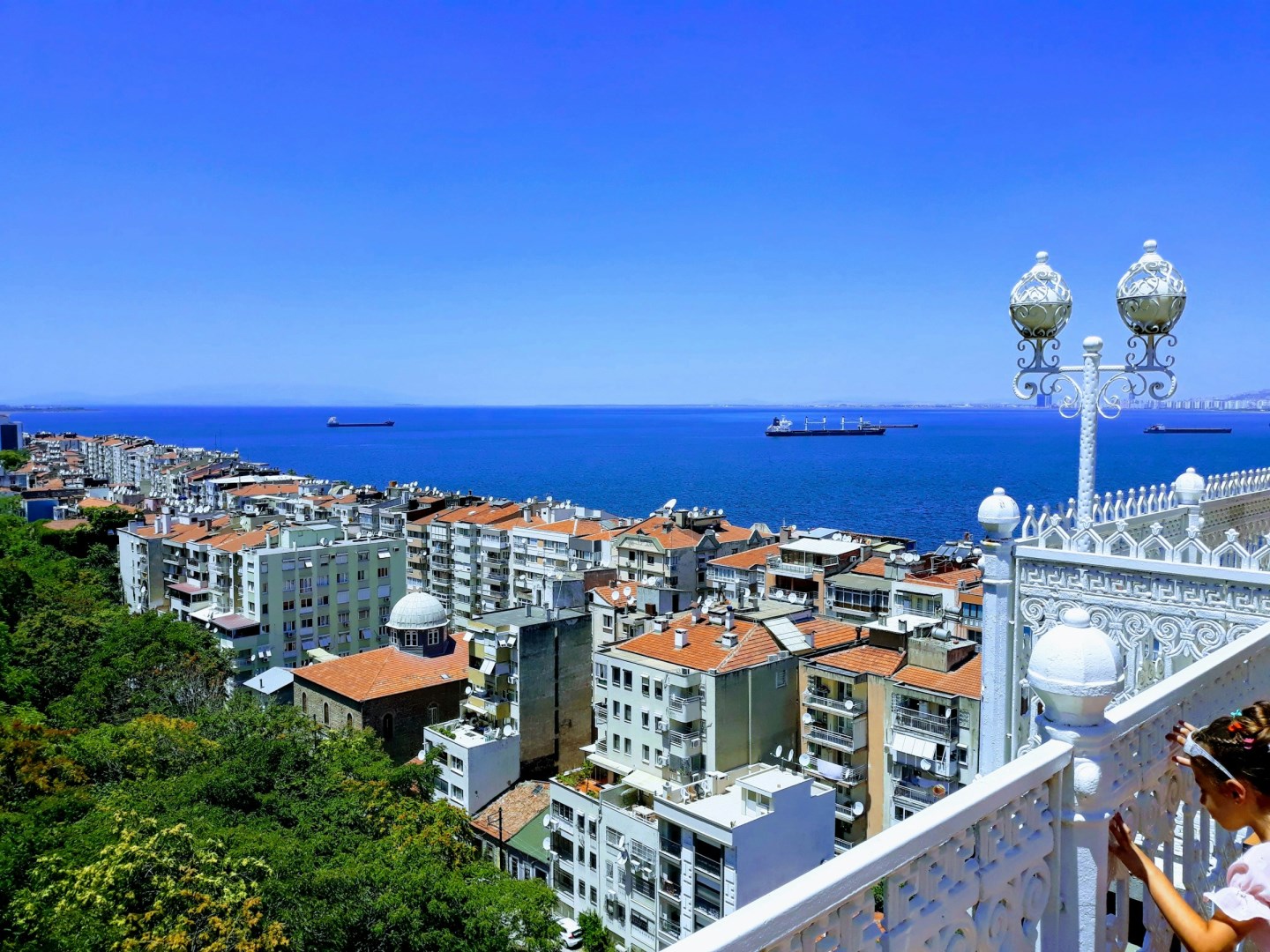
Izmir
The third largest city in Turkey, a cosmopolitan and lively city all year round, during the International Arts Festival (June/July) and the international Fair (August/September), Izmir bursts with an added vibrancy.
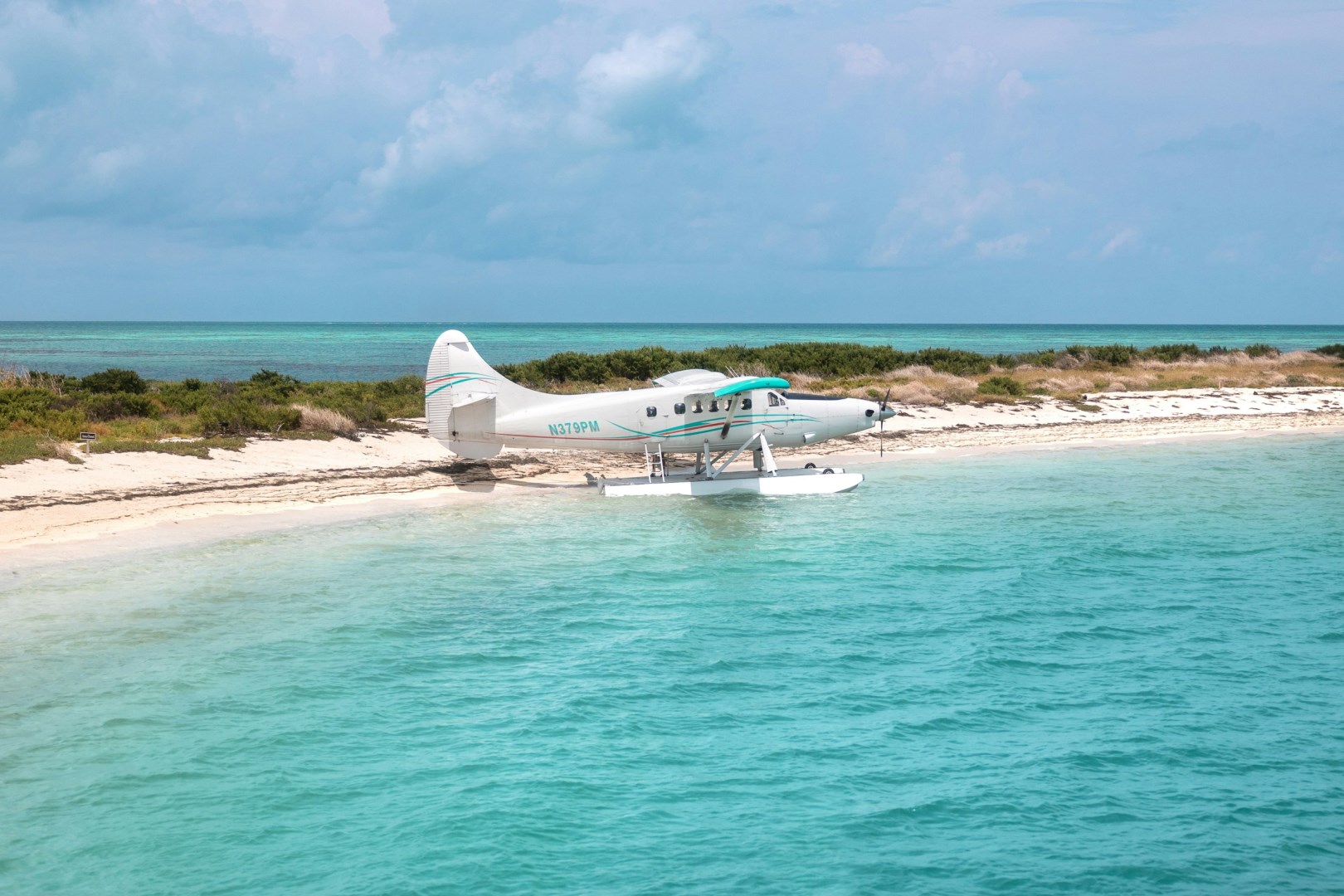
Dry Tortugas National Park
Dry Tortugas National Park is a remote island and marine park in the Florida Keys, located nearly 70 miles west of Key West. The park consists of seven small islands surrounded by shallow waters, coral reefs, seagrass beds, and open ocean. More than 99 percent of the park is water, making its marine environment as important as its land area. Garden Key is the main visitor destination and contains historic Fort Jefferson, while Loggerhead Key, the largest island, is known for its lighthouse and p