Punta Arenas
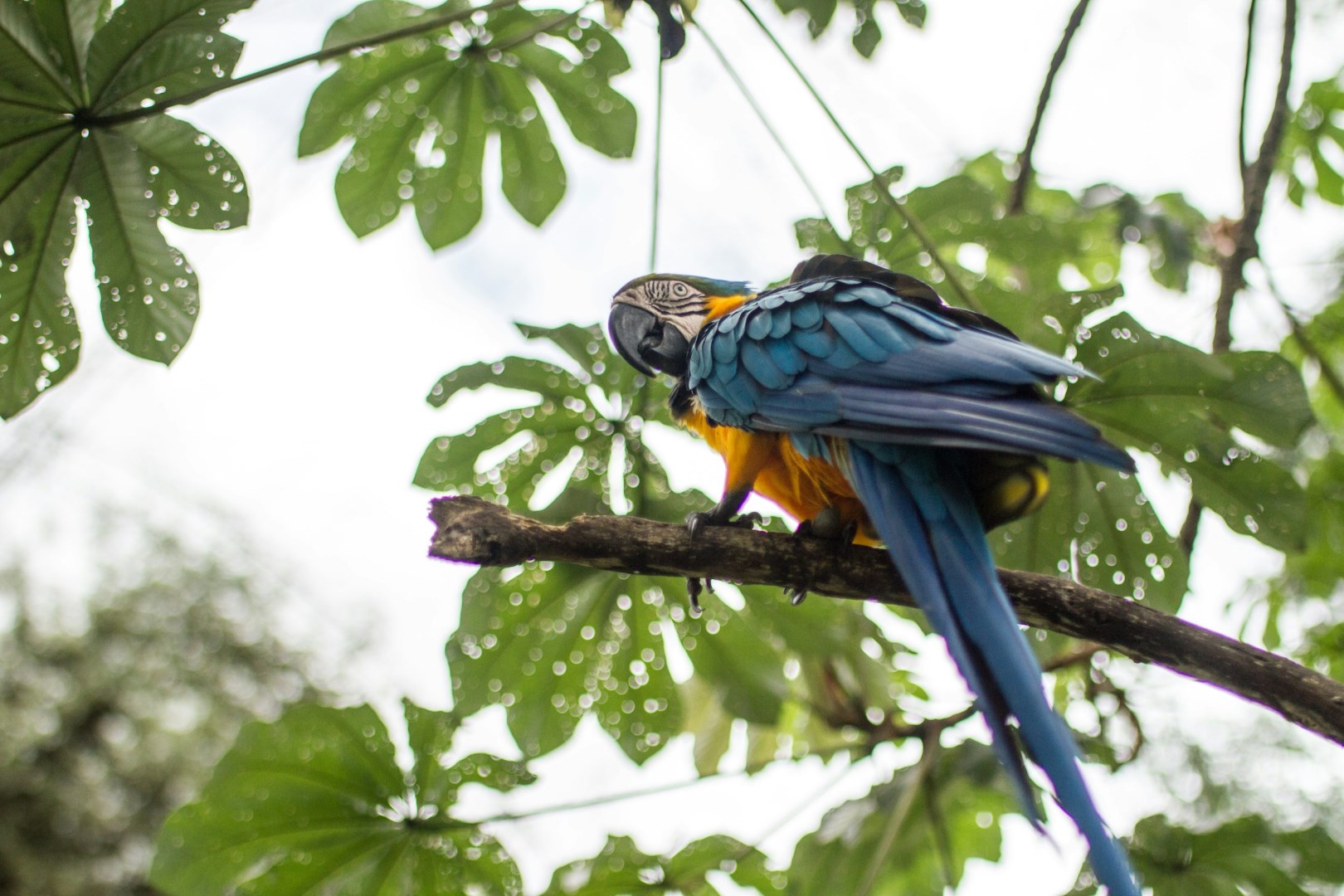
A favorite stop on South American and Antarctic cruises, Punta Arenas lies within the spectacular system of fjords that dot the coast of Chile. La Cruz Hill affords commanding views of the Straits of Magellan. Visit Punta Arenas for fascinating museums, quaint restaurants filled with fresh Chilean eats, and ample opportunity to watch local penguins!

Hilo, Hawaii
Hilo, the charming and laid-back gateway to Hawaii’s Big Island, offers an authentic Hawaiian experience steeped in natural beauty, history, and culture. As the largest town on the east side of the island, Hilo sits at the foot of two majestic volcanoes: Mauna Loa, the world's largest volcano, and Mauna Kea, a dormant volcano that hosts some of the world's most advanced astronomical observatories.
Gásadalur
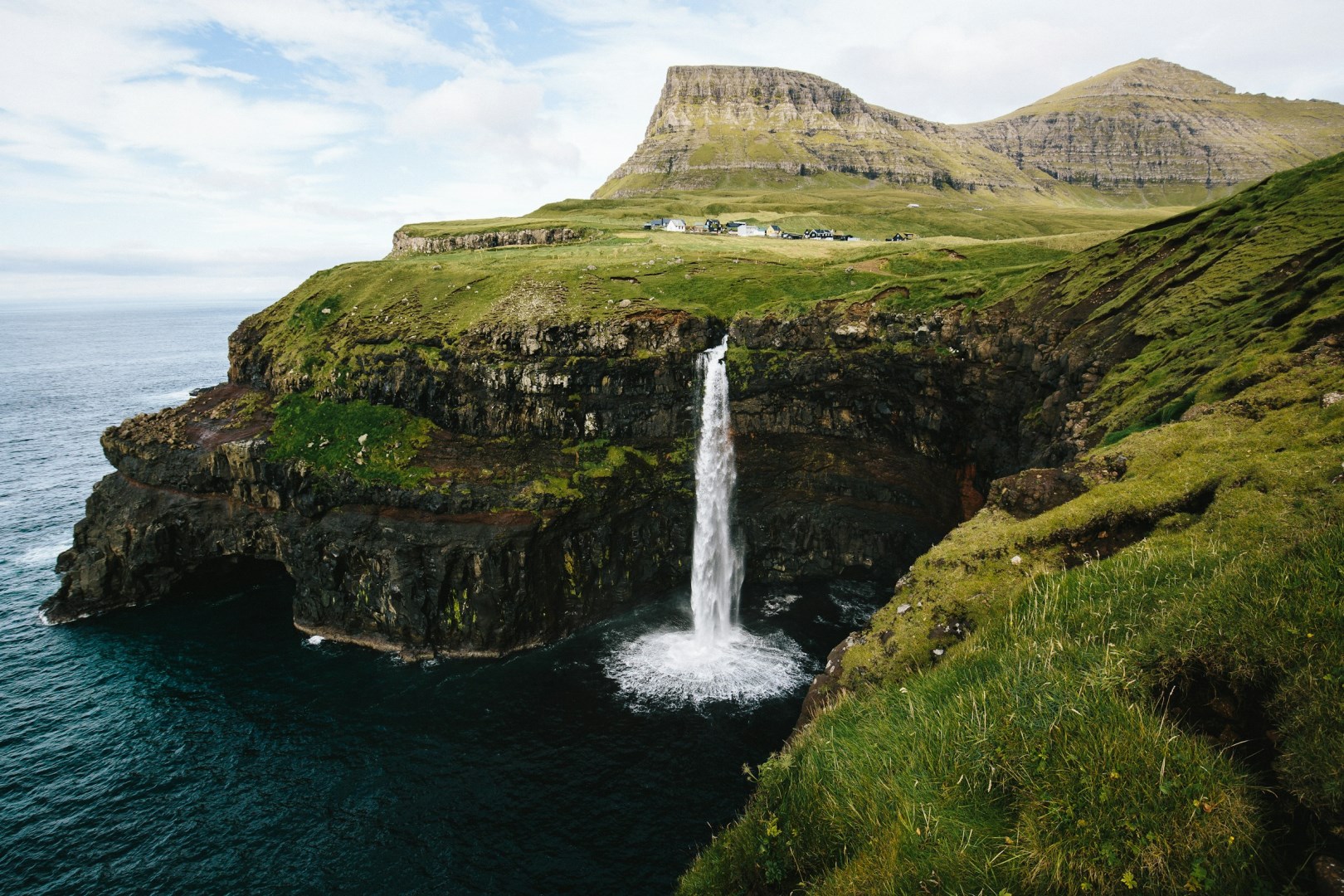
Gásadalur is a small village on the western side of Vágar in the Faroe Islands, set in a narrow valley between steep mountains and the North Atlantic. The settlement overlooks the sea toward the island of Mykines and is surrounded by high slopes, green pasture, and rugged cliffs. Its remote position shaped village life for generations, when access required crossing the mountains on foot.
Qingdao
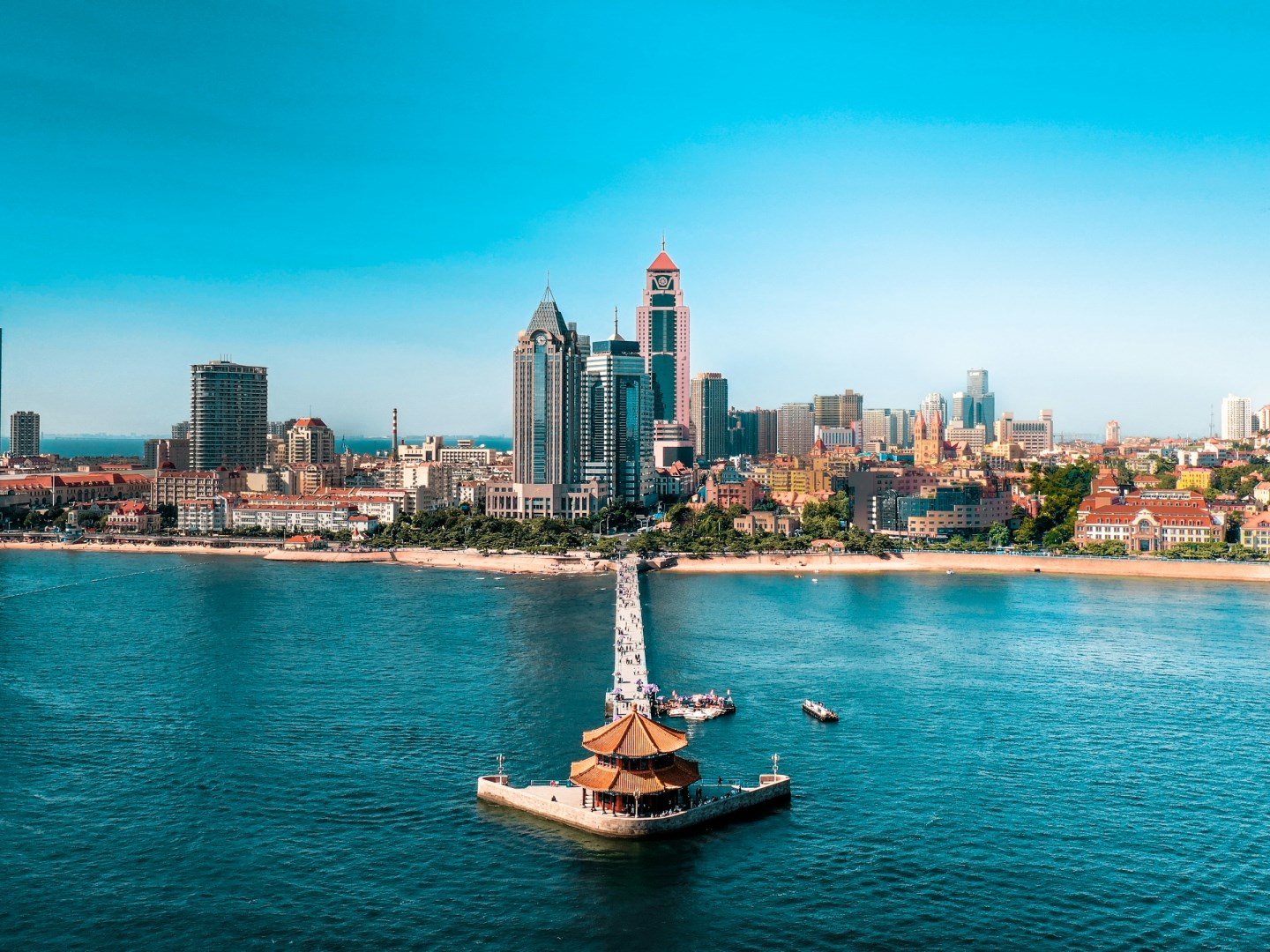
Qingdao, also Tsingtao or Ch'ing-tao, Shandong Province, eastern China. It is a major naval base, an industrial center, and a port on the Yellow Sea at the entrance to sheltered Jiaozhou Bay. The port, which rarely freezes over, serves the industrialized northern China Plain and was expanded in 1976 to include an oil terminal for large tankers on Huang Island. The leading manufactures of the city include textiles, railroad equipment, rubber goods, fertilizer, and chemicals.
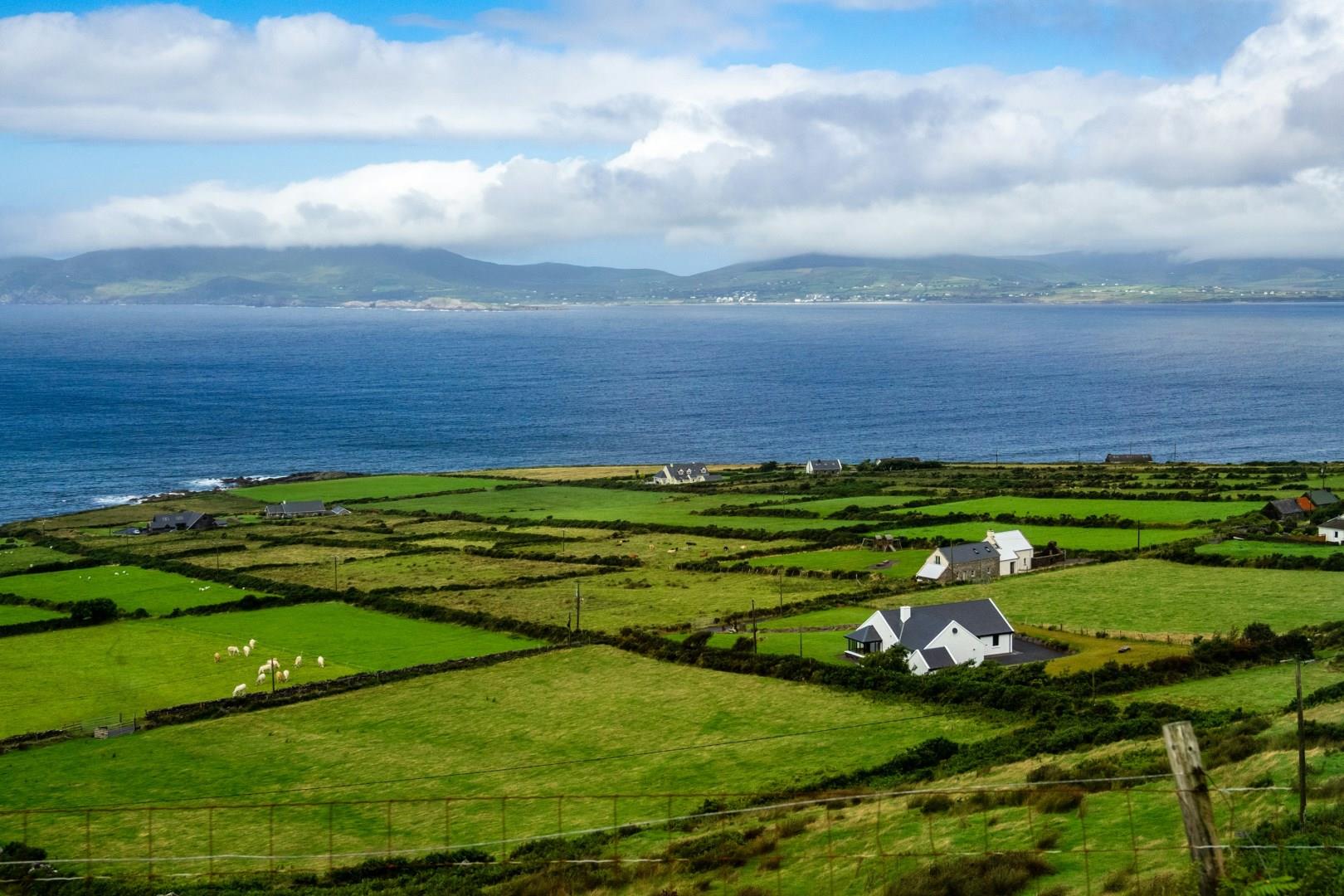
Ring of Kerry
The Ring of Kerry, a 179-kilometer circular route in County Kerry, Ireland, offers travelers a journey through rugged coastal cliffs, remote villages, and winding mountain roads. Starting from Killarney, the route moves clockwise through towns like Kenmare, Waterville, Cahersiveen, and Glenbeigh, each offering its own slice of Irish life. Though often explored by car or tour bus, cycling the route is growing in popularity, especially during spring and early autumn when traffic is lighter.