Arkansas
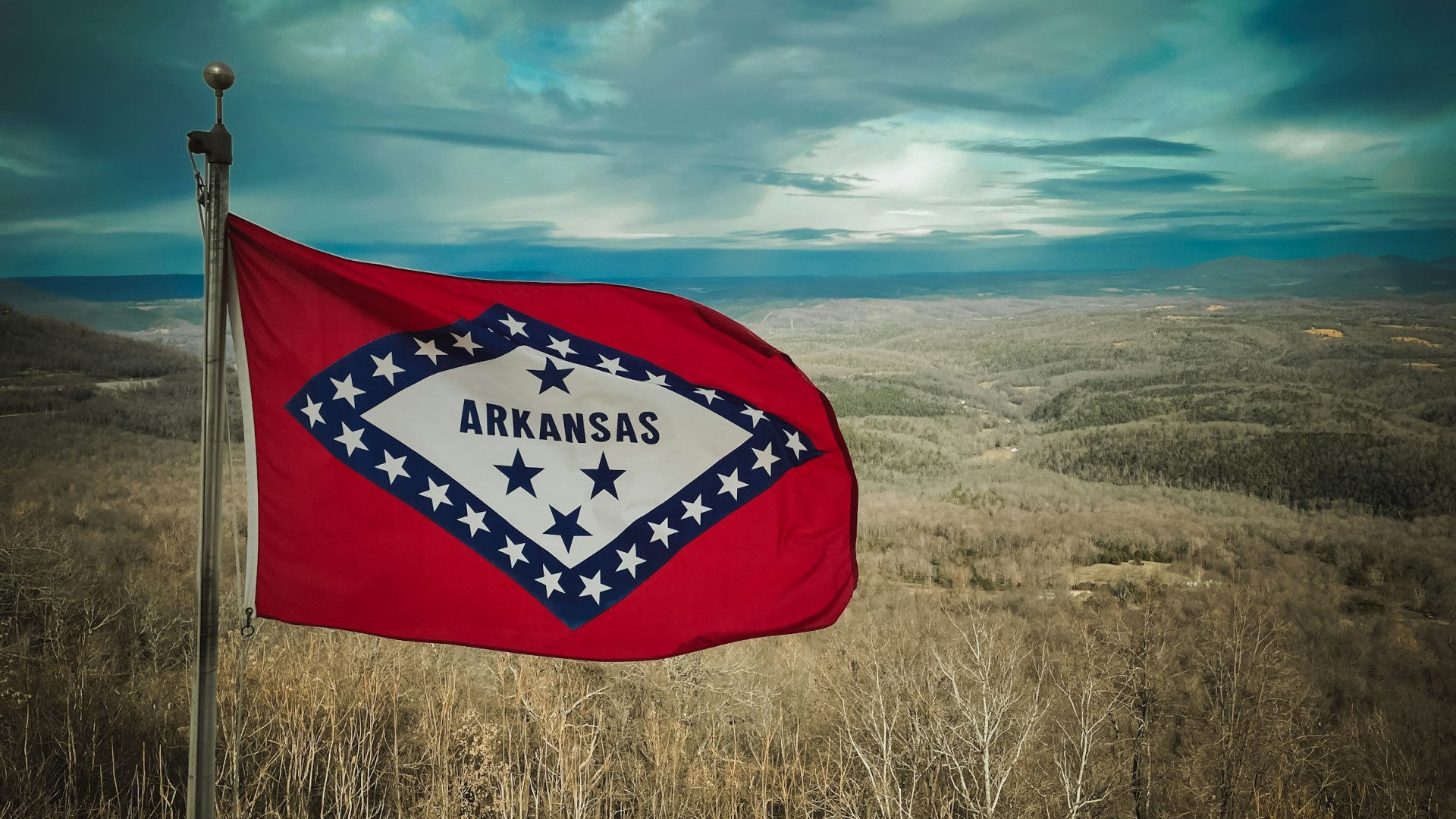
Arkansas is often called “The Natural State,” and for good reason as it’s home to more than 600,000 acres of lakes and 9,700 miles of rivers and streams. From the Ozark Mountains in the north to the Delta plains in the east, the state’s landscapes offer a wide range of backdrops for hiking, paddling, or simply taking in the view.
Cape Coast
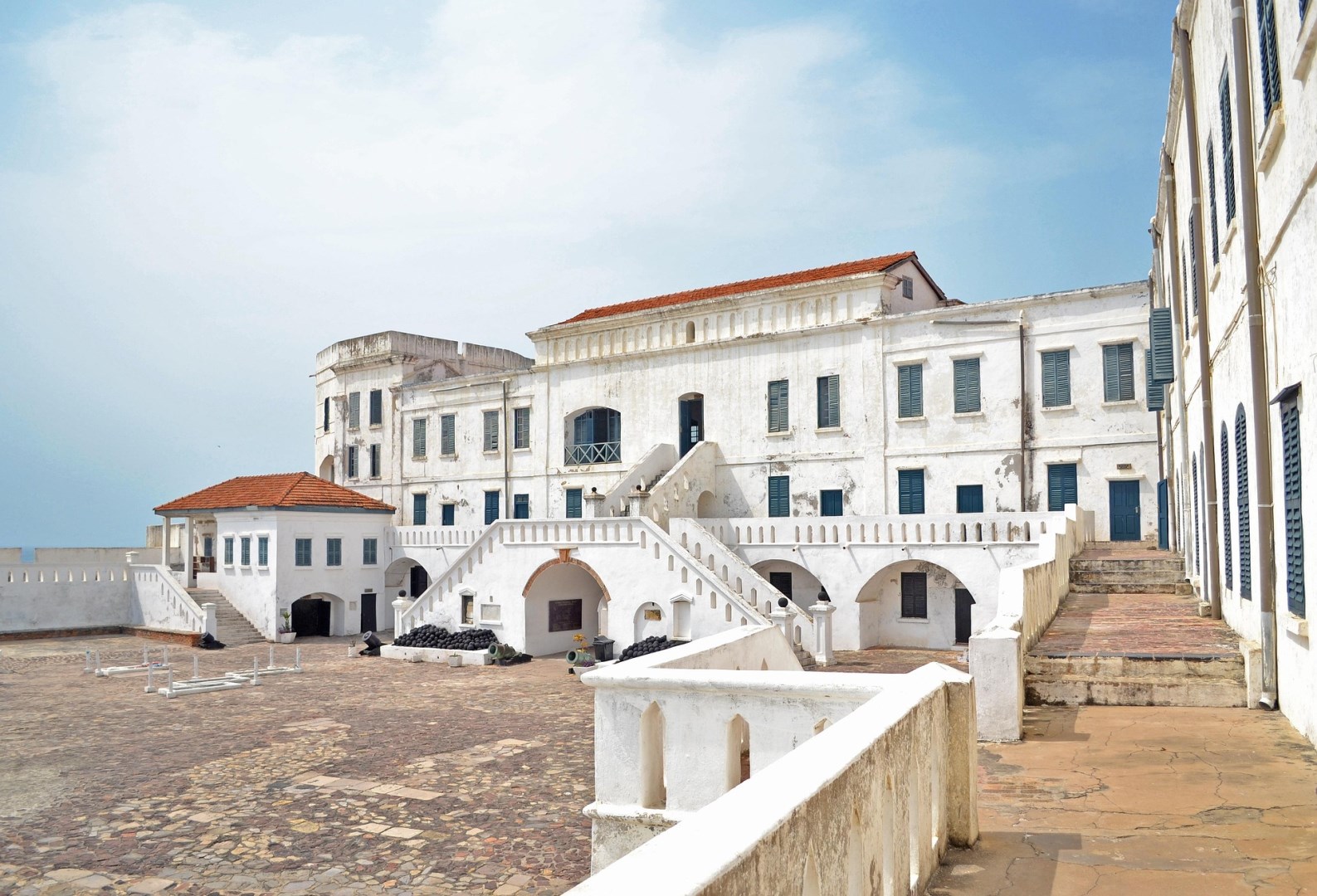
Cape Coast is a historic coastal city in Ghana’s Central Region, positioned along the Gulf of Guinea west of Accra. Once an important centre of European trade on the Gold Coast, the city is now known for its historic architecture, fishing communities, beaches, and connection to Ghana’s coastal culture. Cape Coast Castle dominates the waterfront and remains the city’s best-known landmark. The city is also home to the University of Cape Coast and serves as a base for exploring nearby attractions,
Po River
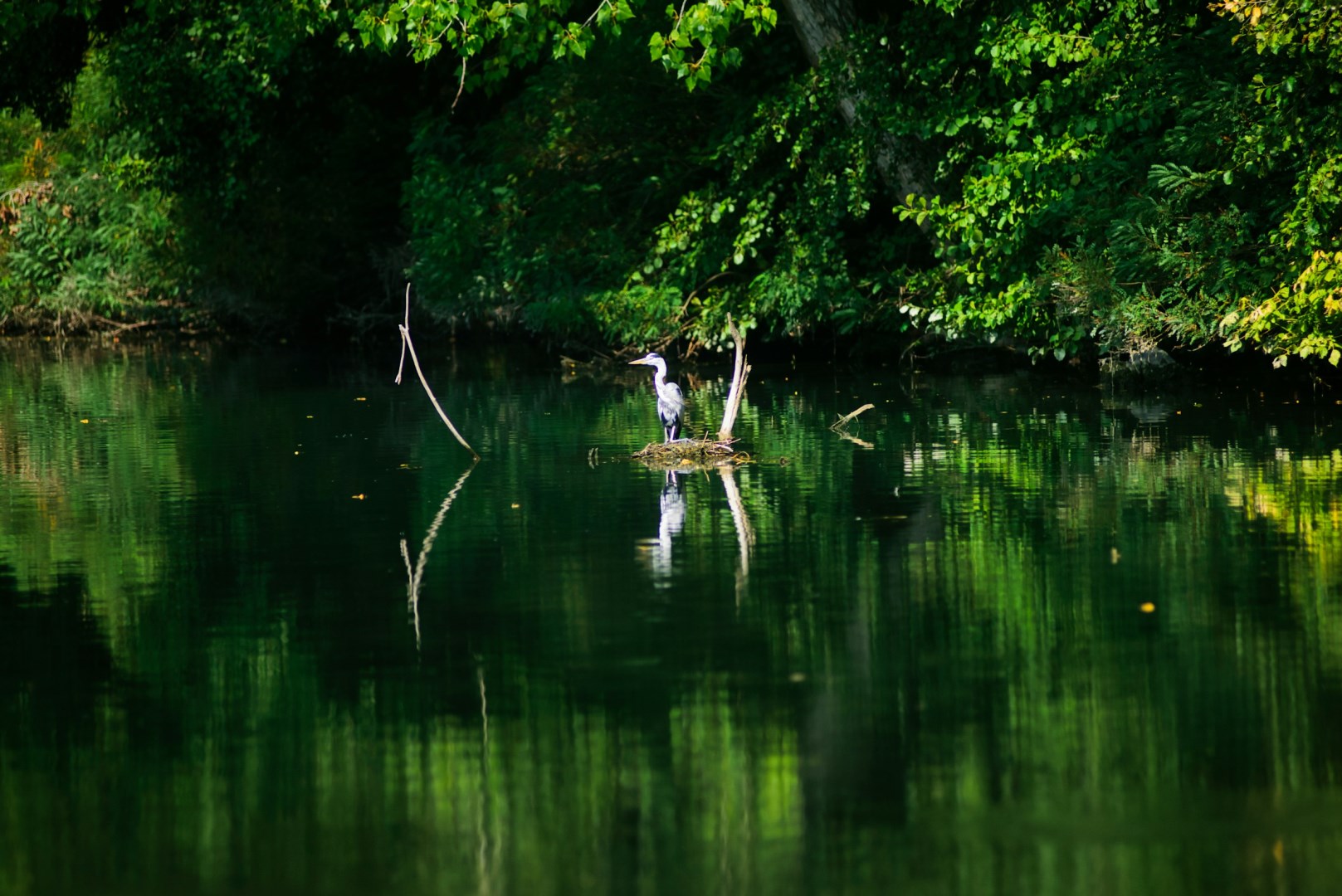
The Po River, the longest in Italy, flows eastward from Monte Viso, in the Cottian Alps, through the northern part of the country and drains into the Adriatic Sea near Venice. The Po flows through many important Italian cities, including Turin, Cremona, Piacenza, Ferrara.

Glacier Bay
Glacier Bay’s untouched beauty will astound you. A National Park and Preserve, as well as a UNESCO World Heritage site, it is covered with stunning tidewater glaciers and a variety of native flora and fauna. Be on the lookout for the variety of eye-catching wildlife, including eagles, moose, and humpback whales, who have made Glacier Bay home.
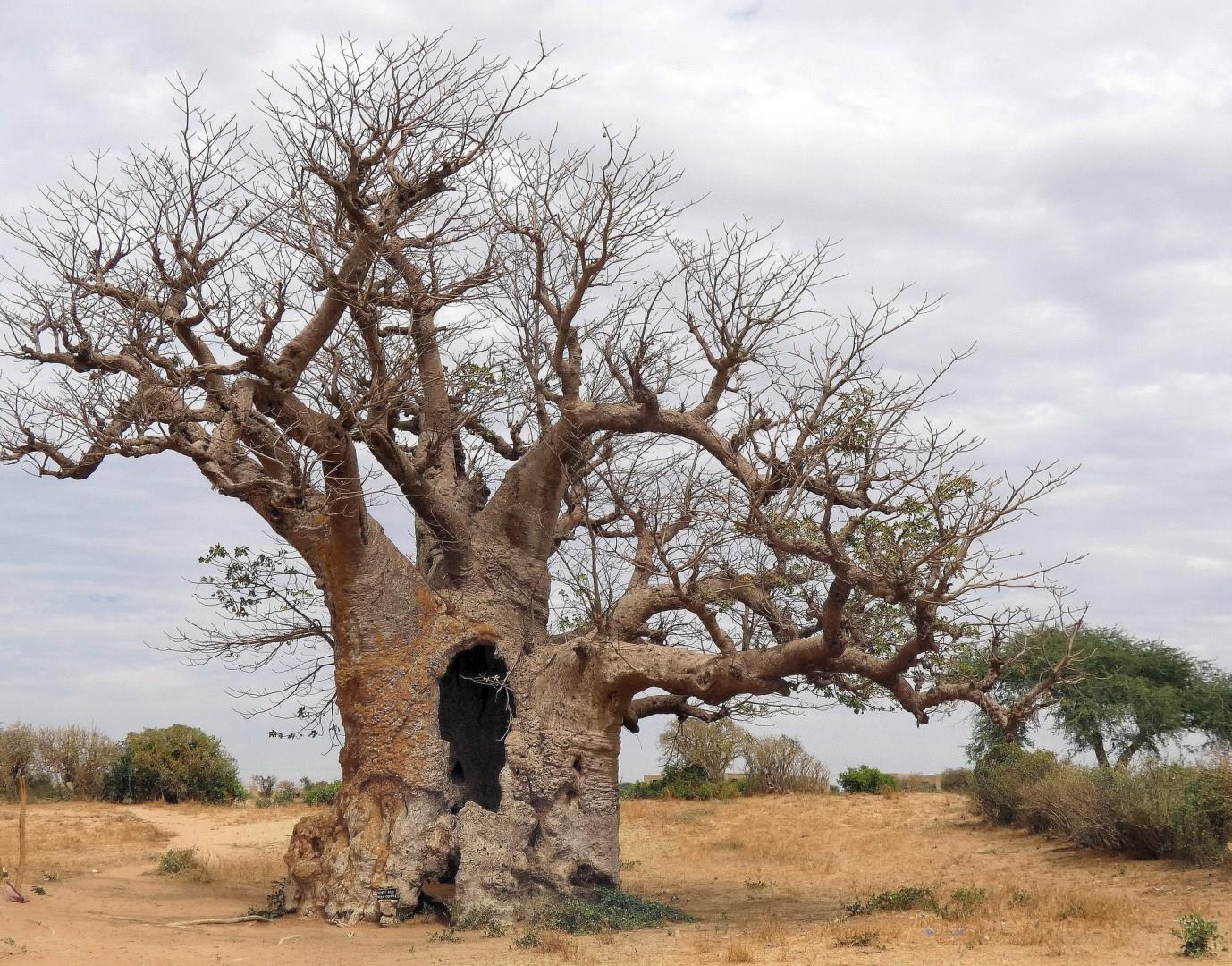
Senegal
Senegal, located on the westernmost tip of Africa, is a country where vibrant traditions meet striking natural beauty. Its capital, Dakar, sits on the Cape Verde Peninsula and is known for its bustling markets, lively music scene, and impressive art galleries.