Wakayama
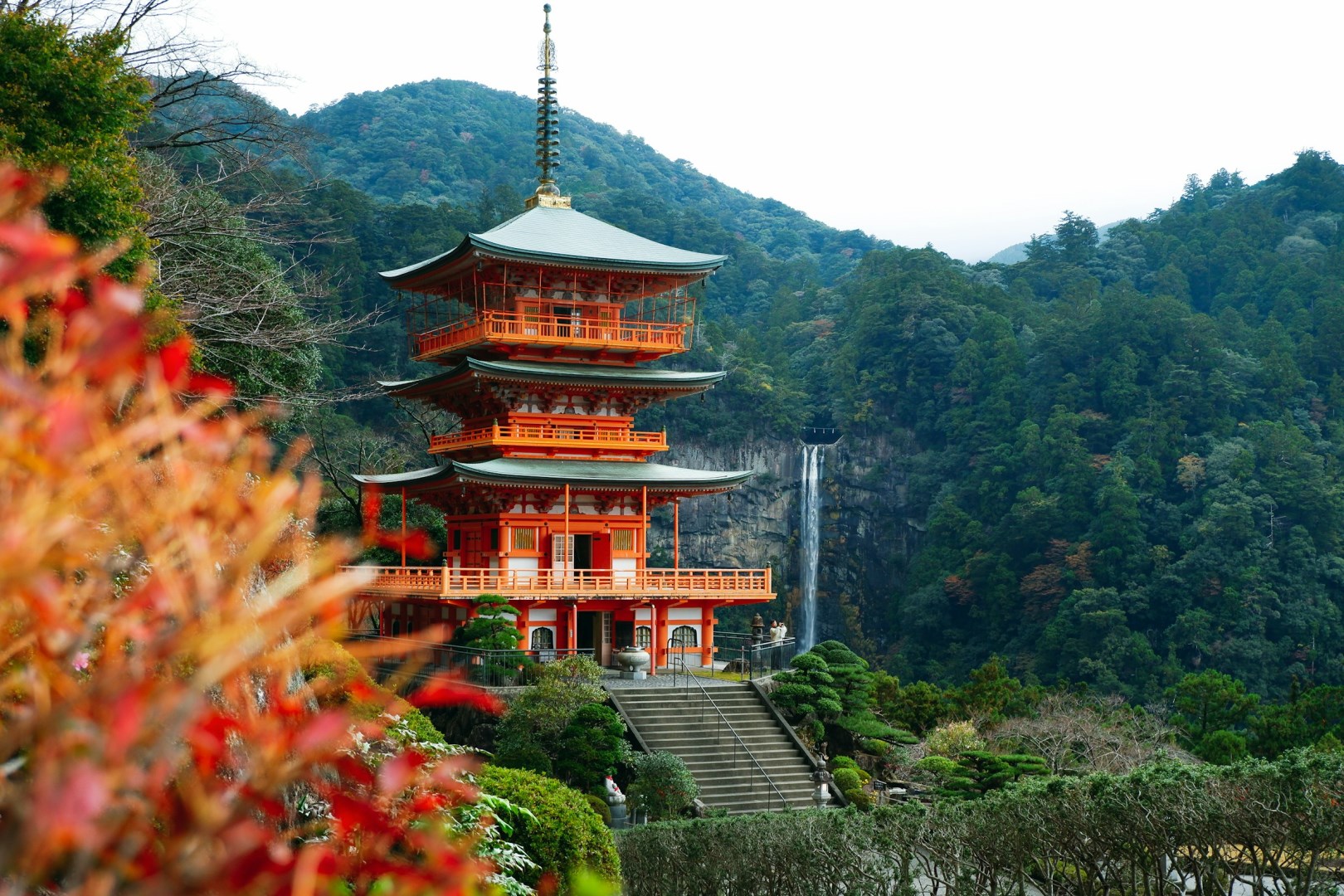
Wakayama is a coastal city in western Japan and the capital of Wakayama Prefecture, located on the Kii Peninsula beside Wakayama Bay. Its setting combines the sea with wooded hills and nearby mountain country, while the city itself has developed around a historic castle town. Wakayama Castle stands on Mount Torafusu near the city center, overlooking the surrounding streets, mountains, and Kii Channel.
Raja Ampat
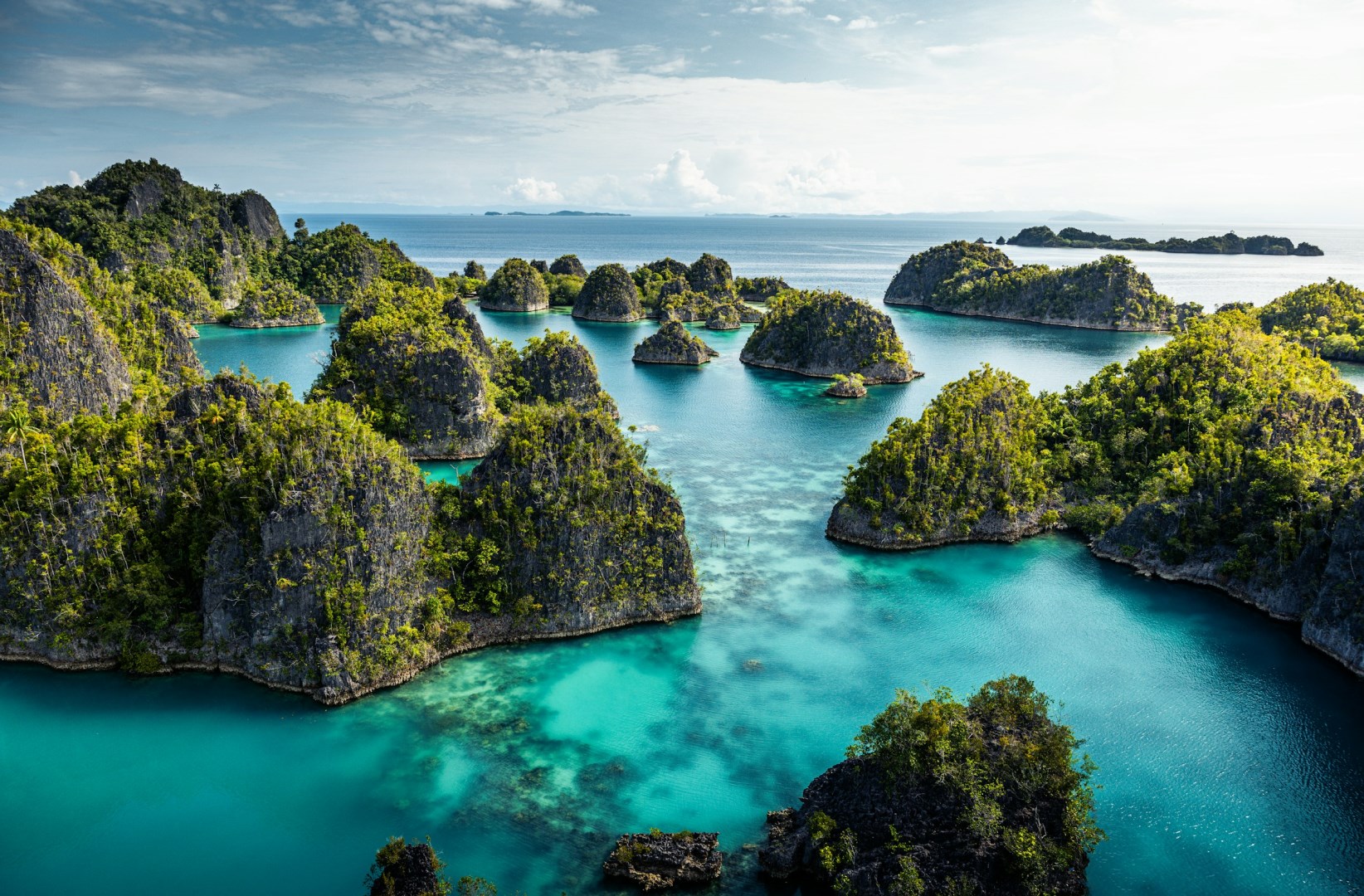
Raja Ampat is an archipelago in Southwest Papua, Indonesia, centered around the four major islands of Waigeo, Batanta, Salawati, and Misool. More than 1,500 smaller islands, cays, and reefs surround these larger islands, creating a landscape of forested hills, limestone formations, sheltered bays, and clear tropical waters.

Kiel
This city is the last stop on one of the busiest artificial waterways in the world, the Kiel Canal. It is an important base for the German Navy and famous for its international sailing event, the "Kieler Woche", an annual sailing event that attracts millions of people around the world.
Mohács
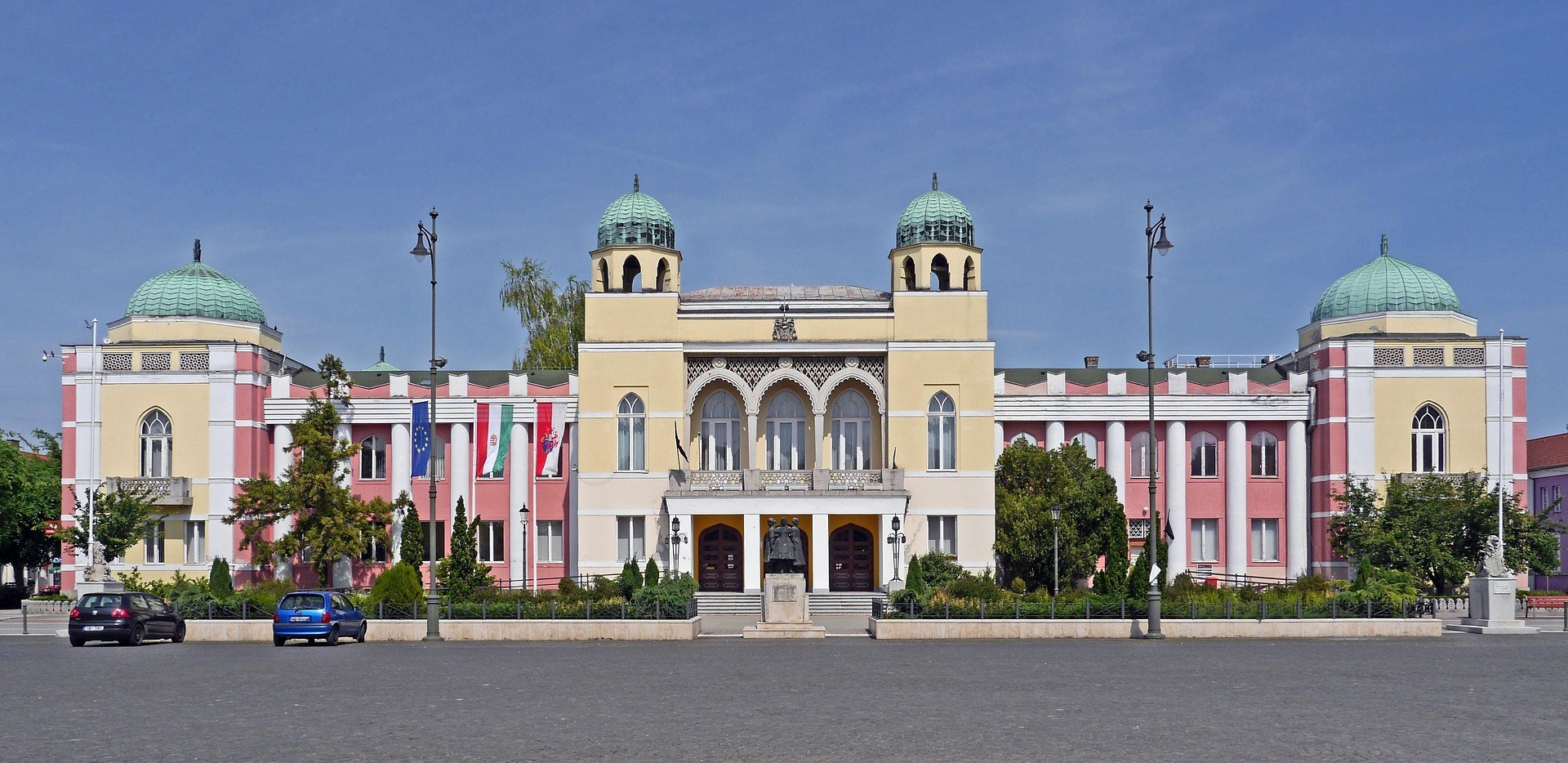
Mohács is a Danube-side town in southern Hungary, close to the country’s border with Croatia. Its riverside setting has shaped local life, trade, agriculture, and recreation, while the town’s streets contain a mixture of traditional houses and distinctive public buildings. Mohács is especially associated with the Busó festivities, a masked end-of-winter carnival that has become the city’s defining cultural tradition.
Kakheti
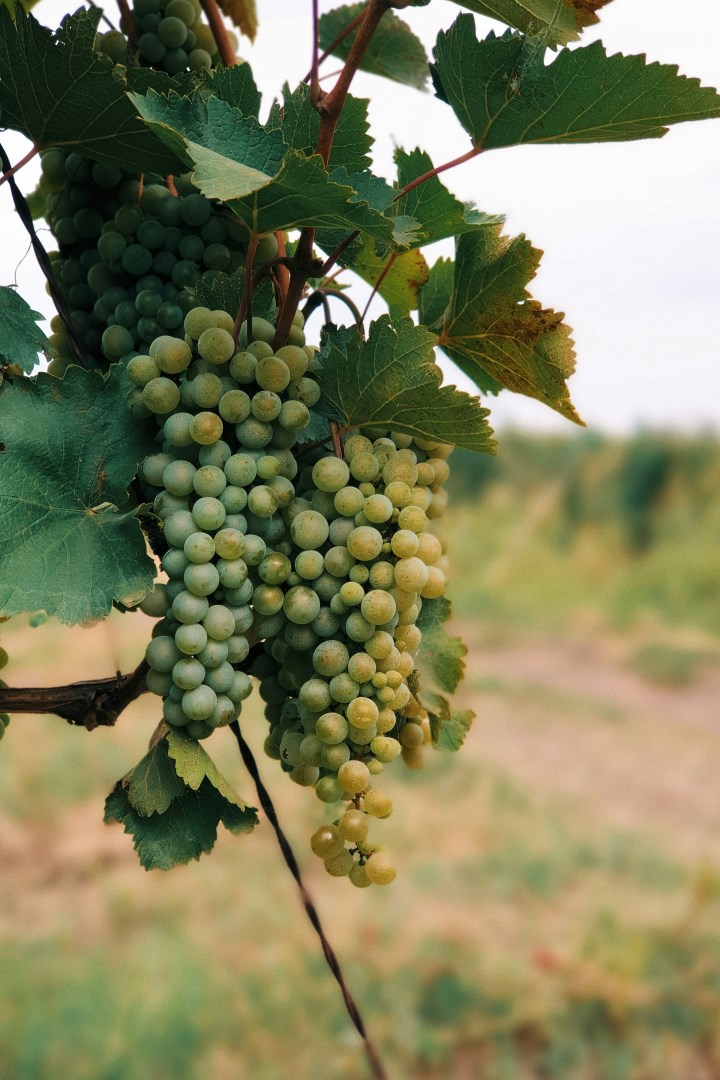
Kakheti is Georgia's easternmost major wine region, stretching across the Alazani and Iori valleys beneath the Greater Caucasus. The region is known for vineyards, fertile plains, dry hills, and mountain landscapes that change considerably between its eastern and western areas. Telavi serves as the main regional center, while towns and villages such as Sighnaghi, Kvareli, Gurjaani, and Tsinandali provide access to vineyards, monasteries, historic estates, and local markets.