Muskegon
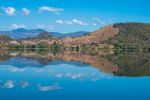
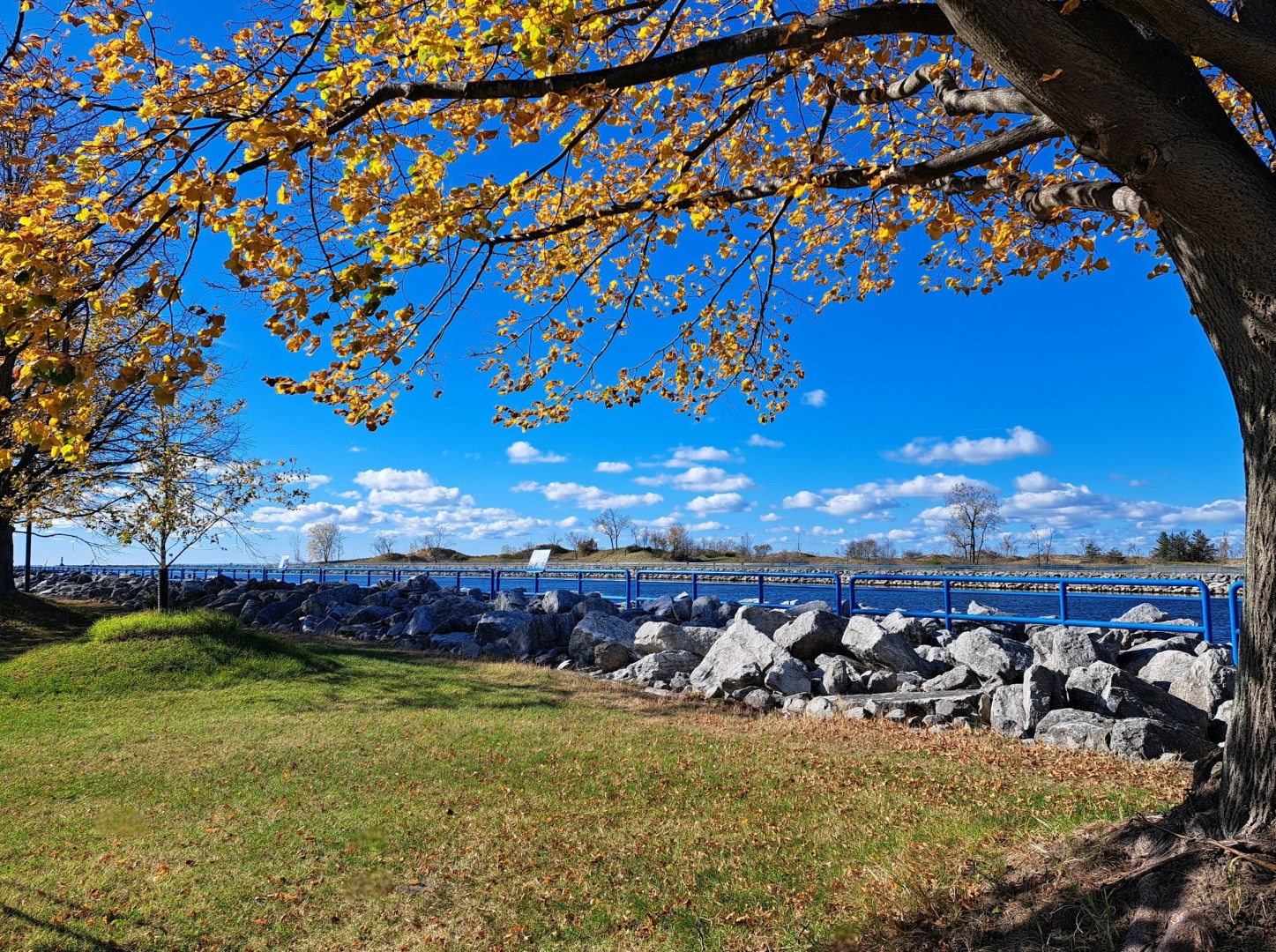
Northwest of Grand Rapids, it has a natural safe harbor off Lake Michigan
Helsingborg
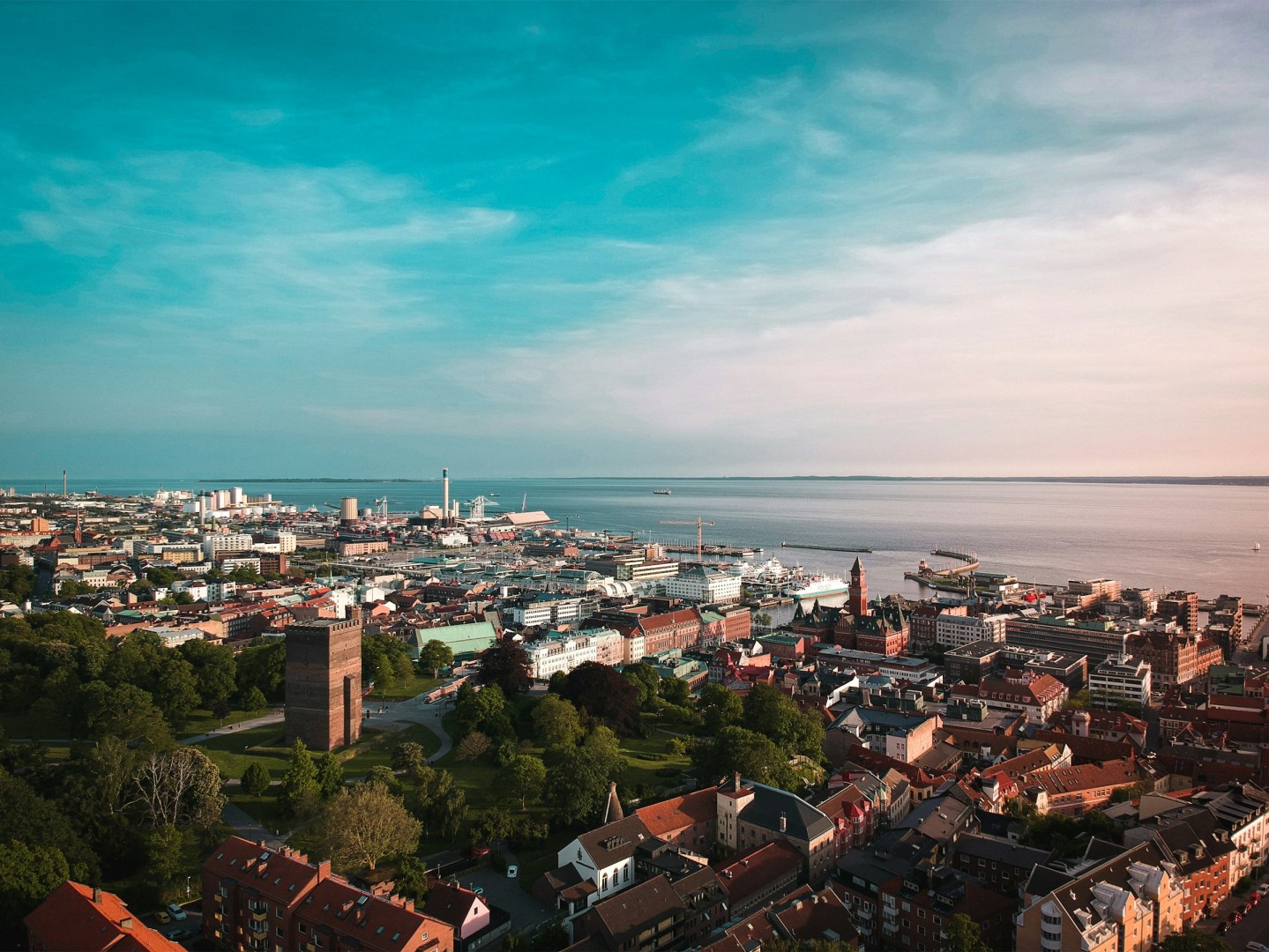
This 900-year old city, often called "The Pearl of the Sound," is situated at the narrowest point of the Oresund Sound. You will be enchanted by the city's international atmosphere. It has everything from golf (23 courses in all), to vast beaches, jazz clubs and restaurants offering a wide variety of cuisine.

Šiaulia
Šiauliai, often referred to as the "City of the Sun" due to its high number of sunny days, is a vibrant gem in northern Lithuania. The city's most iconic landmark is the Hill of Crosses, a profound site of pilgrimage adorned with thousands of crosses placed by visitors over the decades. This unique and moving monument, which has been recognized by UNESCO for its cultural significance, symbolizes the resilience and spirit of the Lithuanian people.

Kampot
Kampot is a riverside town in southern Cambodia with a story that stretches from a bustling 19th-century seaport to a calm center for travelers seeking real local experiences. Wandering these streets reveals faded pastel facades, shuttered balconies, and hints of a past where merchants from China, Malaysia, and Europe met on this quiet stretch of the Cambodian coast.
Desroches
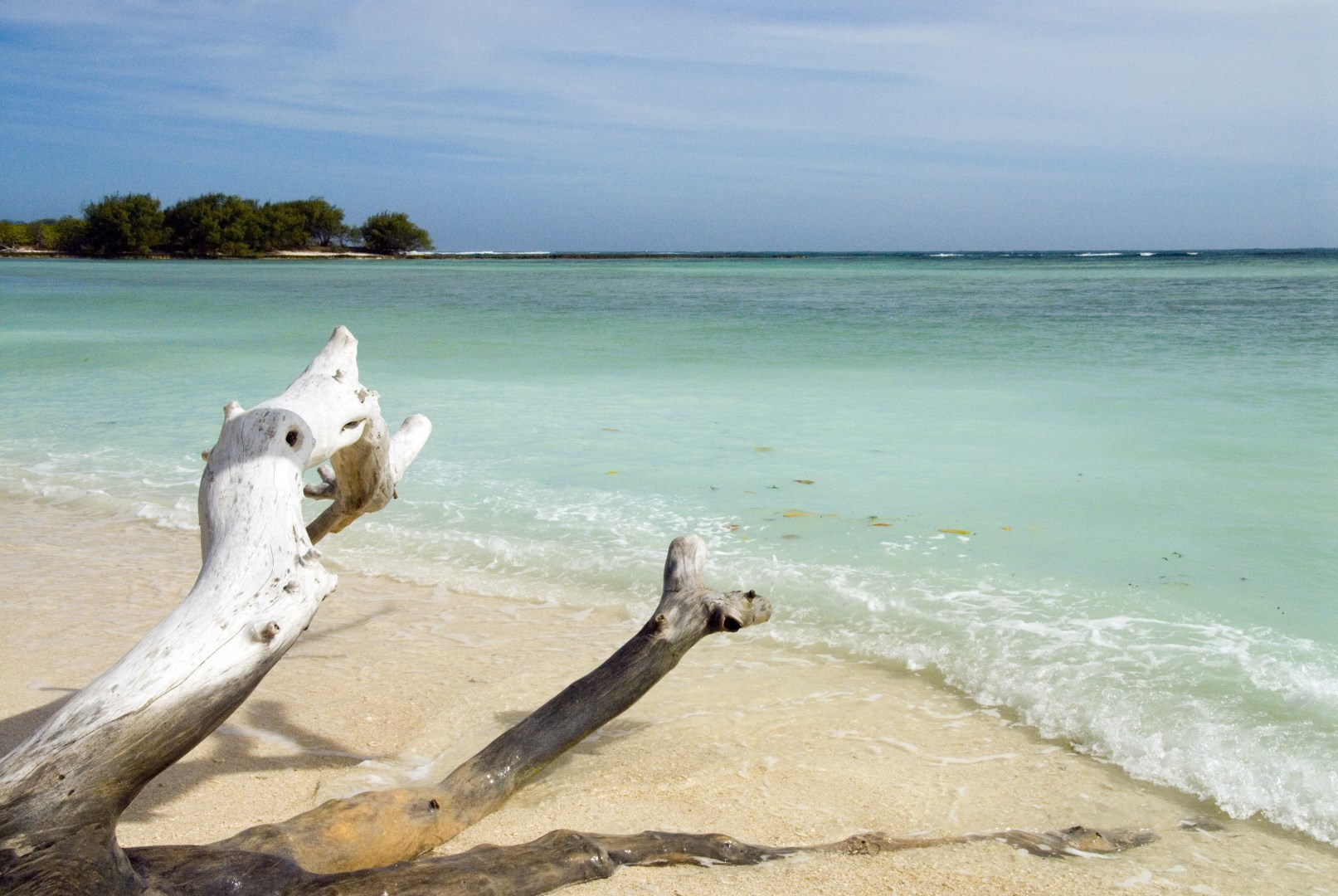
Desroches Island, a serene oasis in the Seychelles, offers an unparalleled escape into tropical luxury. Located 230 kilometers southwest of Mahé, this private island is famed for its pristine beaches, lush coconut palms, and crystal-clear waters. Desroches is the largest island in the Amirantes group and is celebrated for its untouched beauty and exclusive ambiance.