Apia
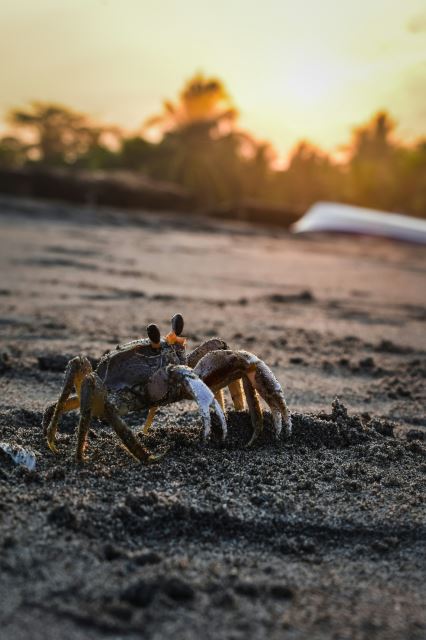
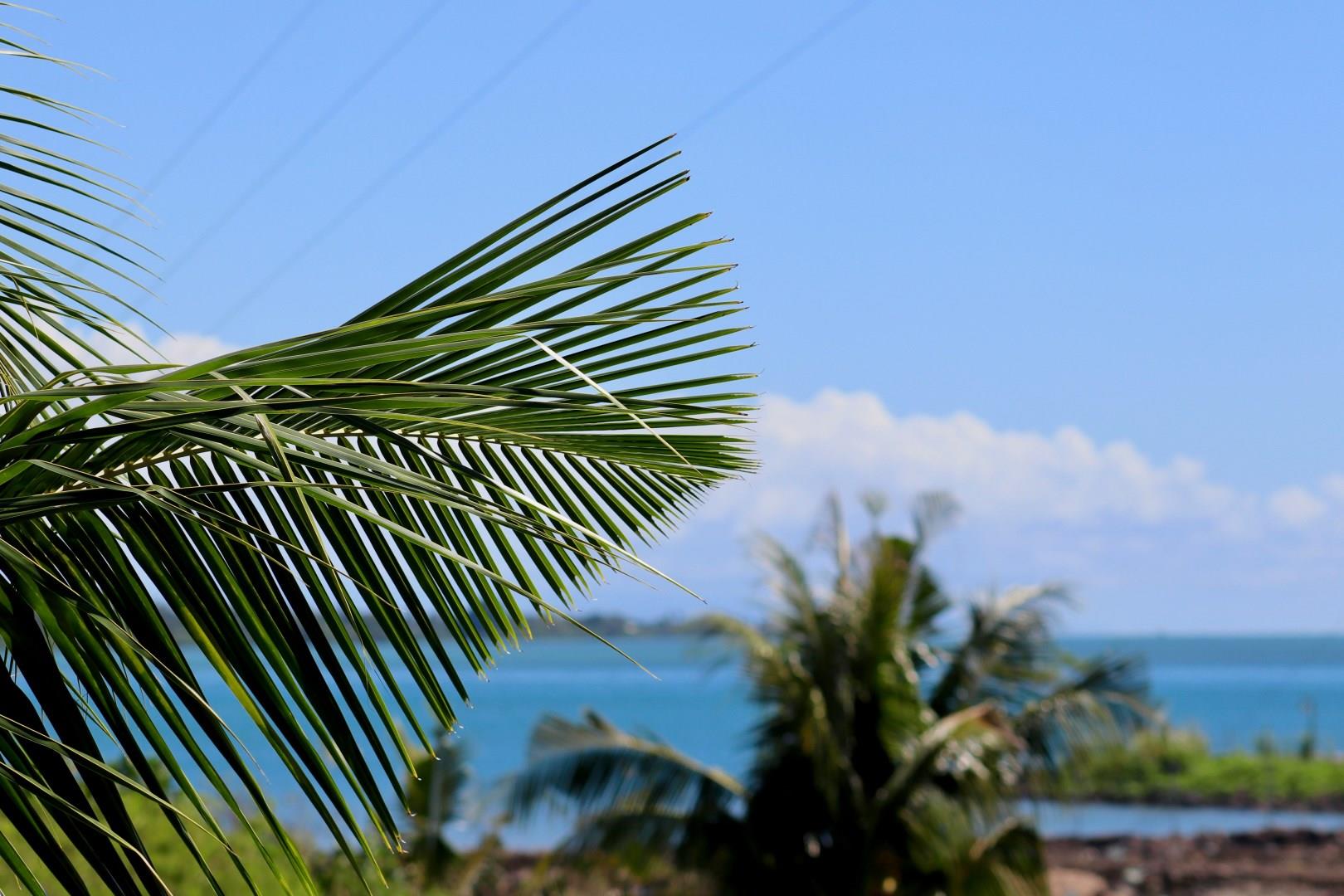
Apia, the lively capital of Samoa, sits on the north coast of Upolu island and blends the island’s rich traditions with a laid-back charm that’s hard to miss. Once a small village, Apia has grown into a central hub where local culture, commerce, and history meet. From bustling markets to quiet waterfronts, Apia offers visitors a chance to experience Samoa’s rhythm at their own pace.
Vaavu Atoll
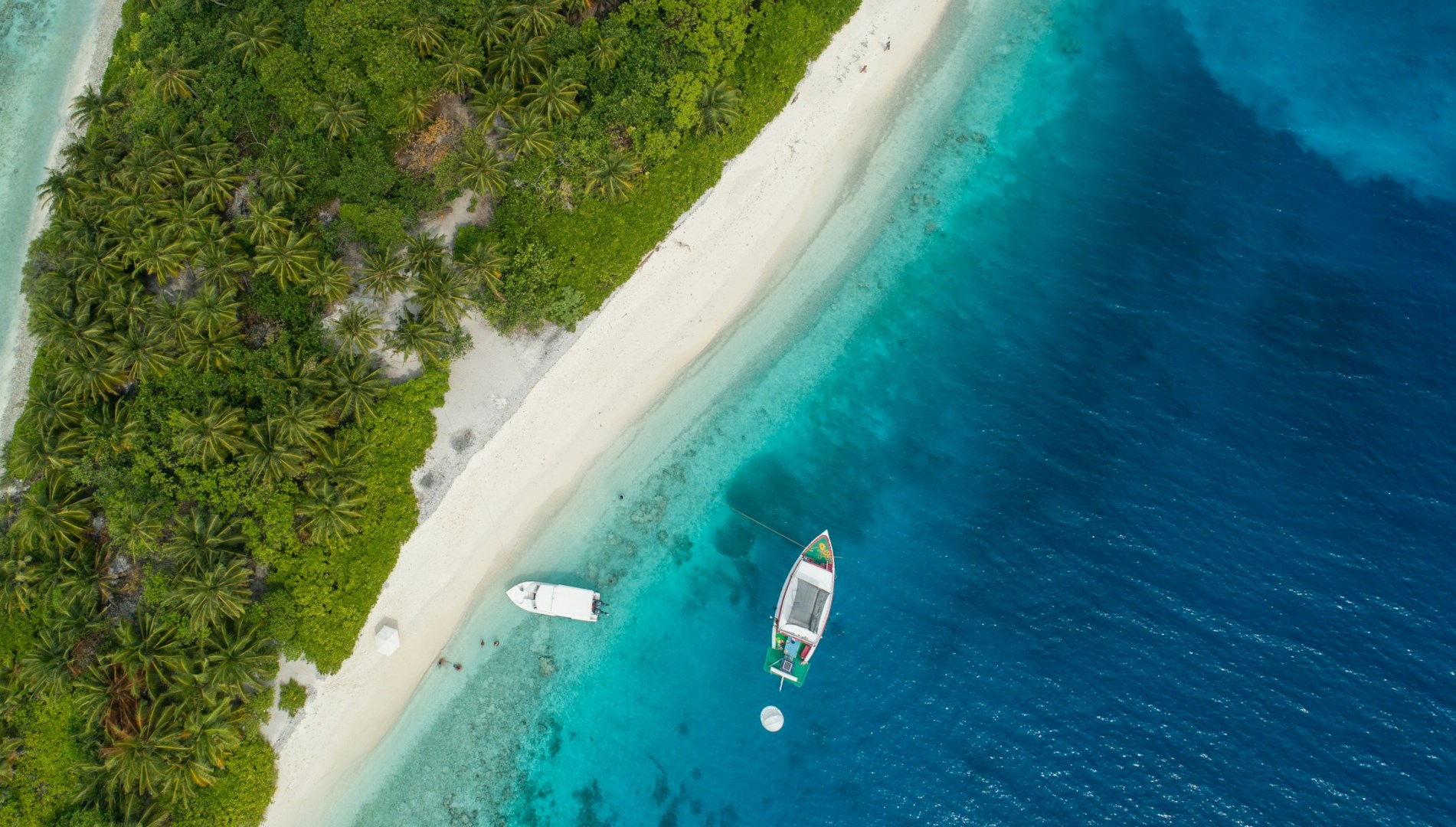
Vaavu Atoll lies south of Malé and is known for its relatively small population, numerous uninhabited islands, clear lagoons, and extensive coral reefs. Felidhoo is the administrative capital, while Thinadhoo, Keyodhoo, and Fulidhoo are among the better-known inhabited islands. The atoll has a quieter character than the more developed areas closer to the capital, with guesthouses, fishing communities, and resorts spread across separate islands.

Moldova
Moldova, a hidden gem nestled in the heart of Eastern Europe, invites travelers to discover a unique blend of history, culture, and nature. Often overlooked by mainstream tourism, this charming country boasts a rich tapestry of traditions that date back over a thousand years. Visitors can explore ancient monasteries and stunning landscapes along the Răut River.
Macedonia
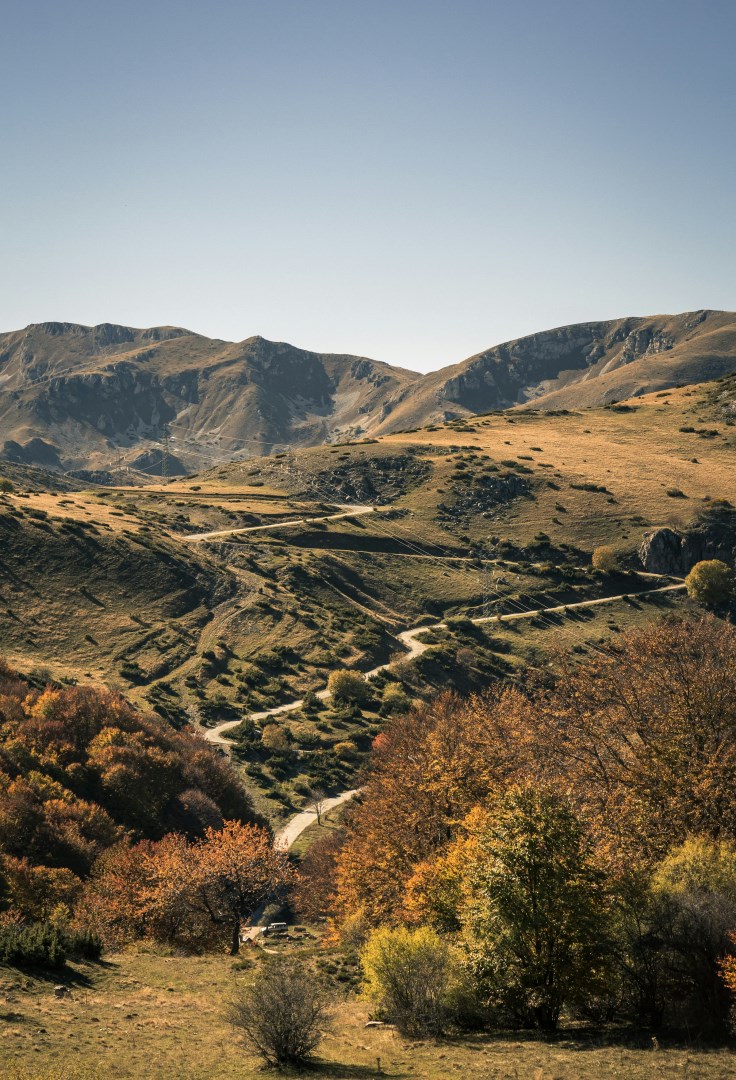
Macedonia, officially known as North Macedonia, is a country where ancient history and vibrant culture meet in a striking landscape. The capital city, Skopje, showcases a blend of old and new with its Ottoman-era bazaars sitting alongside modern sculptures and bridges. Visitors can explore the stone bridge, a symbol of the city, and wander through the Old Bazaar, where traditional crafts and local flavors invite discovery.

Dingle
Nestled along the picturesque southwest coast of Ireland, the charming town of Dingle offers a quintessential Irish experience with its stunning landscapes and rich cultural heritage. The town is renowned for its vibrant harbor and traditional pubs, where visitors can enjoy lively music sessions and savor local seafood dishes. The Dingle Peninsula, with its rugged cliffs and scenic drives, is a highlight for nature enthusiasts and those seeking breathtaking vistas.