Jellyfish Lake
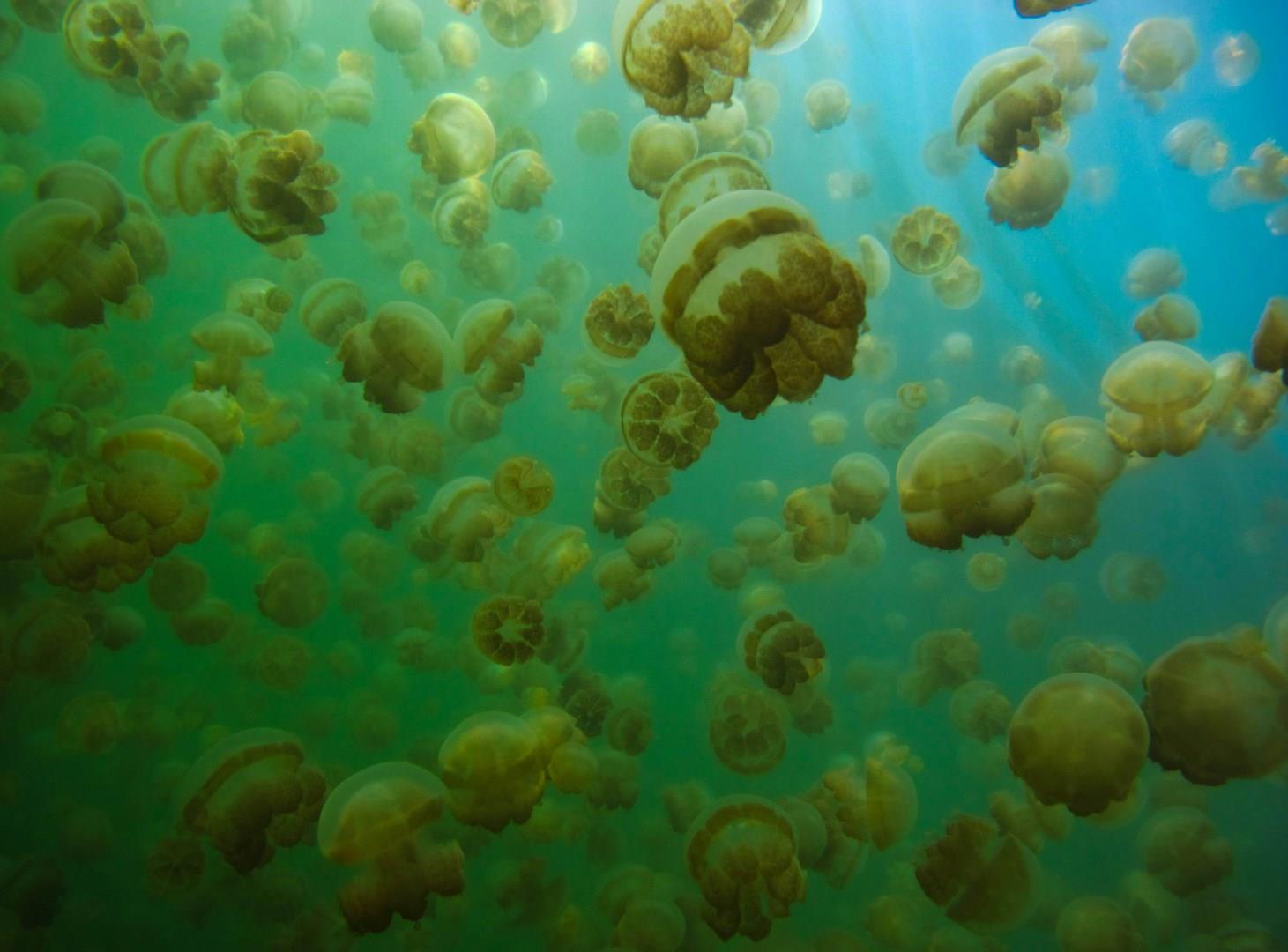
Jellyfish Lake is a shadowed oasis hidden among the mushroom-like Rock Islands of Palau. This forest‑fringed saltwater lake invites visitors to float with millions of gentle, stingless jellyfish that glow like drifting amber clouds under emerald light. The lake formed about 12,000 years ago, when rising seas flooded an ancient reef basin that was gradually cut off from the ocean. Over centuries, its jellyfish evolved in isolation, shedding their stings and multiplying without predators in sight.
Bristol
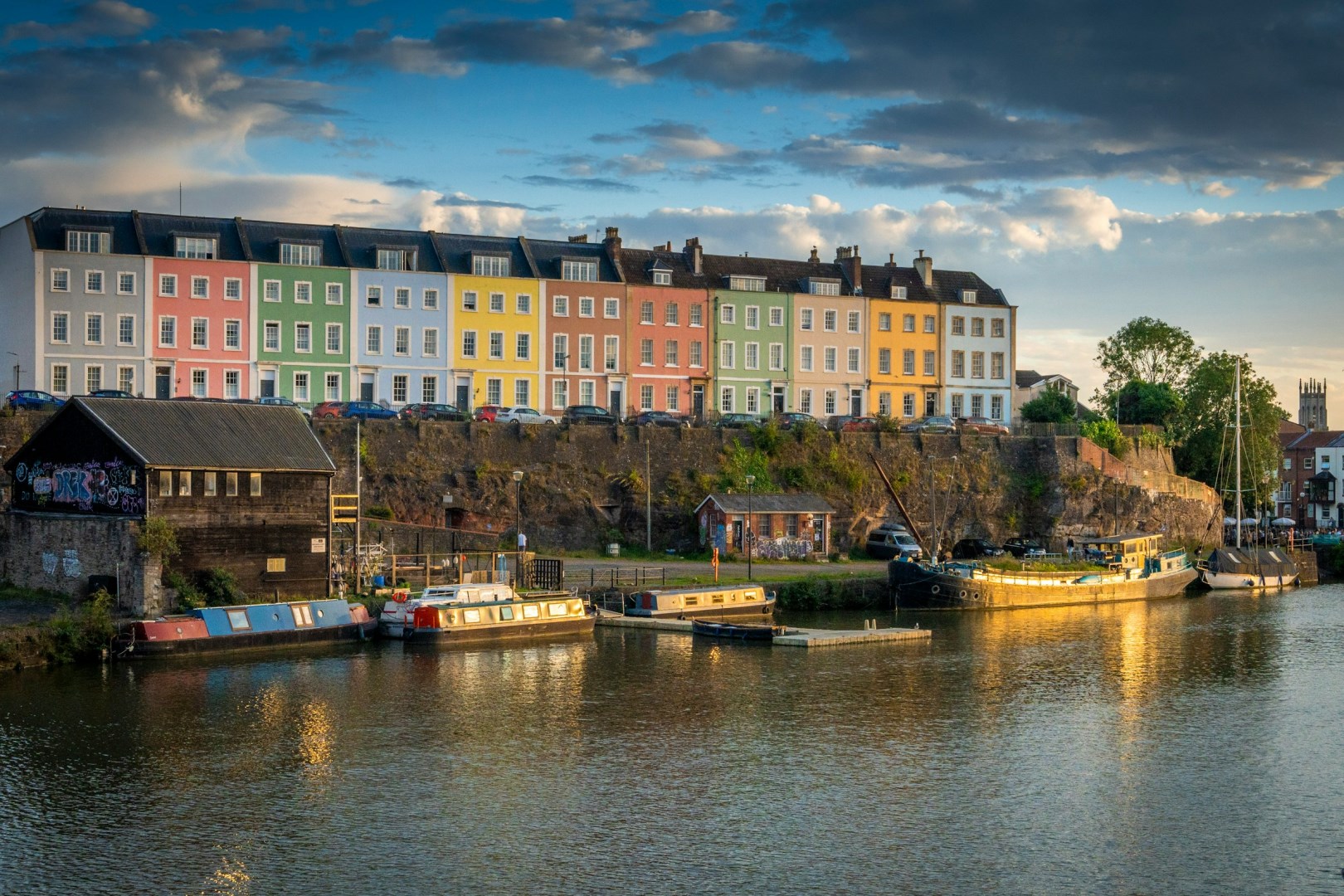
Bristol is a city in southwest England built around the River Avon, with a maritime history that has shaped its neighborhoods, architecture, and economy. The historic harbor occupies the center of the city, where former warehouses, quays, and docks have been adapted for museums, galleries, restaurants, and public spaces. Clifton Suspension Bridge spans the Avon Gorge and is one of Bristol’s most recognizable landmarks.
Dordrecht
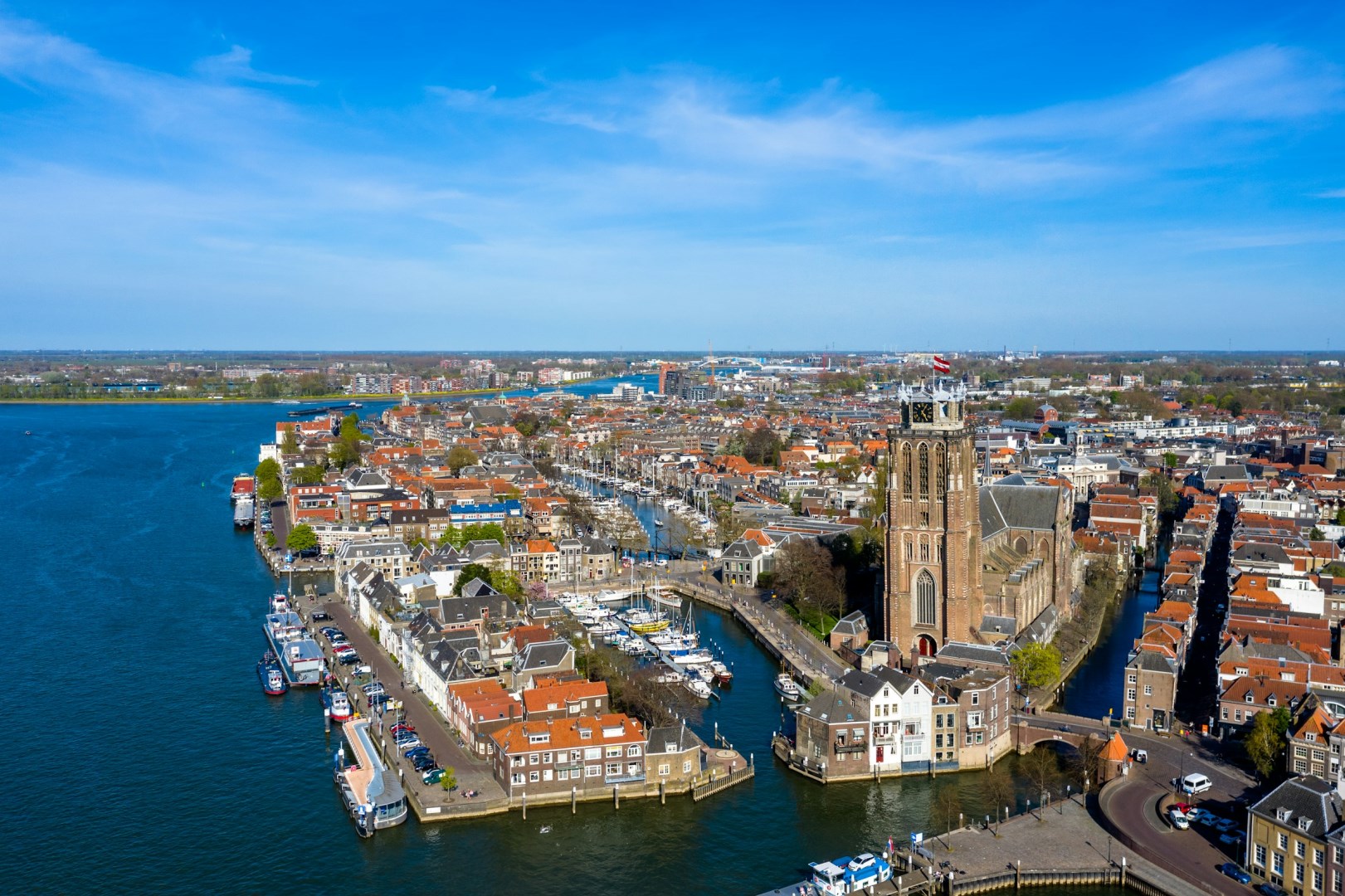
Situated at the confluence of the rivers Merwede and Noord, Dordrecht is one of the Netherlands' oldest cities, rich in history and character from its charming medieval center and picturesque canals to its beautiful historic buildings. With its intricate network of canals and waterways, the city once played a key role in the Dutch Golden Age and is home to the Biesbosch National Park, one of the largest national parks in the Netherlands.
Skoura
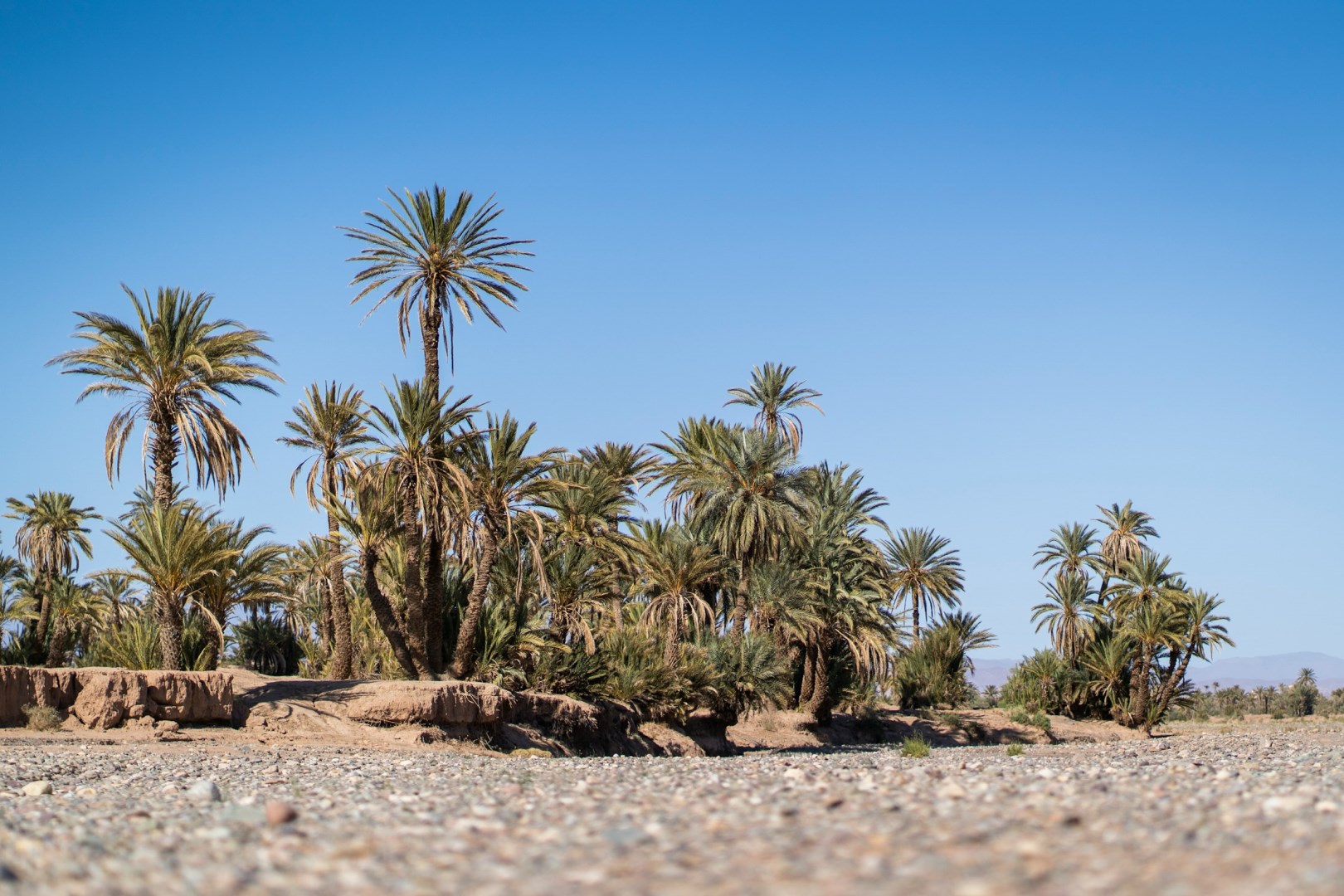
Skoura is an oasis town in southern Morocco, set between Ouarzazate and the Dadès Valley. Its defining feature is a broad palm grove where date palms, olive trees, fruit gardens, and traditional earthen buildings grow together. Unlike the dry terrain surrounding it, the oasis has a cultivated landscape supported by local irrigation systems. Skoura is particularly known for its concentration of kasbahs, including tall fortified residences built from rammed earth.
Hermanus
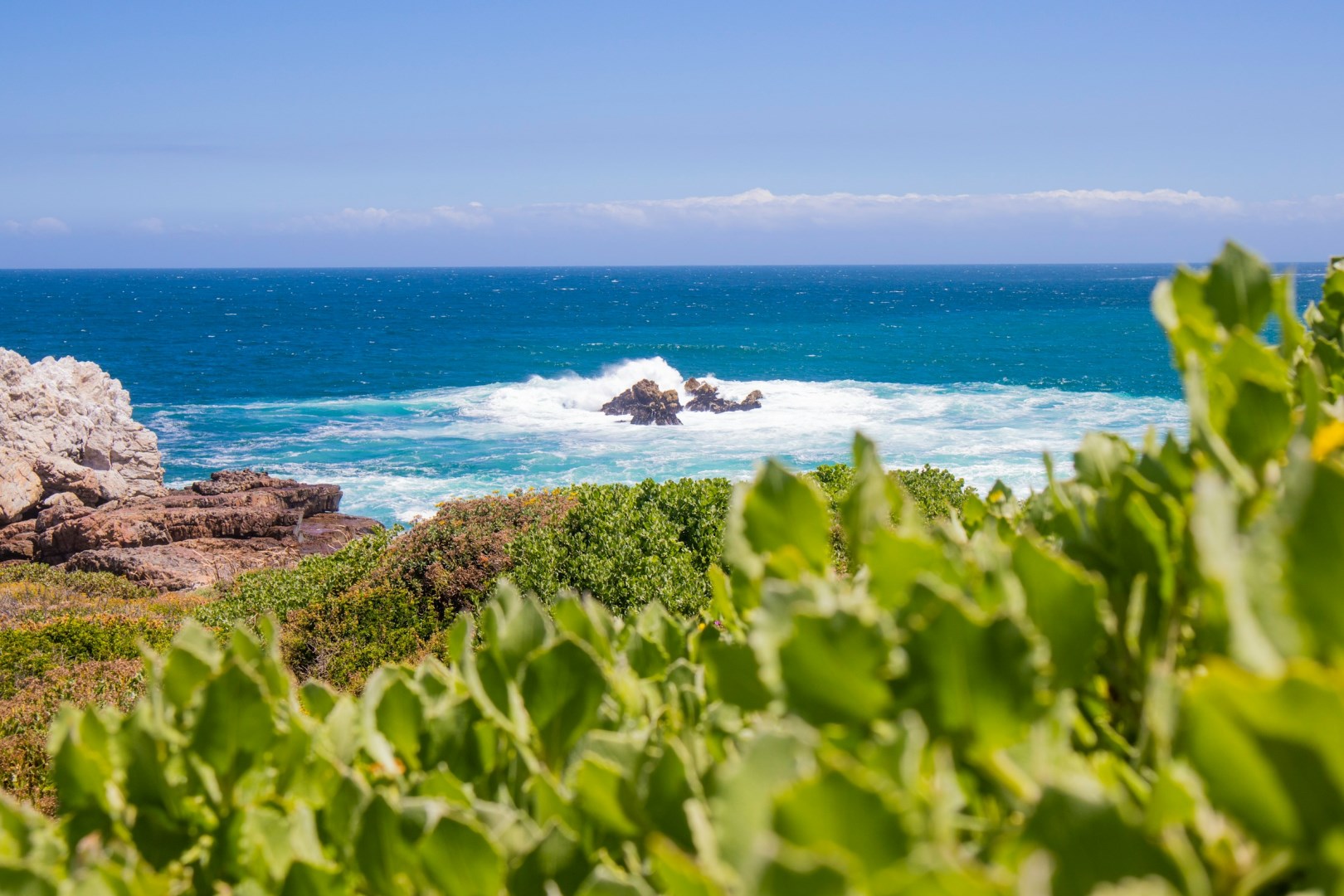
Hermanus is a coastal town in the Western Cape, set along Walker Bay between the Kleinrivier Mountains and the Atlantic Ocean. It is best known for its land-based whale watching, with southern right whales regularly entering the sheltered waters of the bay. The town combines a compact centre with a long coastal cliff path, beaches, coves, and residential areas extending along the shoreline.