Avenue of the Baobabs
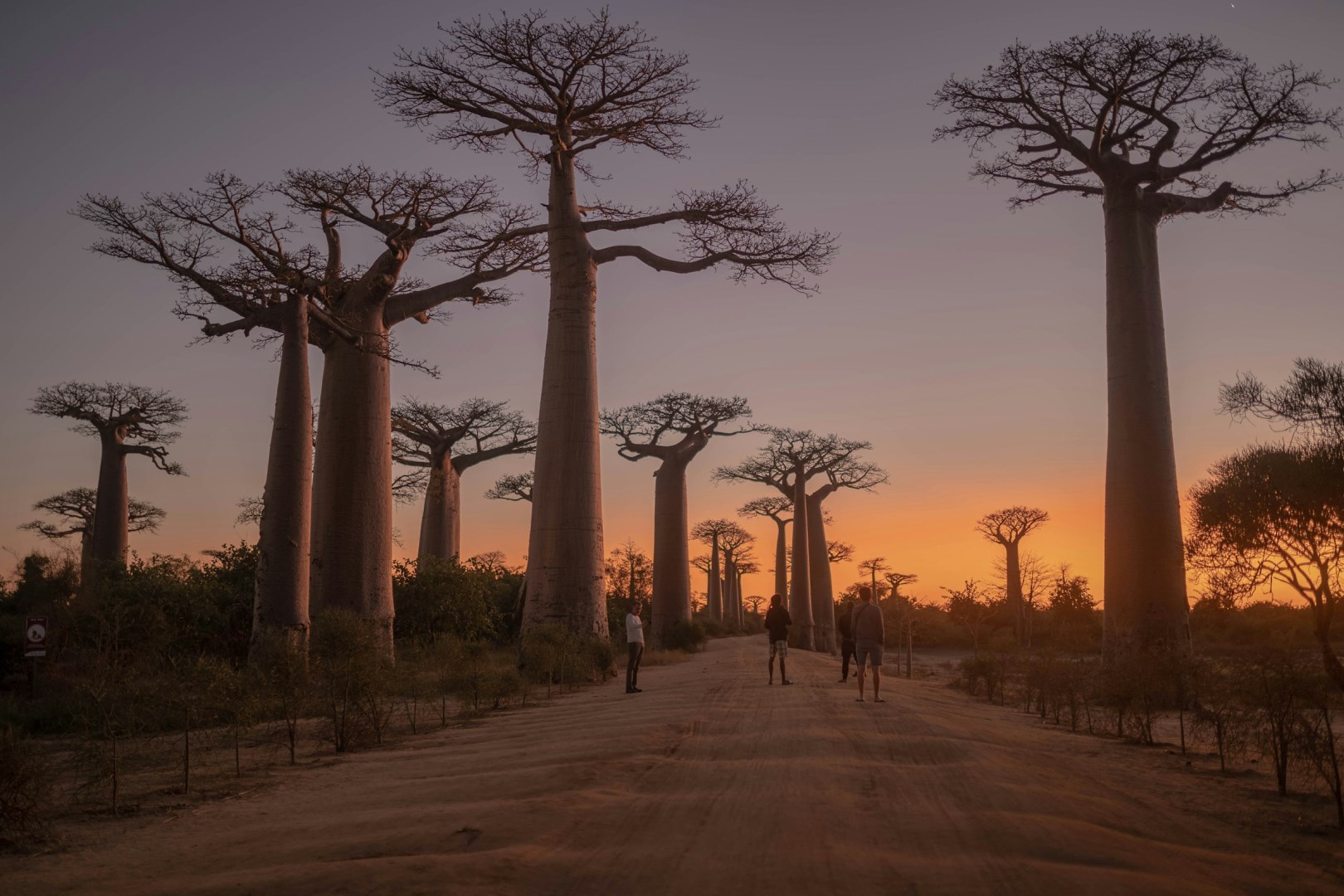
The Avenue of the Baobabs is a famous landscape in western Madagascar, located near Morondava in the Menabe region. A group of tall Grandidier's baobabs lines a dirt road across a broad, dry plain, creating one of the country's most recognizable natural scenes. These trees are endemic to Madagascar and can reach great heights, with thick trunks adapted to storing water during the dry season.

Laos
Laos, a landlocked country in Southeast Asia, is known for its lush landscapes, winding rivers, and rich Buddhist culture. The Mekong River flows along much of the country’s western border, offering both vital transportation routes and scenic vistas. Rolling hills, dense forests, and limestone karsts provide opportunities for hiking, kayaking, and exploring remote villages.
Skoura
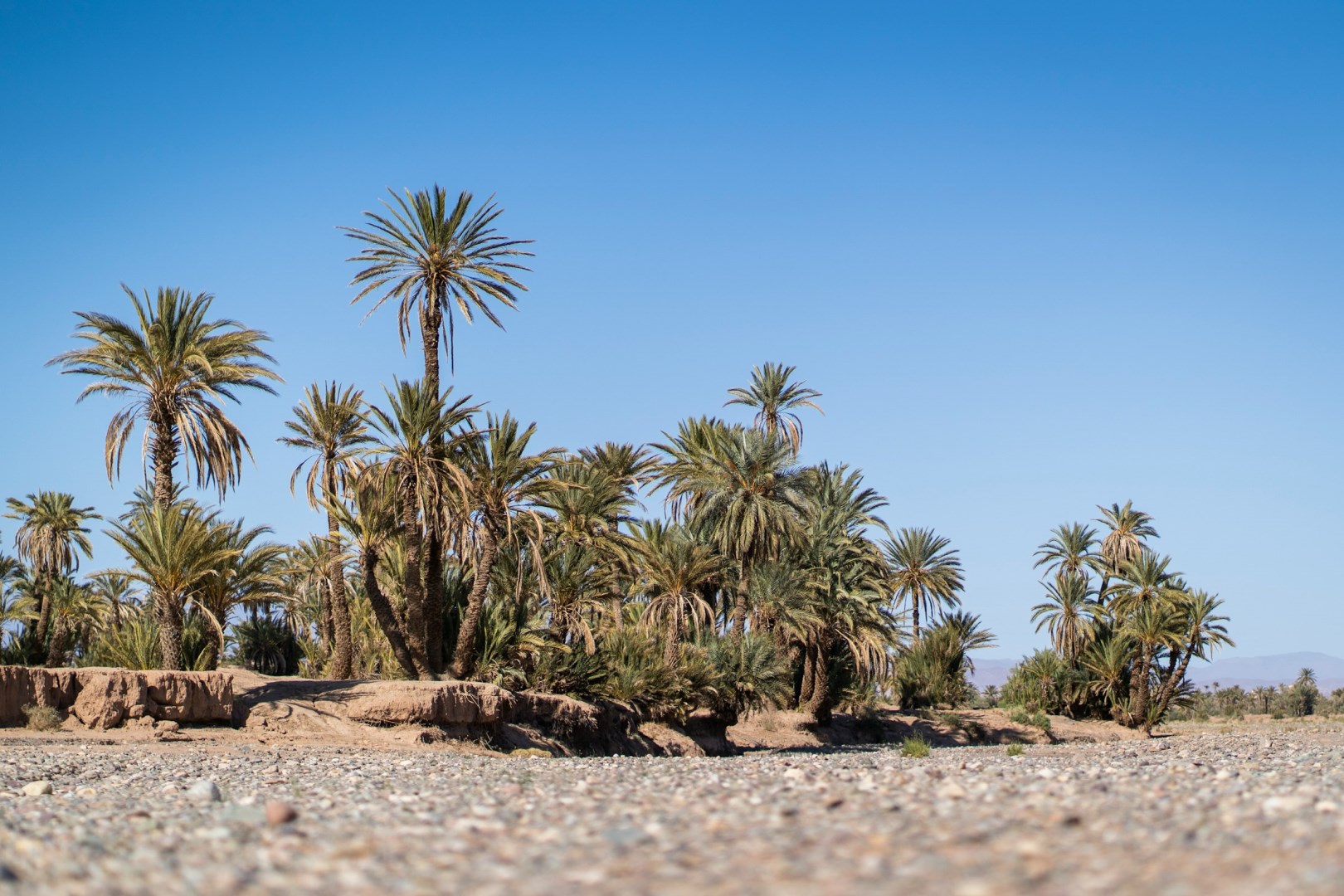
Skoura is an oasis town in southern Morocco, set between Ouarzazate and the Dadès Valley. Its defining feature is a broad palm grove where date palms, olive trees, fruit gardens, and traditional earthen buildings grow together. Unlike the dry terrain surrounding it, the oasis has a cultivated landscape supported by local irrigation systems. Skoura is particularly known for its concentration of kasbahs, including tall fortified residences built from rammed earth.
Belle Île
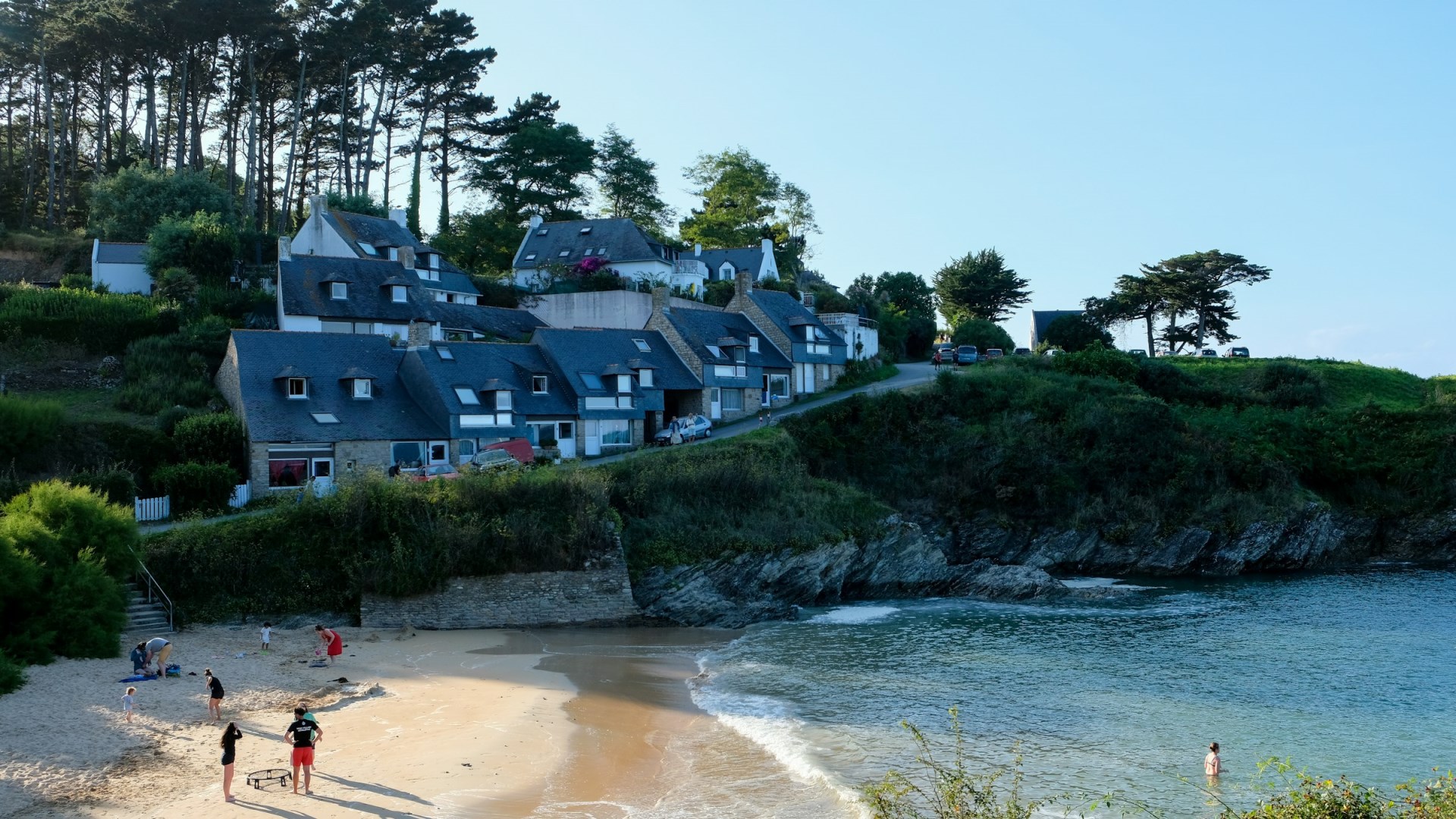
Belle Ile is a stunning display of color. The charm of this island lies in the variety of its scenery; cliffs, coves, woods, brooks, long sandy beaches and fields.
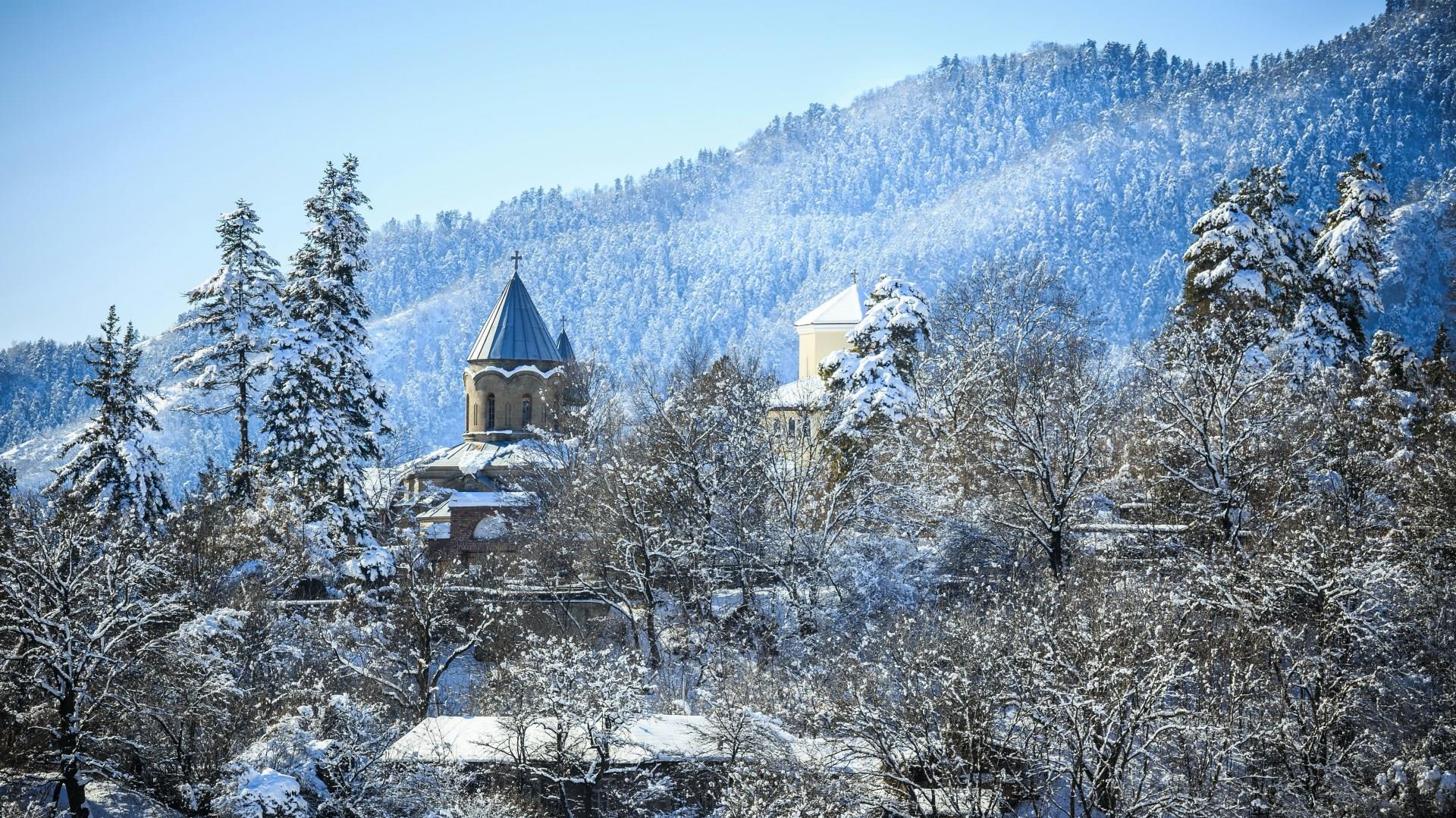
Borjomi
Borjomi sits high in the center of Georgia, in a long valley along the Borjomula River surrounded by forested mountains. For centuries its mineral springs have drawn people to the region, but it wasn’t until the 1800s that the water became known to the wider world when Russian officers stationed here shared its crisp, naturally fizzy taste and believed health-boosting properties with visitors.