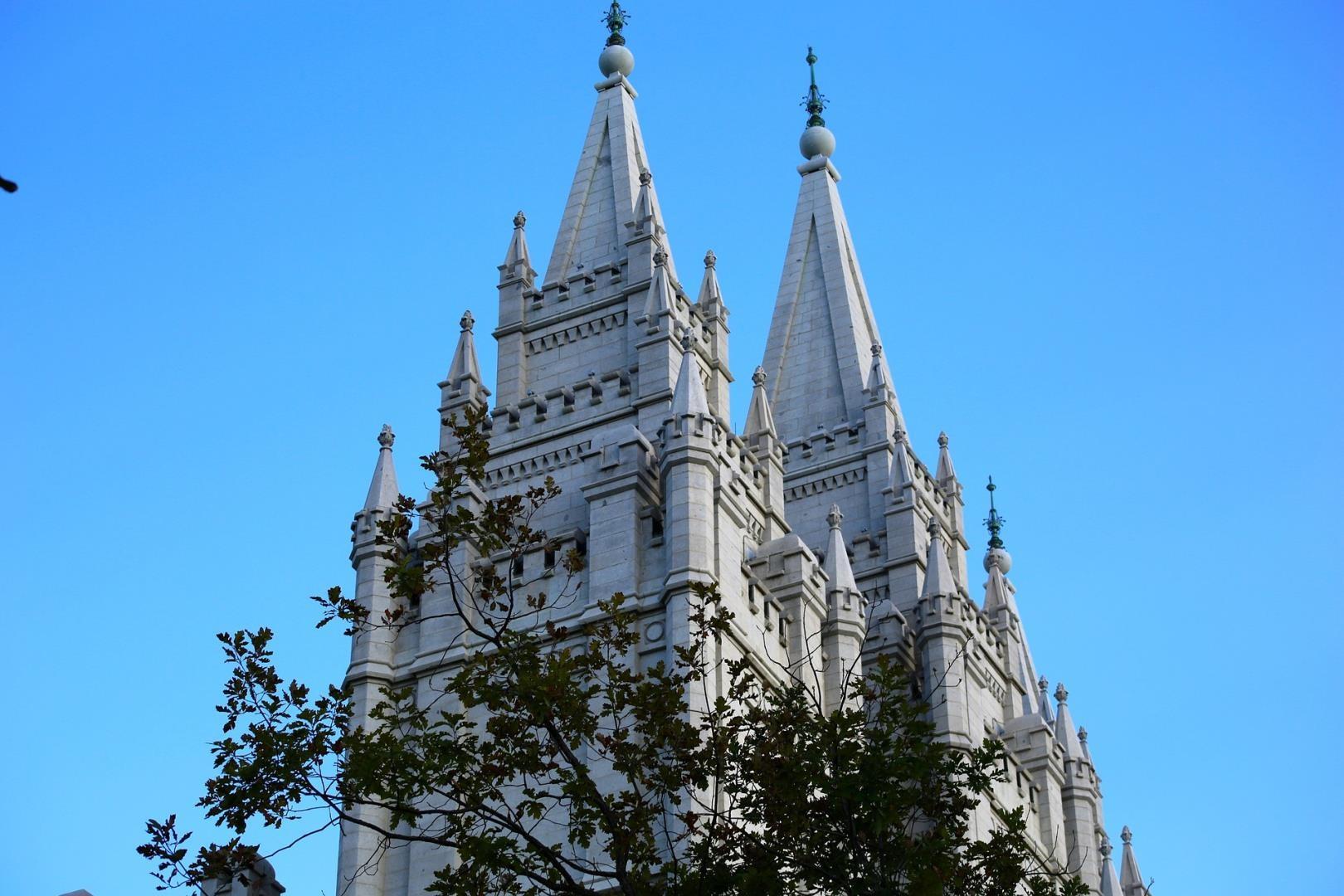
Humahuaca
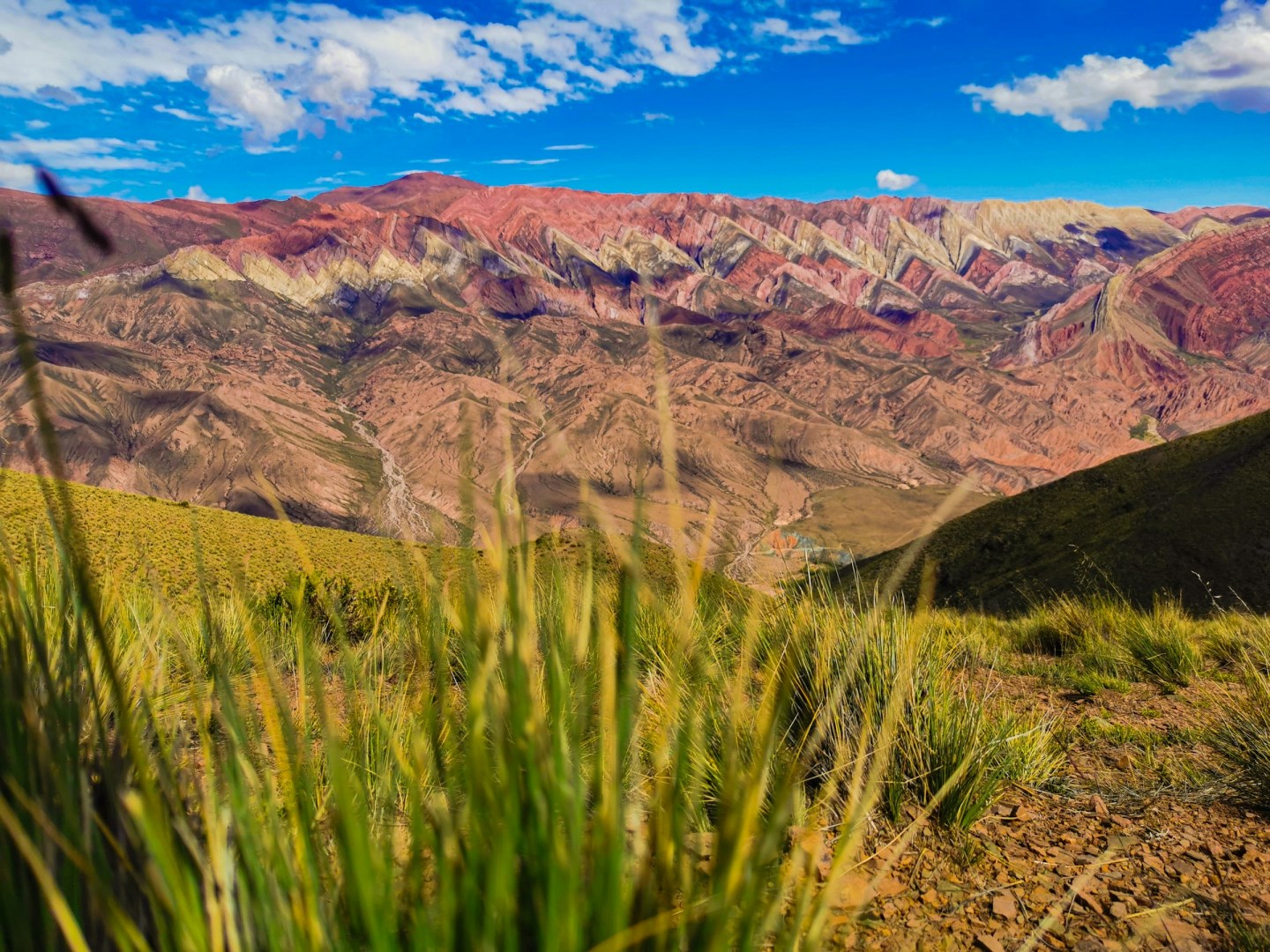
Humahuaca is a small town in northern Argentina’s Jujuy Province, located in the Quebrada de Humahuaca, a long mountain valley shaped by the Río Grande. Its setting among dry, multicolored mountains gives the town a distinct Andean character. Narrow streets, adobe buildings, and traditional plazas reflect the region’s strong connection to Indigenous and colonial heritage. Humahuaca also serves as a cultural and transport center for communities across the surrounding highlands, where agriculture,
Isla Holbox
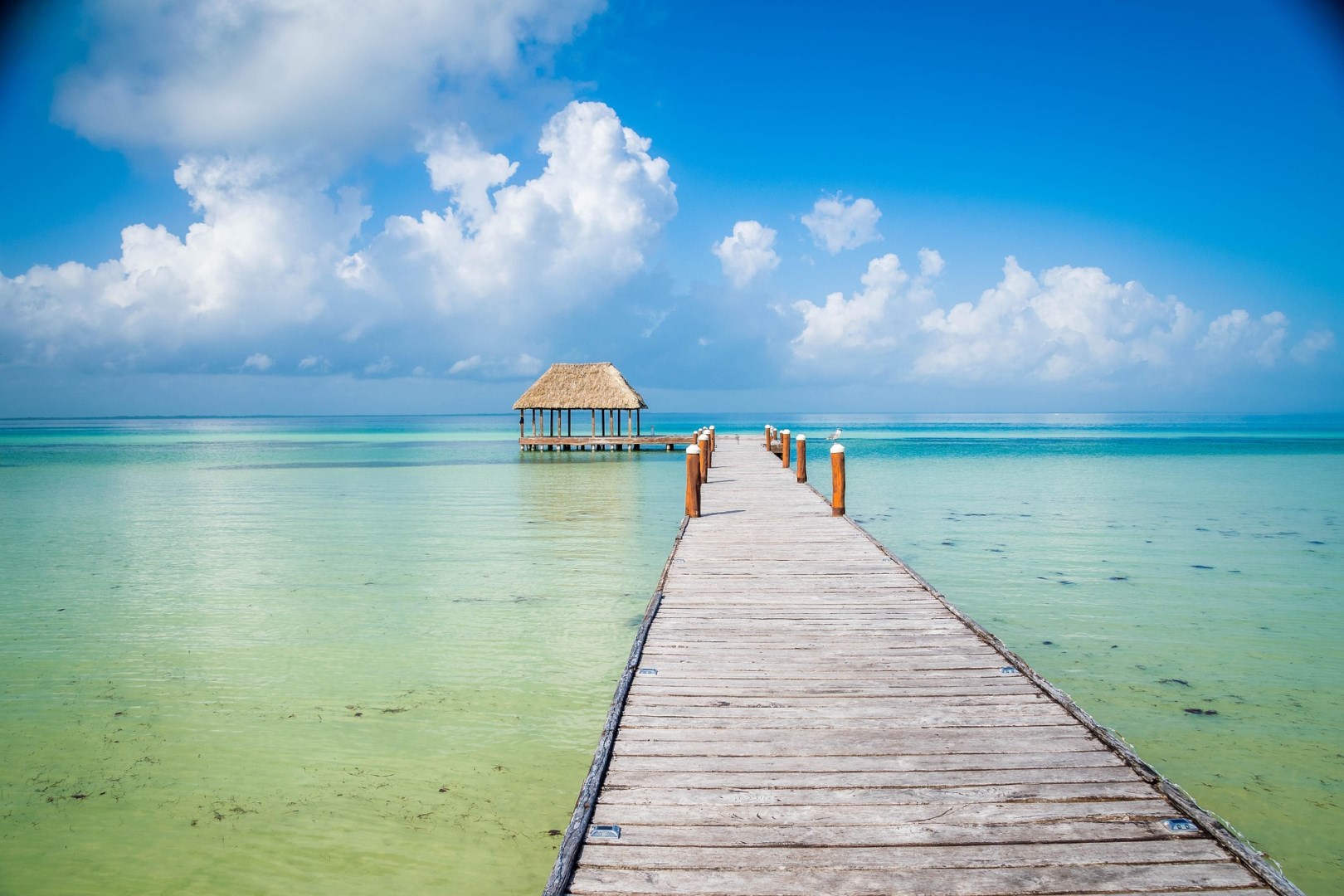
Holbox is known for sandy streets, laid-back beach bars, and calm turquoise water. It is a place where shoes are optional and bikes are the preferred way to roam. Perfect for travelers who want to unwind and slow everything down.
Westport
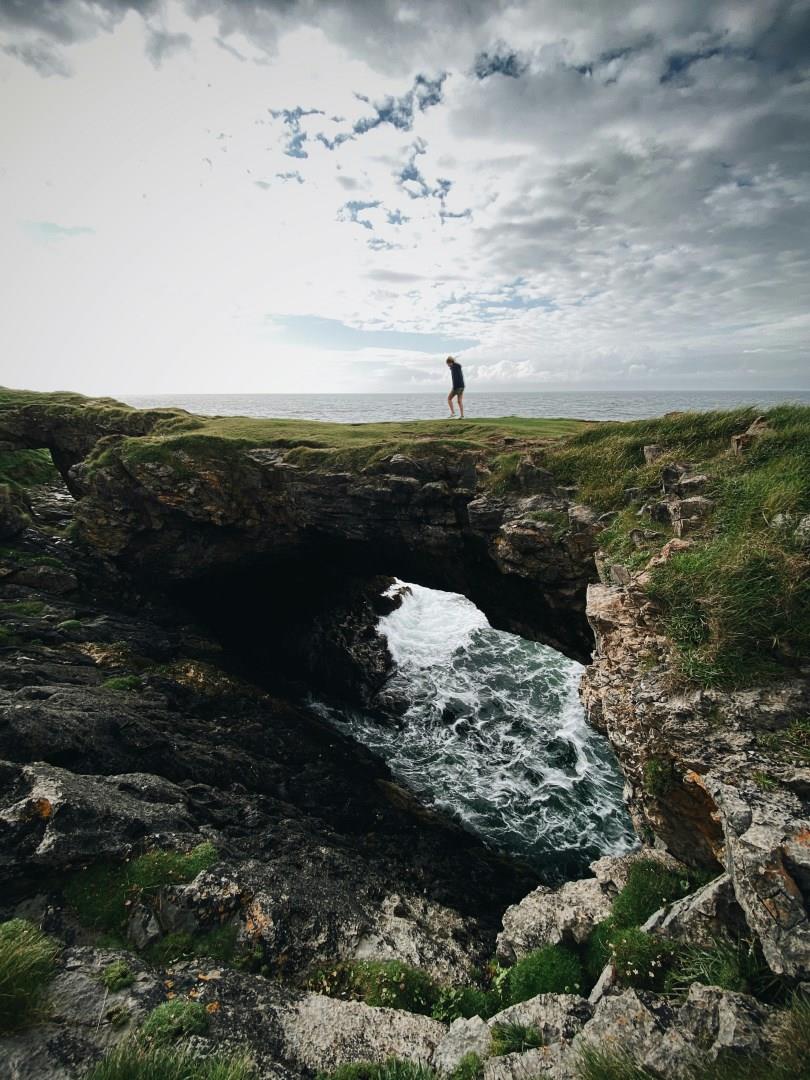
Westport, located on Ireland’s west coast in County Mayo, is a charming town renowned for its picturesque streets, lively cultural scene, and proximity to some of Ireland’s most scenic landscapes.

Namib Desert
The Namib Desert, one of the world’s oldest deserts, stretches along the western coast of Namibia, offering a landscape of stunning, otherworldly beauty. The name “Namib” means "vast place," and fittingly so, as this desert spans over 2,000 kilometers and includes some of the tallest sand dunes on Earth, such as those found in Sossusvlei.
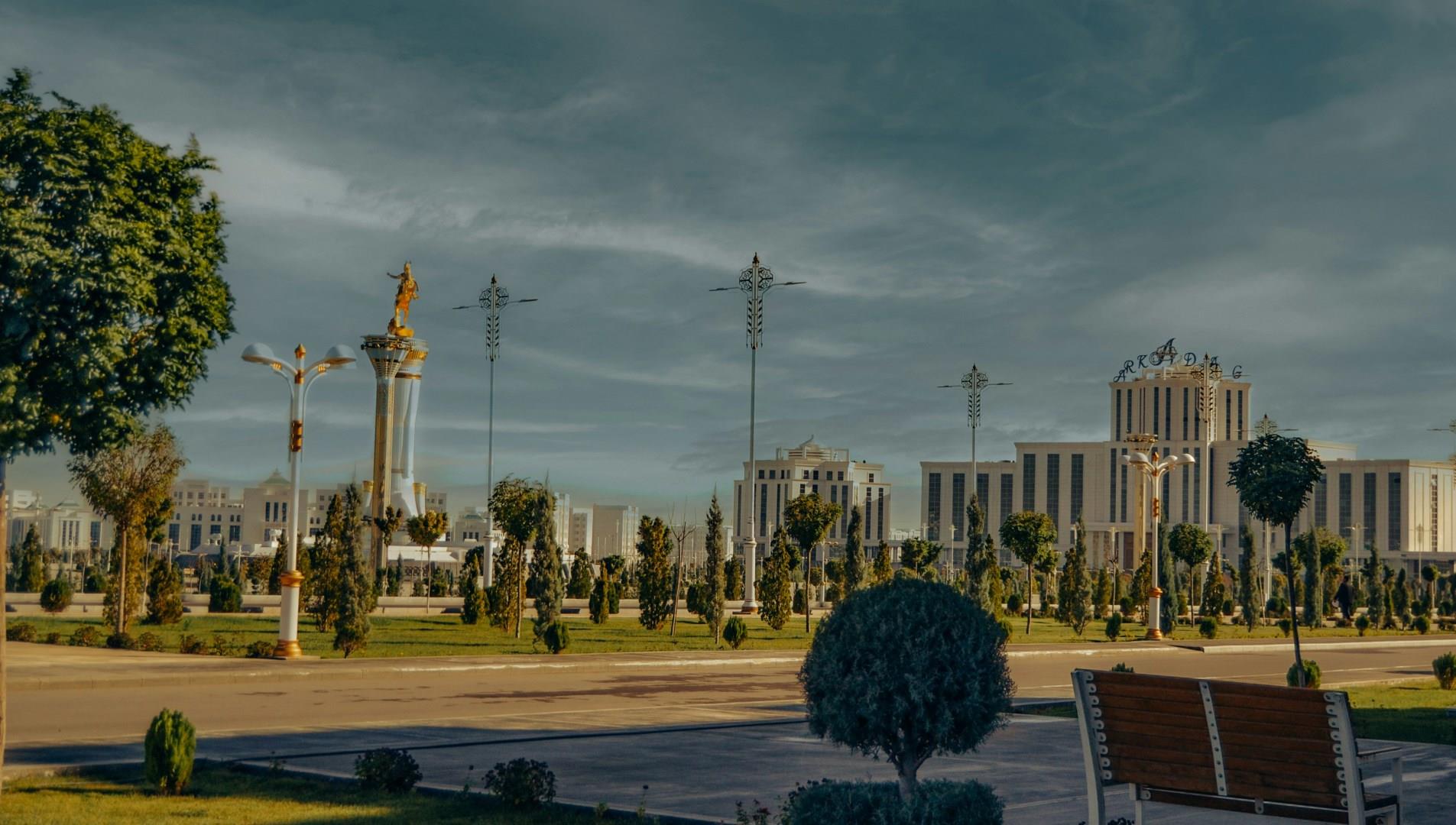
Turkmenistan
Turkmenistan is a land of striking contrasts, where vast deserts meet ancient Silk Road history. The country is dominated by the Karakum Desert, an expanse of sand and scrub that covers most of its territory, yet it is also home to oases where cities flourished as trading posts for caravans journeying between Persia, China, and beyond.