Raiatea
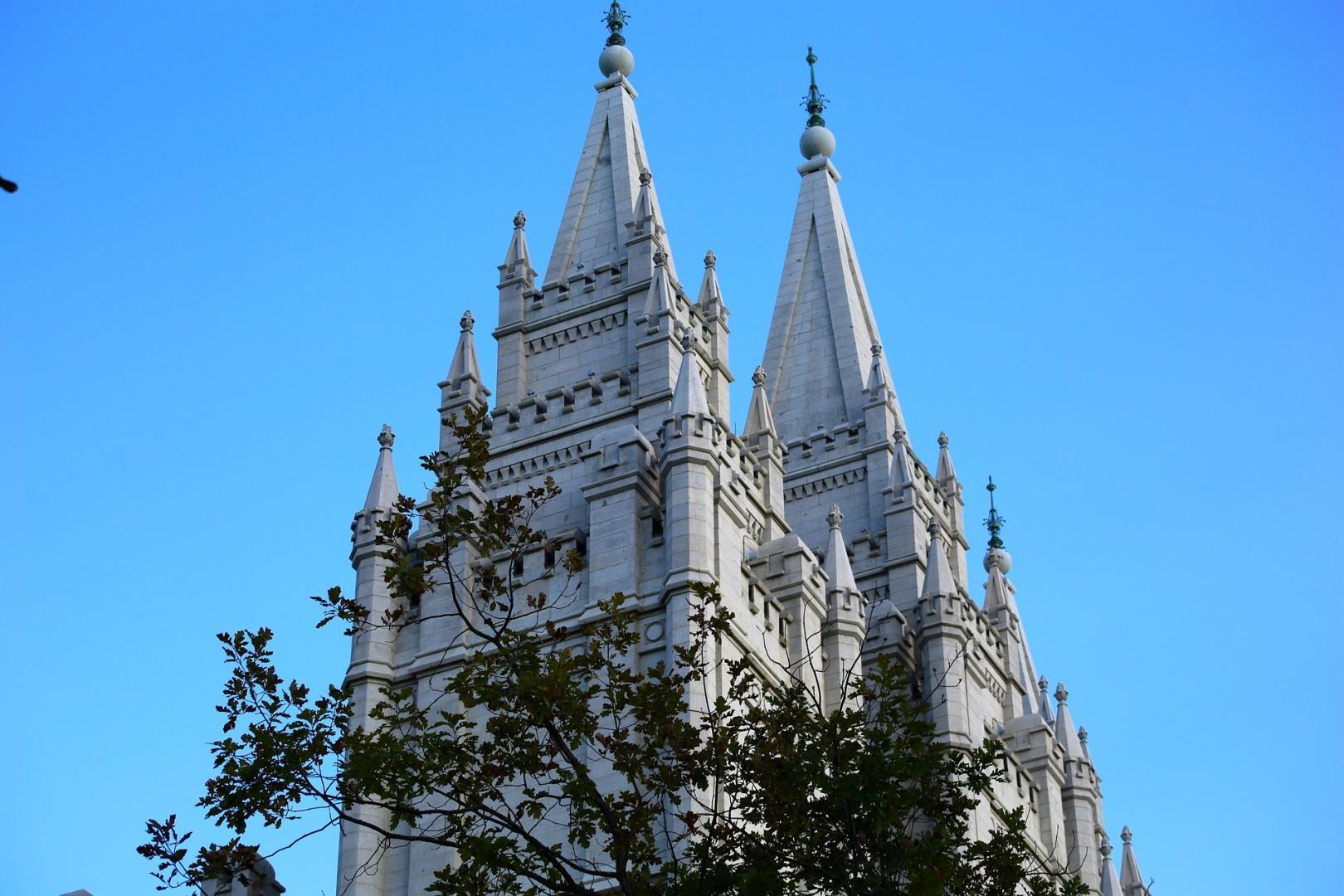
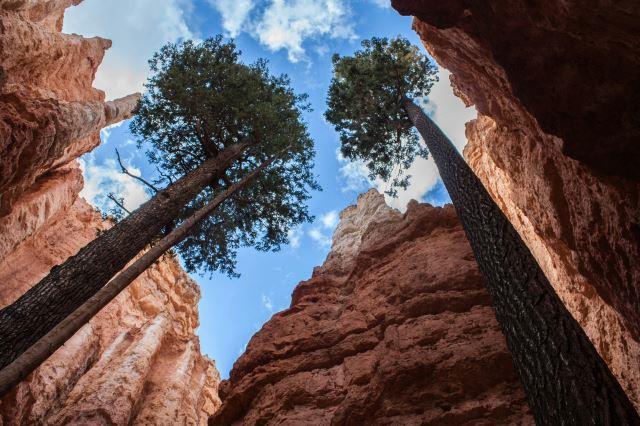
Raiatea's laid-back atmosphere and warm hospitality make it a wonderful place to unwind and soak in the peaceful rhythms of Polynesian life.
Toledo
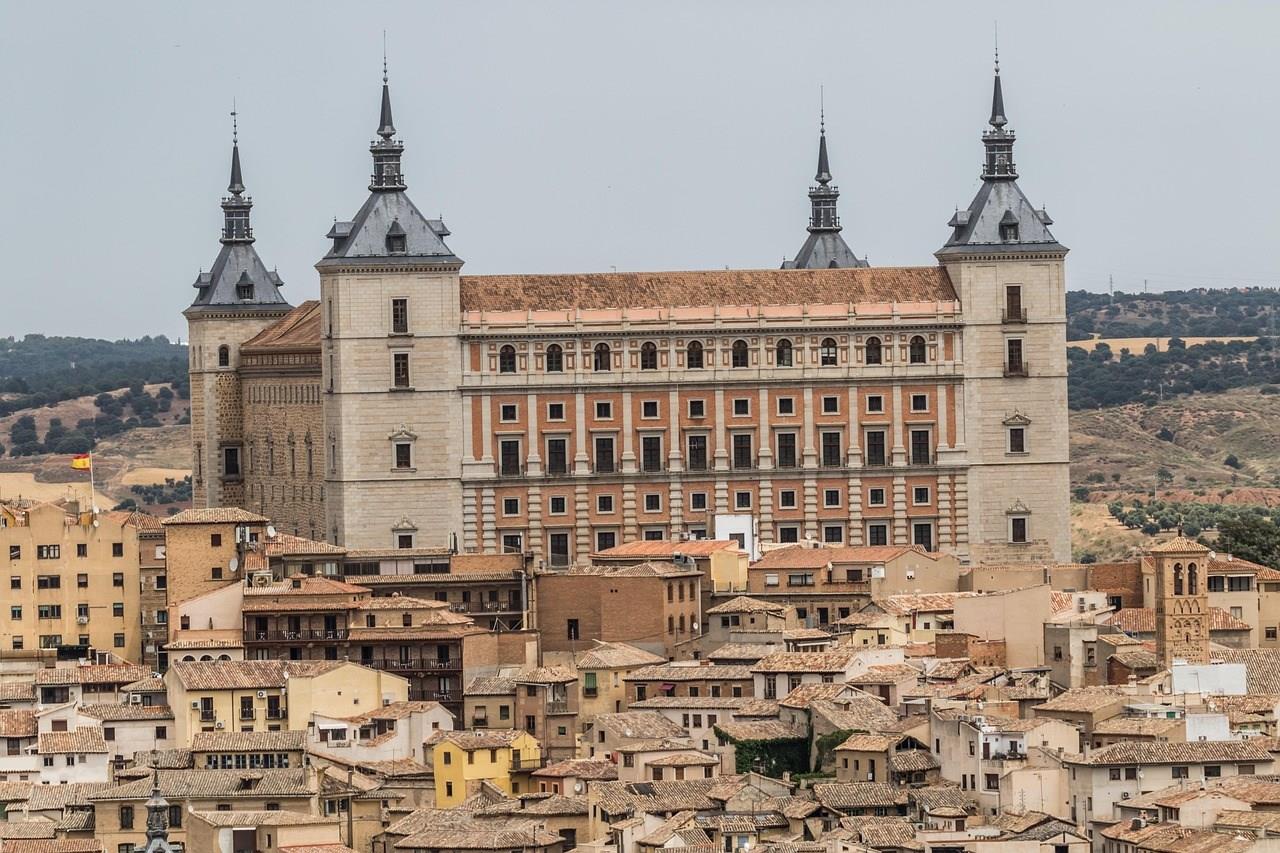
Toledo, high above the Tagus River in central Spain, is a city where layers of history are visible around every corner. For centuries it was an important Roman settlement, a Visigothic capital, and later a stronghold during the medieval Christian reconquest, before becoming the seat of royal power and a crossroads of cultures. Because of this long span of stories and architectural richness, the whole old town has been recognized as a UNESCO World Heritage Site.
Alentejo
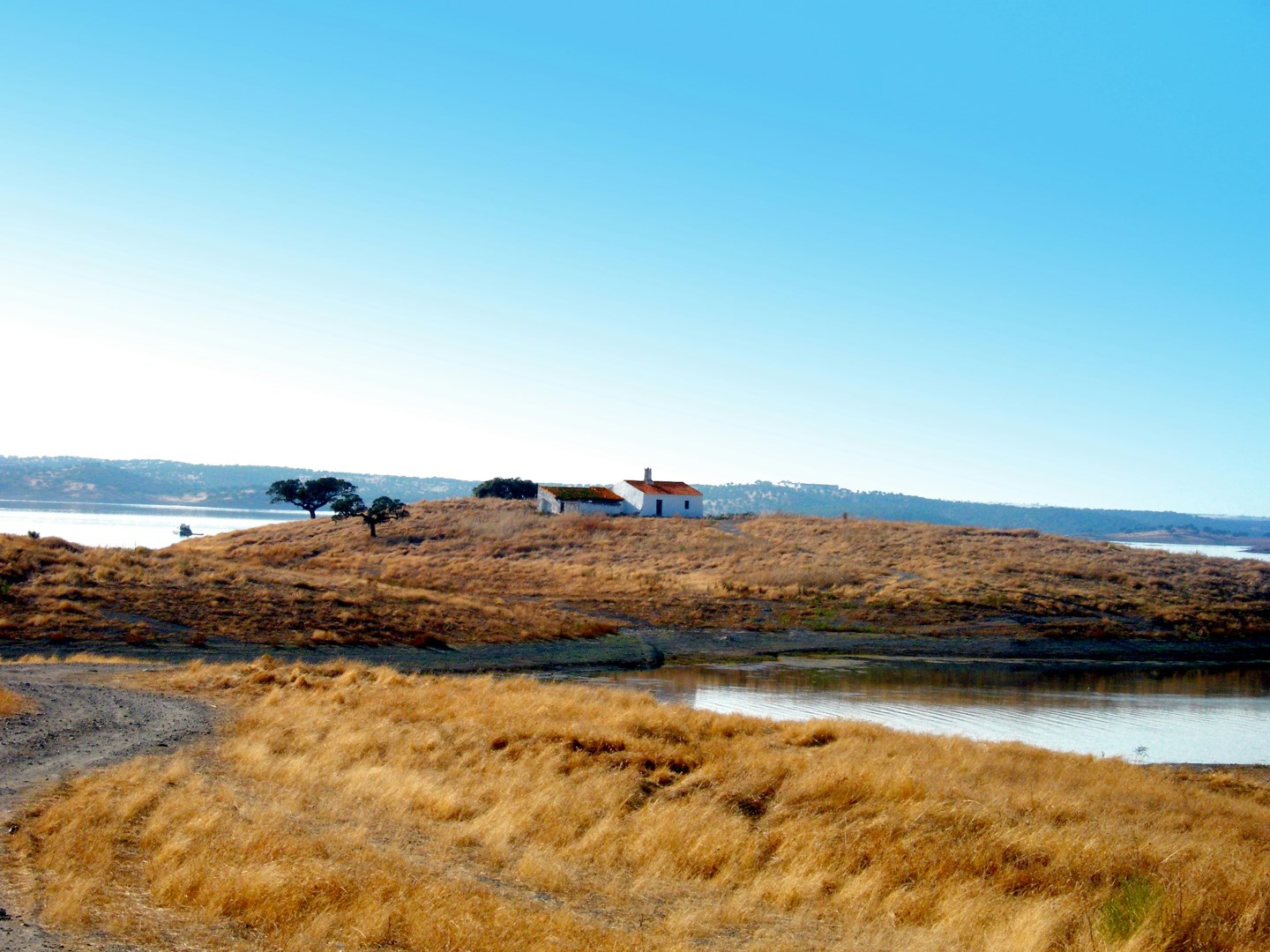
Alentejo is a large region in southern Portugal known for its wide plains, cork oak forests, whitewashed towns, and slower rural pace. Stretching from the Tagus River to the Algarve and from the Atlantic coast to the Spanish border, it covers much of the country’s interior farmland and wine-producing territory.
Houghton
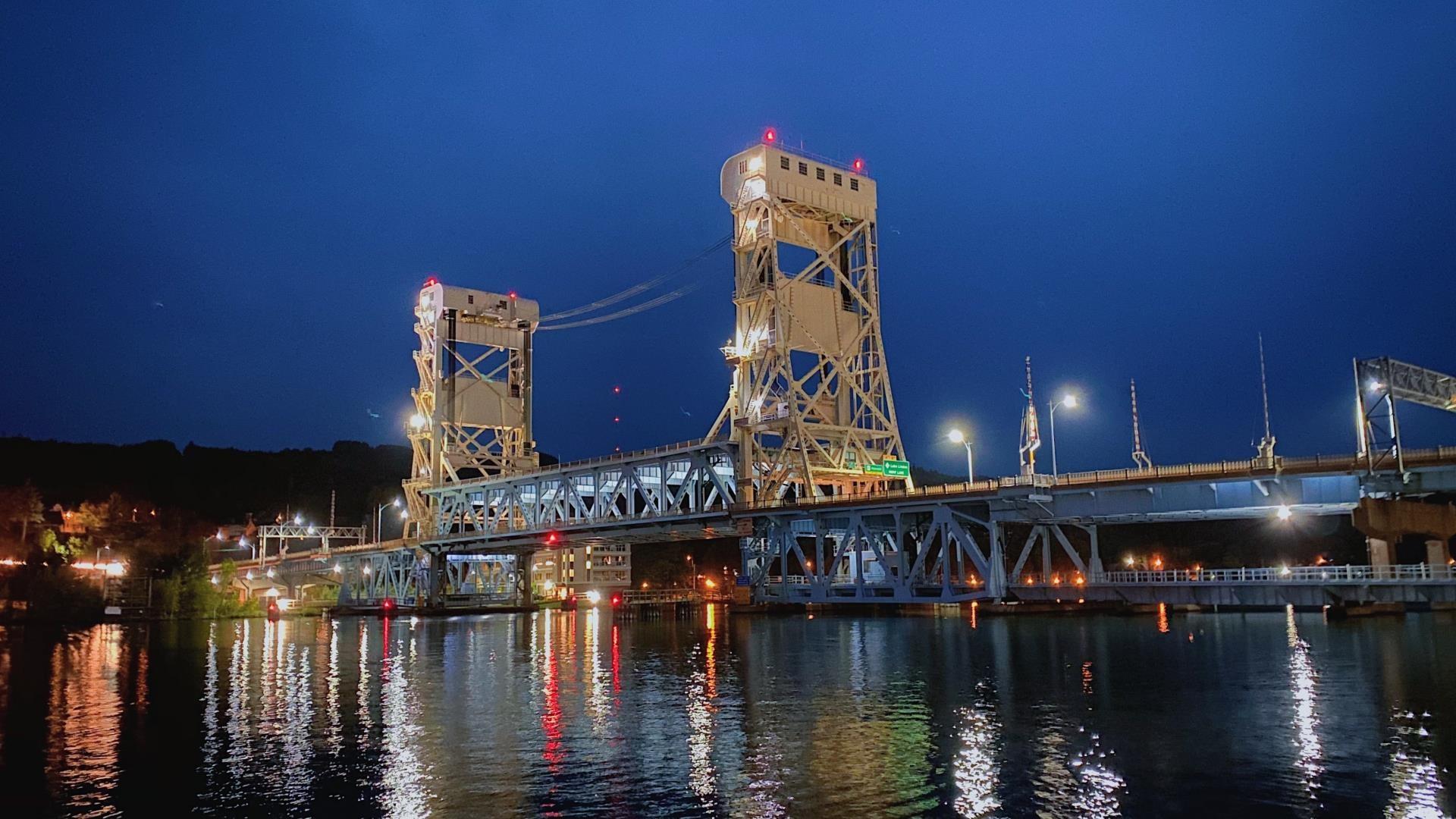
The city of Houghton sits on Keweenaw Peninsula in the heart of Michigan's Copper Country and provides direct access to the beauty of Lake Superior. You'll find plenty to do and see in this charming city, from an abundance of winter sports, to nature trails and parks, to the fascinating A.E. Seaman Mineral Museum, located on the Michigan Technological University campus.
Yellow Waters Lagoon
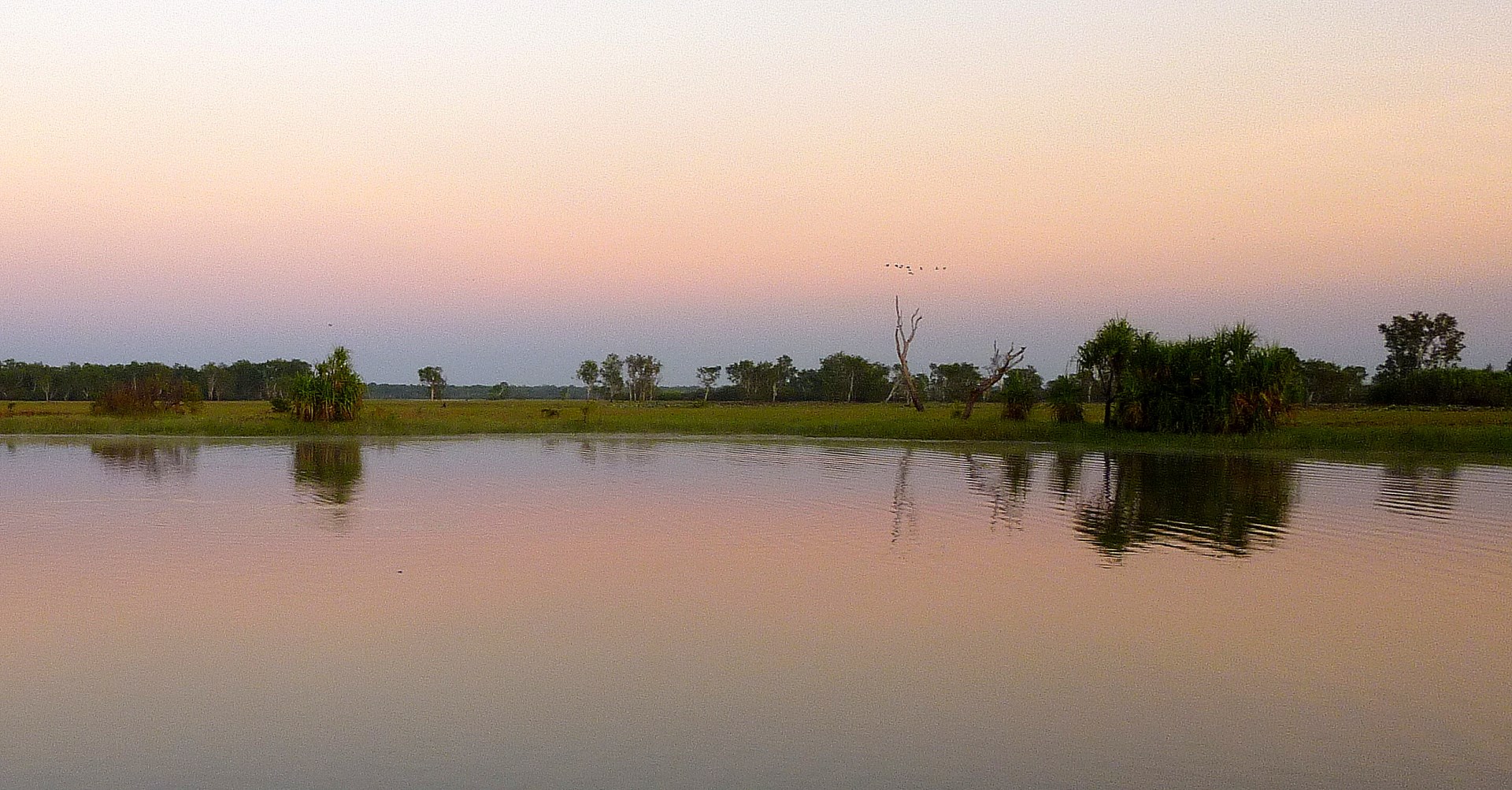
Explore a remarkable Kakadu wetland filled with crocodiles, waterbirds, waterlilies and spectacular scenery that changes with the seasons.