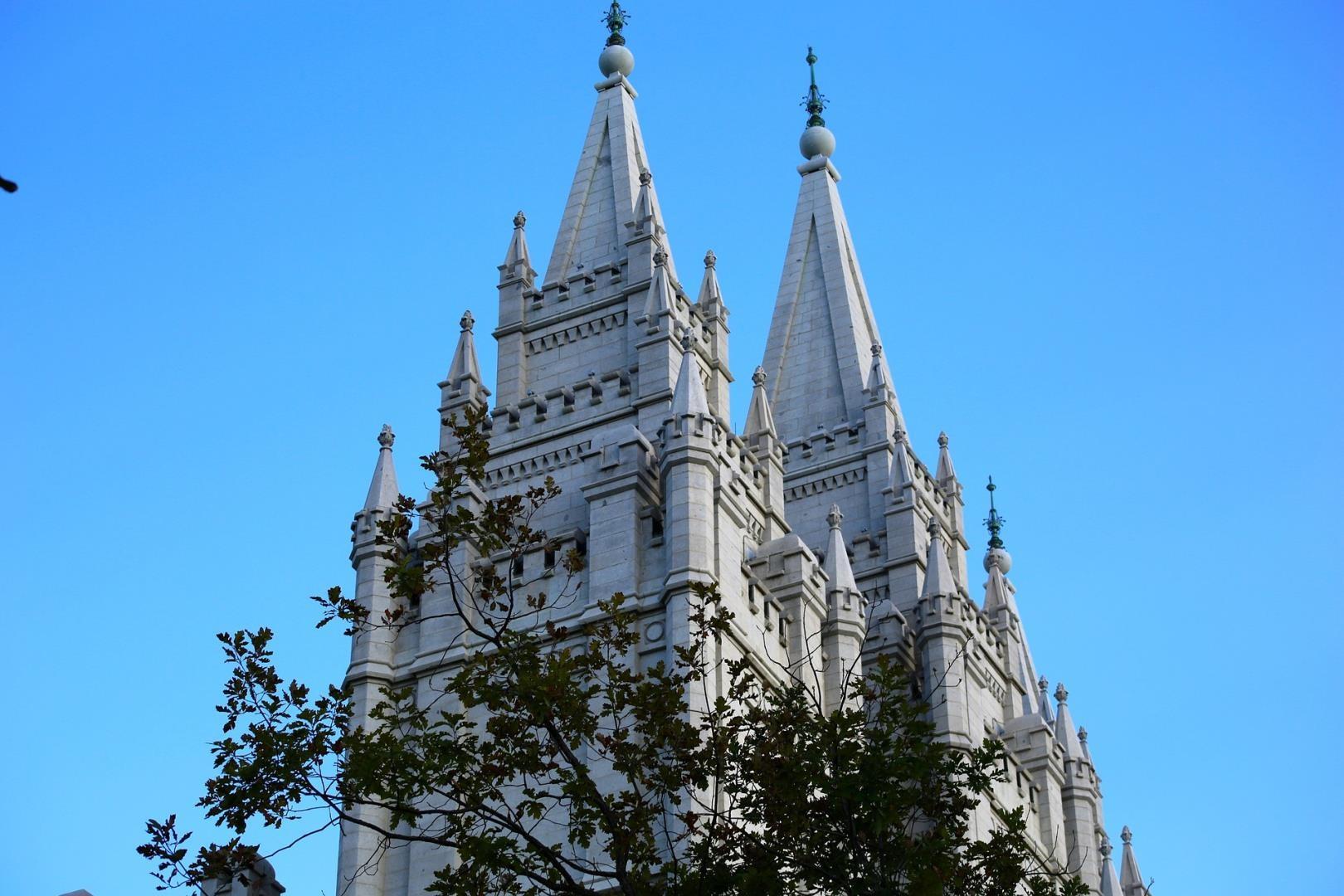
Odense
At the very heart of Denmark lies Odense, birthplace of Hans Christian Andersen and Denmark's third-largest city - the fairy-tale capital of Funen, home to 200,000 people and with a history stretching back over 1000 years.

Table Mountain
Table Mountain, the iconic flat-topped mountain overlooking Cape Town, South Africa, is a must-visit destination for nature enthusiasts and adventure seekers. Dominating the skyline, this majestic peak is part of the Table Mountain National Park, a UNESCO World Heritage Site known for its diverse flora and fauna. The mountain is renowned for its panoramic views of Cape Town, the Atlantic Ocean, and the surrounding landscapes.
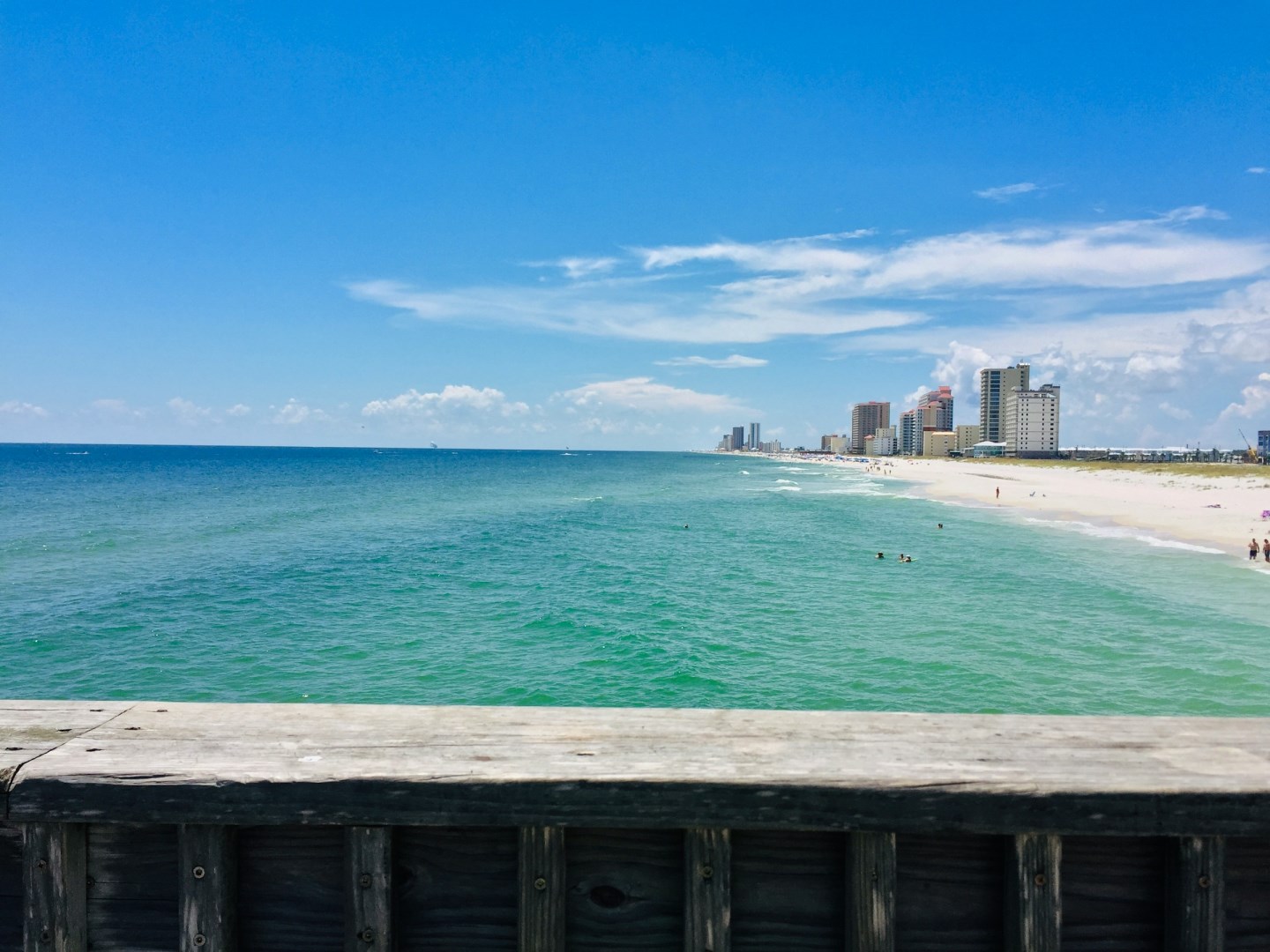
Gulf Shores
Gulf Shores is a coastal city in southern Alabama, positioned along the Gulf of Mexico and the Intracoastal Waterway. It is known for its broad white-sand beaches, coastal dunes, maritime forests, and access to bays and inland waterways. The city serves as a gateway to Alabama's Gulf Coast, with development concentrated around the beachfront and nearby commercial areas while protected landscapes remain along parts of the shore.
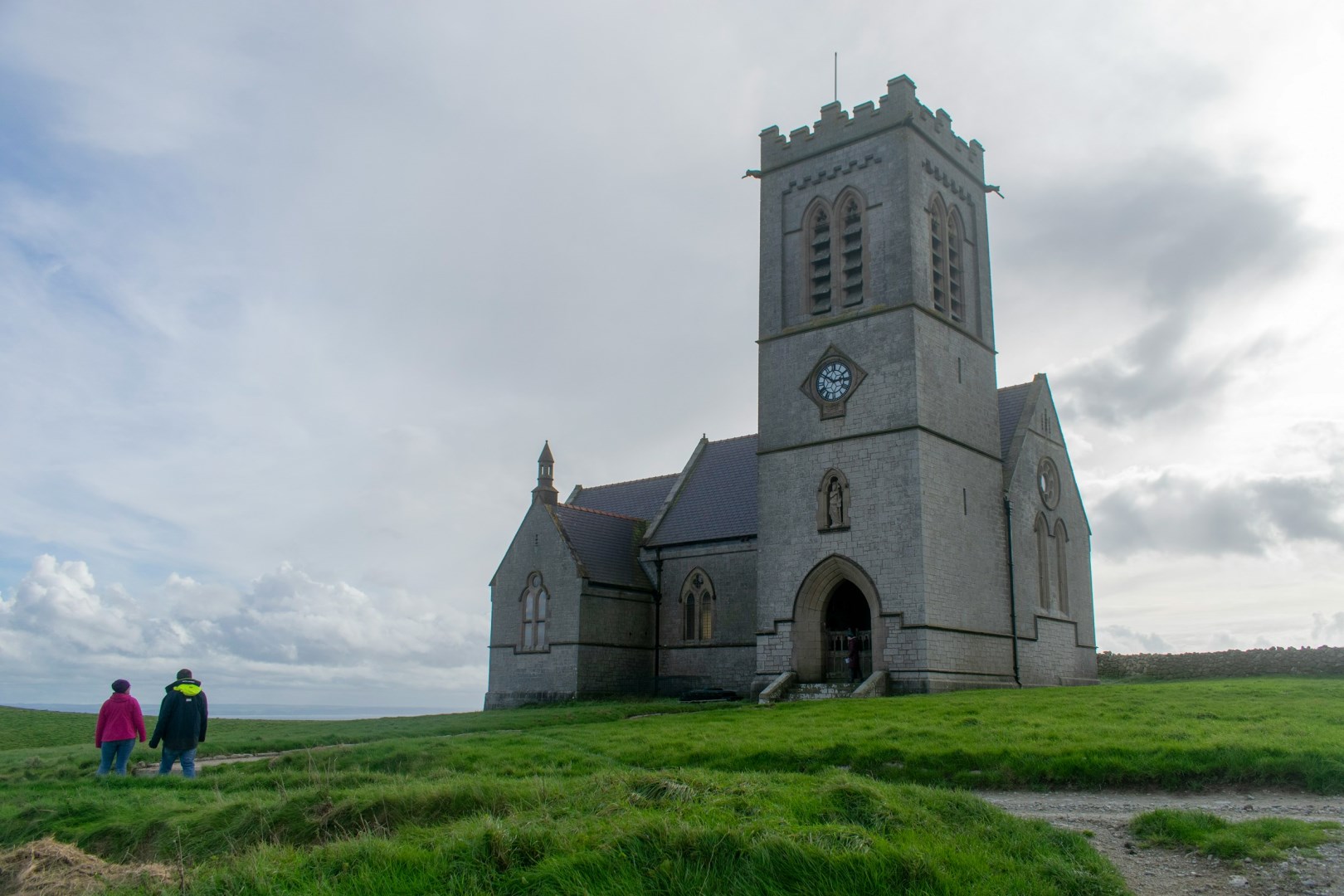
Isle Of Lundy
Lundy is a small granite island in the Bristol Channel, about 12 miles off the coast of North Devon. Roughly three miles long and half a mile wide, it has a rugged western coastline of cliffs and a more sheltered eastern side with grassy slopes and Landing Bay. The island is owned by the National Trust and managed by the Landmark Trust, with a small resident community and no cars.
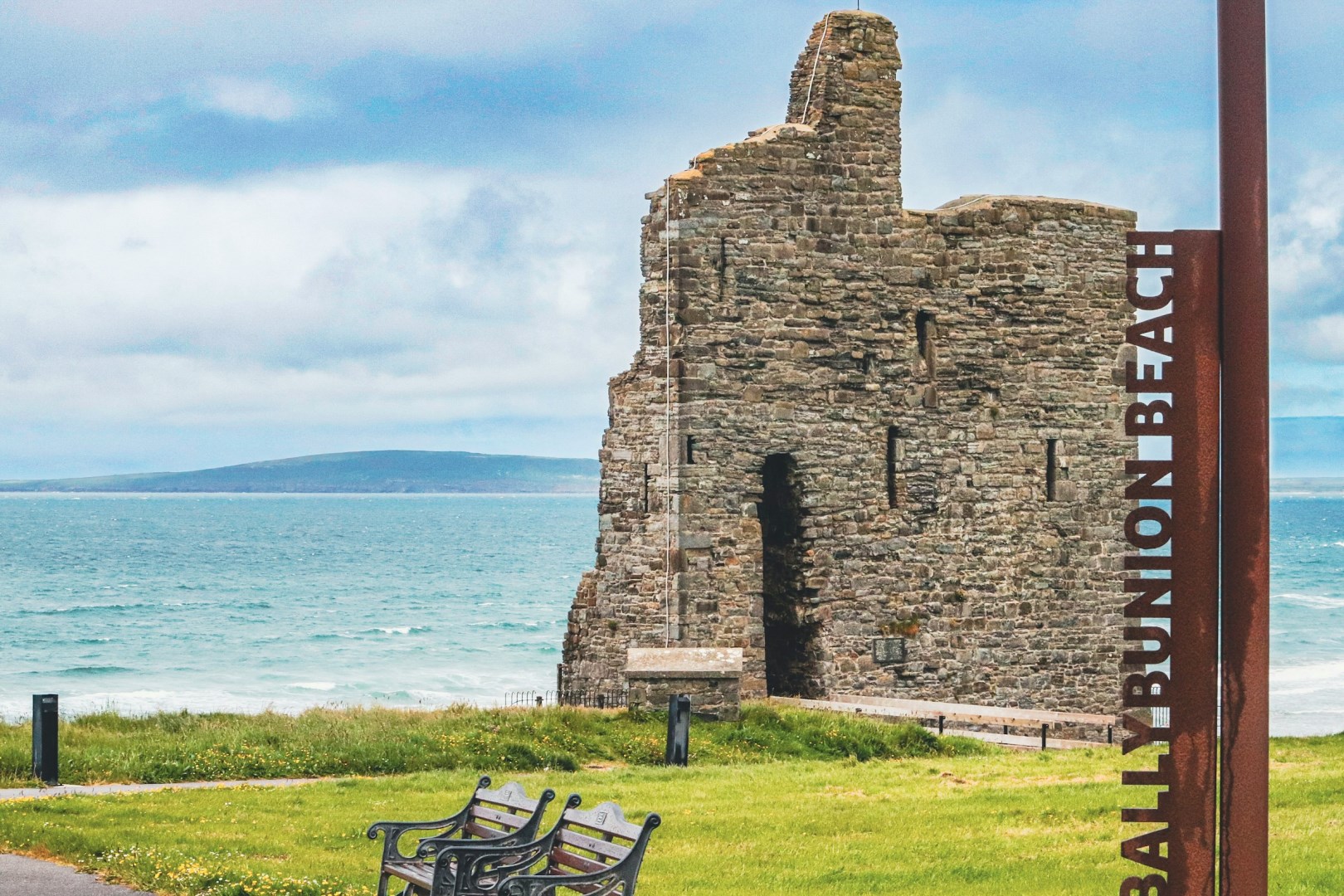
Ballybunion
Ballybunion is a coastal town in County Kerry on Ireland’s southwest coast, overlooking the Atlantic Ocean. It is known for broad sandy beaches, high cliffs, sea caves, and a rocky shoreline shaped by the Atlantic. The town sits beside Ballybunion Beach, with the ruins of Ballybunion Castle standing on a headland above the coast.