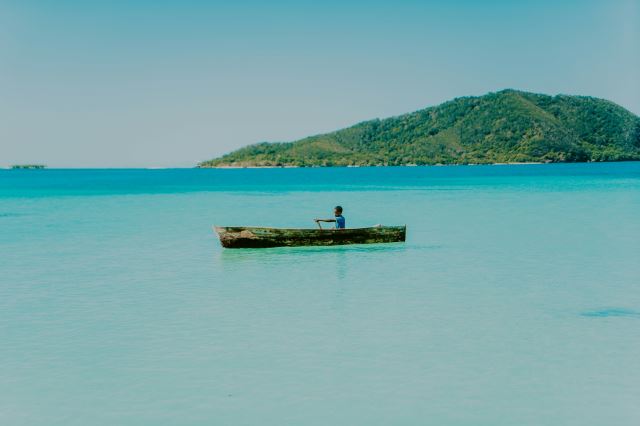
Cagliari Sardinia
Cagliari is Sardinia's capital and largest city. Several civilizations have left their imprint here architecturally and culturally. Must-sees include the Museo Archeologico Nazionale di Cagliari, with its Roman and Byzantine treasures, as well as Castello, a medieval quarter situated on a hill above the city. The city is also known for its food and vibrant nightlife.
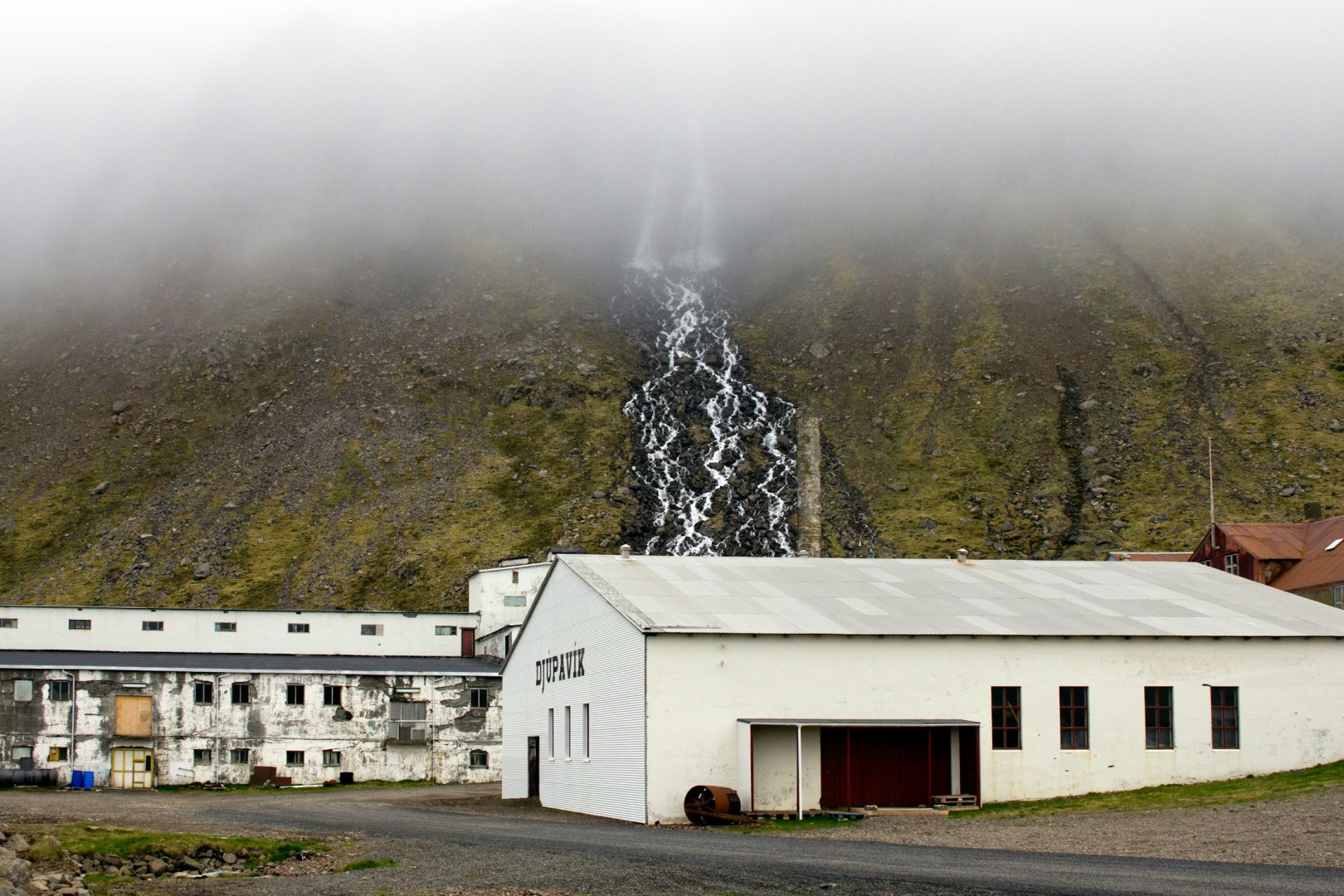
Djúpavík
Djúpavík is a tiny settlement on the shore of Reykjarfjörður in the remote Strandir region of Iceland’s Westfjords. The village is surrounded by steep mountains, a narrow fjord, and largely undeveloped coastal landscapes, with only a handful of buildings clustered beside the water. Its identity is closely tied to the abandoned herring-processing complex that dominates the settlement.
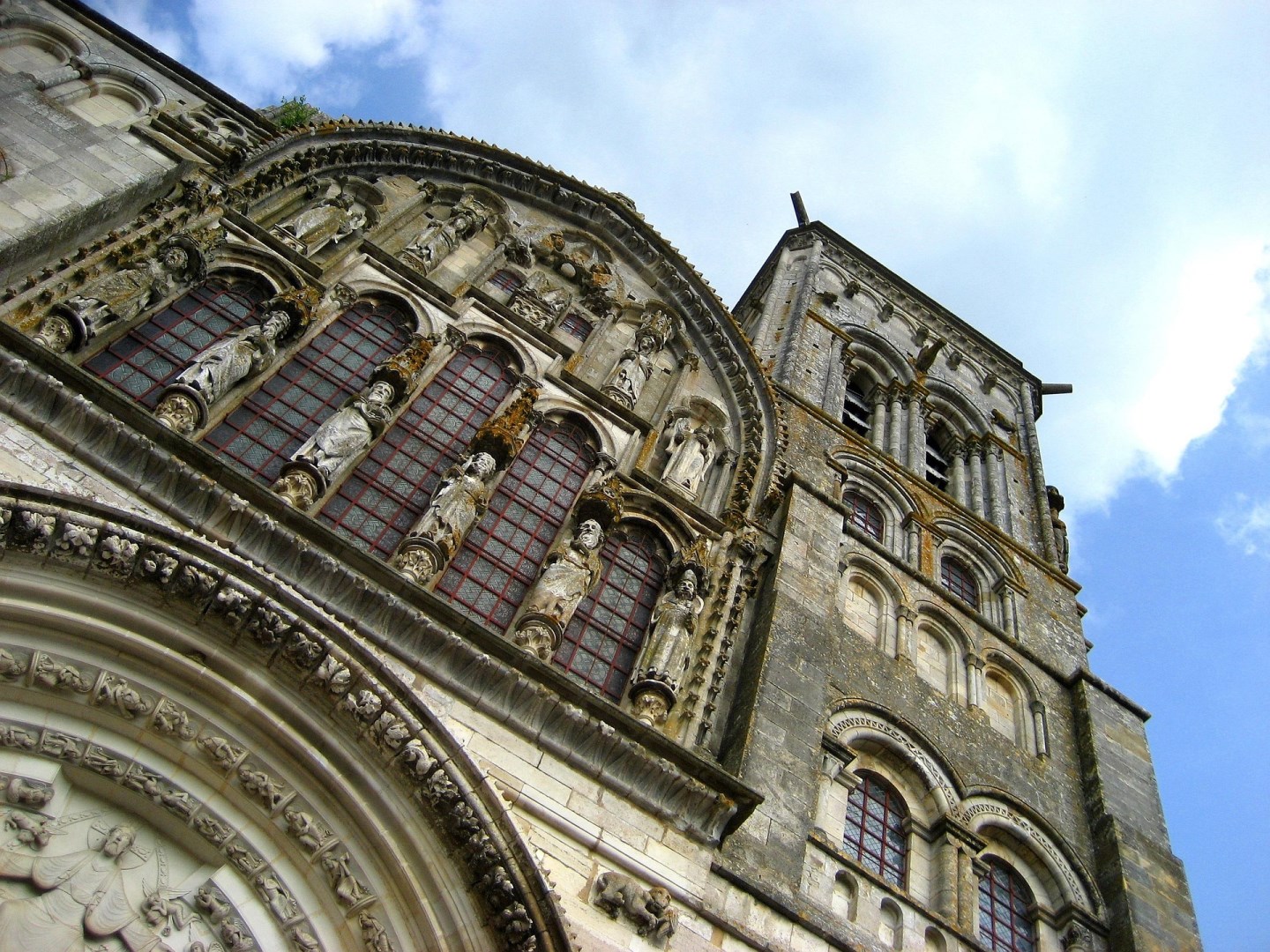
Vézelay
Perched high above Burgundy’s vineyards and fields, Vézelay is defined by its winding stone streets and the great Basilica of Sainte-Marie-Madeleine, a centuries-old destination for Christian pilgrims. Its Romanesque architecture, far-reaching countryside views, and enduring connection to the pilgrimage routes toward Santiago de Compostela give this small hilltop village an unusually rich sense of place.
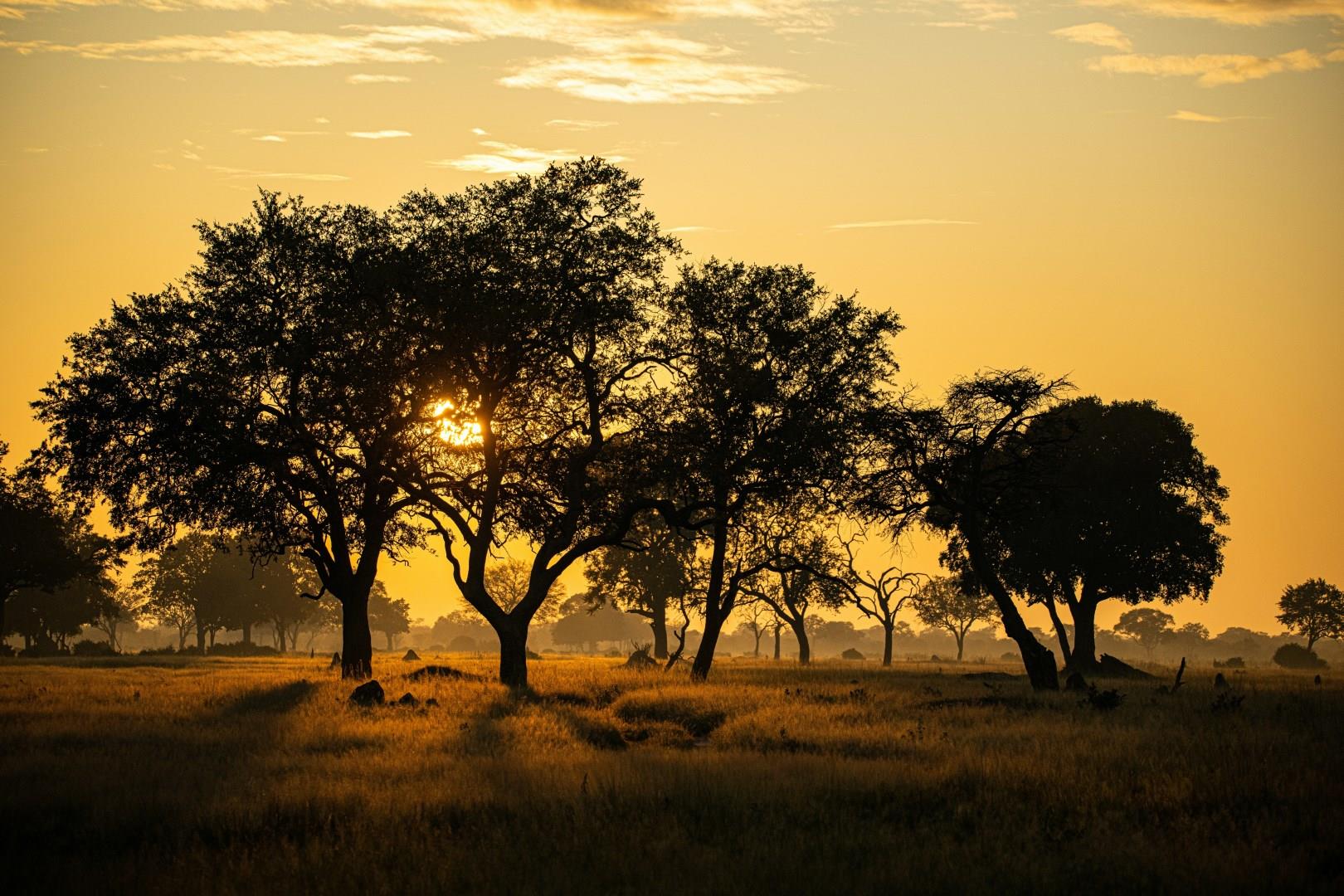
Hwange National Park
Hwange National Park, located in western Zimbabwe, is the country’s largest protected area and one of Africa’s premier wildlife reserves. Covering more than 14,600 square kilometers, it is renowned for its extraordinary diversity of animals and habitats.
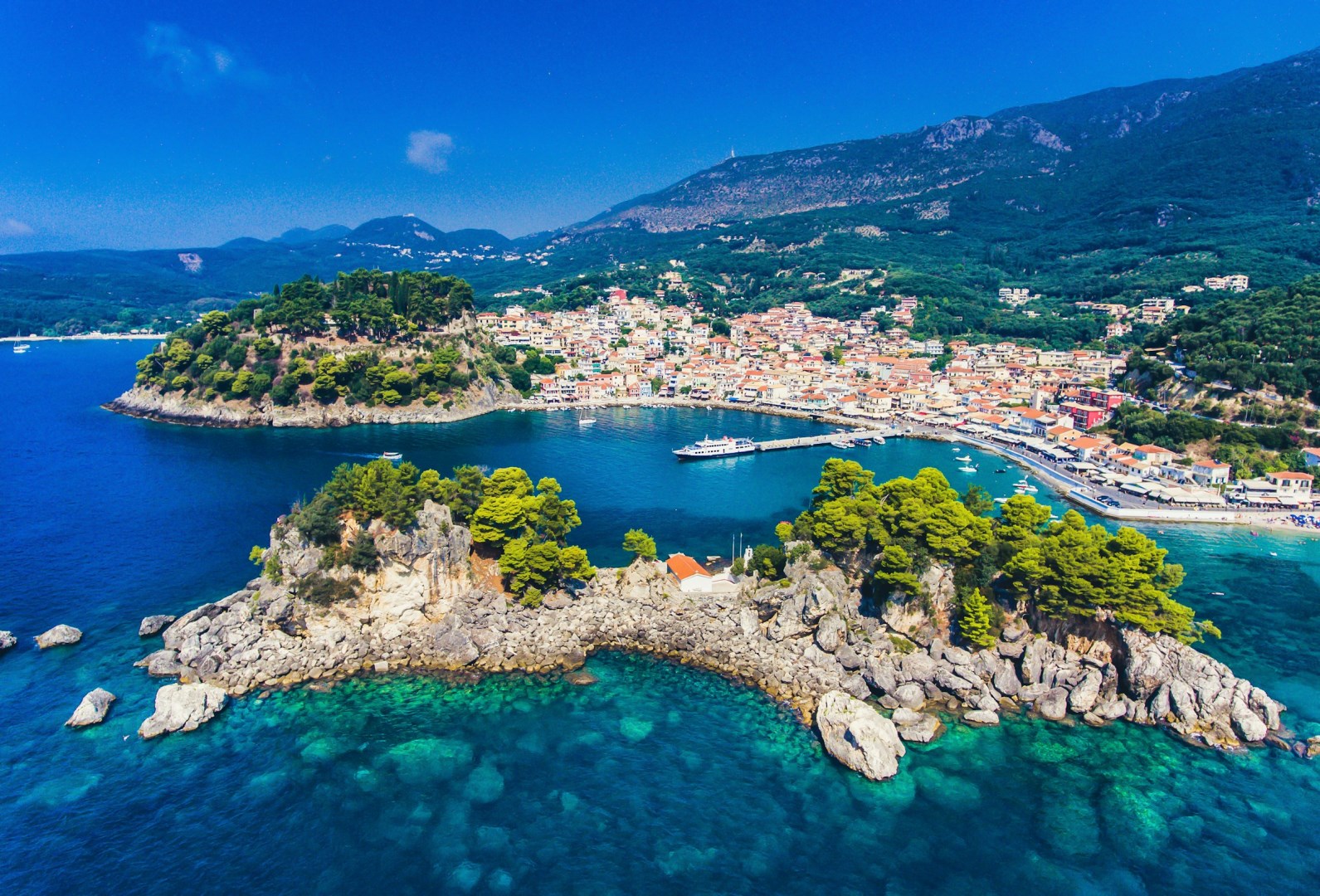
Parga
Parga is a coastal town in Epirus, northwestern Greece, built in an amphitheater around a sheltered bay on the Ionian Sea. Colorful houses rise along the hillside toward the Venetian castle, while the small islet of Panagia sits just offshore with a chapel and the remains of a French fort. The old town is characterized by narrow cobbled lanes, stone arches, and traditional houses, while the waterfront is lined with cafés, tavernas, and small boats.