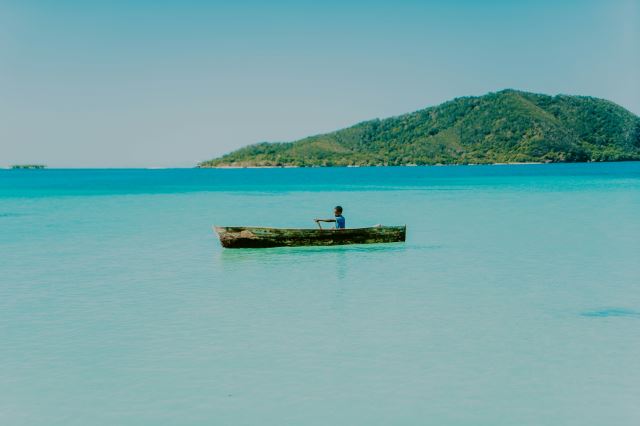
Fiordland National Park
Fiordland National Park, located on the southwestern tip of New Zealand's South Island, is a breathtaking wilderness that captivates visitors with its dramatic landscapes of towering fjords, cascading waterfalls, and lush rainforests. Established in 1952, Fiordland is part of the Te Wahipounamu UNESCO World Heritage site, recognized for its stunning natural beauty and unique biodiversity.

Kangaroo Island
This island is Australia's third largest, only a short flight or ferry trip from the mainland. The abundance of native flora and fauna are unthreatened due to its remoteness. Sea lions basking in the sun and penguins promenading are a spectacle to see. PirKangaroo Island, often described as Australia’s "Galápagos," is a wildlife sanctuary and nature lover's paradise located off the coast of South Australia.
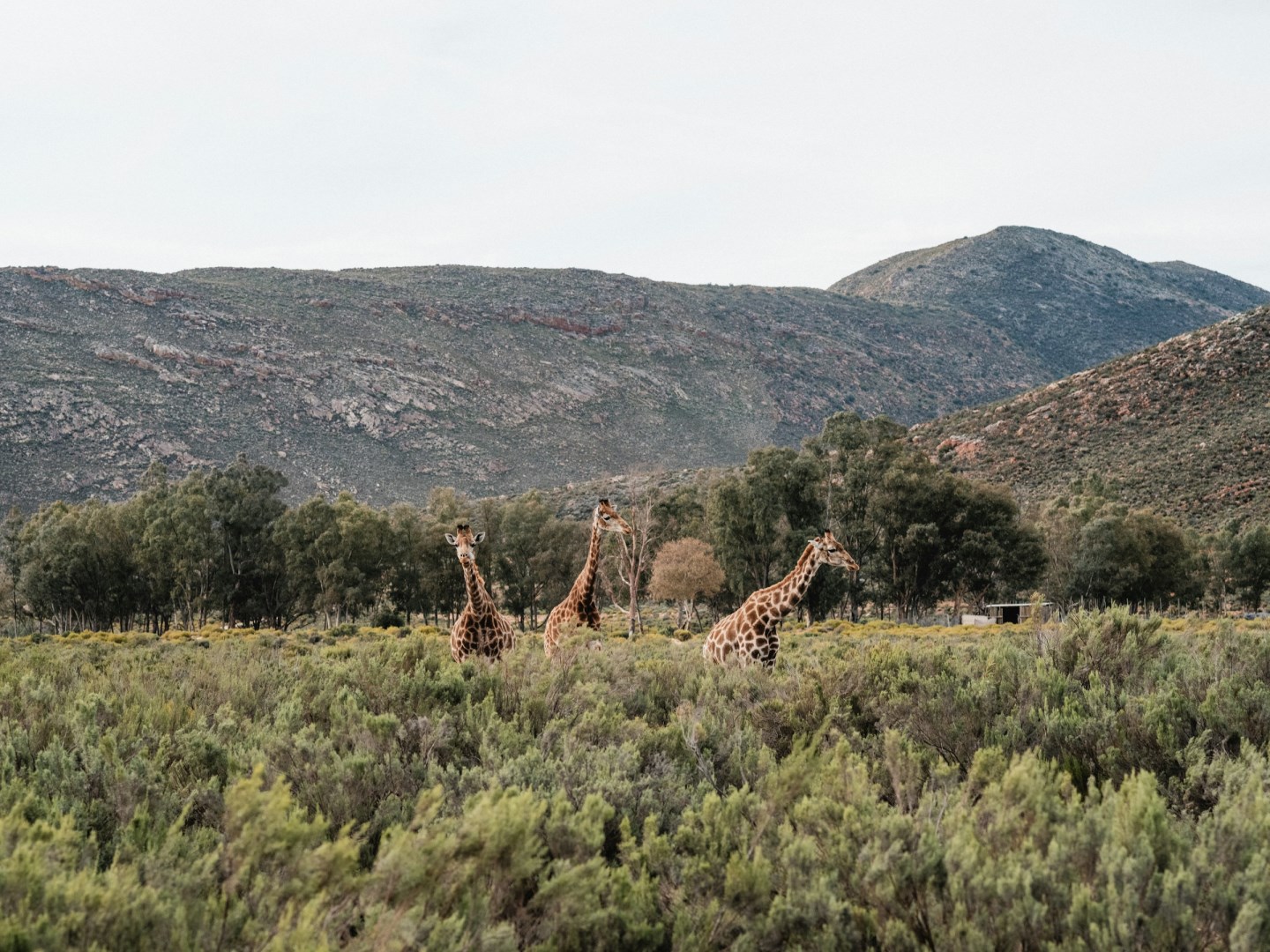
Aquila Private Game Reserve
Aquila Private Game Reserve is a wildlife reserve in South Africa’s Western Cape province, located near Touws River, approximately two hours by road from Cape Town. Set within the semi-arid landscapes of the Karoo, the reserve covers roughly 10,000 hectares of mountains, valleys, open plains and scrubland.
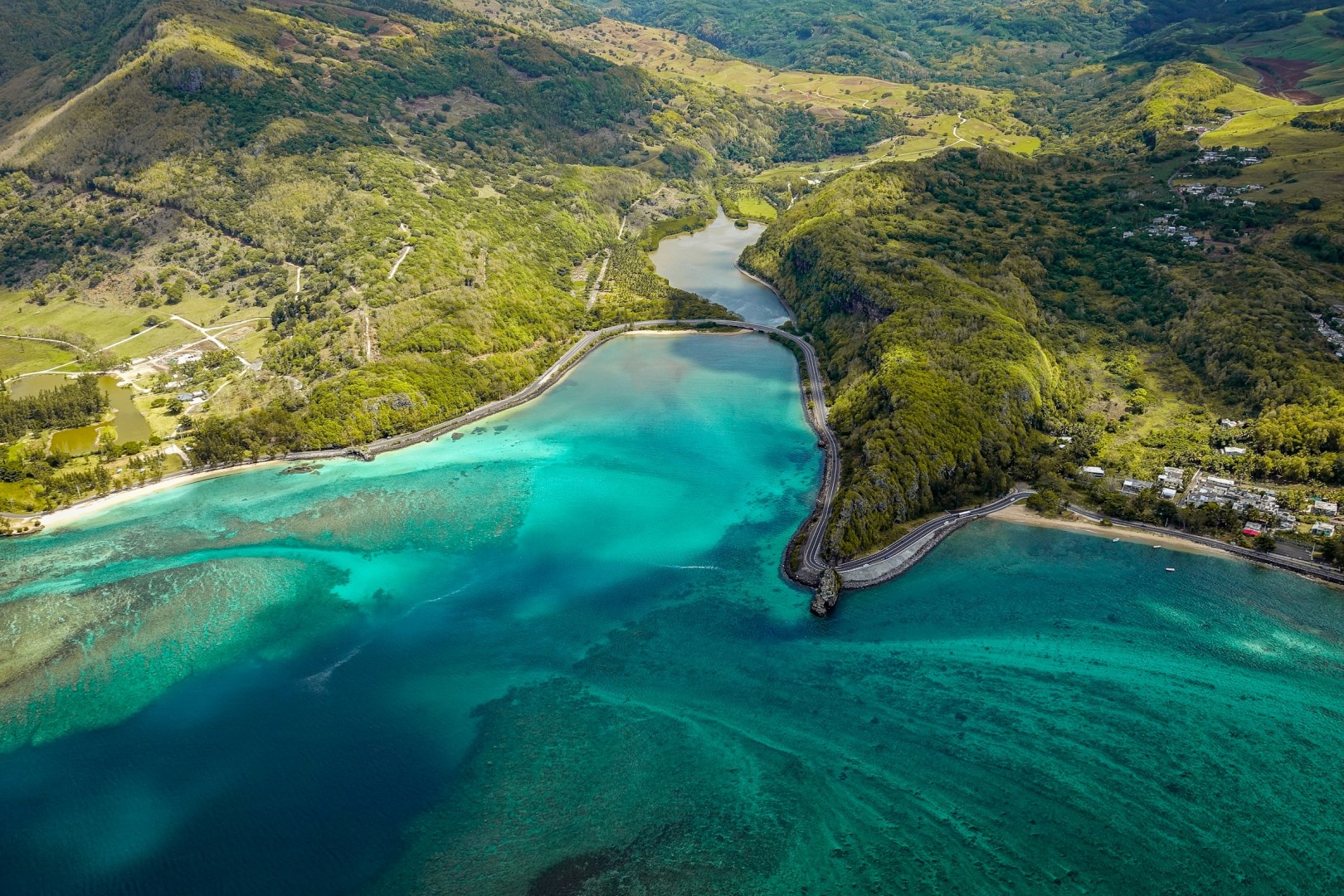
Macondé
Macondé is a small locality in southwestern Mauritius, set on the coastal road between Baie du Cap and Le Morne. It is best known for the dramatic section of road that curves around the base of a dark basalt cliff beside the Indian Ocean.

Tenerife Island
Tenerife is the largest isle of the Canary Islands archipelago. Famous for its black and yellow sand beaches as well as Mt. Teide, the dormant volcano that looms over the island.