Pagat
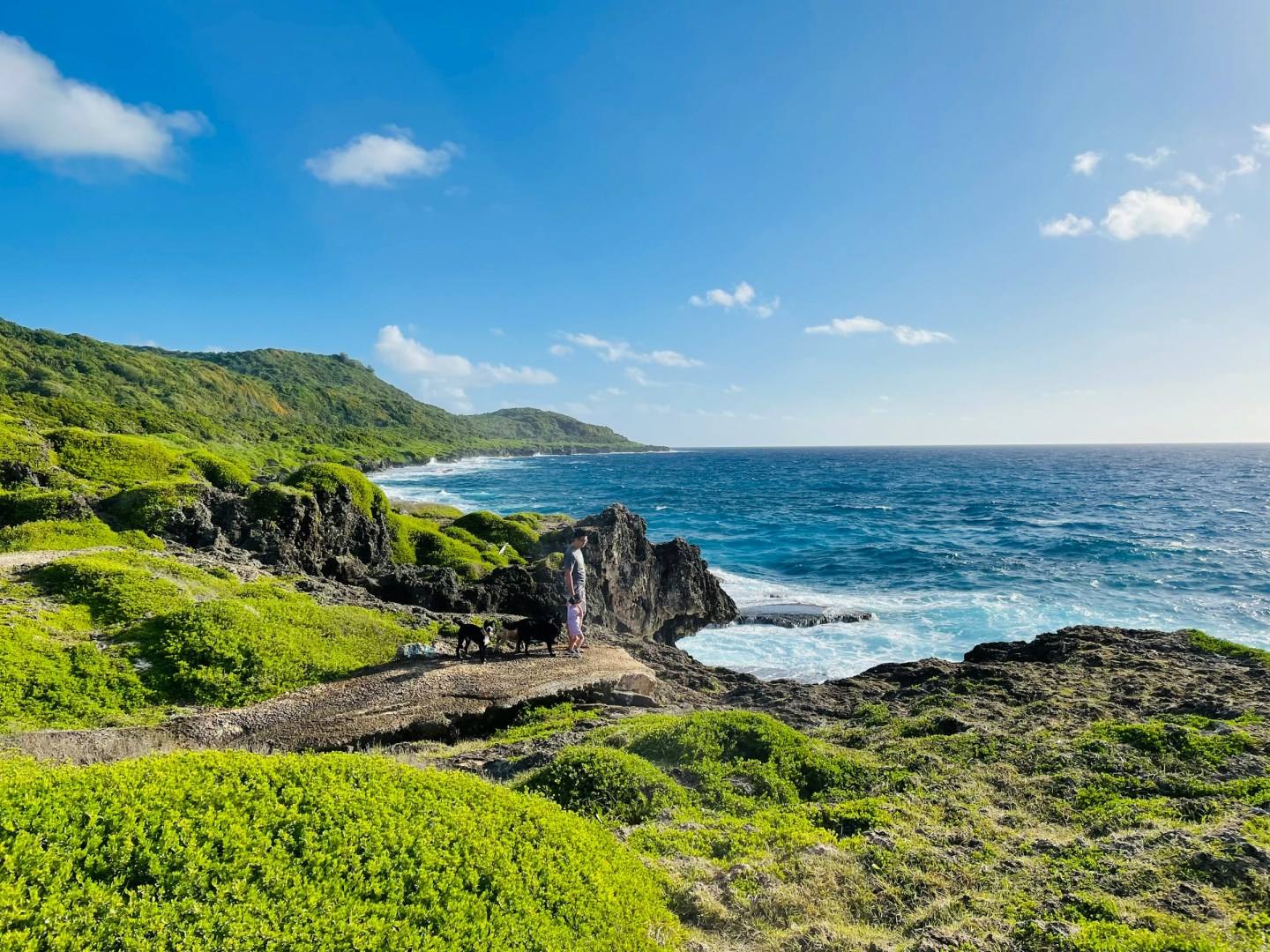
Pagat is a historic village area on Guam's northeastern coast, known for its archaeological remains, limestone cliffs, caves, and coastal trails. The area lies within Guam's rugged northern landscape, where dense vegetation covers limestone terraces above the Pacific Ocean. Pagat is particularly significant because it preserves evidence of ancient CHamoru settlement, including stone structures, pottery fragments, and remnants of traditional village life.
Castellina in Chianti
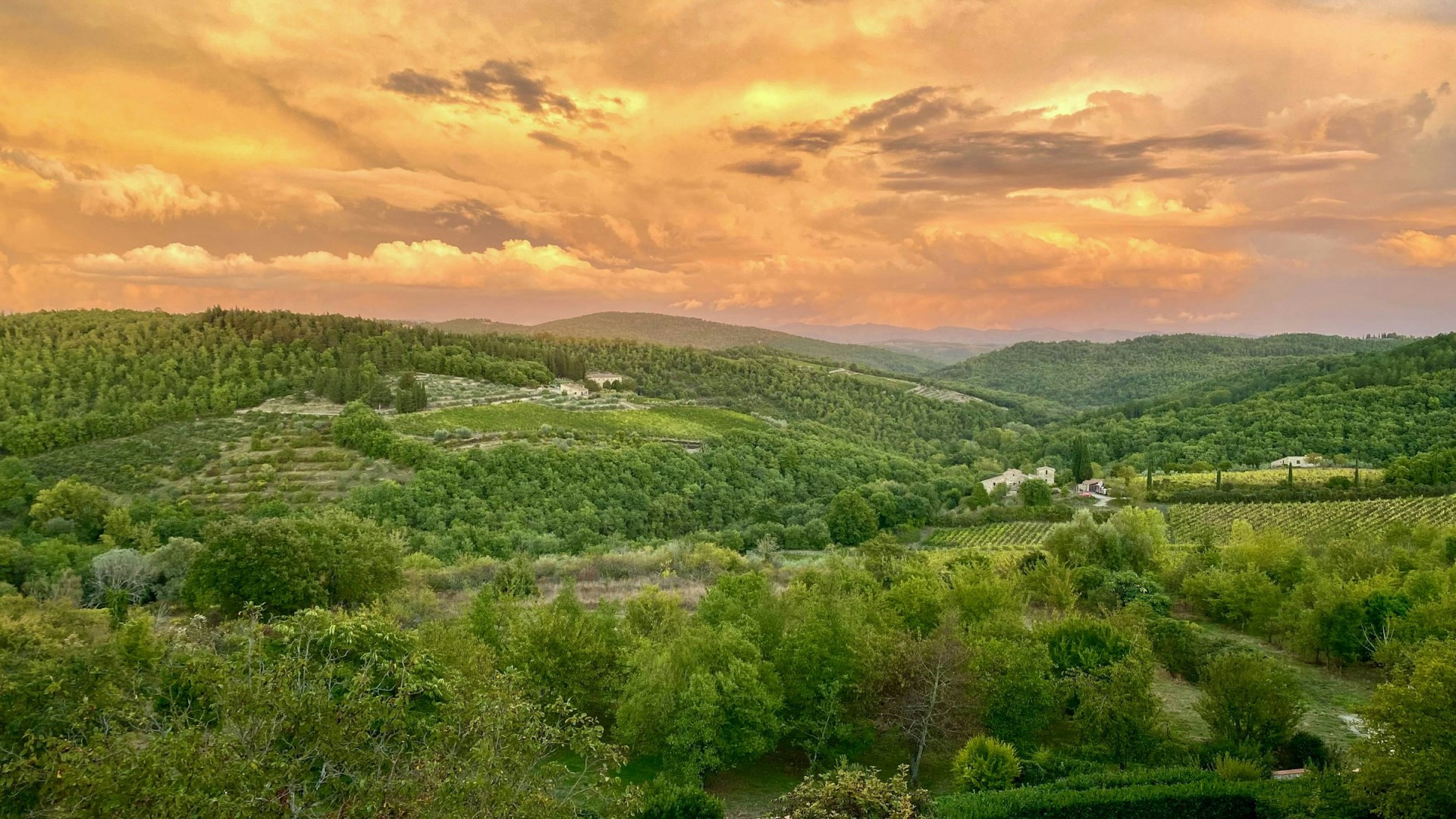
Castellina in Chianti is a hilltop town in Tuscany, set among the vineyards and wooded slopes of the Chianti Classico area between Florence and Siena. Its historic center follows the ridge of a fortified settlement, with stone buildings, narrow streets, and views across the surrounding countryside. The town’s most distinctive structure is the Via delle Volte, a covered passage built into the medieval defensive walls.

Rhodes
Antiquity is everywhere on the island of Rhodes, from its cobbled Old Town to a mighty acropolis presiding high over the town of Lindos. Ancient ruins recall Crusades-era occupation and Ottoman tyranny, but today, a rather magical Aegean lifestyle is predominant. Travelers will enjoy excellent food, picturesque beaches, buzzing nightlife, and snorkeling in clear waters.
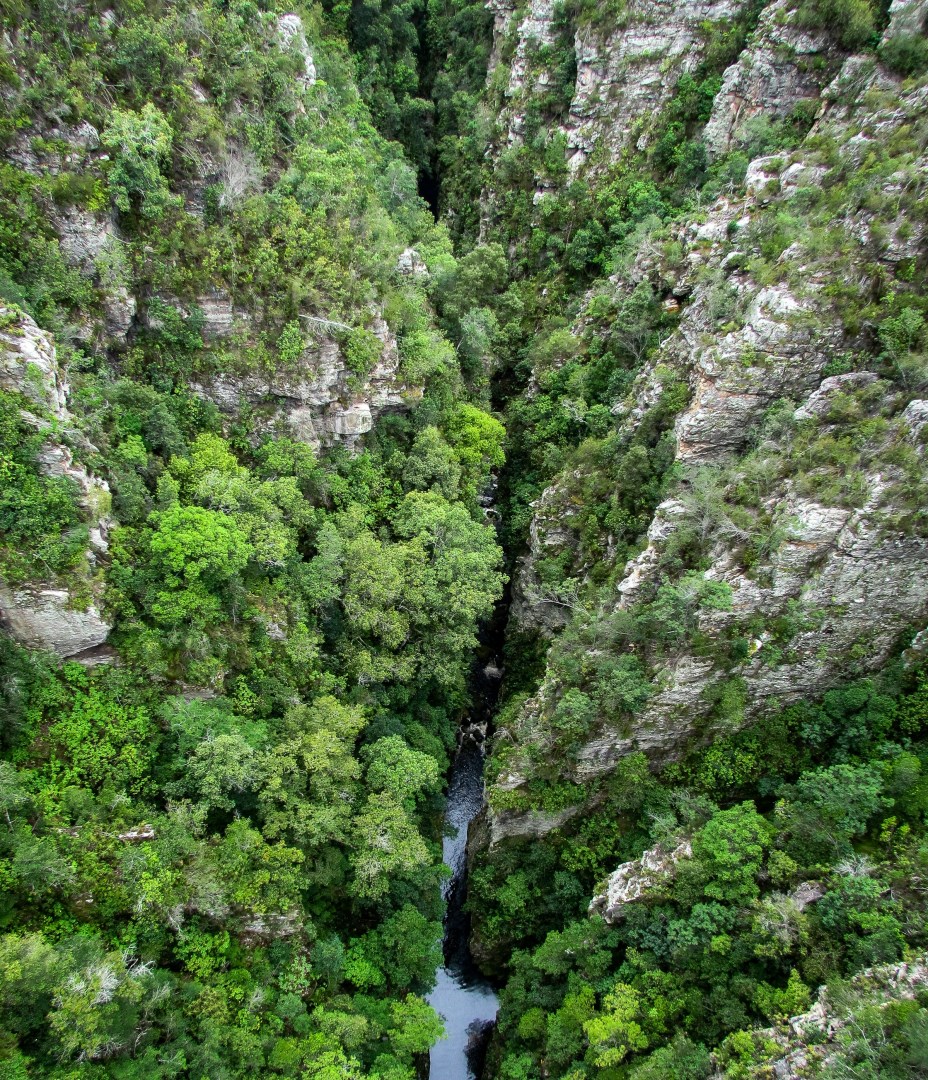
Knysna
A natural paradise of lush indigenous forests, tranquil lakes and golden beaches adorns South Africa's unspoilt southern coast. Nestling on the banks of a shimmering lagoon in the heart of this "Garden Route" is the picturesque town of Knysna. Beaches, lakes, mountains and rivers provide endless opportunity for leisure and outdoor adventure. Within the town, craft shops, flea-markets and cosy cafe’s beckon with small-town charm and hospitality.

Exmouth
Exmouth is a great base from which to join one of the many fabulous eco-tourism tours around the area. Exmouth is situated on the northern tip of the North West Cape which offers a number of nearby attractions. There is also a fantastic swimming beach at Pebbley Beach.