Dominica
Dominica, known as the “Nature Island of the Caribbean,” is a haven for eco-tourists and adventure seekers. Nestled between the French islands of Guadeloupe and Martinique, this lush island boasts a remarkable landscape of volcanic mountains, dense rainforests, and stunning waterfalls. Dominica’s most iconic natural wonder is the Boiling Lake, the second-largest hot spring in the world.
Macedonia
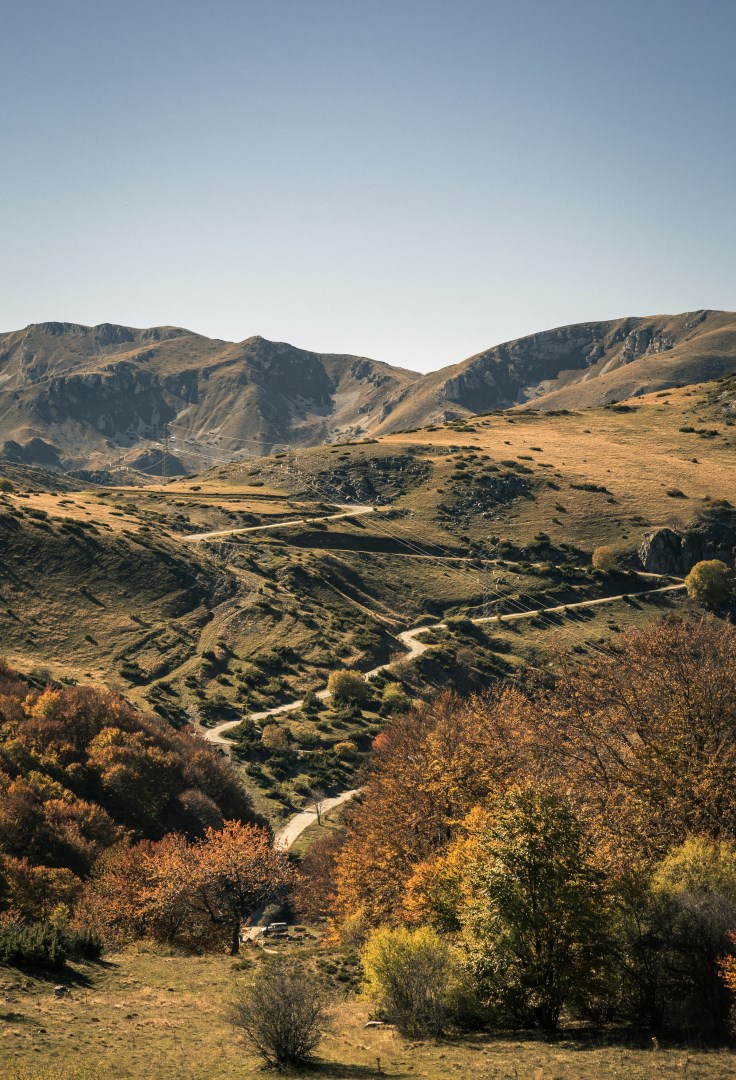
Macedonia, officially known as North Macedonia, is a country where ancient history and vibrant culture meet in a striking landscape. The capital city, Skopje, showcases a blend of old and new with its Ottoman-era bazaars sitting alongside modern sculptures and bridges. Visitors can explore the stone bridge, a symbol of the city, and wander through the Old Bazaar, where traditional crafts and local flavors invite discovery.

Franz Josef Glacier
Accessible glacier located on New Zealand's South Island. Visitors can take guided hikes of Franz Jose to view its tunnels, crevasses and caves.

Lanzarote
Lanzarote, the northernmost of the Canary Islands, is a striking destination characterized by its volcanic landscapes and unique architectural heritage. Known for its otherworldly scenery, the island boasts a remarkable volcanic terrain shaped by eruptions in the 18th and 19th centuries. The Timanfaya National Park is a highlight, where visitors can witness geothermal demonstrations and explore the dramatic lava fields on a guided tour.

Rhodes Island
Antiquity is everywhere on the island of Rhodes, from its cobbled Old Town to a mighty acropolis presiding high over the town of Lindos. Ancient ruins recall Crusades-era occupation and Ottoman tyranny, but today, a rather magical Aegean lifestyle is predominant. Travelers will enjoy excellent food, picturesque beaches, buzzing nightlife, and snorkeling in clear waters.