Oudtshoorn
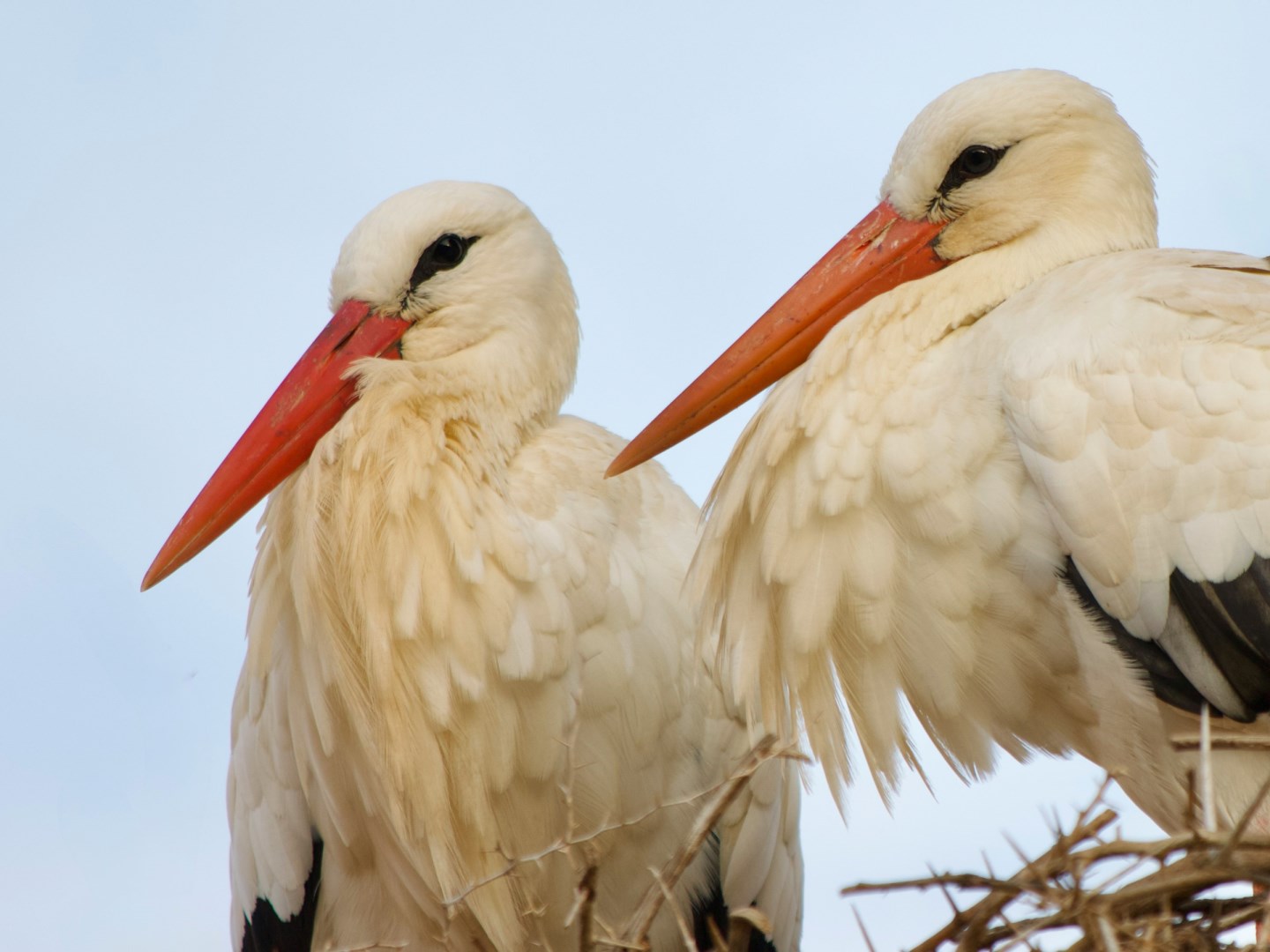
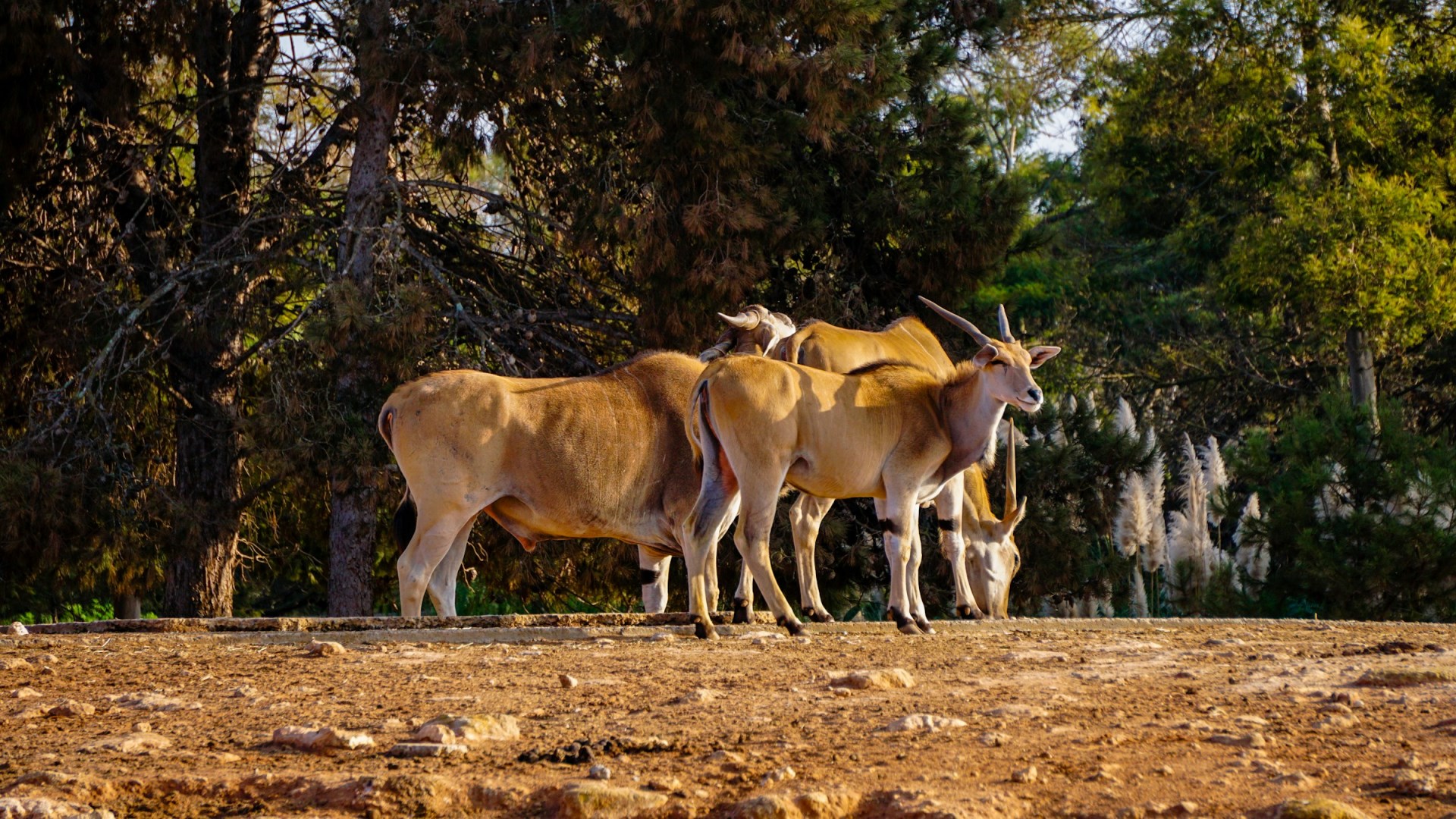
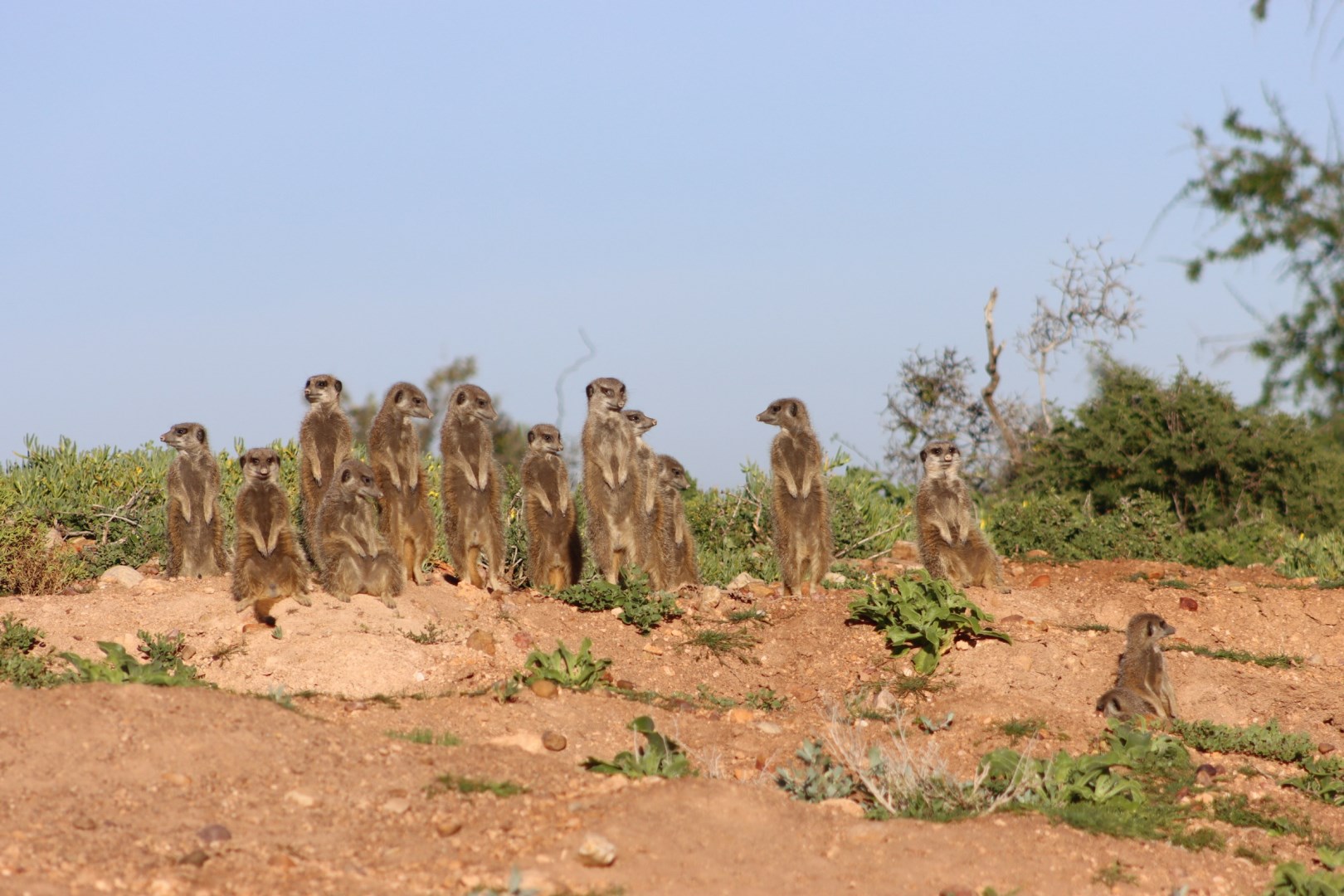
Visit Oudtshoorn, the principal town of the Little Karoo, where you will be welcomed with hospitality which has become synonymous with the people of the Klein Karoo.
Sanremo
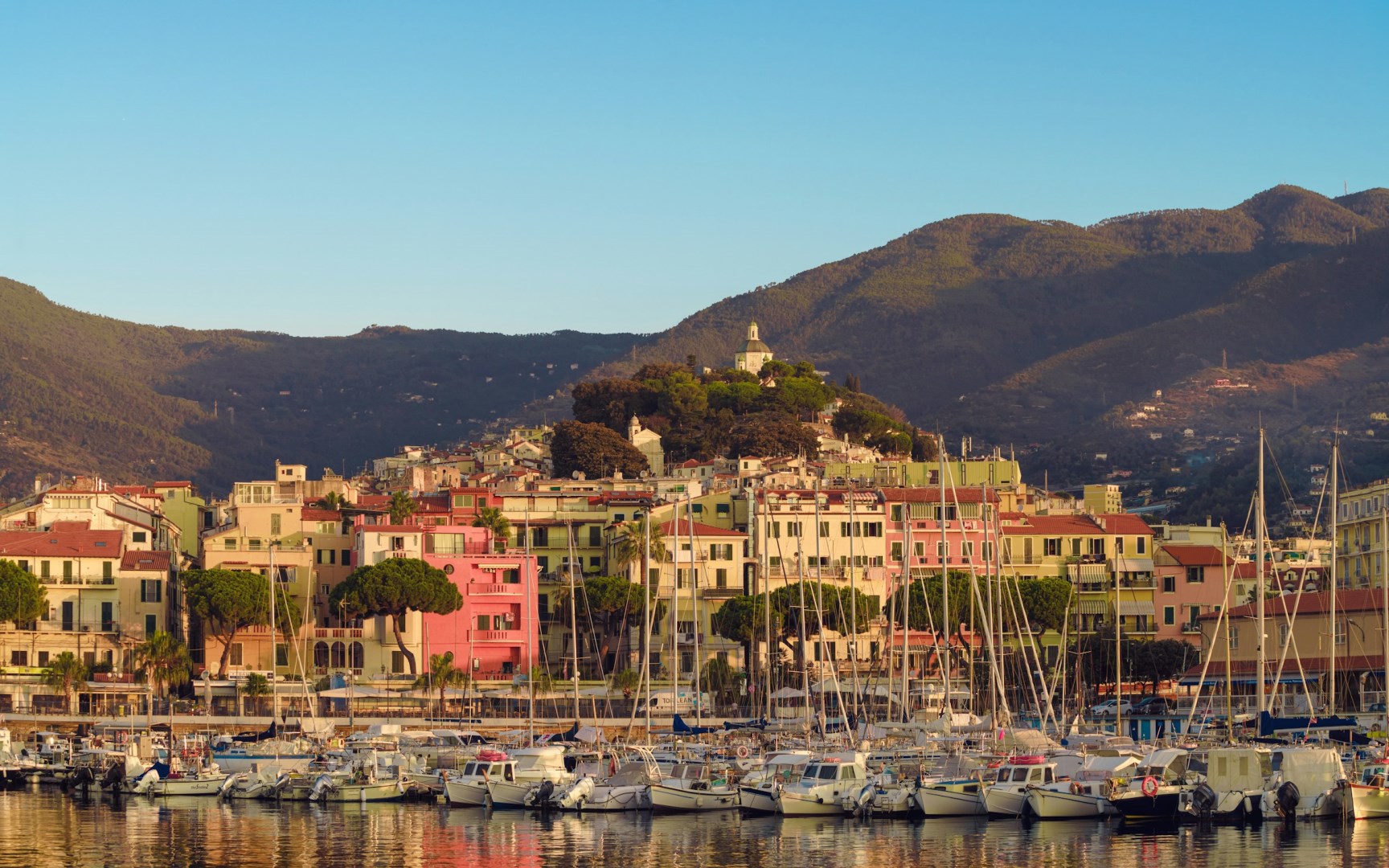
Sanremo is a coastal city in northwestern Italy. Its green spaces include the park of Villa Ormond, with a Japanese garden, palm trees and ancient olive groves.

Soufriere
Soufriere sits on the southwest coast of St. Lucia, framed by steep hills and the twin Pitons that rise sharply from the sea. Once the island’s original capital, the town carries deep historical roots tied to colonial rivalries and the development of plantation culture.
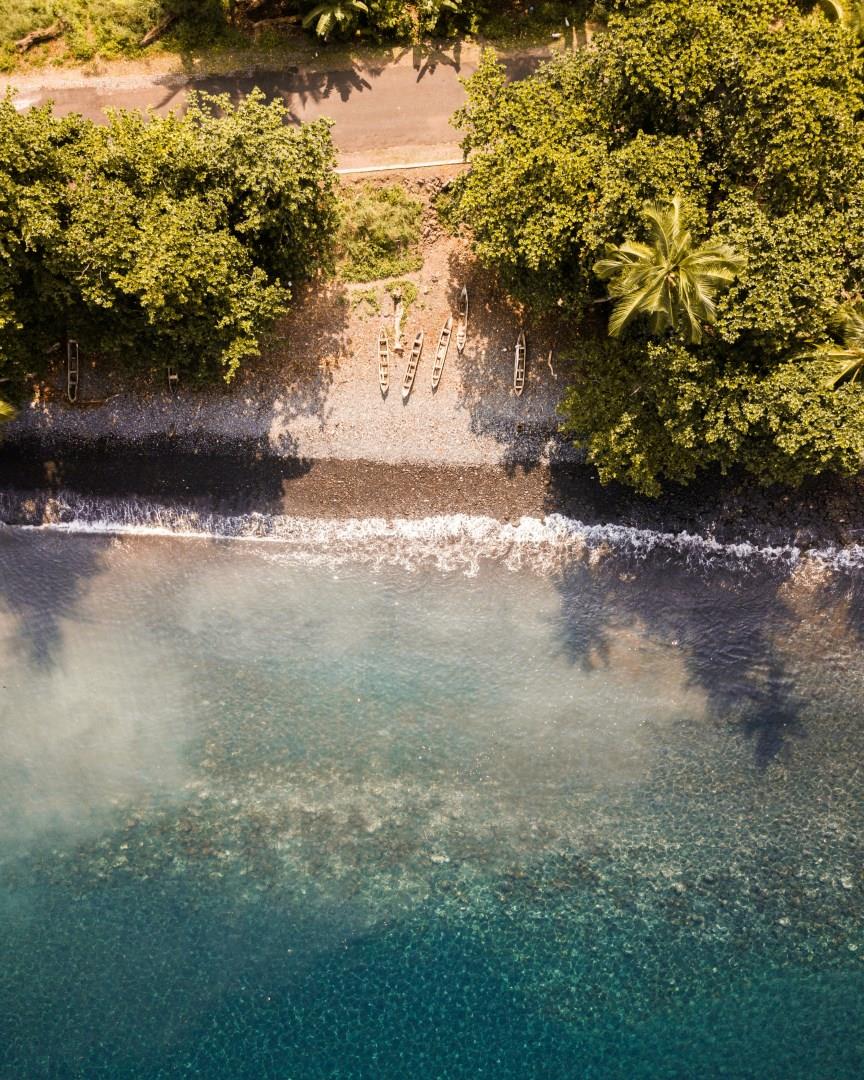
Sao Tome Island
São Tomé Island, the larger of the two islands in São Tomé & Príncipe, offers travelers a balance of culture, history, and dramatic natural scenery. Its capital, São Tomé city, is a coastal hub filled with colonial architecture, lively markets, and a welcoming atmosphere.
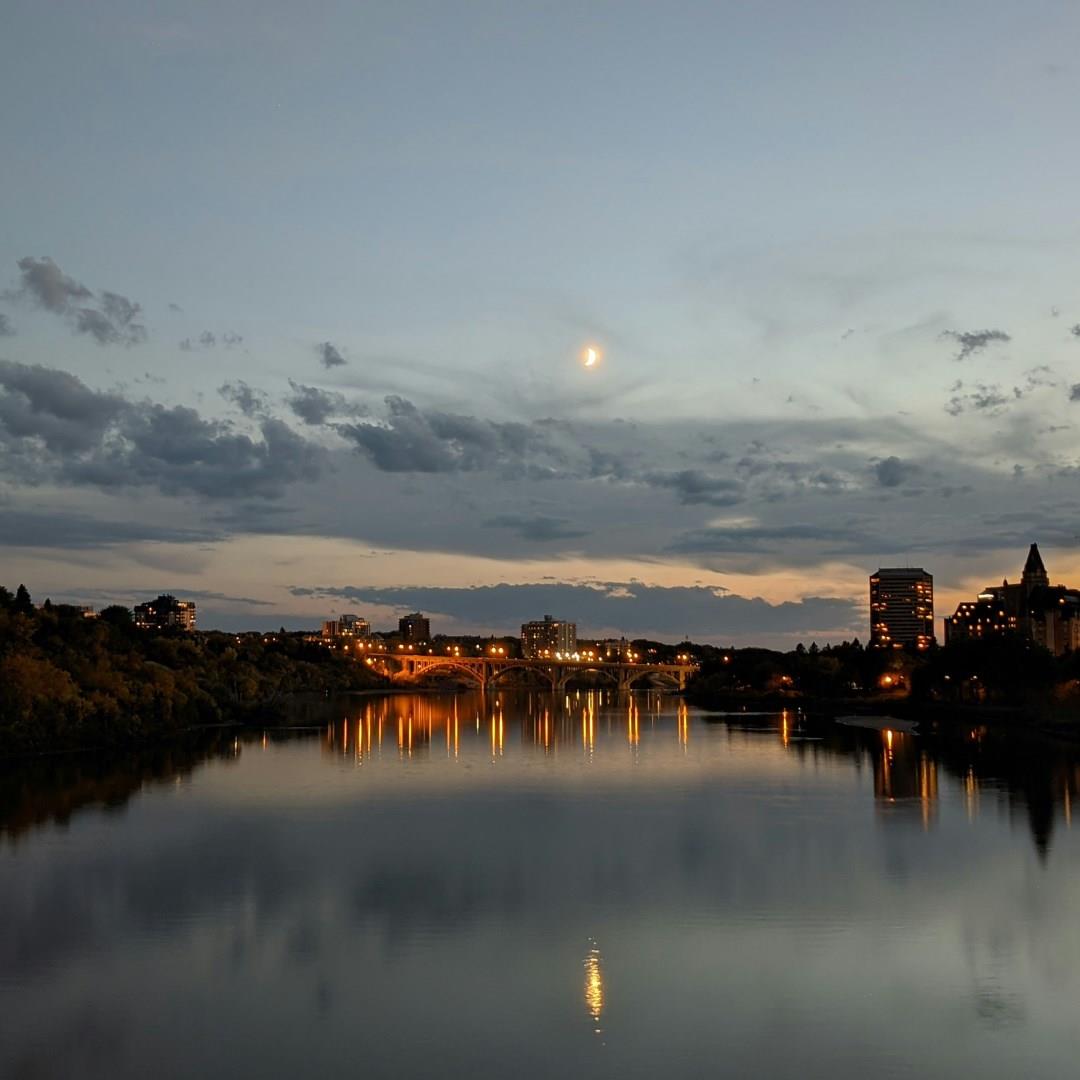
Saskatoon
Saskatoon, set along the South Saskatchewan River in central Canada, is a city where prairie heritage meets a growing cultural scene. Known as the “City of Bridges” for the many spans that cross its winding river, Saskatoon combines natural charm with urban vibrancy.