Machu Picchu
Machu Picchu is a story carved into stone, perched nearly 2,500 meters above sea level in the cloud forests of southern Peru. Built in the 15th century and later abandoned, this Inca citadel was unknown to the outside world until 1911, when explorer Hiram Bingham brought it to international attention. Today, it remains remarkably well-preserved, with more than 150 stone structures, terraced fields, ceremonial fountains, and temples aligned with astronomical events.
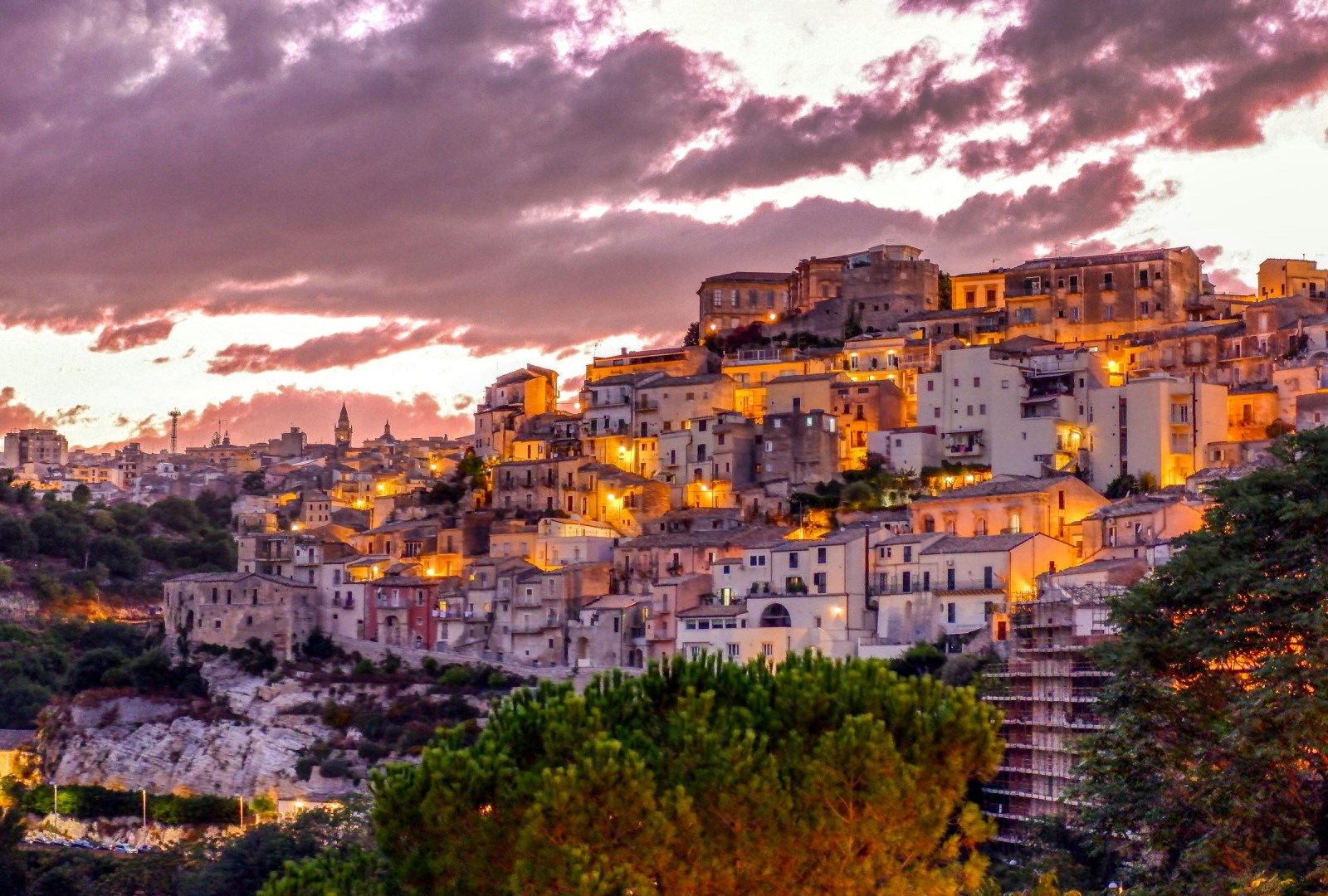
Ragusa Sicily
Ragusa, located in southeastern Sicily, is a city steeped in history and Baroque beauty, often overlooked but truly a gem for travelers seeking a unique and authentic Italian experience. Divided into two distinct parts—Ragusa Superiore and Ragusa Ibla—the city showcases a dramatic contrast between the new and old.
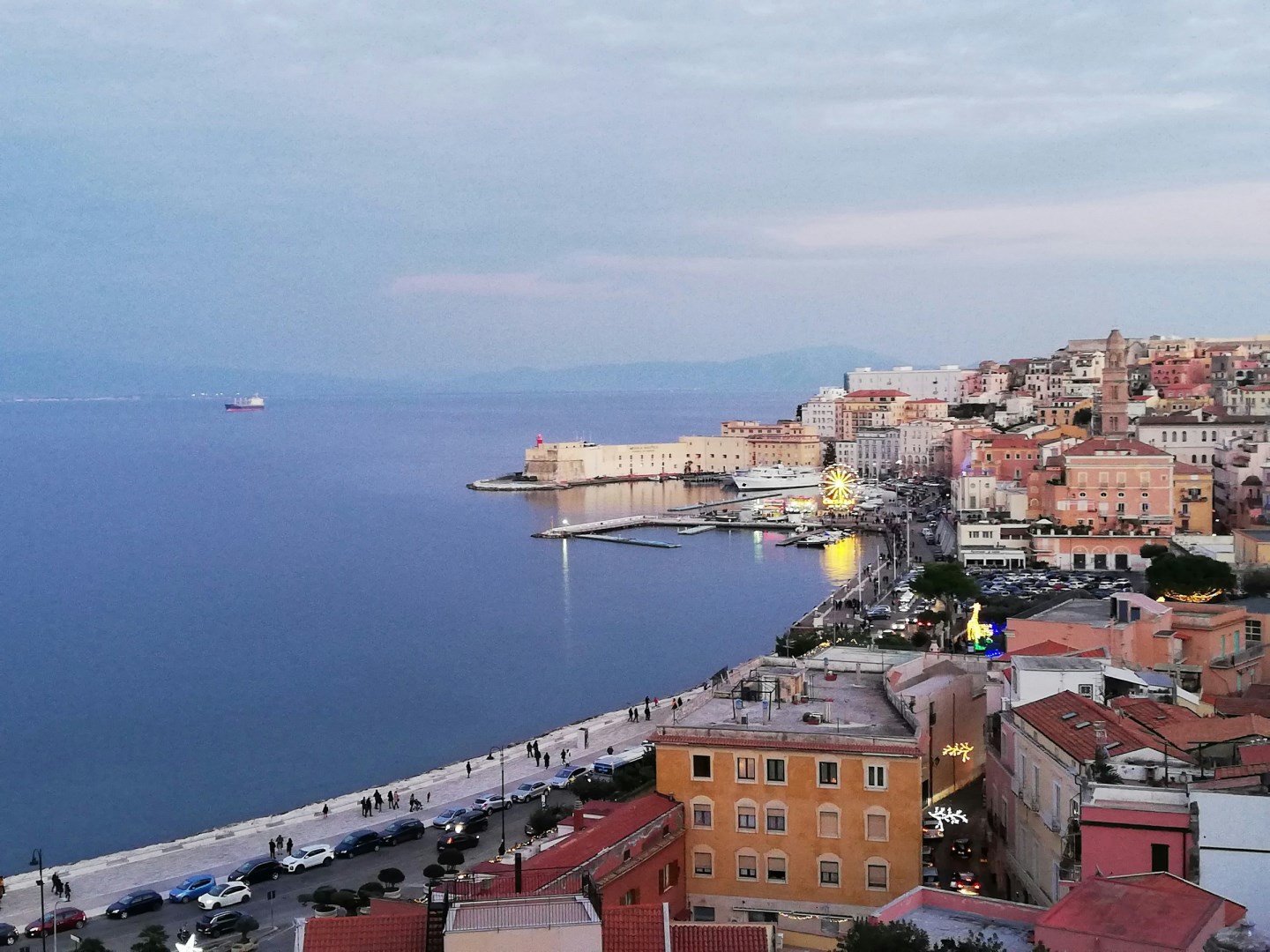
Gaeta
A fishing port and seaside resort in a picturesque location. The old town is dominated by a castle (7th century). The cathedral (1279) is notable for its admirable sculptures and paintings as well as its Arab-Norman bell tower. The mausoleum of Lucius Munatius Plancus, an impressive Roman monument, is cylindrical in shape and 13 meters high. The sanctuary of Montagna Spaccata is at Punta della Trinità, where you can see a chasm which is traditionally said to have opened up on the death of Jesus.
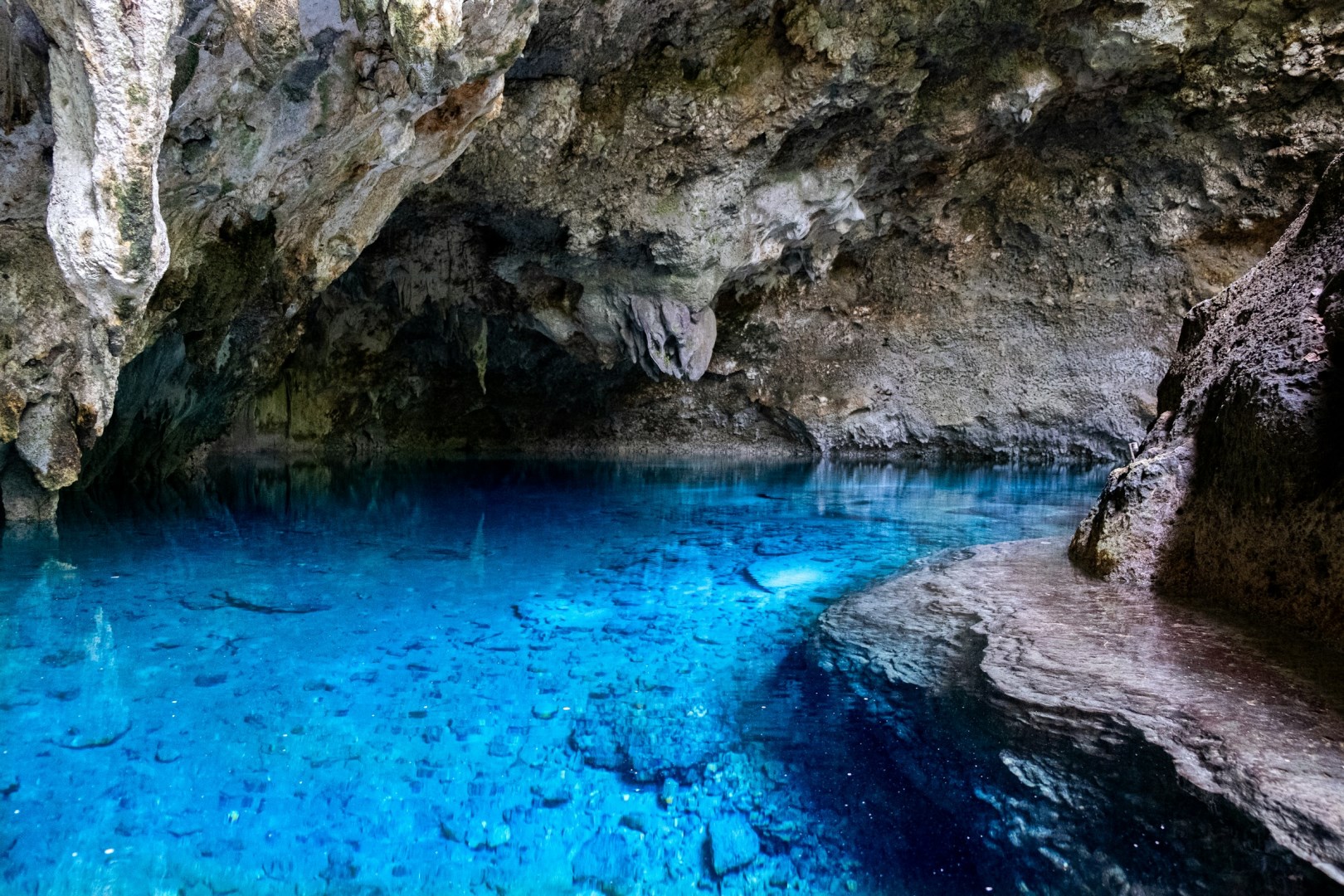
The Three Eyes
Los Tres Ojos (The Three Eyes) National Park is one of the most visited tourist attractions in the Dominican Republic. Made up of a cave system, there are four lakes within, each with their own features or traits.
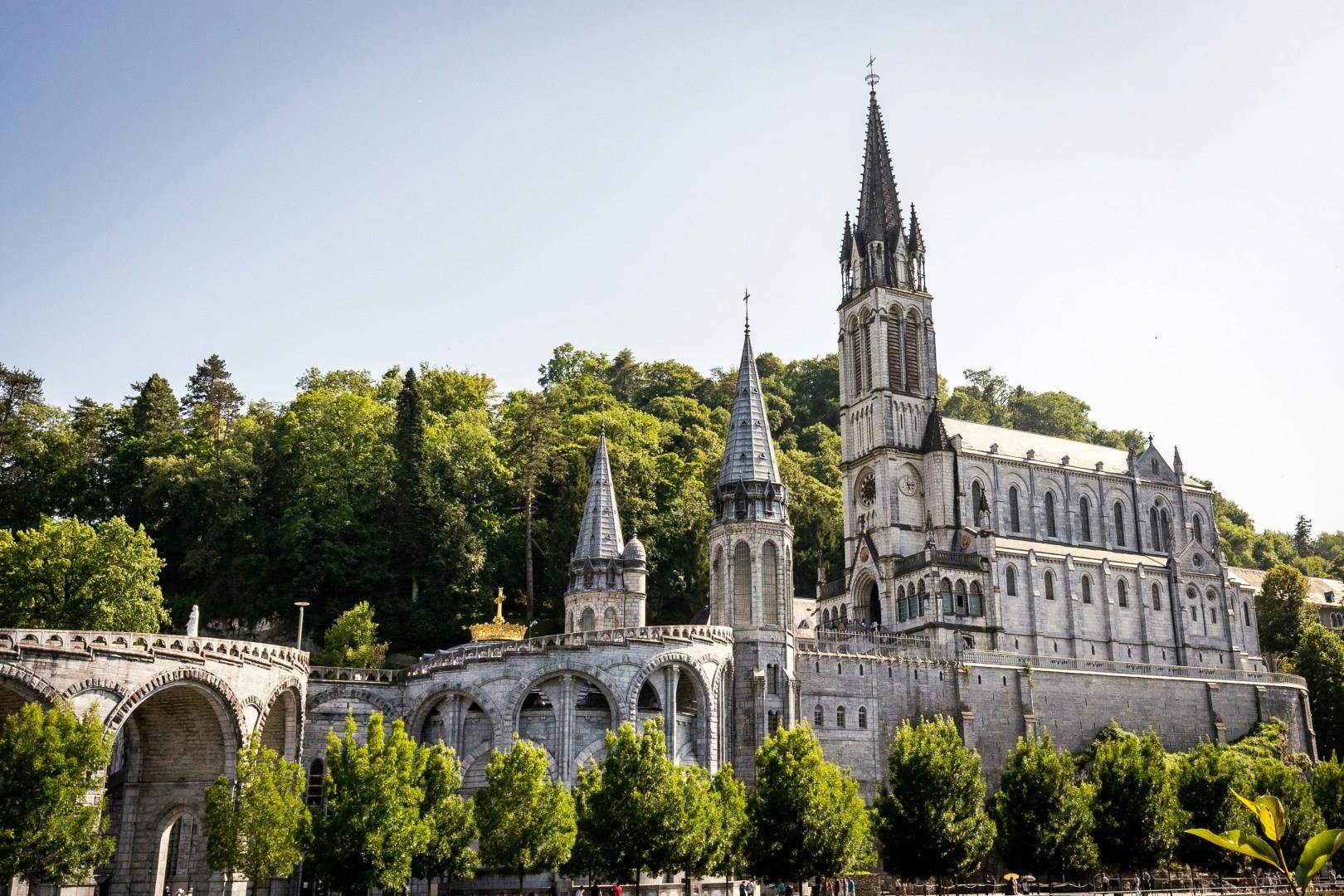
Lourdes
Located at the foot of the Pyrenees in southwestern France, Lourdes is best known for the Marian apparitions reported by 14-year-old Bernadette Soubirous in 1858. These events transformed the small market town into one of the most visited pilgrimage sites in the world. The Sanctuary of Our Lady of Lourdes, which includes the Grotto of Massabielle, the Basilica of the Immaculate Conception, and the underground Basilica of St. Pius X, draws millions each year.