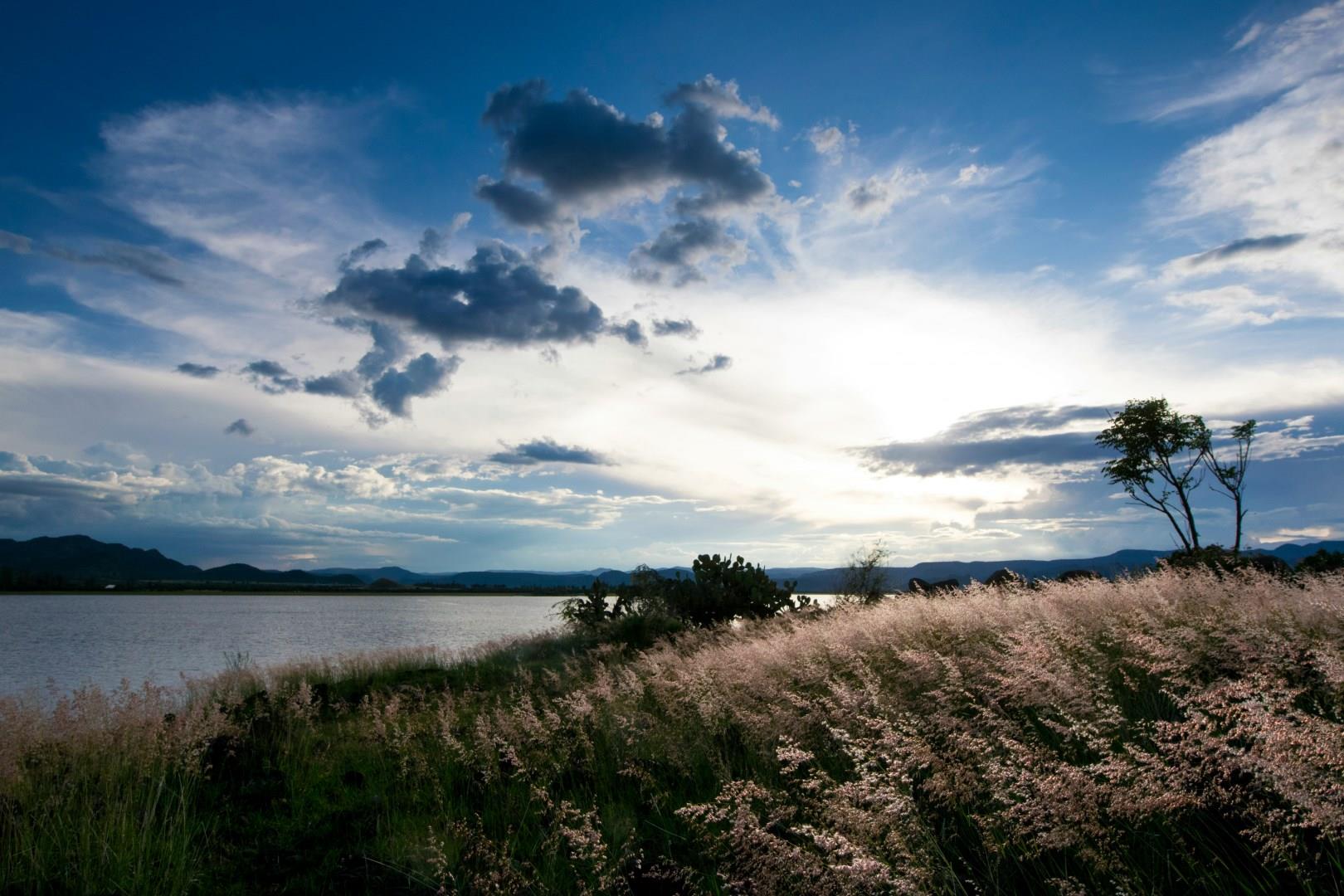
Durango, located in north-central Mexico, is a destination rich in history, dramatic landscapes, and cultural traditions that date back centuries. Once a key outpost during Spanish colonization, Durango played an important role in the development of northern Mexico. The city of Victoria de Durango, the state capital, features cobblestone streets and more than 1,000 officially registered historical structures.
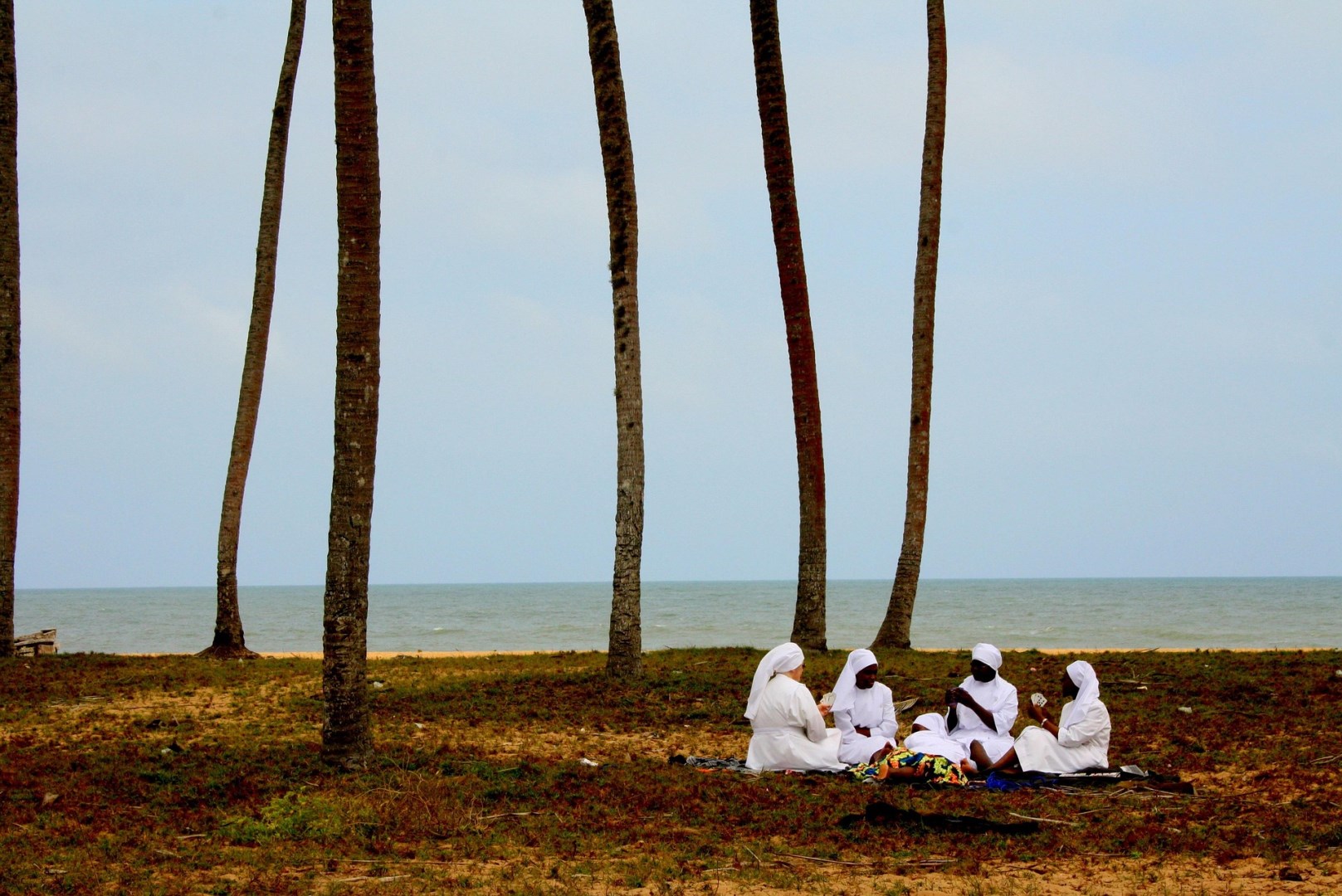
Tucked along the Gulf of Guinea in West Africa, Benin offers a vibrant blend of traditions, rich history, and colorful daily life that surprises and delights travelers at every turn. The country is the birthplace of Vodun (commonly known as Voodoo), a spiritual tradition still practiced widely and celebrated each January 10th with processions, drums, and dance in the city of Ouidah.
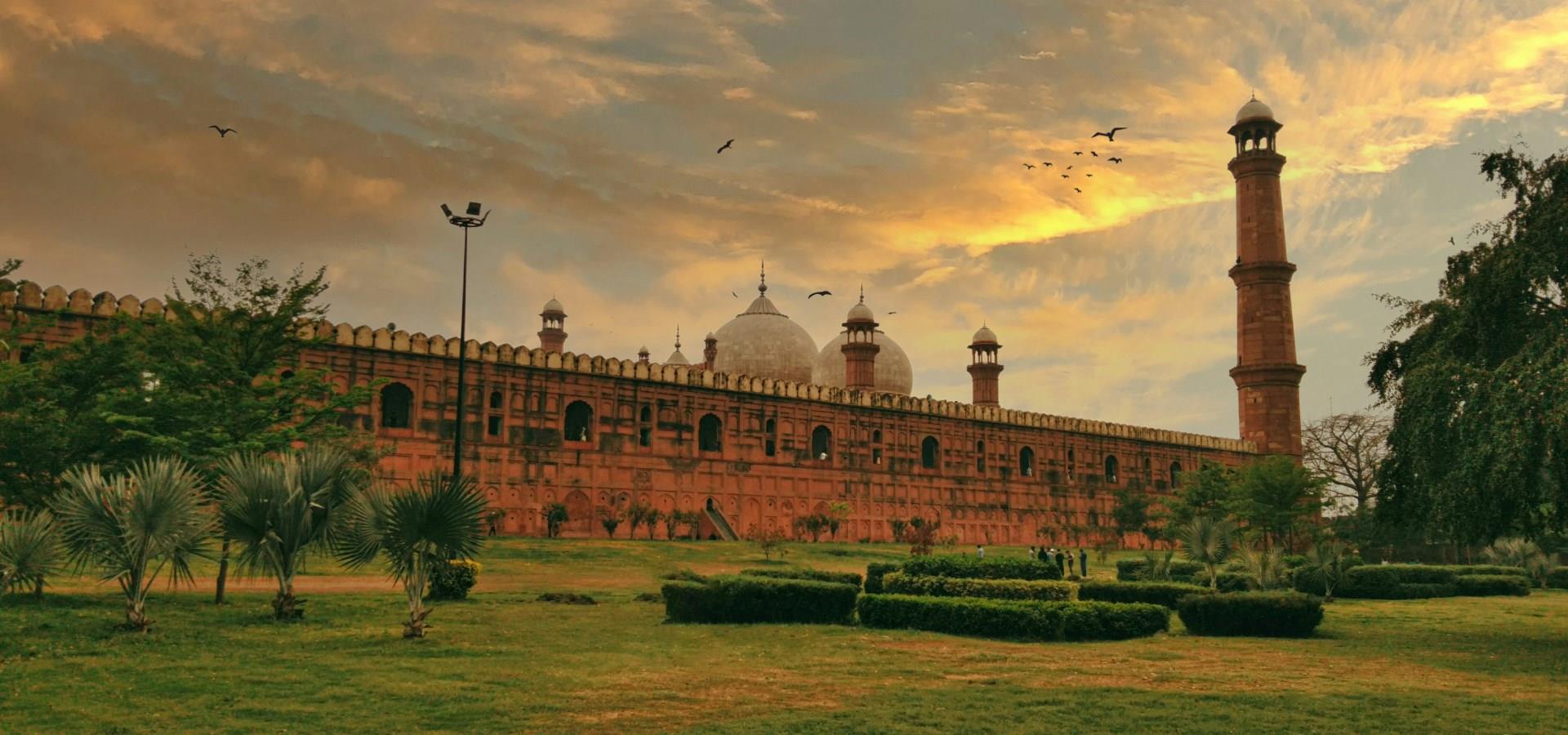
Lahore, the cultural heart of Pakistan, is a city where history, art, and culinary traditions come alive. Known for its vibrant streets and historic architecture, Lahore showcases iconic landmarks such as the Badshahi Mosque, Lahore Fort, and Shalimar Gardens, which reflect the grandeur of the Mughal era.
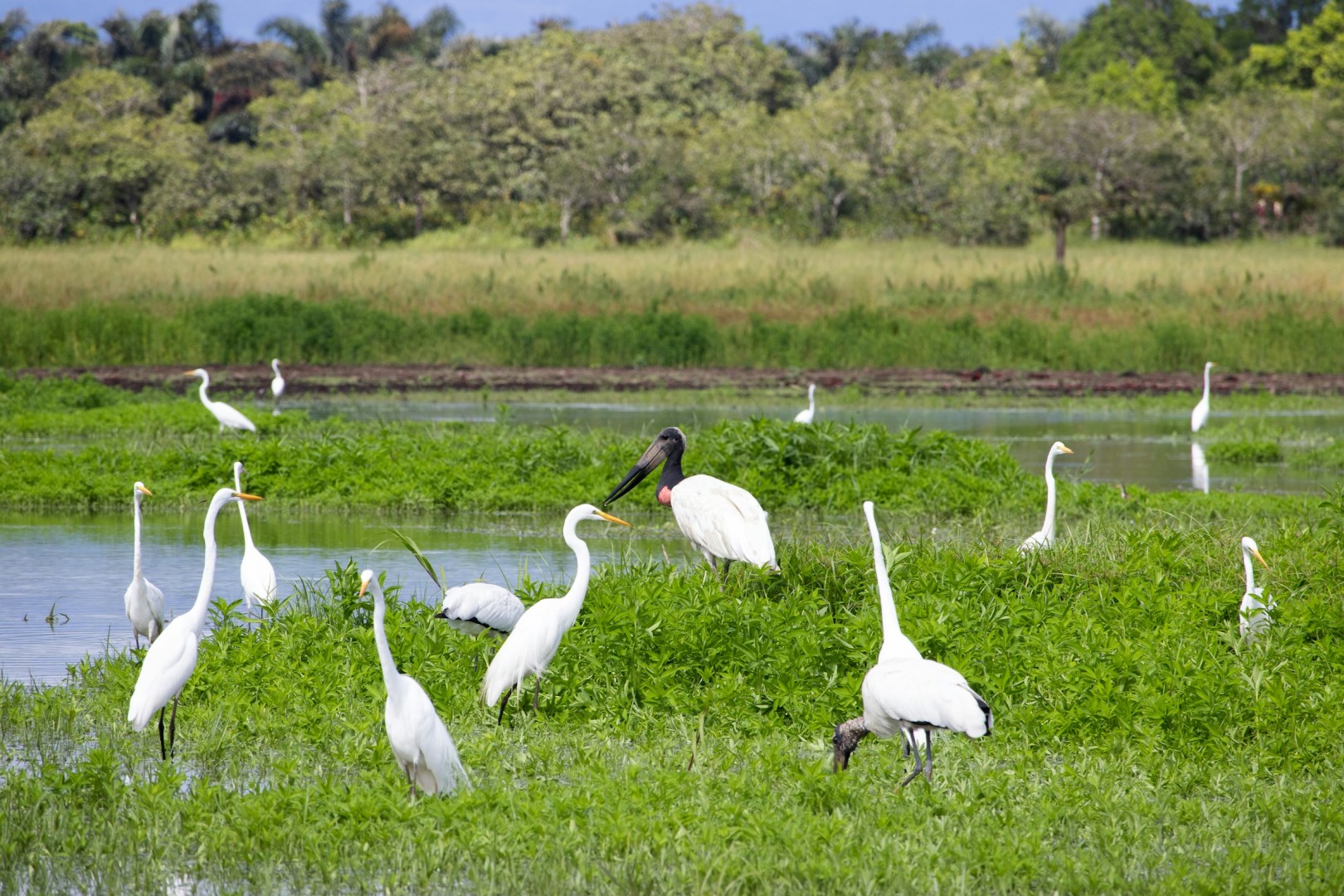
Caño Negro Wildlife Refuge is a wetland reserve in northern Costa Rica, in Alajuela Province near the Nicaraguan border. The protected area covers lowland forests, rivers, lagoons, marshes, and seasonal waterways within the basin of the Frío River. Its largest water body, Caño Negro Lagoon, is fed by freshwater rivers and changes considerably with seasonal rainfall.
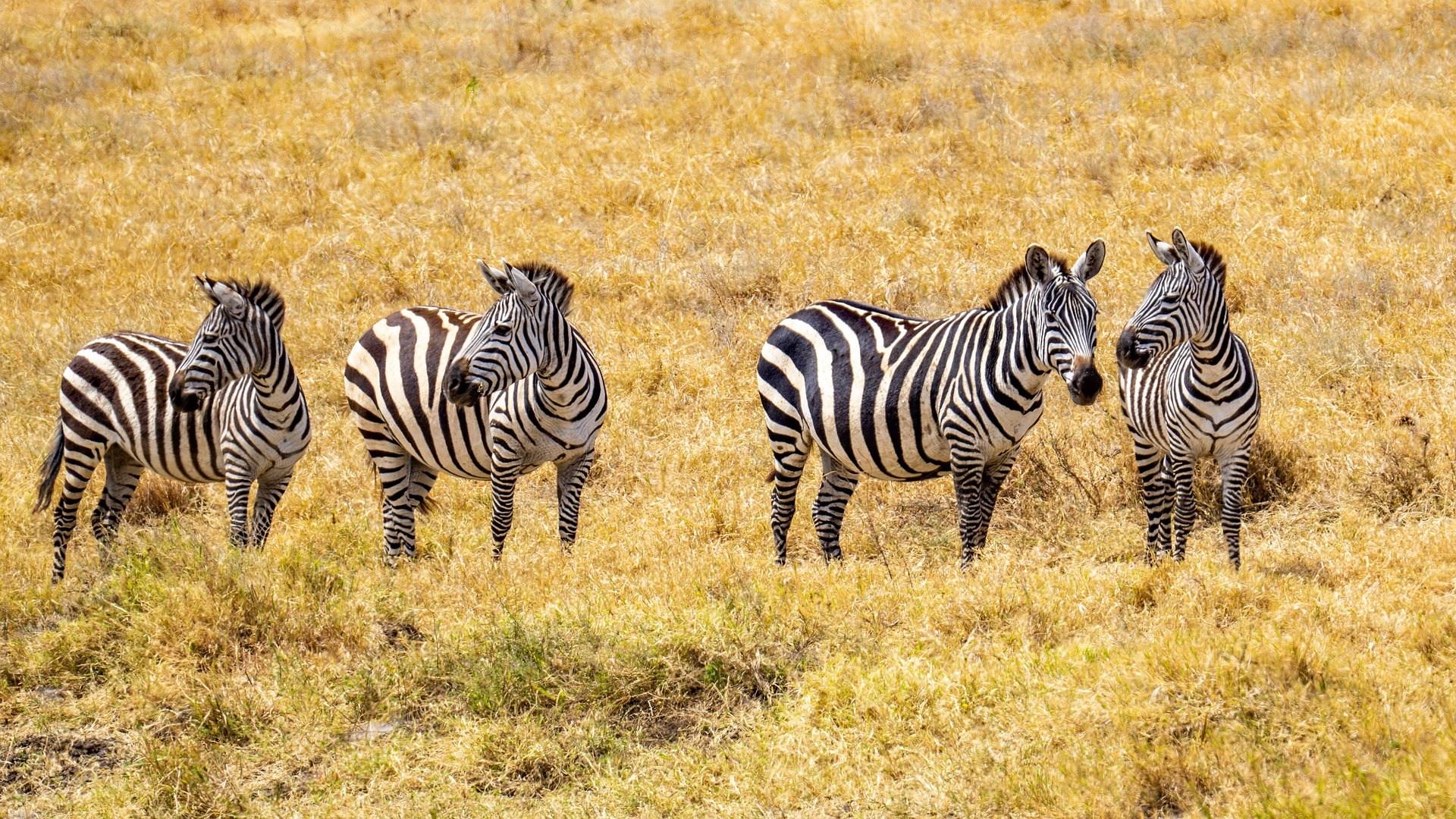
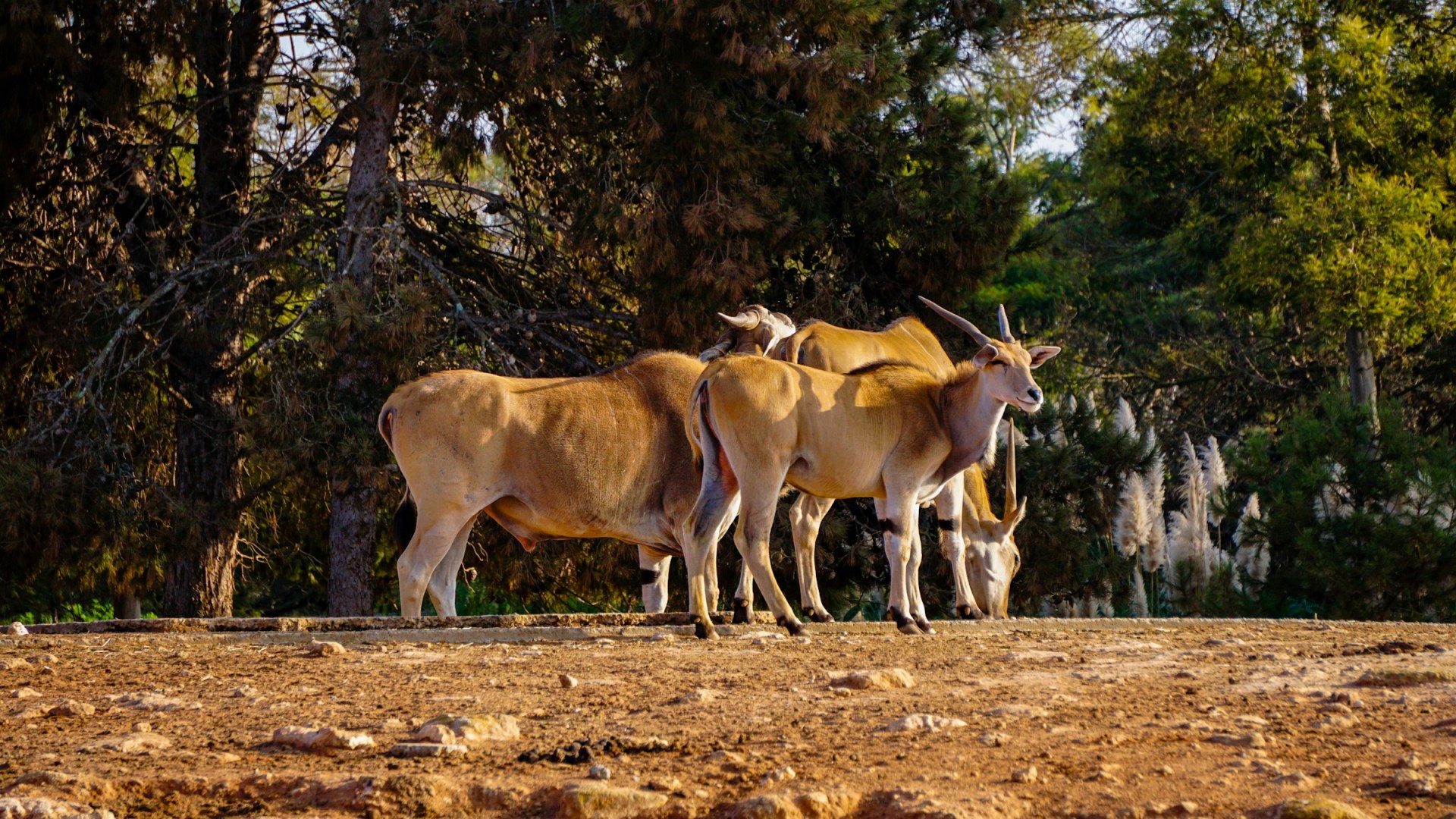
Tanzania, located in East Africa along the Indian Ocean, is a country of extraordinary landscapes and cultural diversity. It is home to Africa’s tallest peak, Mount Kilimanjaro, and vast plains such as the Serengeti, where wildlife roams freely across open savannas.
Photo Credit: hoto by Wim van 't Einde on Unsplash
Photo Credit: Photo by Abbas Jamie on Unsplash
Photo Credit: Photo by Hongbin on Unsplash
Photo Credit: Photo by Mohamed Abira on Unsplash
Photo Credit: Photo by Hongbin on Unsplash
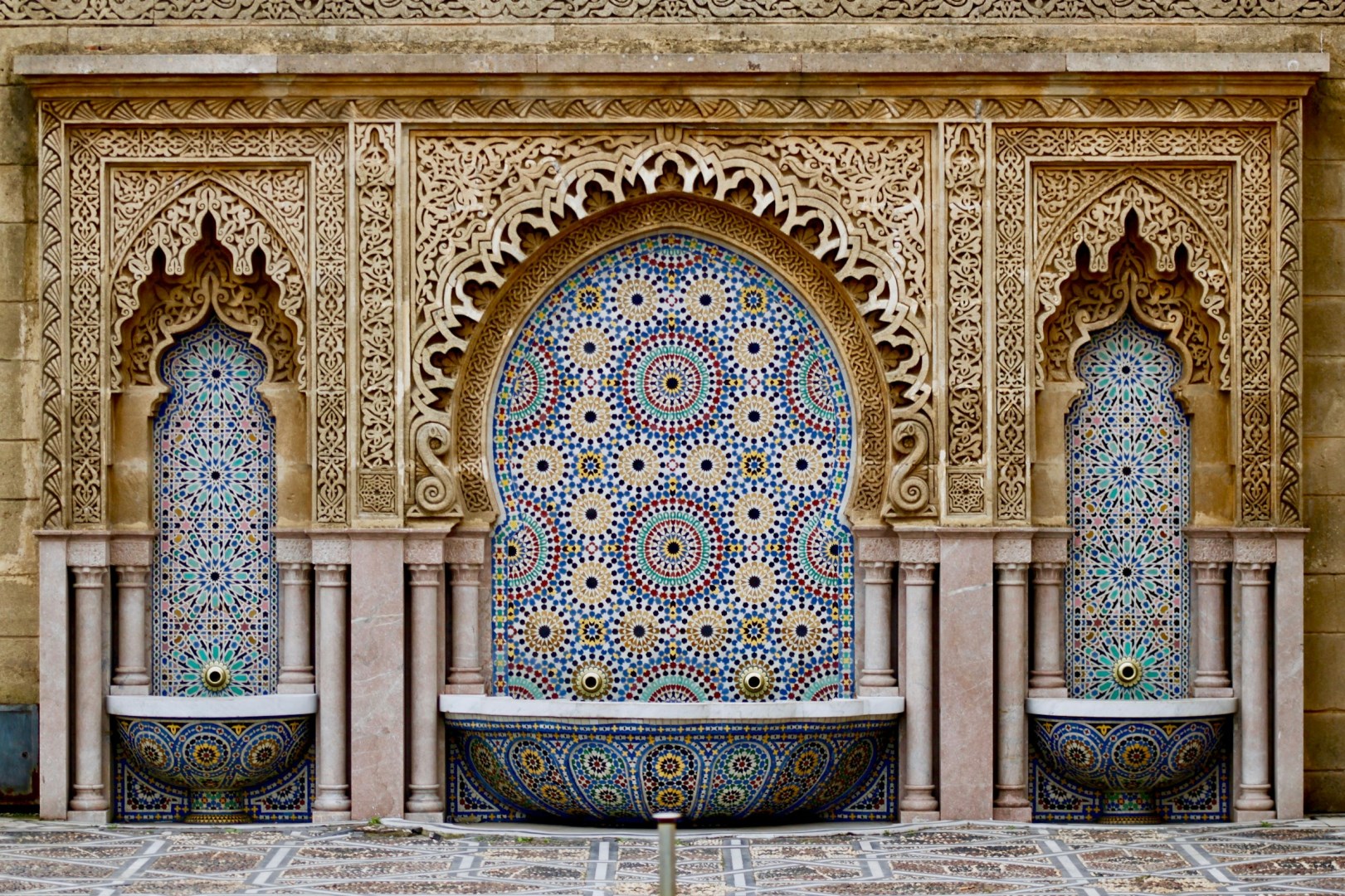
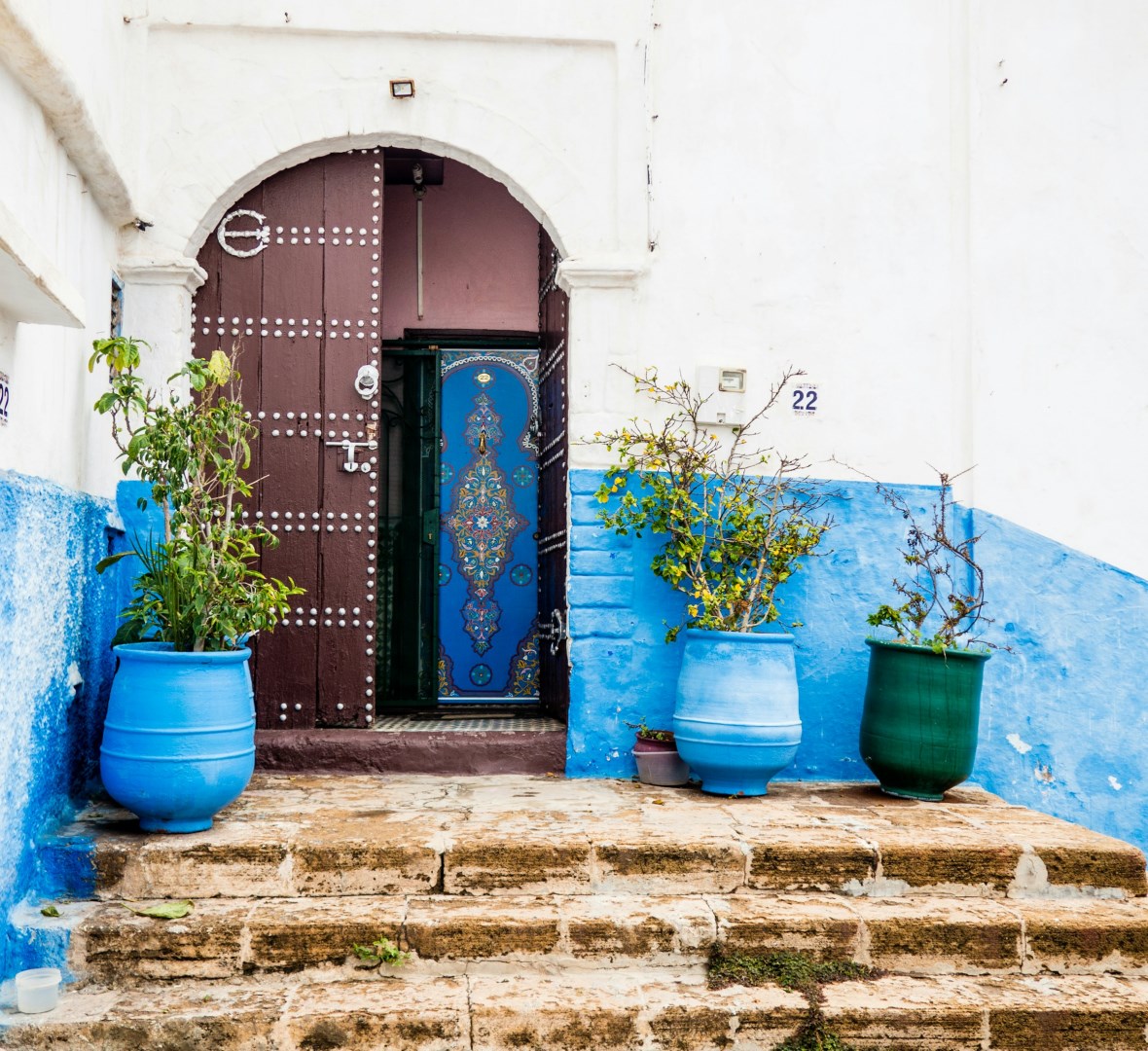
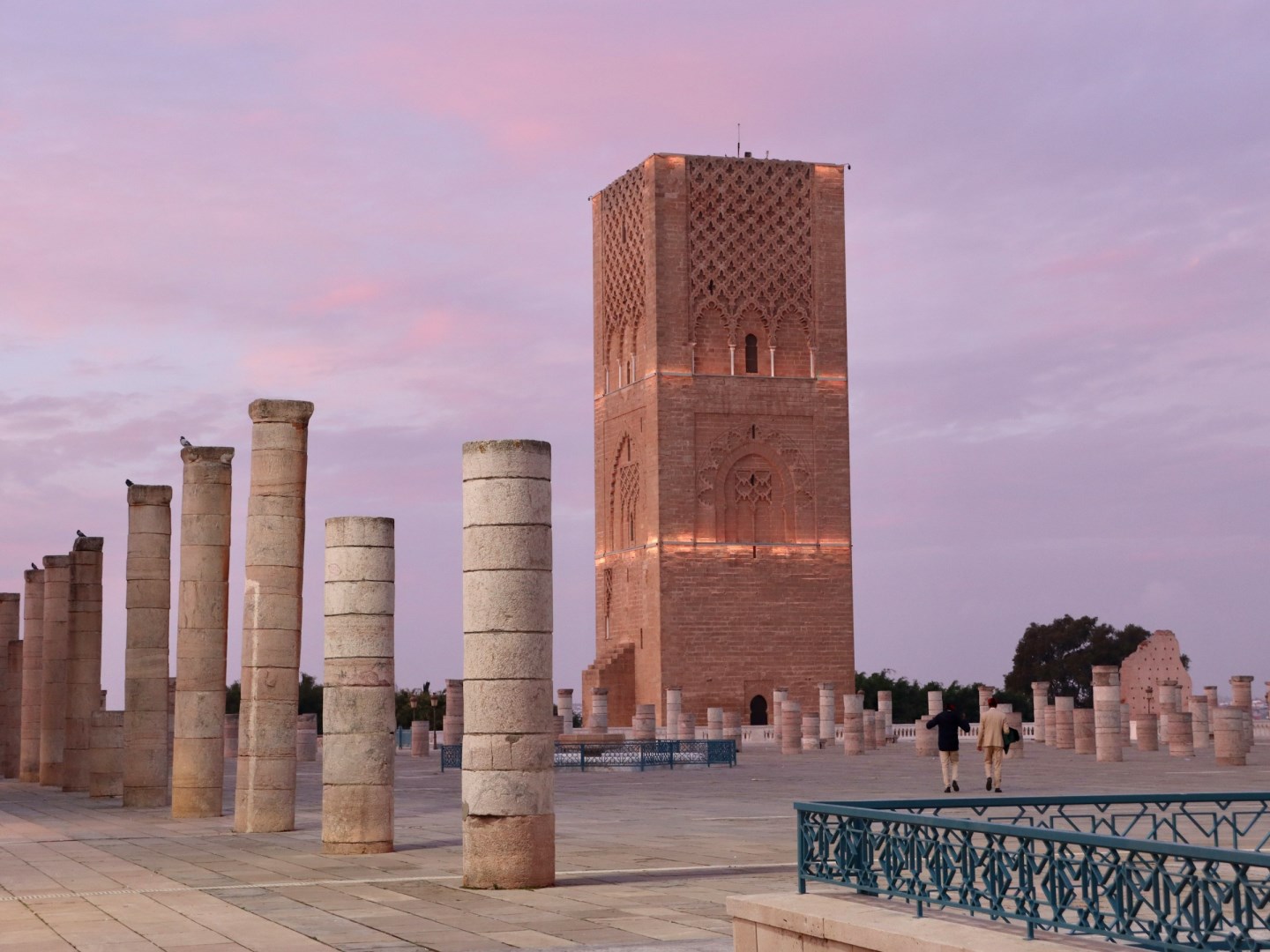
Rabat, the capital of the kingdom of Morocco, is located on the edge of the Atlantic Ocean on the left bank of the Bou Regreg Estuary. A city of trees and flowers, Rabat combines peace, beauty and Serenity, and is steeped in history. It is the residence of the King and the seat of government and embassies. Hassan II Avenue follows the Undulations' Wall, built in the seventeenth century, and separating the modern city from the medina.
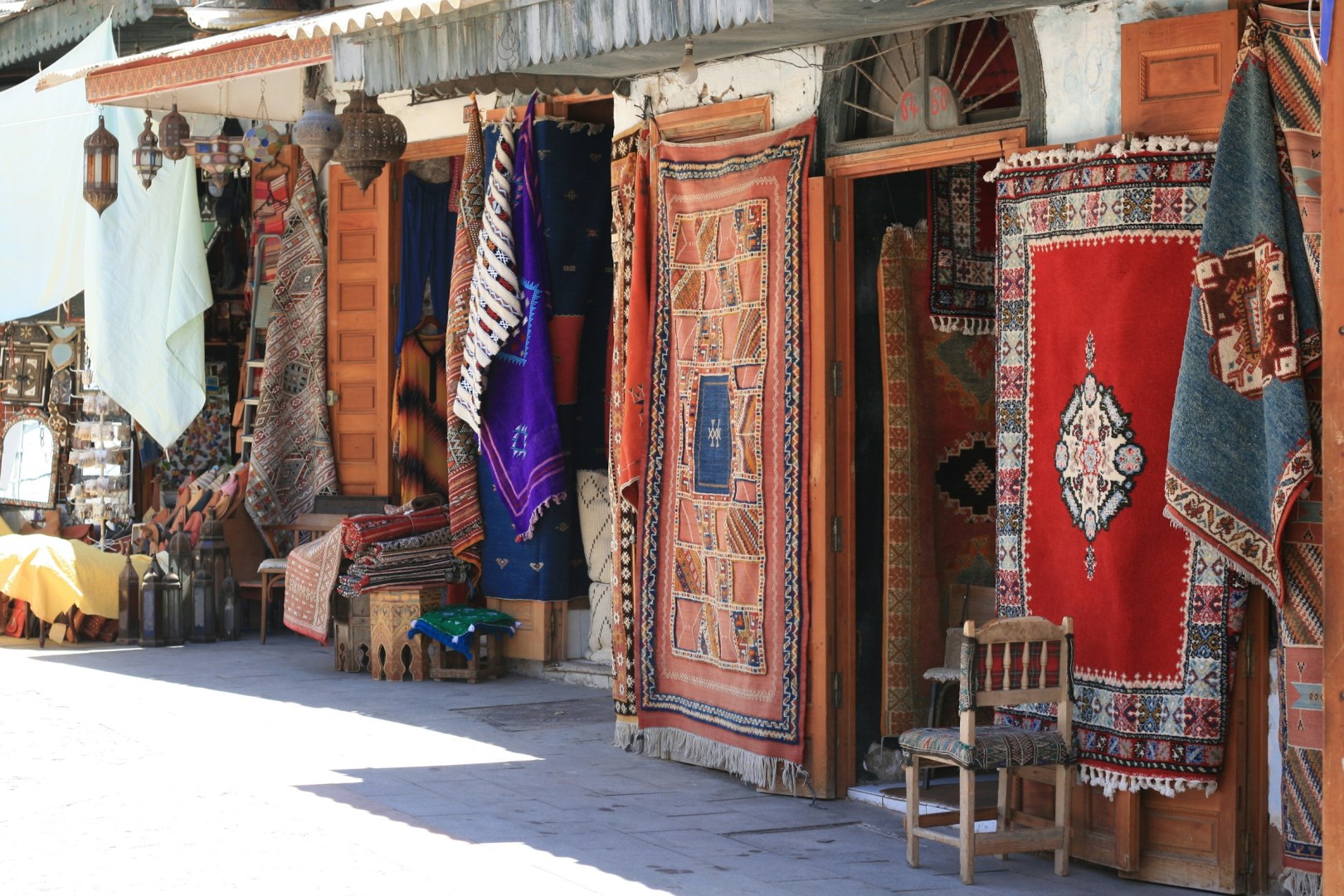
Souika Street is the main artery in the medina. The many foundouks (traditional cafes) and shops always give this axis a very lively atmosphere. The babuche and Moroccans leather ware sellers occupy "Sebbat Souk" (the footwear market), which is easily distinguished by the mat roofing. Going along Consules Street, where foreign diplomats lived until 1912, you will find curiosities, souvenirs and traditional Moroccan items: worked copper, worked leather, silk embroidery, Sale mats and the famous Rabat carpets.
Other Popular Destinations in Morocco
Marrakesh
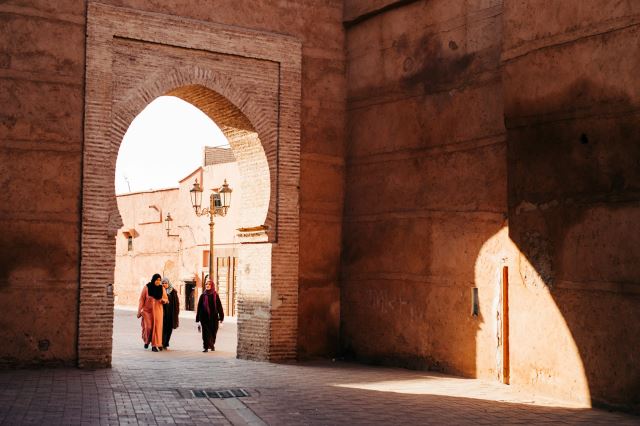
Marrakesh, a vibrant jewel in the heart of Morocco, is a city where ancient traditions blend seamlessly with modern allure. Known as the "Red City" for its rose-hued buildings and walls, Marrakesh offers a sensory experience unlike any other. The city’s medina, a UNESCO World Heritage Site, is a labyrinth of narrow alleyways, bustling souks, and hidden courtyards.
Fès
A series of gates surrounds the two centers of ancient, medieval Fez (sometimes spelled Fes). The principal axes link the center to the gates and a street surrounds the heart of the old city. The Kairouan quarter, which is longer, is crossed by an artery. Narrow, tortuous pedestrian streets, covered passages, stairs and numerous dead-ends make up the dense layout with few urban squares.