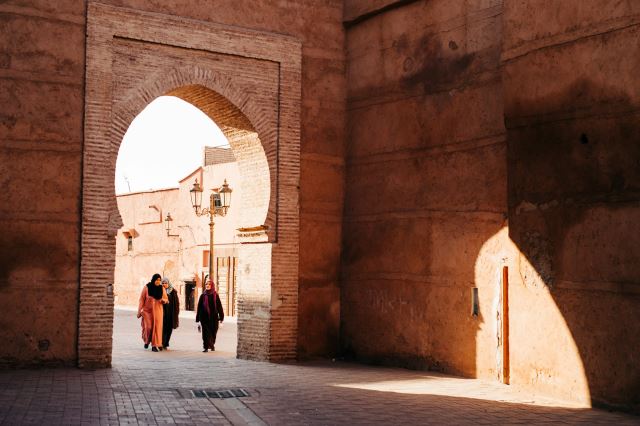
Dubrovnik
Dubrovnik, often hailed as the "Pearl of the Adriatic," is a city where history and stunning natural beauty converge. Enclosed within its ancient city walls, which are a UNESCO World Heritage Site, you’ll find a captivating blend of medieval architecture and vibrant culture. The city's Old Town is a maze of cobblestone streets, lined with baroque churches, Renaissance buildings, and charming squares.
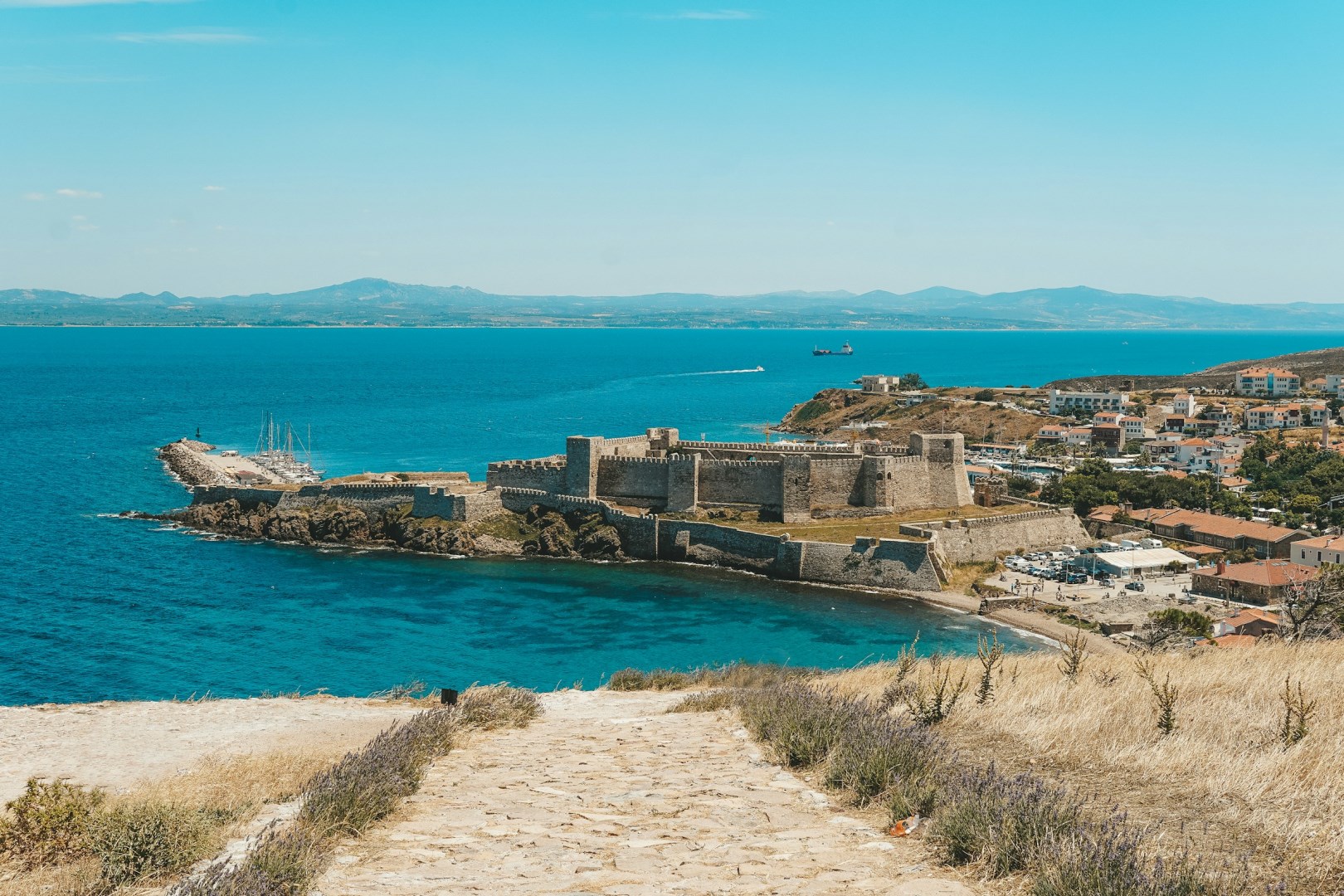
Bozcaada
Bozcaada is a small Turkish island in the northeastern Aegean, off the coast of Çanakkale and near the entrance to the Dardanelles. Formerly known as Tenedos, it is Turkey’s third-largest island and is known for its whitewashed houses, narrow streets, vineyards, and windswept coastline. The harbor is dominated by Bozcaada Castle, while the old town extends behind the waterfront with cafés, shops, and traditional houses.
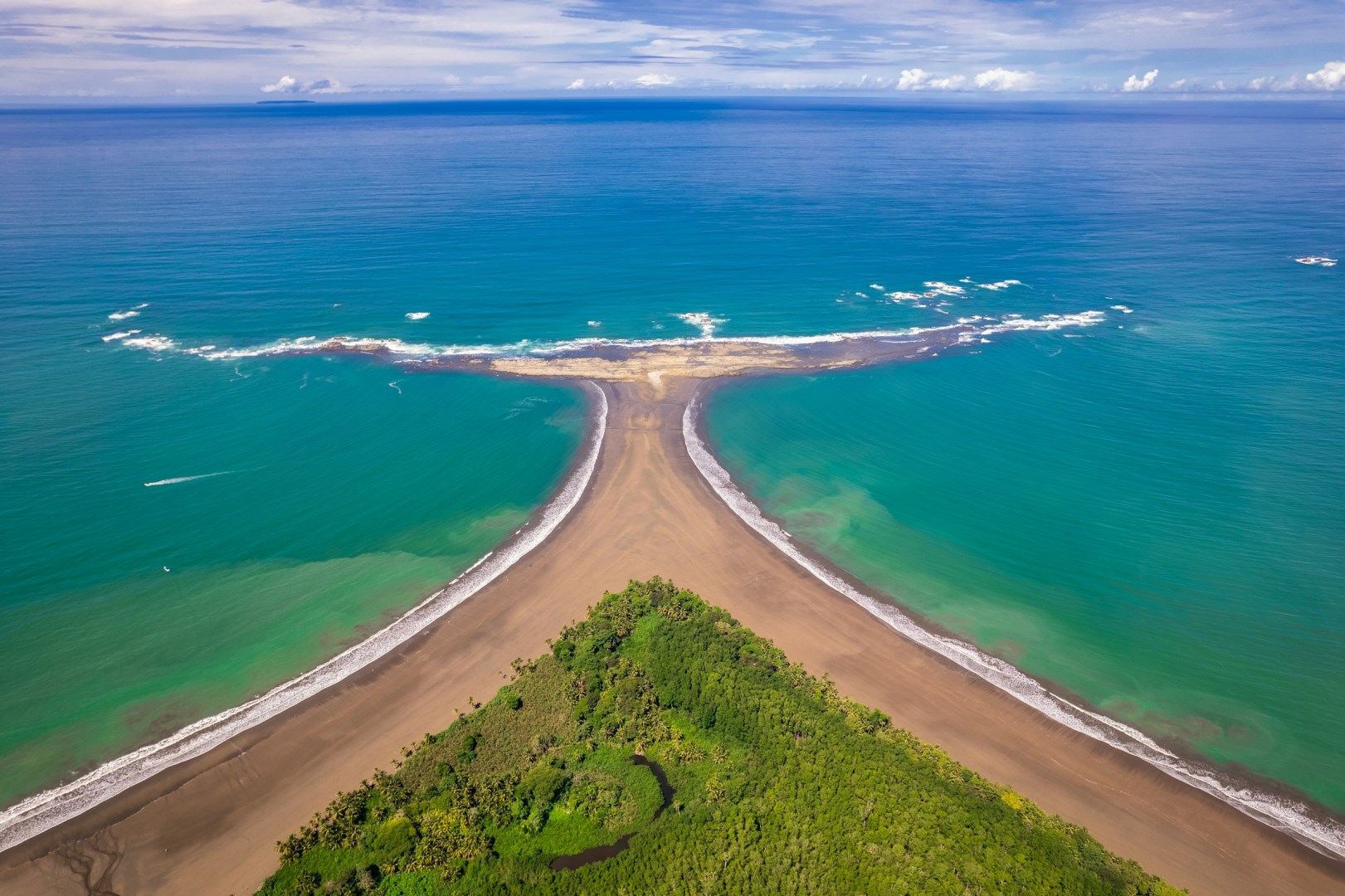
Ballena Bay
Ballena Bay is a coastal community in southern Costa Rica's Puntarenas Province, located along the Pacific coast near Uvita. The area is closely associated with Marino Ballena National Park, a protected marine and coastal landscape extending along about 15 kilometers of shoreline. Ballena Bay is surrounded by tropical forest, sandy beaches, rocky shores, mangroves, and offshore formations.
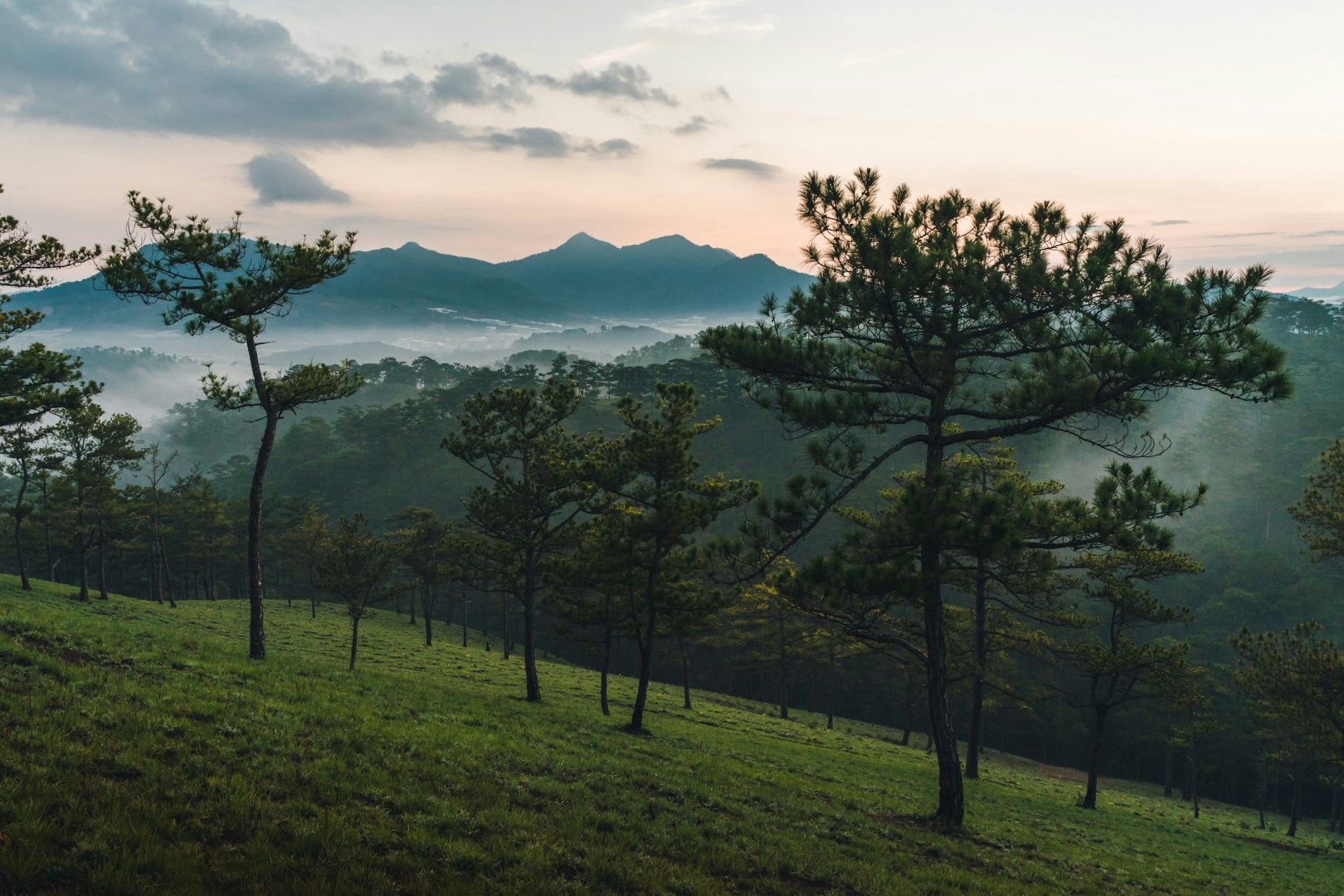
Đà Lạt
Da Lat is a highland city in Lam Dong Province, central Vietnam, situated on the Lang Biang Plateau. Its elevated setting gives the city a cooler climate than much of southern Vietnam, while pine forests, hills, lakes, and agricultural valleys surround the urban area. Da Lat is known for flower cultivation, vegetable farms, coffee plantations, and distinctive French-influenced architecture.
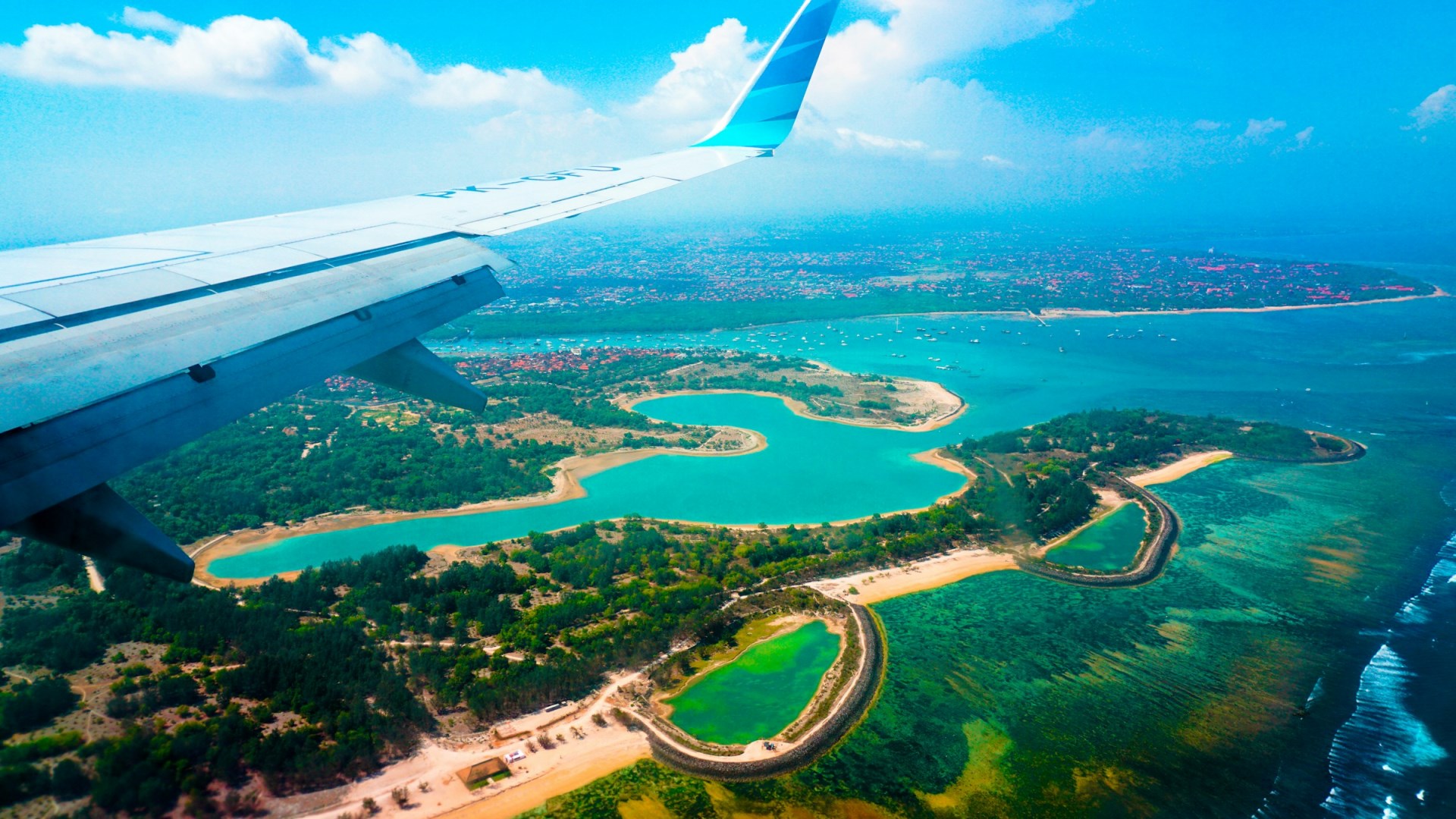
Denpasar Bali
Denpasar is the capital of Bali and the island's largest urban community, often lending a drab, overcast ambiance to an otherwise delightful and interesting trip. Tour the Kumbasari Market for exotic Asian fruits while transvestites dance for handouts from local merchants. Visit the temples of Pura Jagatnata and the Museum Bali, for a taste of Balinese art from prehistoric to modern times. Check with the tourist center for a list of upcoming festivals on the island. And don't forget the Denpasar