Tbilisi
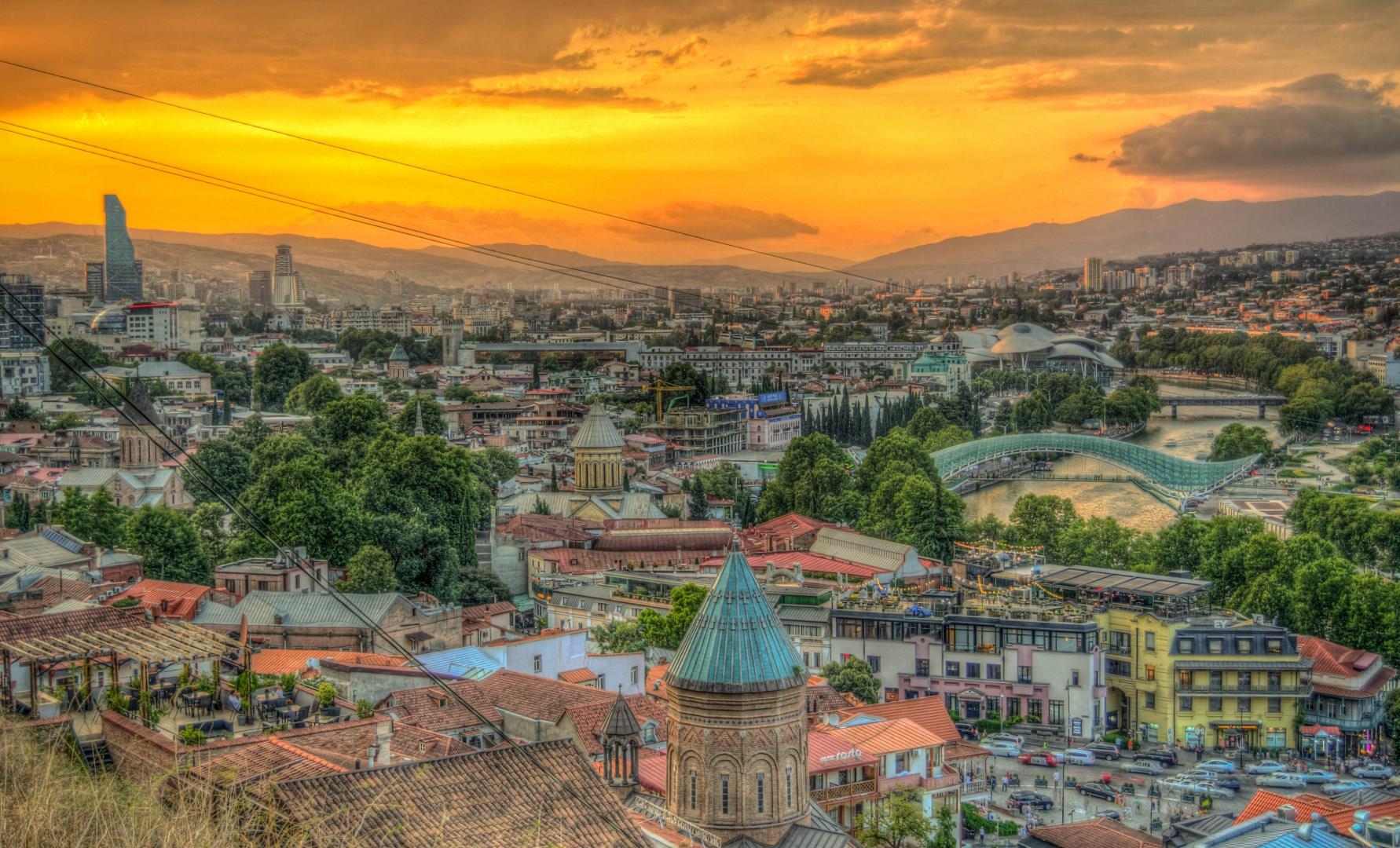
Tbilisi, the capital of Georgia, is a city where tradition and modern life blend seamlessly. Set along the banks of the Kura River and surrounded by hills, its layout reflects centuries of change and cultural exchange. The Old Town, with its cobbled lanes and wooden balconies, is a living museum of architecture, showcasing influences from Persian, Ottoman, and Russian eras. Above it all, the Narikala Fortress stands watch, offering sweeping views of the city below.
Akureyri
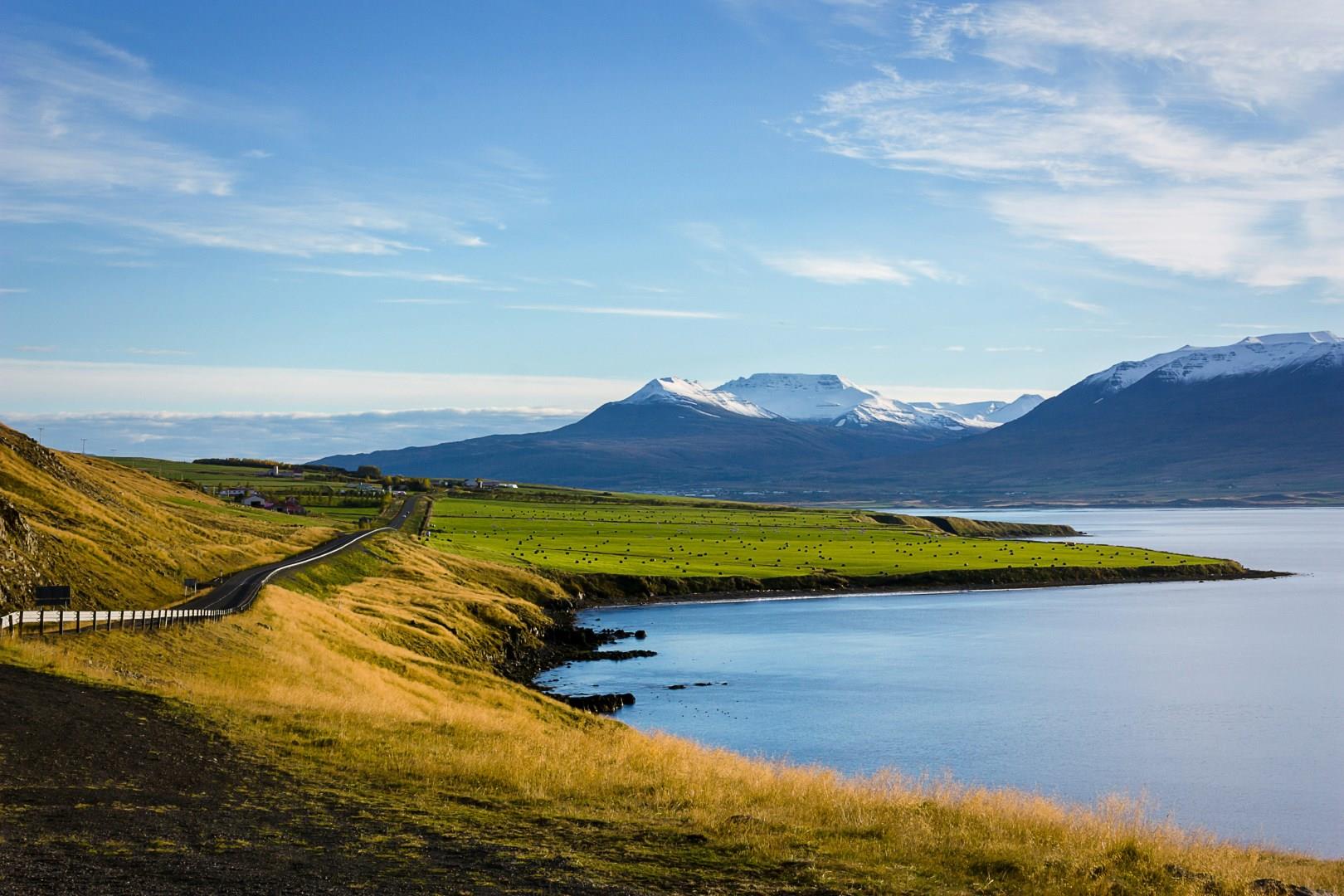
Akureyri, often referred to as the capital of North Iceland, offers travelers a distinct experience shaped by its Arctic location and rich local culture. Nestled at the base of Eyjafjörður fjord, the town has served as a trading center since the 1600s and continues to thrive with a mix of fishing, arts, and tourism. Within a few hours’ drive, visitors can reach the geothermal fields of Hverir, the volcanic craters at Lake Mývatn, and the powerful Goðafoss waterfall.
Boysun
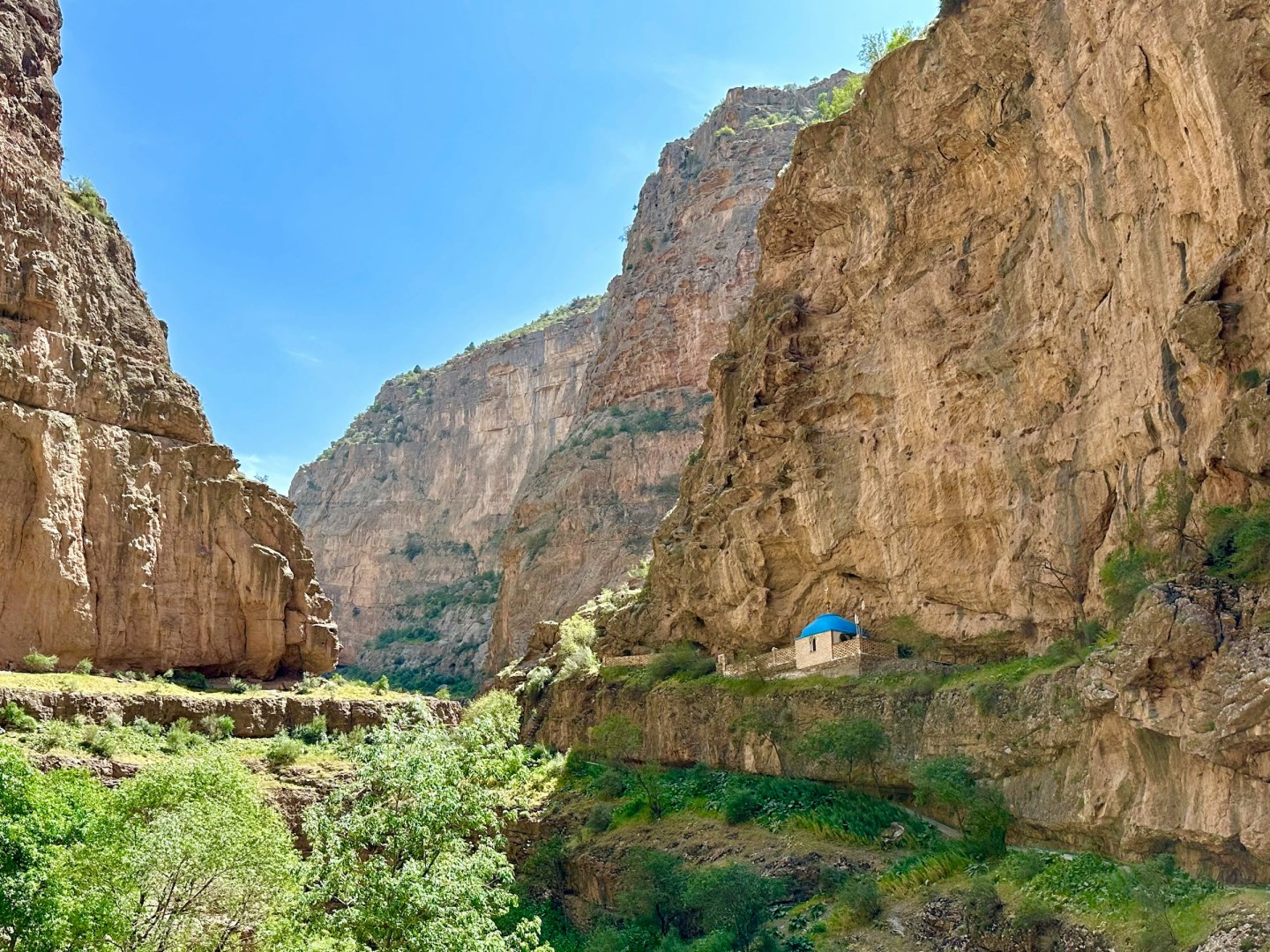
Boysun is a mountain town in the Surkhandarya Region of southern Uzbekistan, set near the western slopes of the Boysuntog‘ range. The surrounding area is known for rugged mountains, deep gorges, caves, and traditional settlements. Boysun’s remote setting has helped preserve distinctive customs, crafts, music, and oral traditions that remain an important part of local identity. The wider Boysun district is recognized by UNESCO for its cultural space, which includes traditional performing arts, ri
Neuquén
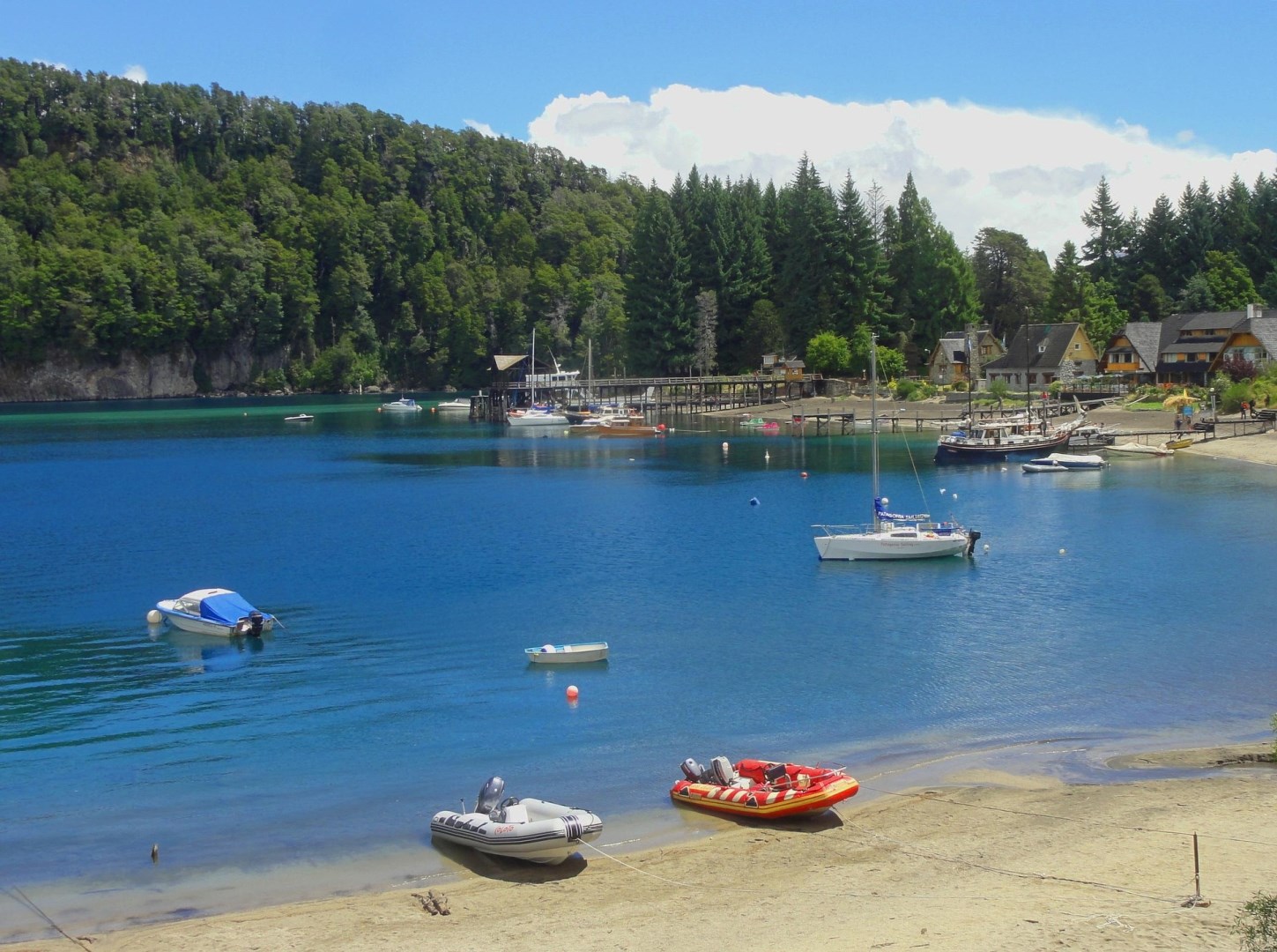
Province of Neuquen, Argentina is located near the Andes Mountains. It has attractive and wild scenery, virgin land, and lots of natural non-contaminated water springs. Its vegetation consists of small shrubs and Pampa grass. Various forms of wildlife can also be seen here such as ostriches, gray and red foxes, Patagonian Hares called "Maras" and many species of birds.

Chioggia
Chioggia, often called "Little Venice," is a hidden gem in the Veneto region of Italy, known for its picturesque canals, charming historic center, and vibrant seafood markets. Located just south of Venice on the Venetian Lagoon, this fishing town offers a more peaceful and authentic experience than its famous neighbor, while still boasting beautiful architecture and rich history.