Mekong River
The Mekong River, one of the world’s most iconic waterways, flows through six countries in Southeast Asia (China, Myanmar, Laos, Thailand, Cambodia, and Vietnam). Stretching over 4,300 kilometers, the Mekong weaves through lush landscapes, villages, and historic cities, making it an unforgettable destination for those seeking adventure. Cruising along the river is one of the best ways to explore its wonders, from the tranquil waters of Laos to the floating markets of Vietnam.
Blue Bay
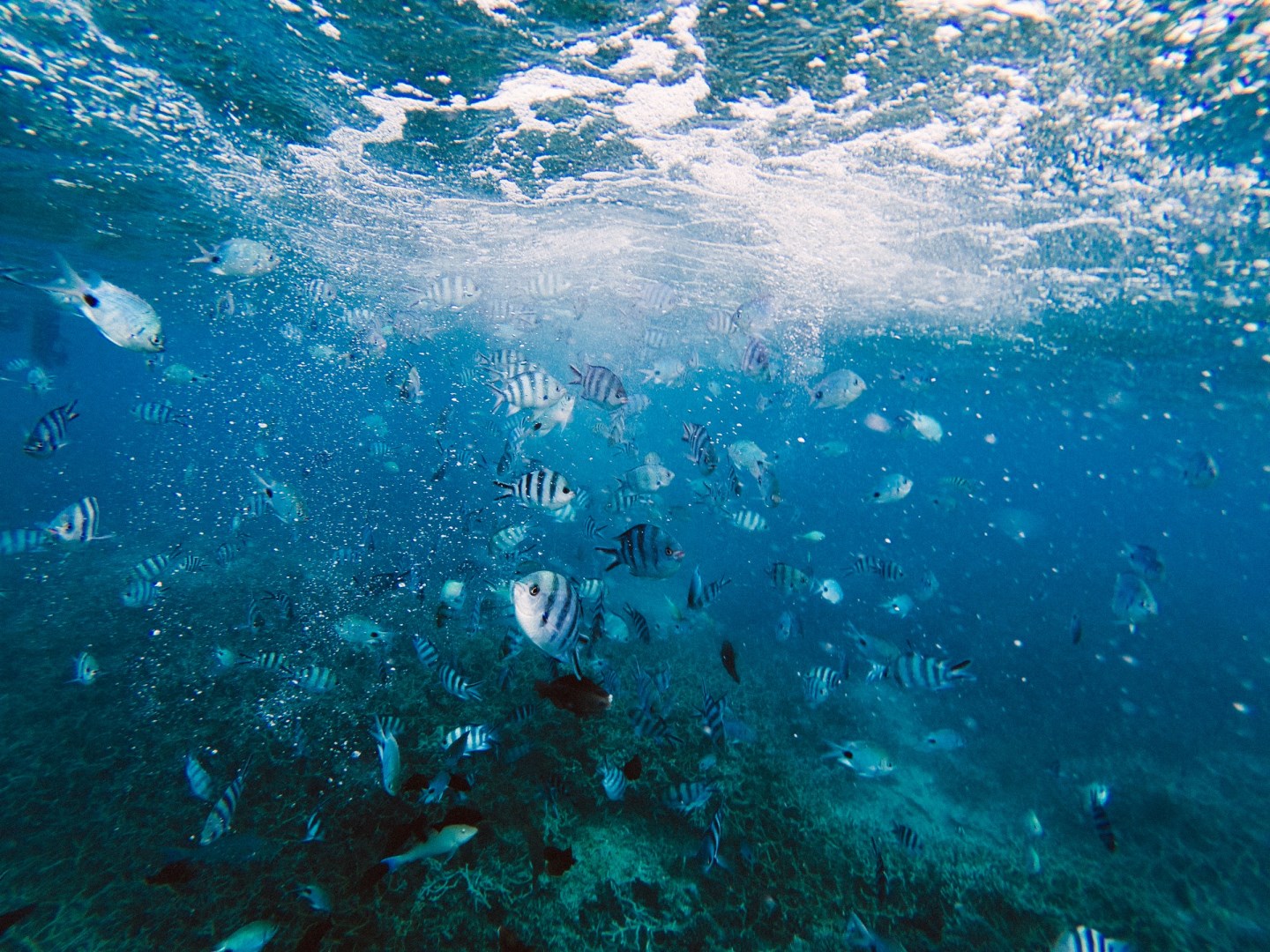
Blue Bay is a coastal village in southeastern Mauritius, within the district of Grand Port and close to Sir Seewoosagur Ramgoolam International Airport. It is best known for Blue Bay Marine Park, a protected lagoon where coral reefs and clear shallow waters support a rich variety of marine life. The village sits beside a curved sandy beach and sheltered bay, with views across the lagoon toward small offshore islets.
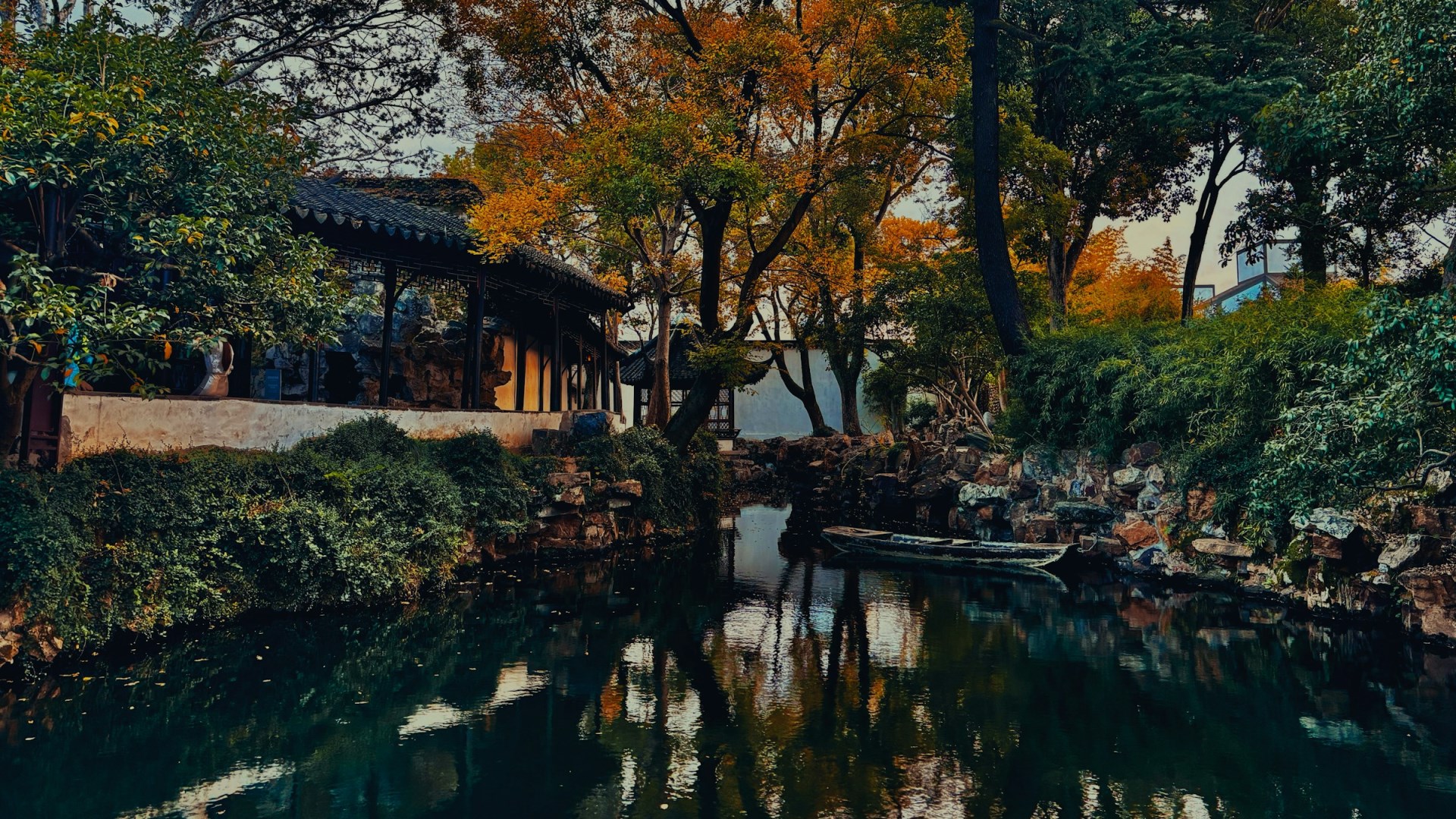
Suzhou
Suzhou, often referred to as the "Venice of the East," enchants visitors with its labyrinth of canals, classical gardens, and rich silk heritage. Located in eastern China's Jiangsu Province, Suzhou is famed for its beautifully preserved classical Chinese gardens, which are UNESCO World Heritage Sites.
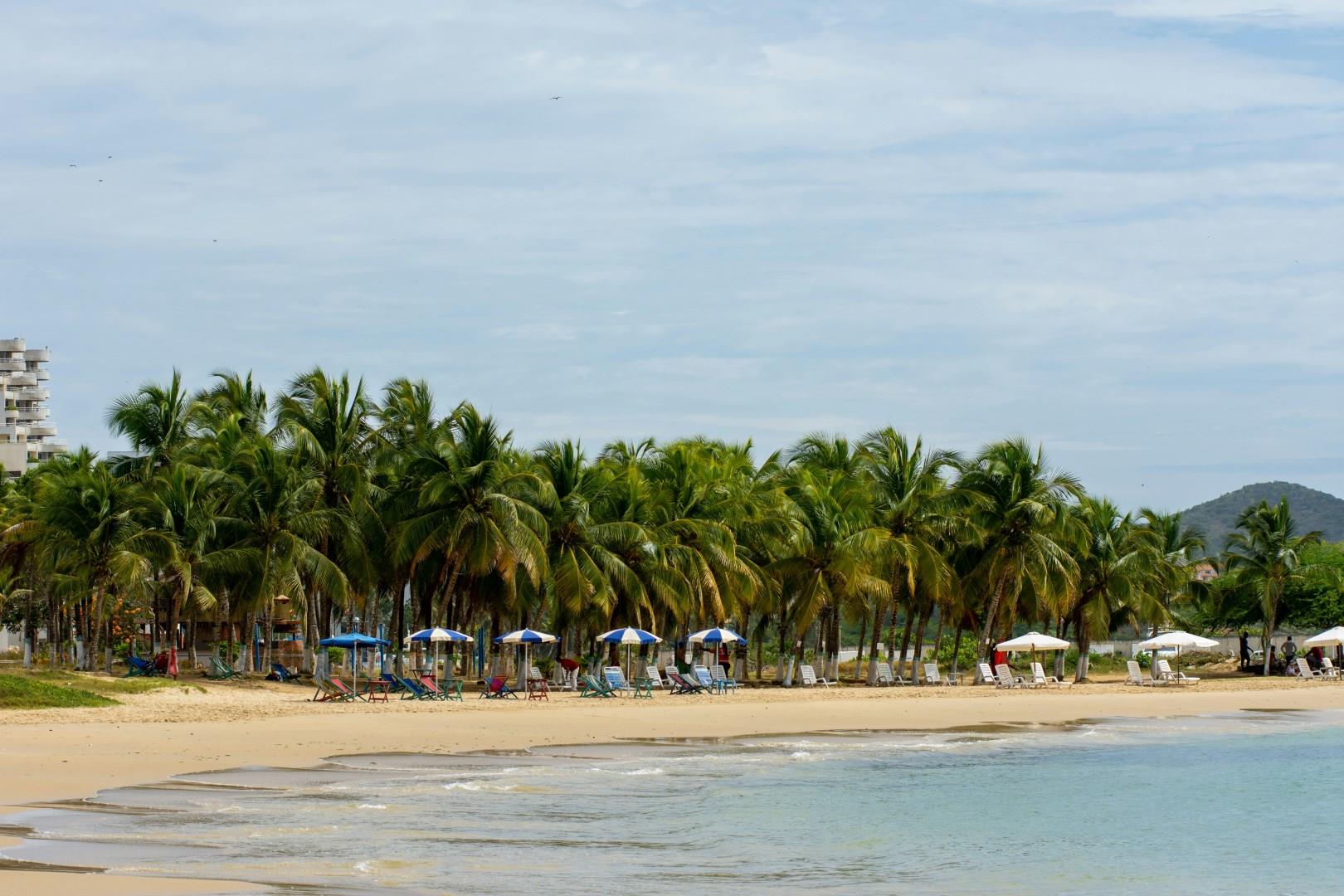
Margarita Island
Margarita Island, known locally as Isla de Margarita, sits just off Venezuela’s northeastern coast in the warm Caribbean Sea. The island's famous beaches span from quiet coves to wide-open shorelines. Playa El Agua stretches for over two miles with swaying palms and lively beachfront restaurants serving fresh snapper, tostones, and cold Polar beer. For those seeking less crowded sands, Playa Zaragoza offers calm waters and a glimpse of everyday coastal life.
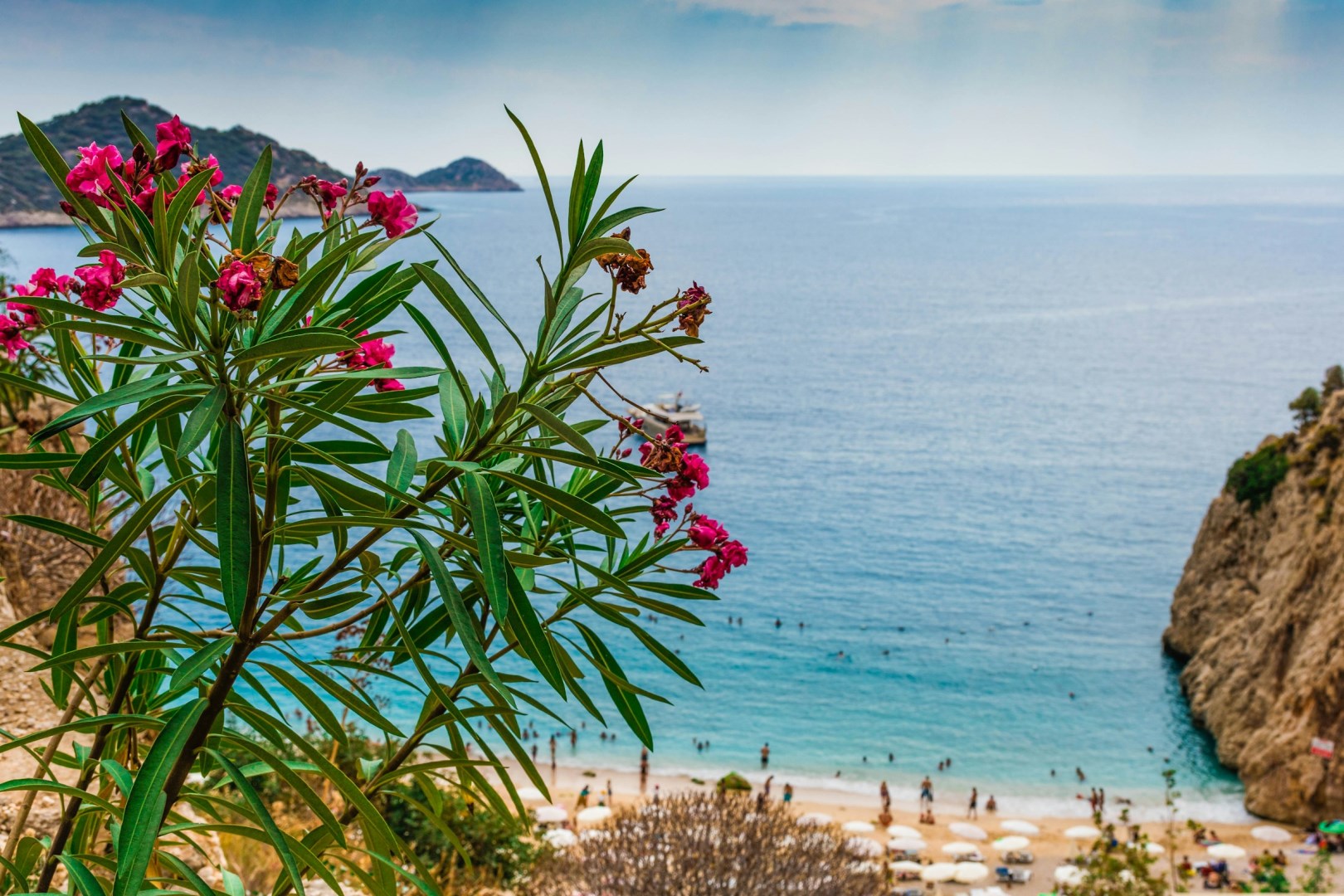
Kalkan
A lovely small hilltop town that overlooks a tiny bay. Narrow, winding streets lined with souvenir shops lead down to the charming marina.