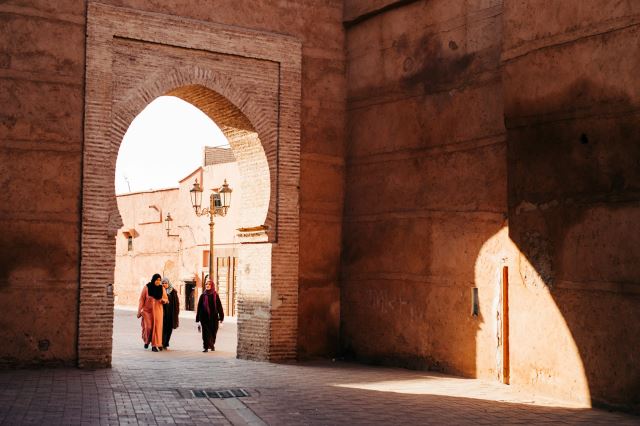
Nestled in the picturesque Eastfjords of Iceland, Seyðisfjörður is a small town that offers a unique blend of natural beauty and cultural charm. Surrounded by steep mountains and cascading waterfalls, the town is renowned for its vibrant arts scene and well-preserved wooden houses. Seyðisfjörður’s colorful architecture contrasts beautifully with the dramatic fjord landscape, creating a captivating setting for visitors.
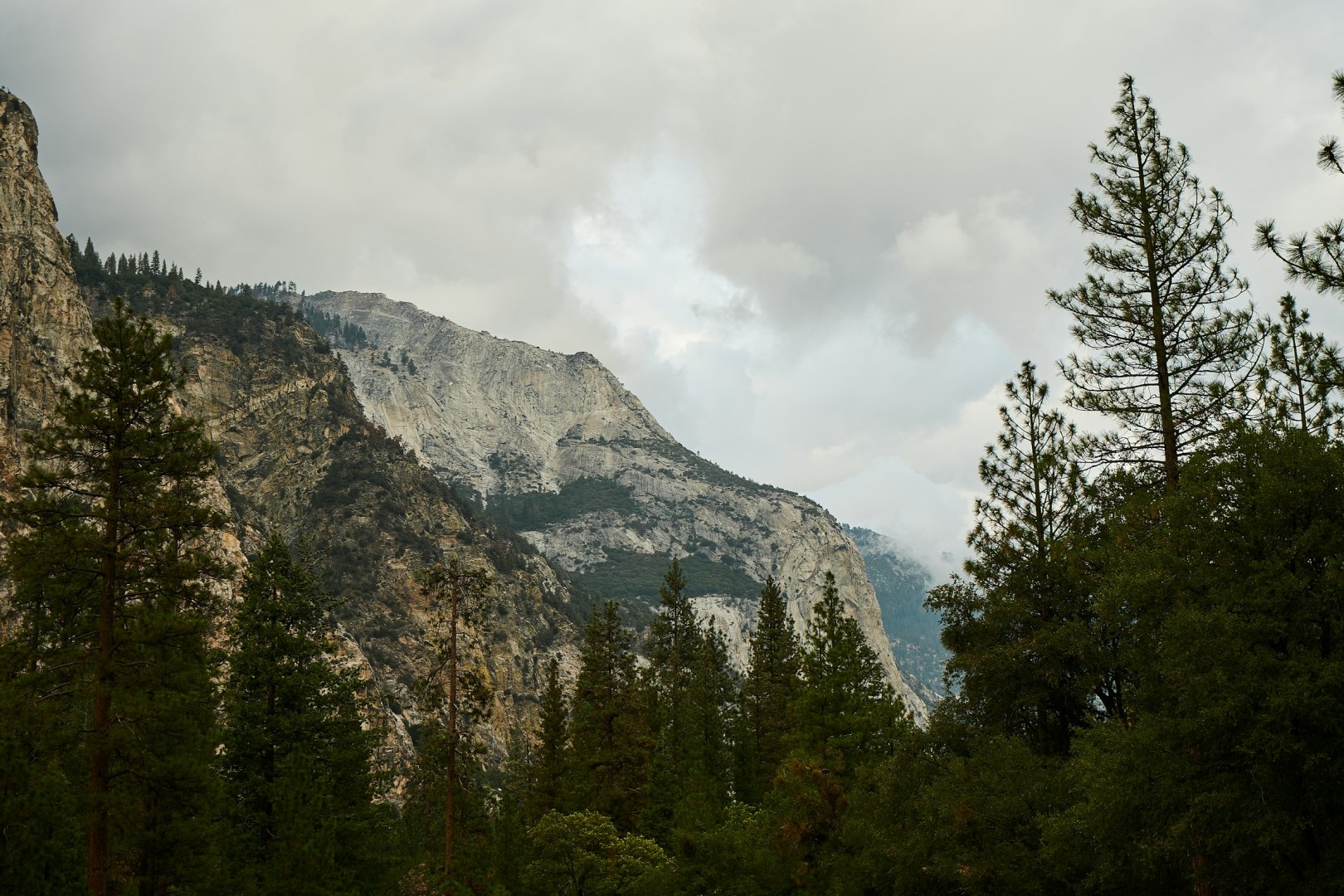
Located in the southern Sierra Nevada mountain range, Kings Canyon National Park feaures high mountain meadows, swift flowing rivers, groves of giant Sequoia trees, and many miles of hiking trails to explore it all.
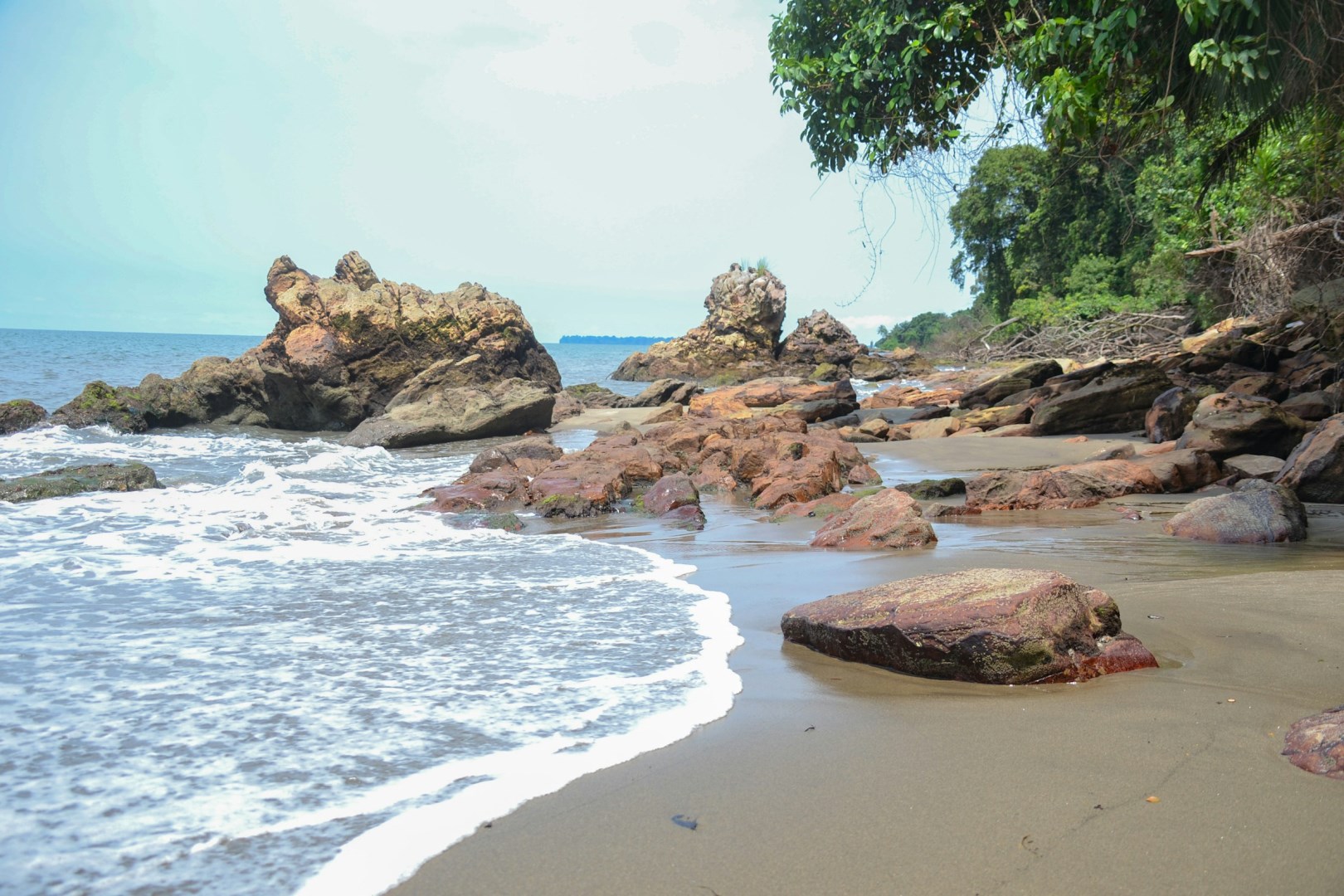
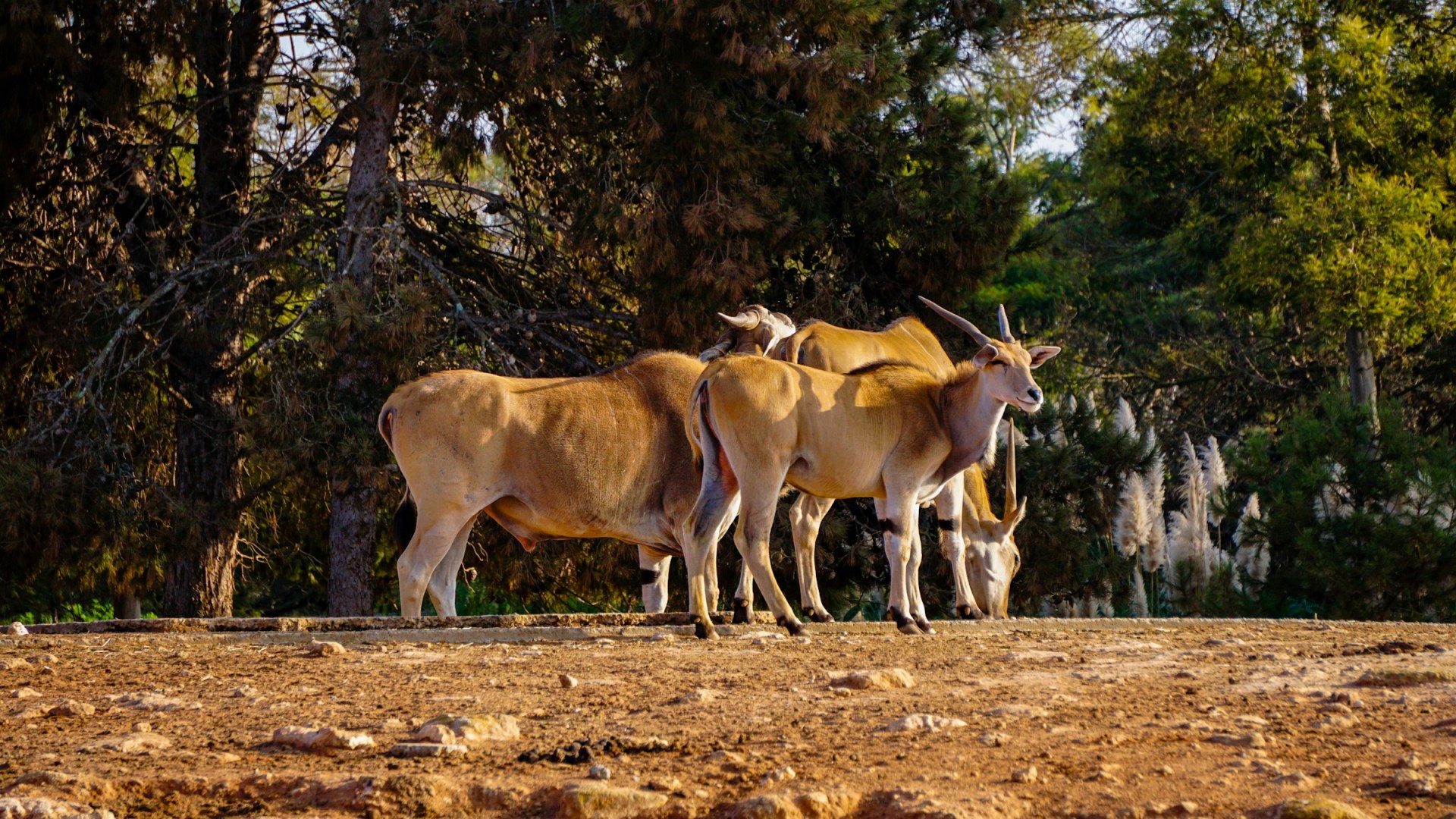
Gabon, located on the west coast of Central Africa, is a country of lush rainforests, vast savannas, and a pristine Atlantic coastline. Despite its small population, it is home to remarkable biodiversity, including gorillas, chimpanzees, forest elephants, and countless bird species. National parks such as Loango and Ivindo protect these habitats, offering visitors a chance to experience Africa’s wildlife in relatively untouched landscapes.
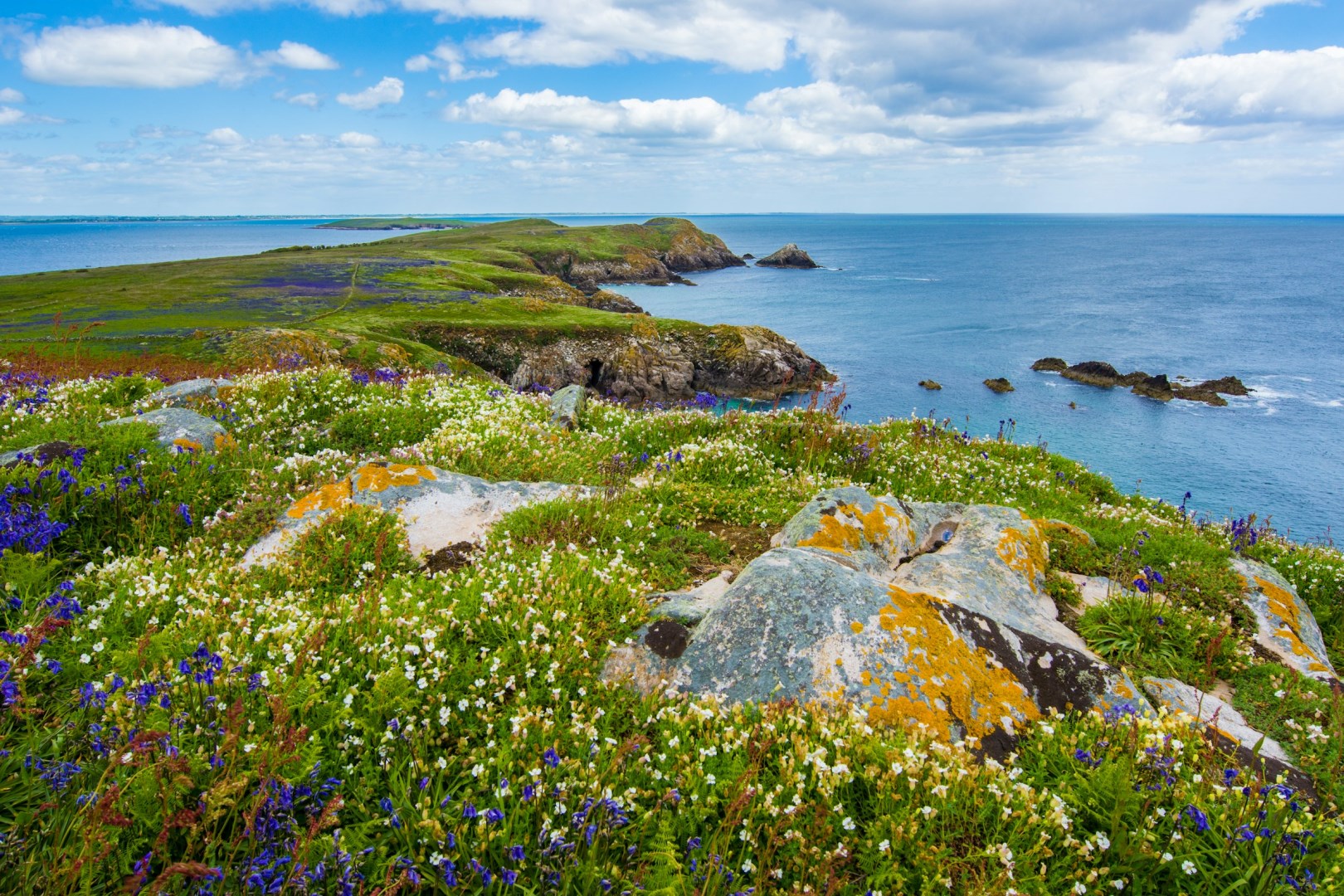
The Saltee Islands are a small archipelago in the Irish Sea off the coast of County Wexford, consisting of Great Saltee and Little Saltee. Great Saltee is the larger island and is known for its low grassy landscape, rocky shoreline, and extensive seabird colonies. The islands are privately owned but Great Saltee is accessible to visitors by boat during suitable conditions.
Jaipur, the capital of Rajasthan, is often called the “Pink City” for the terracotta-hued buildings that line its historic streets. Founded in 1727, it was one of India’s first planned cities, designed with wide avenues and grand public squares.
Photo Credit: hoto by Wim van 't Einde on Unsplash
Photo Credit: Photo by Abbas Jamie on Unsplash
Photo Credit: Photo by Hongbin on Unsplash
Photo Credit: Photo by Mohamed Abira on Unsplash
Photo Credit: Photo by Hongbin on Unsplash
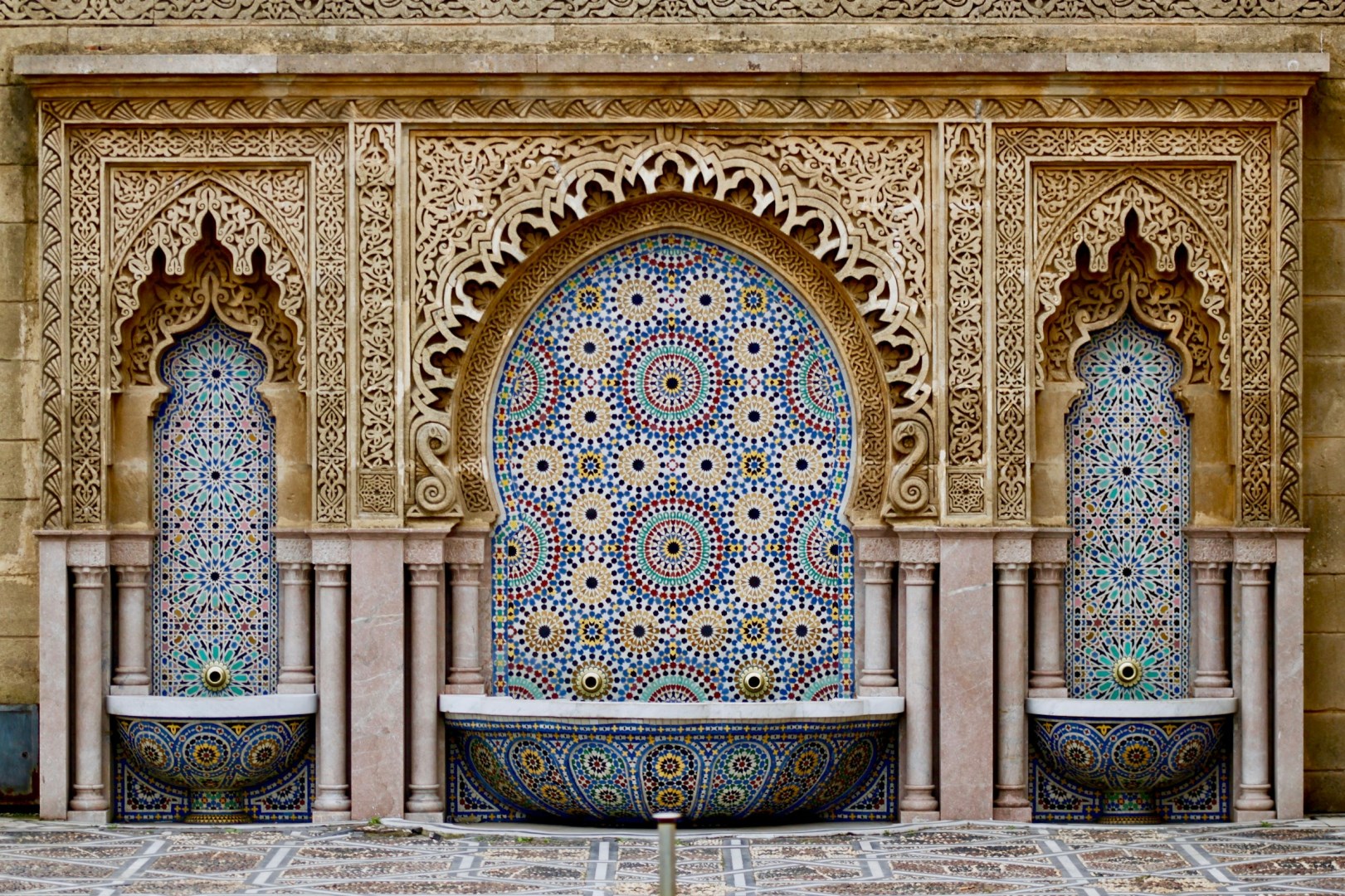
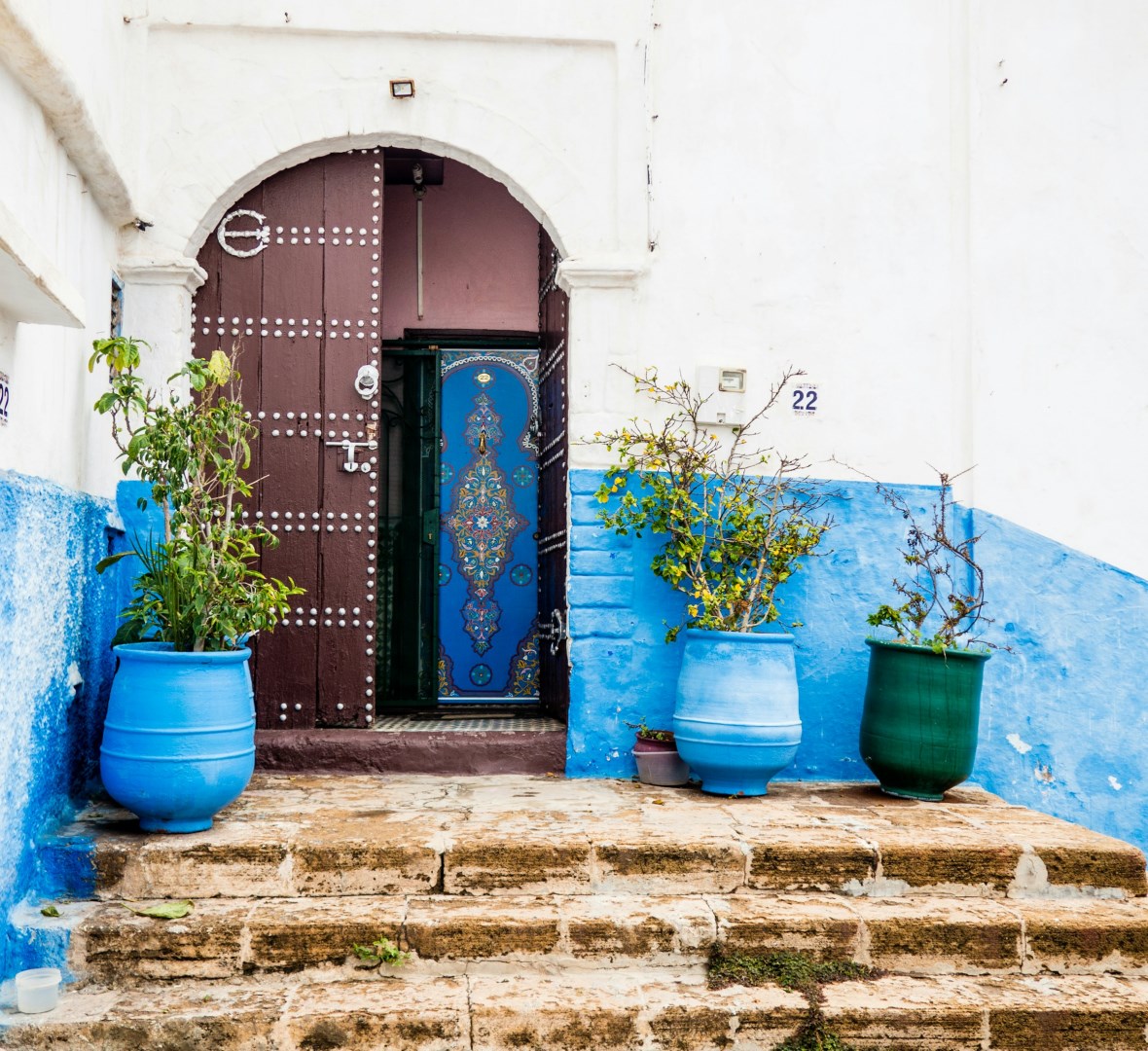
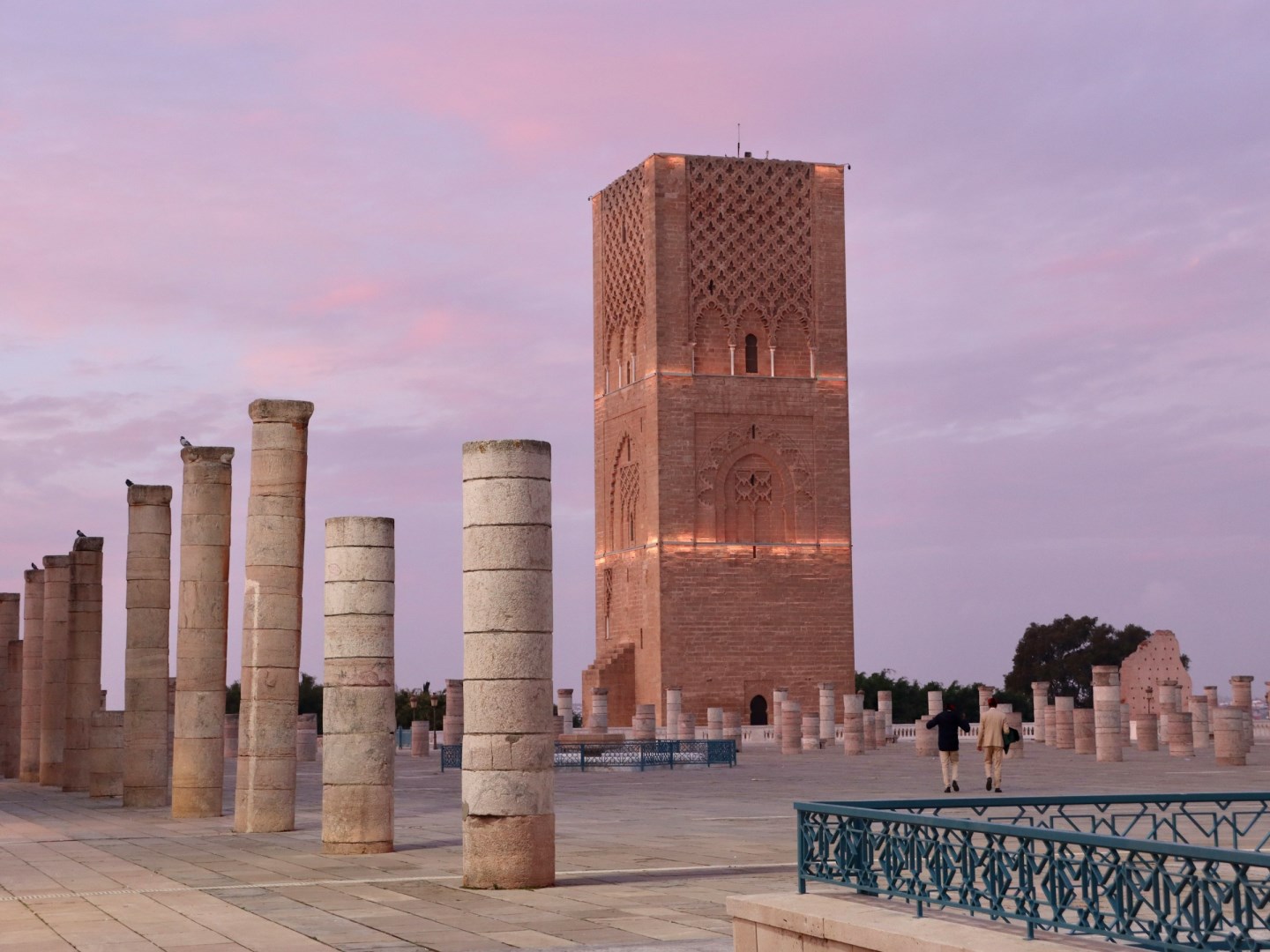
Rabat, the capital of the kingdom of Morocco, is located on the edge of the Atlantic Ocean on the left bank of the Bou Regreg Estuary. A city of trees and flowers, Rabat combines peace, beauty and Serenity, and is steeped in history. It is the residence of the King and the seat of government and embassies. Hassan II Avenue follows the Undulations' Wall, built in the seventeenth century, and separating the modern city from the medina.
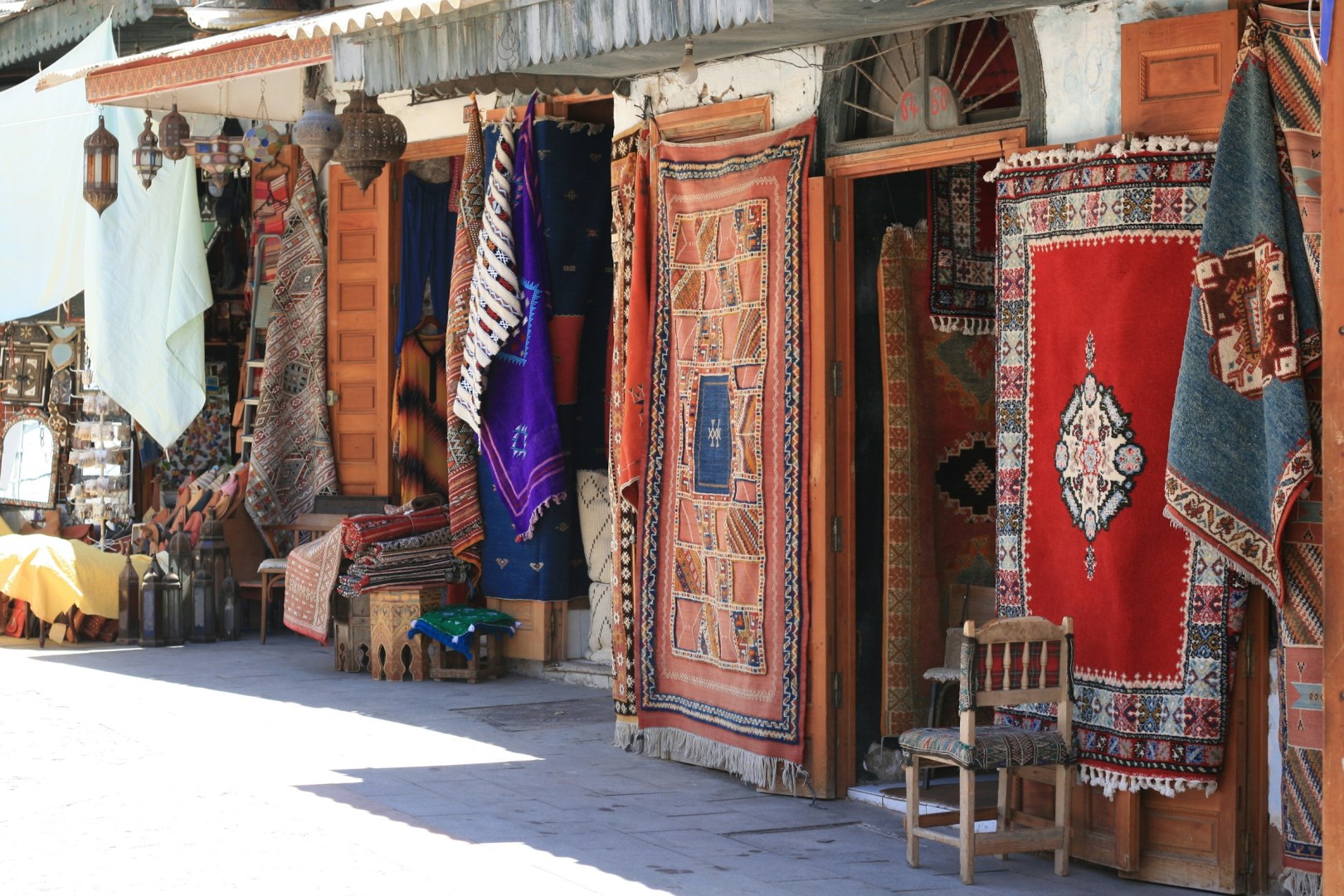
Souika Street is the main artery in the medina. The many foundouks (traditional cafes) and shops always give this axis a very lively atmosphere. The babuche and Moroccans leather ware sellers occupy "Sebbat Souk" (the footwear market), which is easily distinguished by the mat roofing. Going along Consules Street, where foreign diplomats lived until 1912, you will find curiosities, souvenirs and traditional Moroccan items: worked copper, worked leather, silk embroidery, Sale mats and the famous Rabat carpets.
Other Popular Destinations in Morocco
Marrakesh
Marrakesh, a vibrant jewel in the heart of Morocco, is a city where ancient traditions blend seamlessly with modern allure. Known as the "Red City" for its rose-hued buildings and walls, Marrakesh offers a sensory experience unlike any other. The city’s medina, a UNESCO World Heritage Site, is a labyrinth of narrow alleyways, bustling souks, and hidden courtyards.
Fès
A series of gates surrounds the two centers of ancient, medieval Fez (sometimes spelled Fes). The principal axes link the center to the gates and a street surrounds the heart of the old city. The Kairouan quarter, which is longer, is crossed by an artery. Narrow, tortuous pedestrian streets, covered passages, stairs and numerous dead-ends make up the dense layout with few urban squares.