La Palma
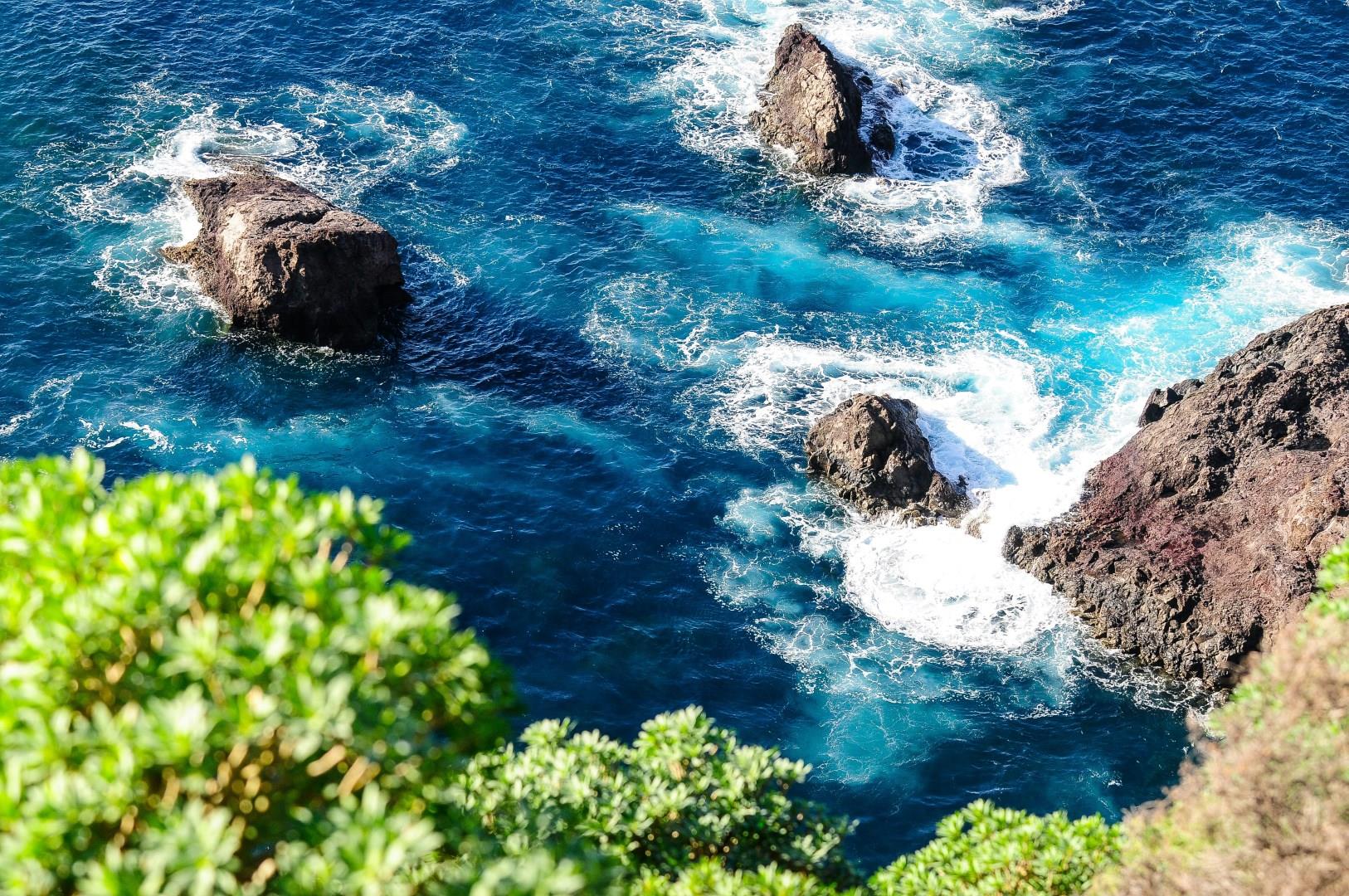
La Palma (also San Miguel de La Palma) is the fifth of Spain's Canary Islands. This mountainous volcanic island is a natural wonder of tropical vegetation. Its coast is lined by jagged cliffs and plunging ravines, and its beaches are covered with black sand. Thanks to dry climate and the height of its mountains creating excellent observation conditions, La Palma has become the home of some of the world's largest telescopes, seated on the rocky ridge called El Roque de los Muchachos.

Tallinn
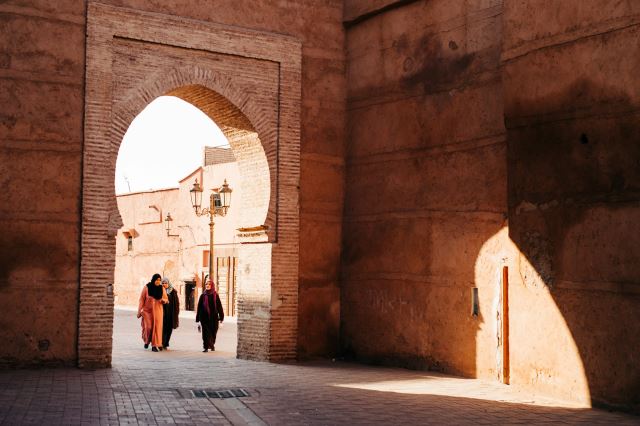
From grand castles to resplendent cathedrals, Tallinn’s Old Town neighborhood, a UNESCO World Heritage Site, is the perfect place to begin exploring. Enter through Viru Väravad, or Viru Gate, the former fortress whose remaining two towers beckon you into the heart of the city.
Padstow
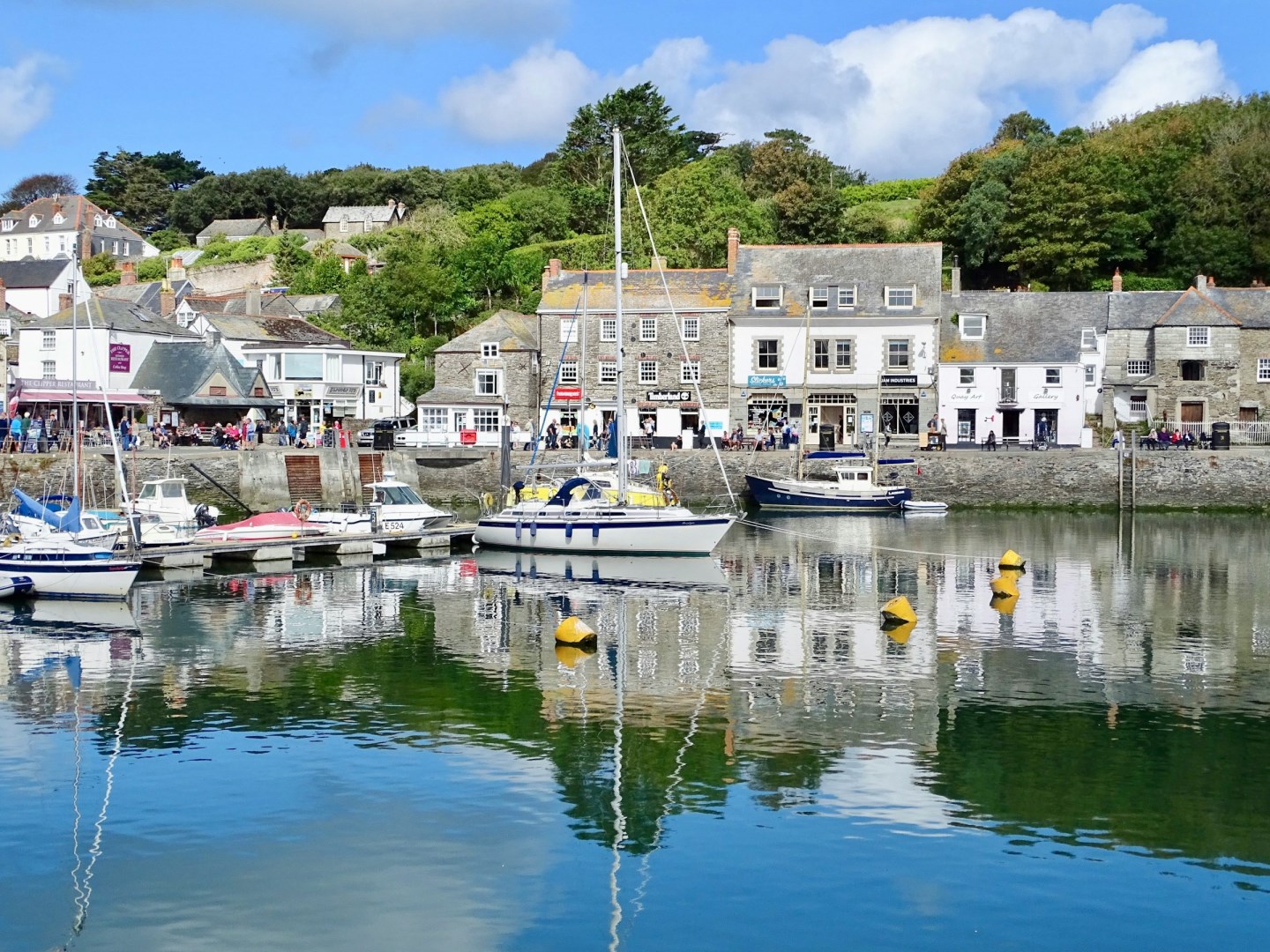
Padstow is a small harbour town on the north coast of Cornwall, set beside the Camel Estuary where the river meets the Atlantic. Its working harbour remains the centre of the town, surrounded by narrow streets, stone buildings, independent shops, cafés, and restaurants. The waterfront also provides views across the estuary toward Rock and the surrounding coast.
Saltee Islands
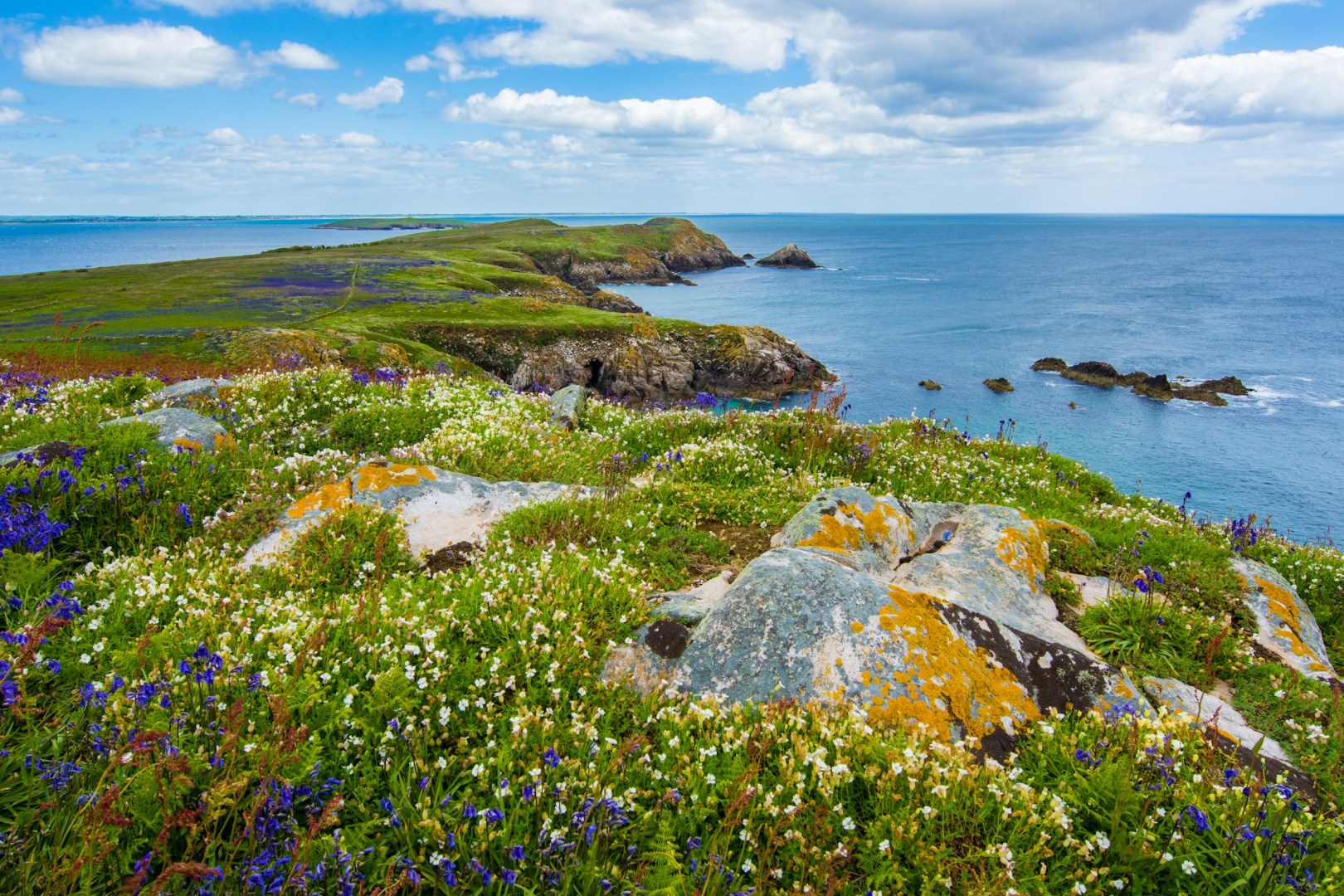
The Saltee Islands are a small archipelago in the Irish Sea off the coast of County Wexford, consisting of Great Saltee and Little Saltee. Great Saltee is the larger island and is known for its low grassy landscape, rocky shoreline, and extensive seabird colonies. The islands are privately owned but Great Saltee is accessible to visitors by boat during suitable conditions.
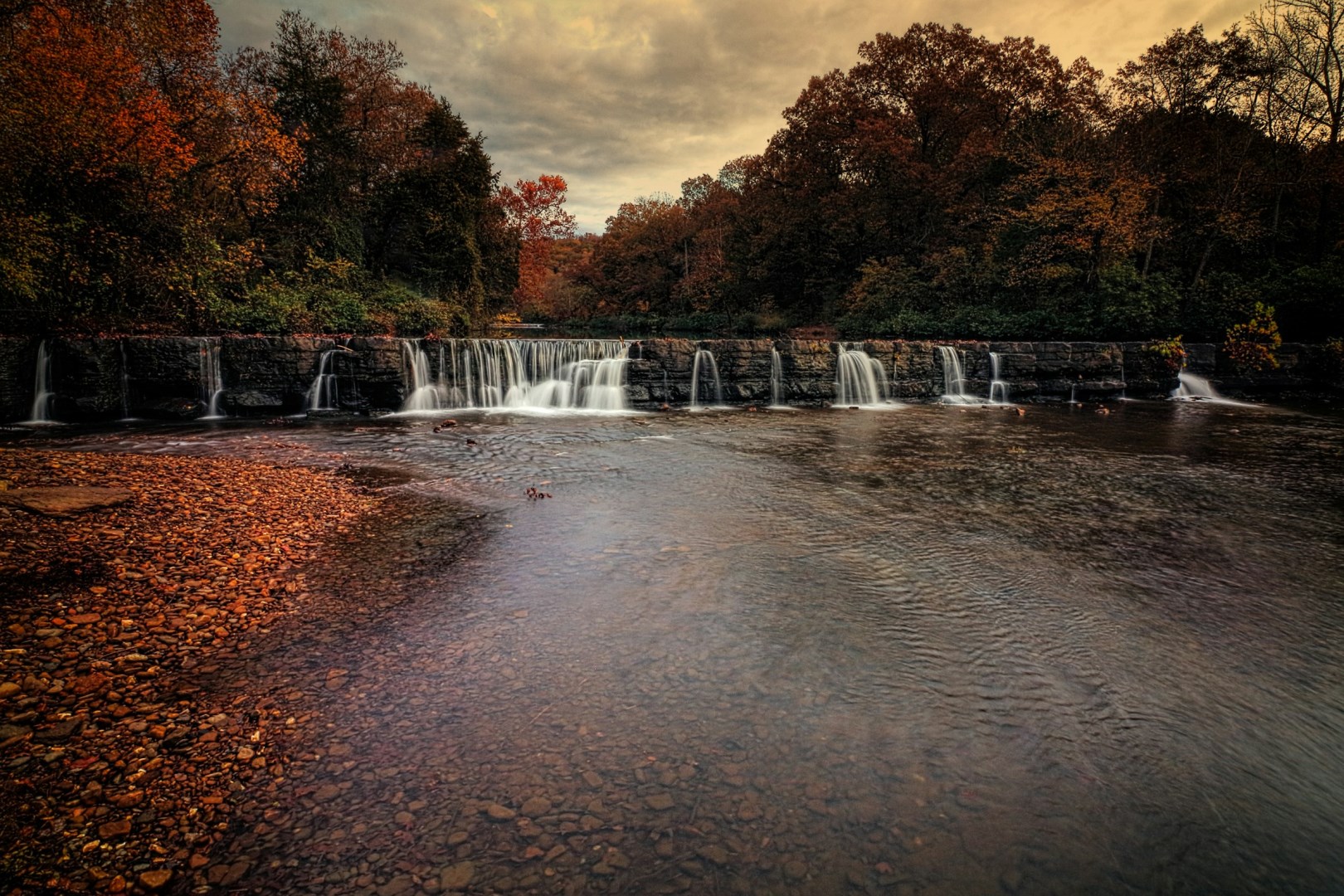
Van Buren
Van Buren is a historic river city in western Arkansas, situated along the Arkansas River near the foothills of the Ozark Mountains. Its location has long connected the community with river travel, railroads, and routes through the Arkansas River Valley. Downtown Van Buren is particularly distinctive, with six blocks of restored buildings forming the Main Street National Historic District.