York
York, England, is a city where over 2,000 years of history comes to life. Originally founded by the Romans in 71 AD as Eboracum, York has witnessed the rise and fall of empires, from the Vikings to the Normans. Today, the city retains its medieval charm, with its historic York Minster, one of the largest Gothic cathedrals in Northern Europe, standing proudly as its centerpiece.

Haines
Haines is a charming stop in the Alaska Panhandle and a gateway to Glacier Bay National Park and Tongass National Forest.
Reims
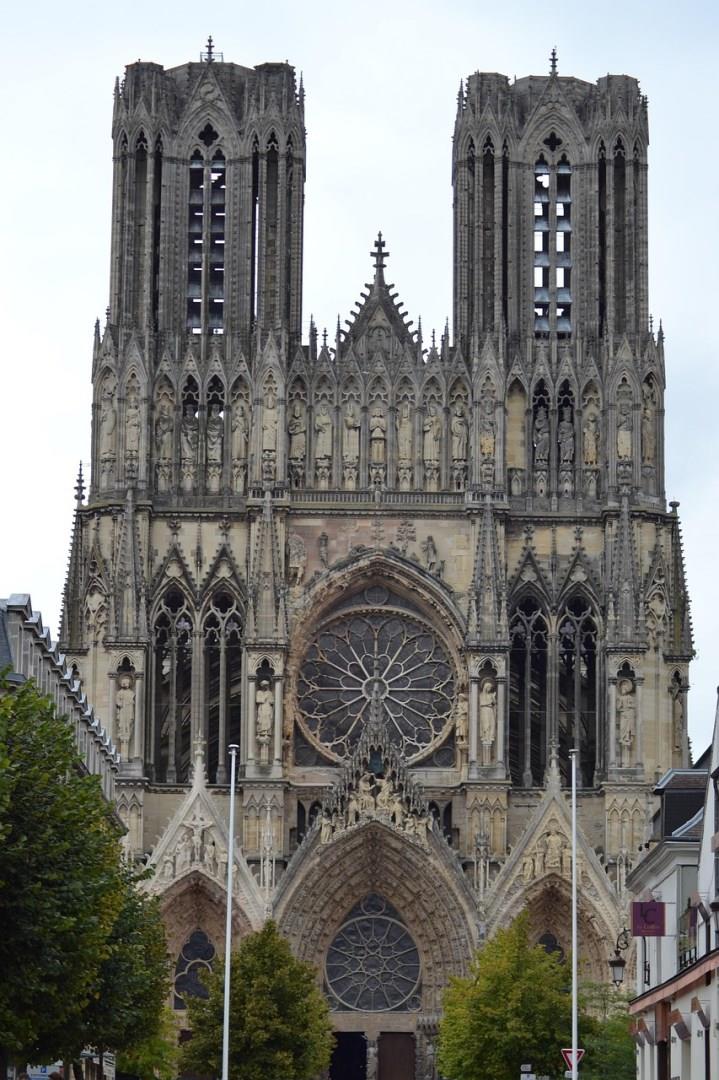
France’s city of Reims, located in the heart of the Champagne region, is a place where history and celebration meet. Known for its towering cathedral, Reims played a central role in French royal tradition. Nearly every French king was crowned at the Cathedral of Notre-Dame de Reims, a masterpiece of Gothic architecture that still dominates the skyline. The cathedral’s intricate facade and famous stained-glass window continue to draw visitors from around the world.

Kampong Cham
Kampong Cham, nestled along the banks of the Mekong River, is a captivating destination that offers a blend of cultural heritage and natural beauty. This charming city is renowned for its picturesque landscapes, including the iconic Ko Paen Bamboo Bridge, which is rebuilt annually after the rainy season. Visitors can stroll through streets lined with French-colonial architecture, giving the city a quaint and historic ambiance.

Saranda
Saranda, a coastal town in southern Albania, is a hidden gem with stunning beaches and crystal-clear waters. The town's vibrant promenade is lined with cafes, restaurants, and shops. Saranda is known for its mild Mediterranean climate, making it a year-round destination for those looking to escape colder weather. During the summer months, Saranda's population multiplies several times.