Tajikistan
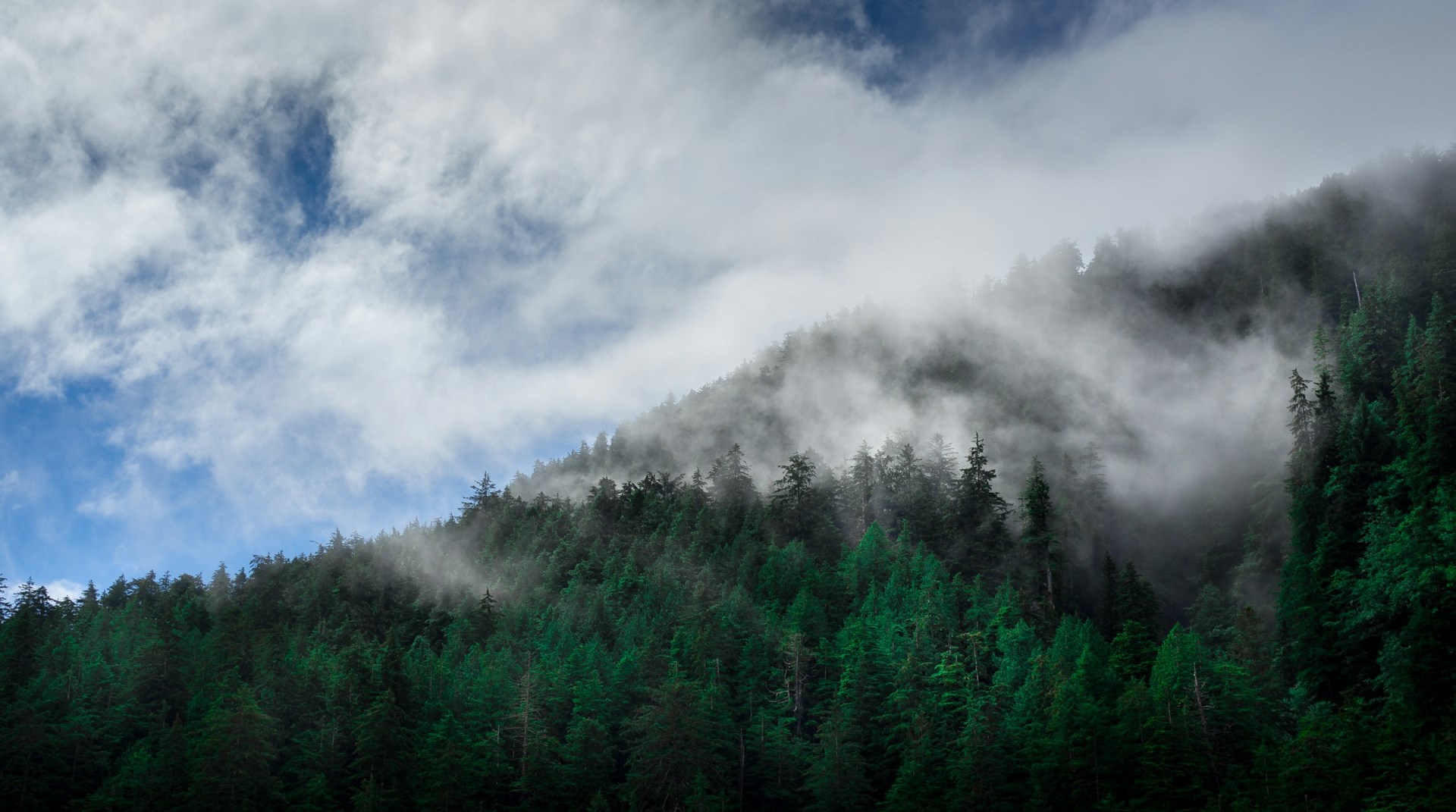
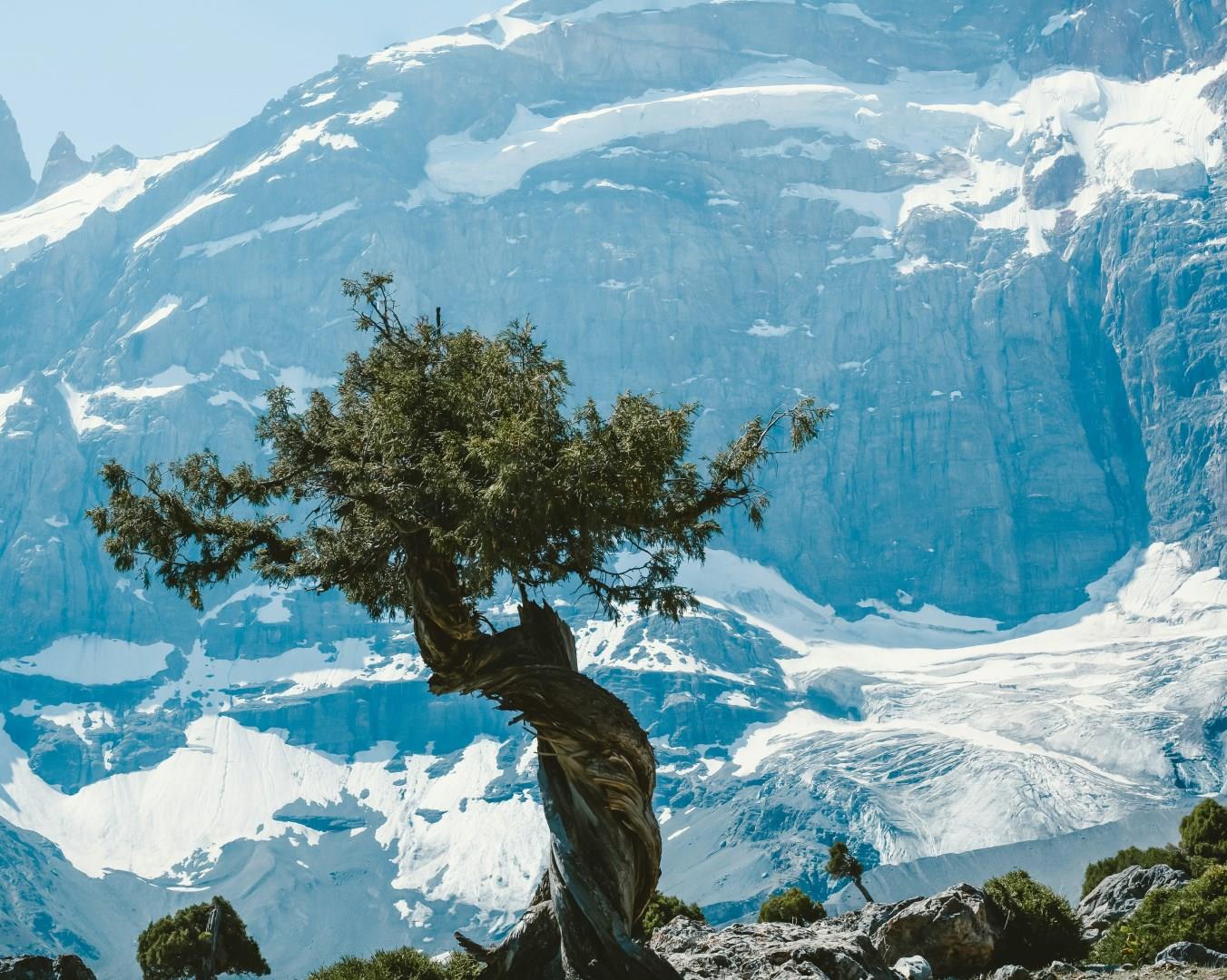
Tajikistan, a landlocked country in Central Asia, is defined by its dramatic mountain landscapes, including the towering Pamir and Fann ranges. These rugged peaks and deep valleys create a striking backdrop for ancient Silk Road sites and traditional villages, reflecting the country’s historical importance as a crossroads of cultures.
Big Sky
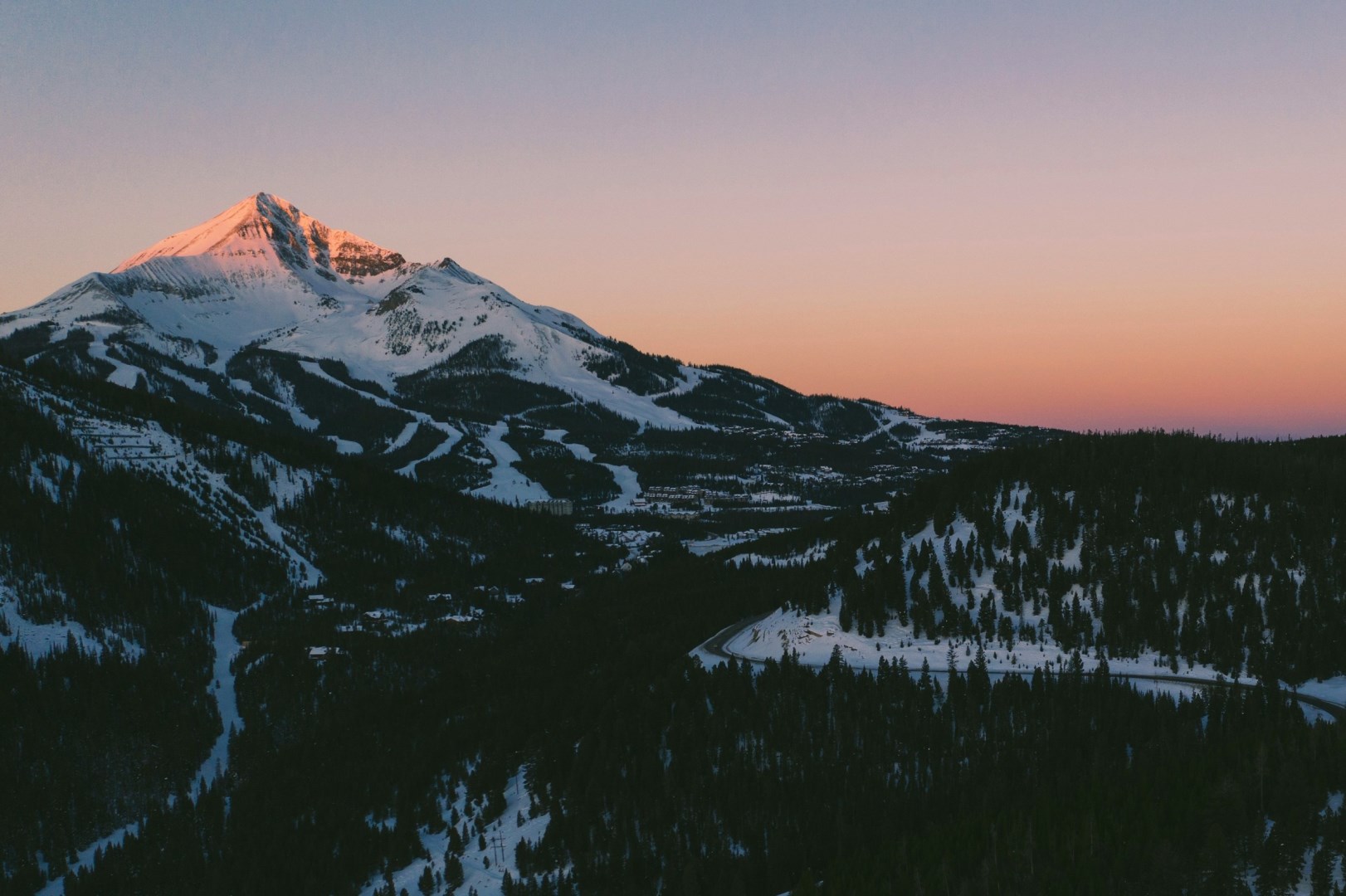
Big Sky, located in southwestern Montana, is a mountain town renowned for its expansive wilderness, world-class skiing, and outdoor adventure opportunities. Nestled between the Spanish Peaks and the Gallatin Range, it offers a dramatic backdrop of rugged mountains, dense forests, and alpine meadows.
South Shetland Islands
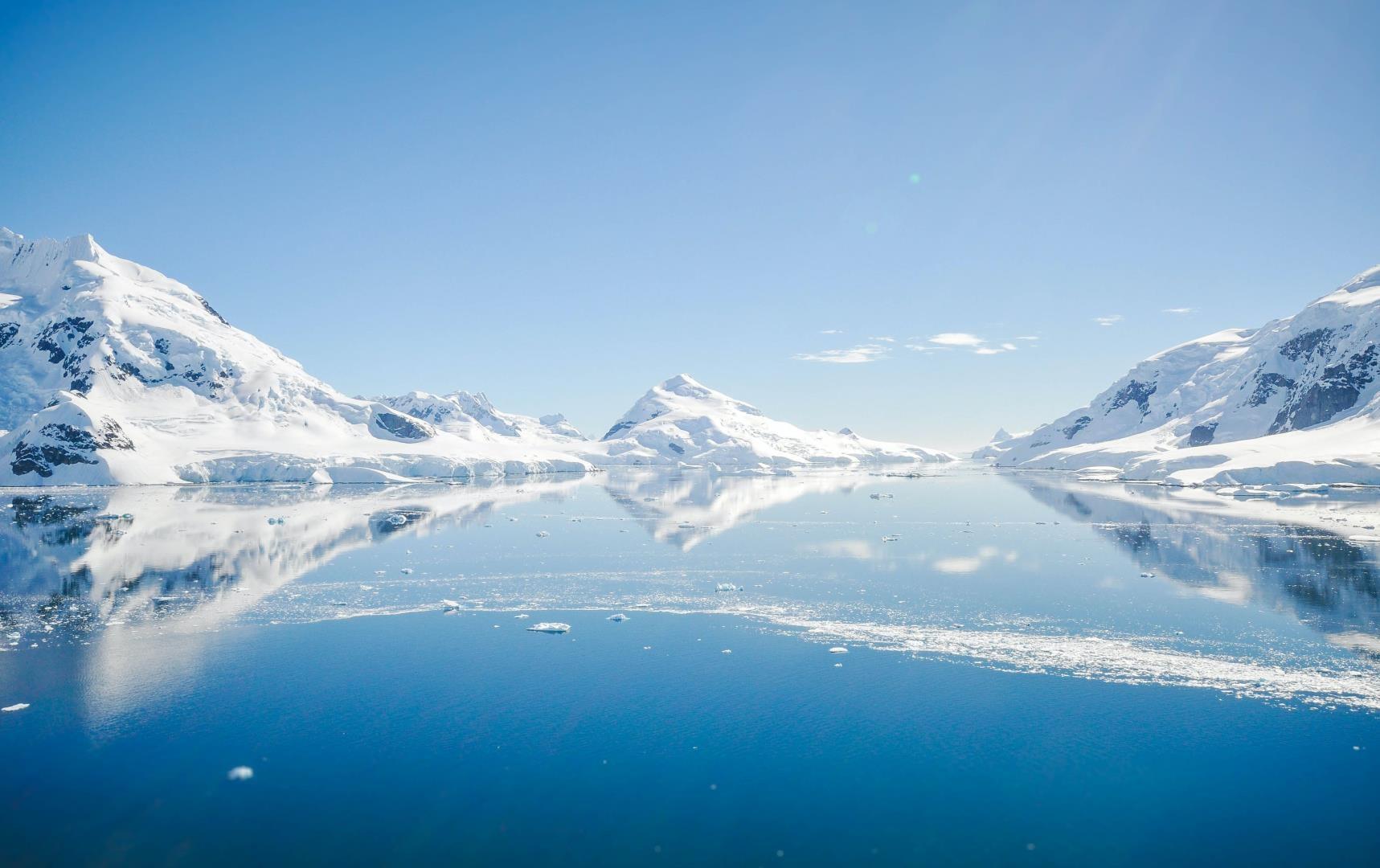
Mist, research stations, and penguins are just a few of the things that define the South Shetland Islands, an archipelago off the coast of Antarctica. These 11 Antarctic islands, most notably King George Island, have served as a base for researchers from Chile, Argentina, and a variety of other countries. The archipelago has also become a popular cruise destination for tourists to the Antarctic region.
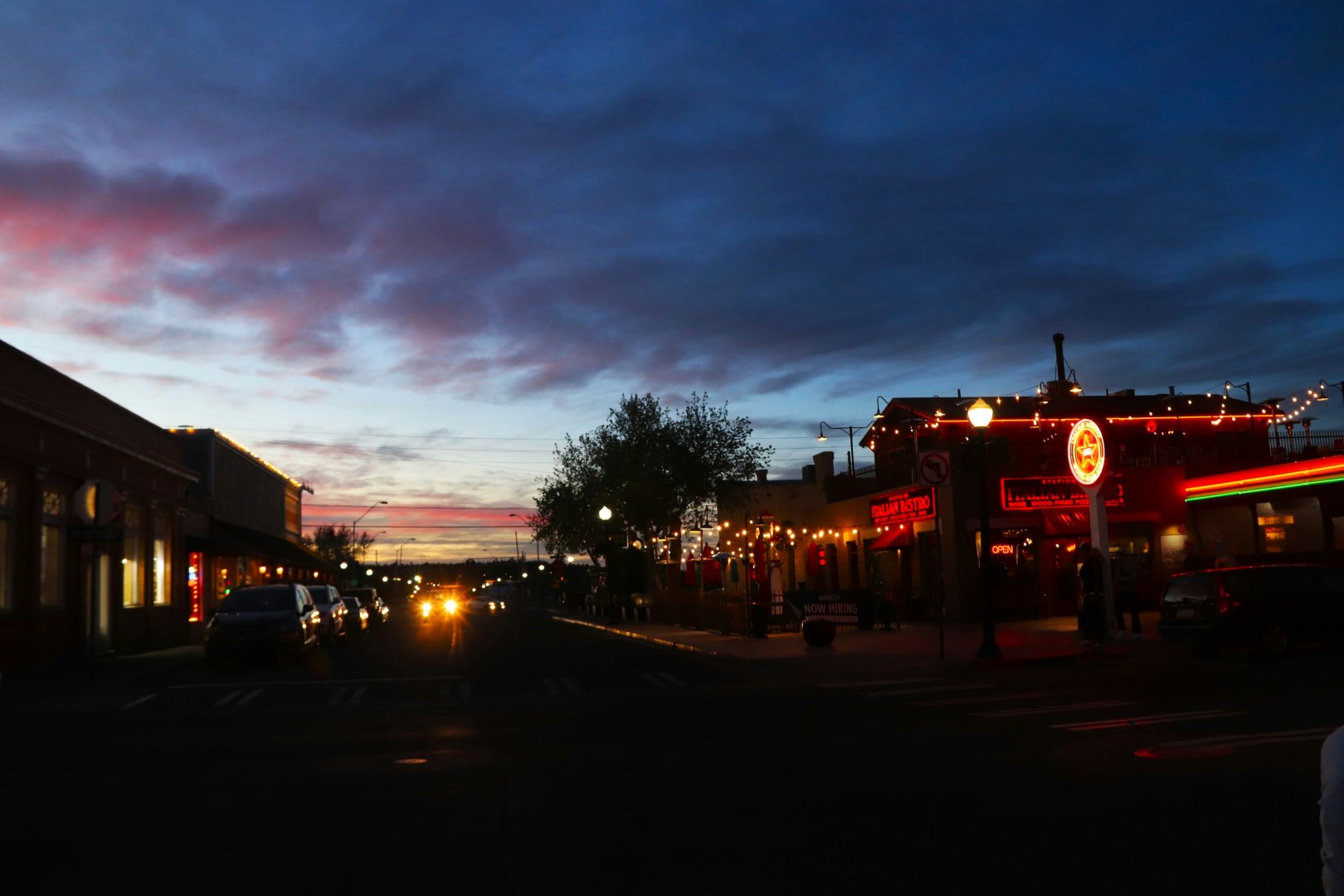
Williams
Williams is a small city in northern Arizona, located along historic Route 66 and near the edge of the Kaibab National Forest. It is often known as the “Gateway to the Grand Canyon” due to its role as a departure point for the Grand Canyon Railway.

Banff
Banff, nestled in the heart of the Canadian Rockies, is one of Canada’s most celebrated mountain towns and a gateway to Banff National Park, a UNESCO World Heritage Site.