Beaverton
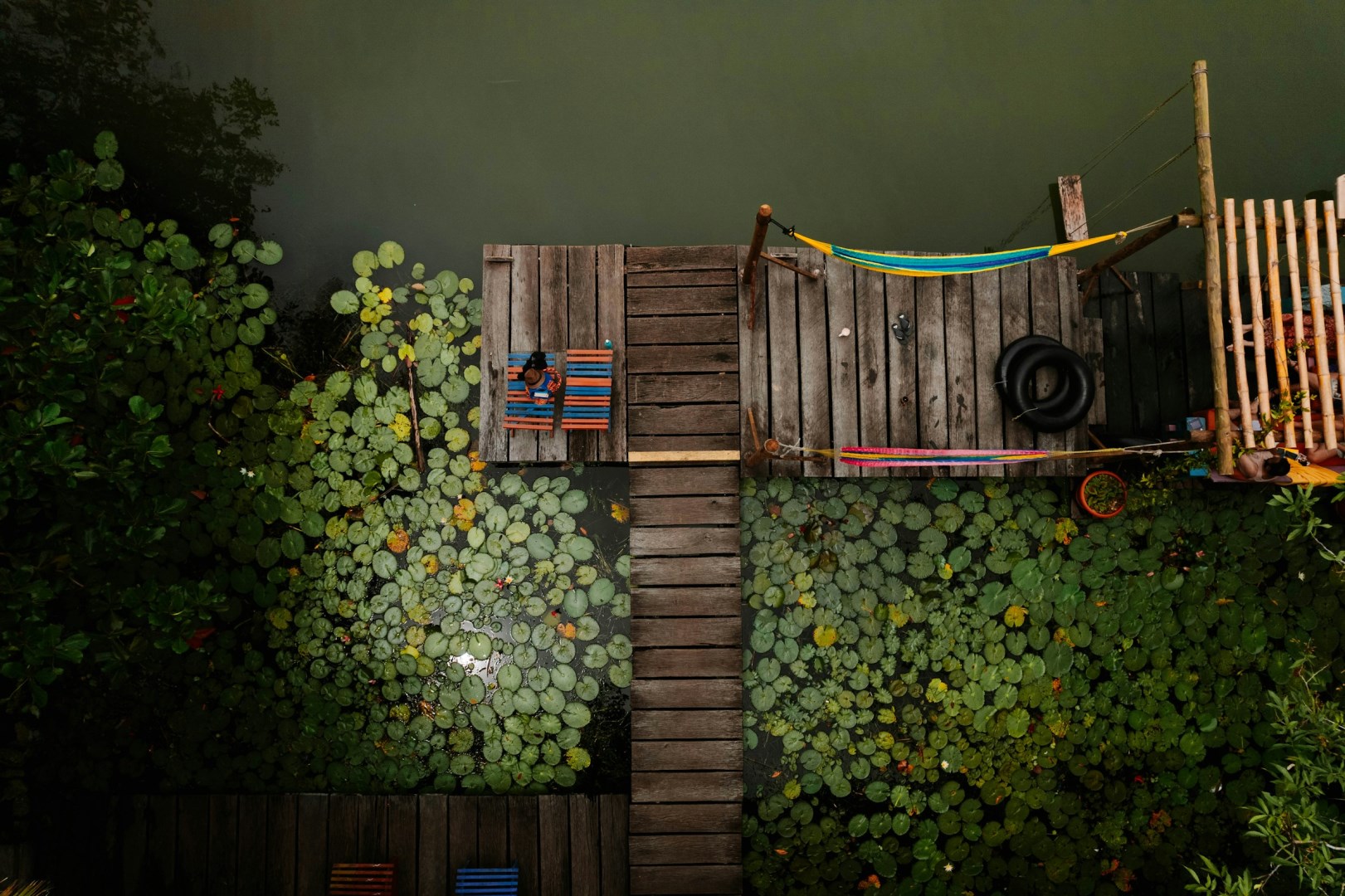
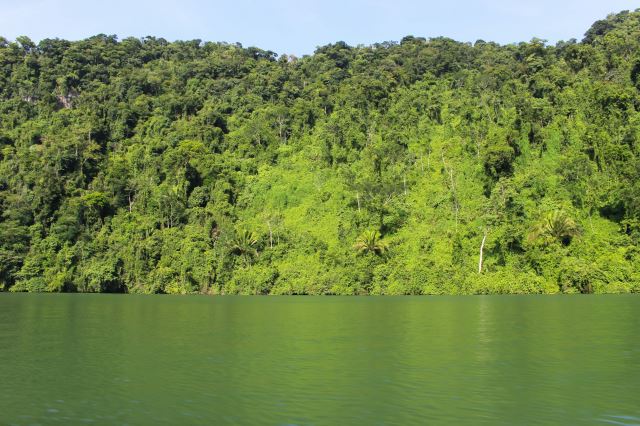
Beaverton is a city in northwestern Oregon, located just west of Portland in the Tualatin Valley. The community combines a developed urban center with wetlands, creeks, parks, and areas of remaining farmland. Its position between the Coast Range and the Portland metropolitan area has made Beaverton both a residential community and an important employment center.
Macau
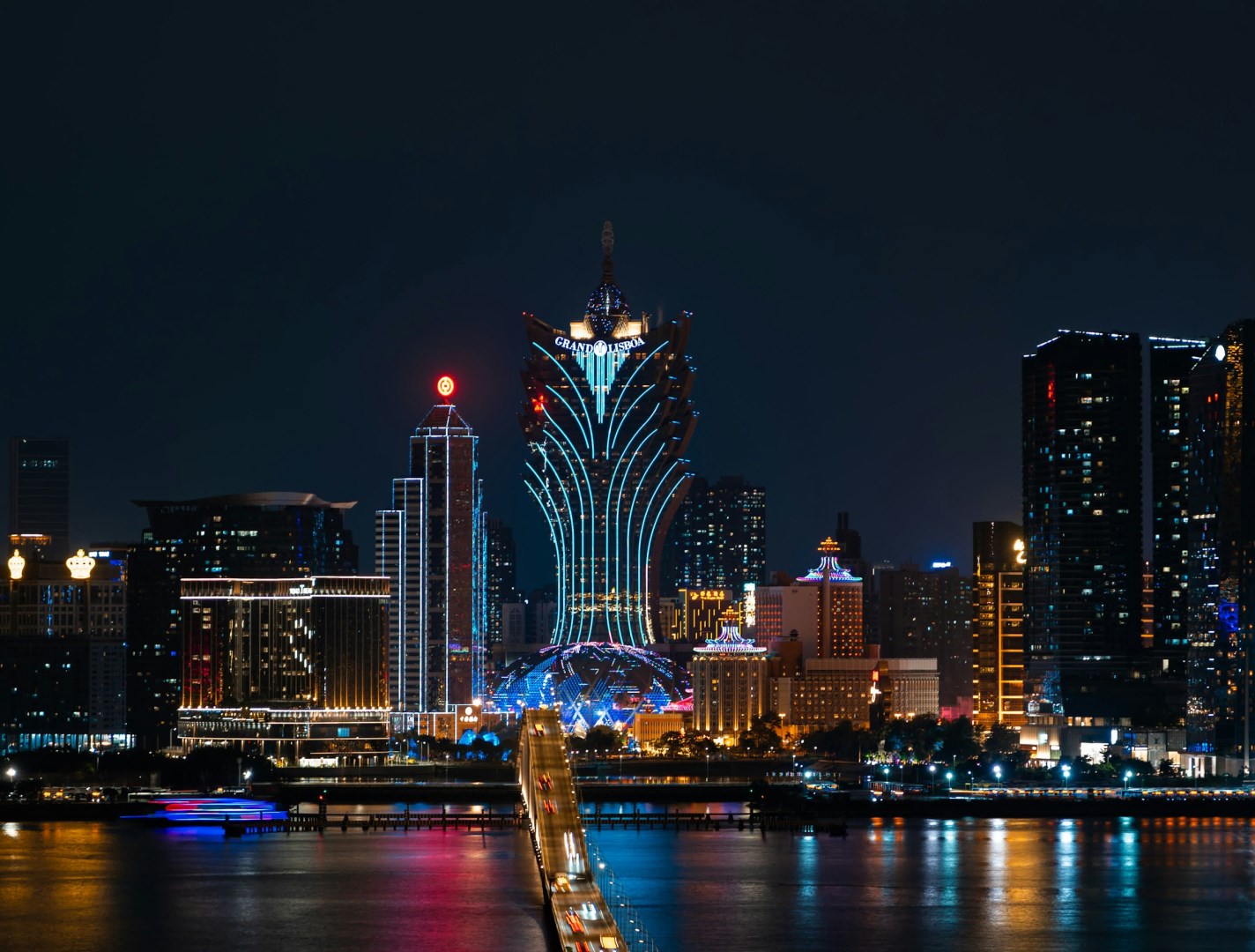
The city of Macau, located on the Pearl River Delta, is a destination where centuries of history meet modern vibrancy. Once a Portuguese colony, its streets still carry the marks of European influence: ornate churches, tiled plazas, and pastel façades sit alongside traditional Chinese temples and narrow alleyways filled with shops and markets.

Taraz
Taraz is a historic city in southern Kazakhstan, located in the Talas River valley near the Kyrgyzstan border. Its position along the routes linking Central Asia with China made it an important center of trade and settlement, and archaeological remains around the city reveal its long role as a regional crossroads. Today, Taraz combines modern urban life with mausoleums, archaeological parks, museums, and remnants of ancient settlements.

La Goulette
La Goulette, a charming port town just north of Tunis, is a delightful destination for travelers seeking a blend of history, culture, and seaside relaxation. Known for its vibrant atmosphere, La Goulette offers visitors a chance to explore its bustling markets, enjoy fresh seafood at local restaurants, and relax on its beautiful beaches.
Flatey
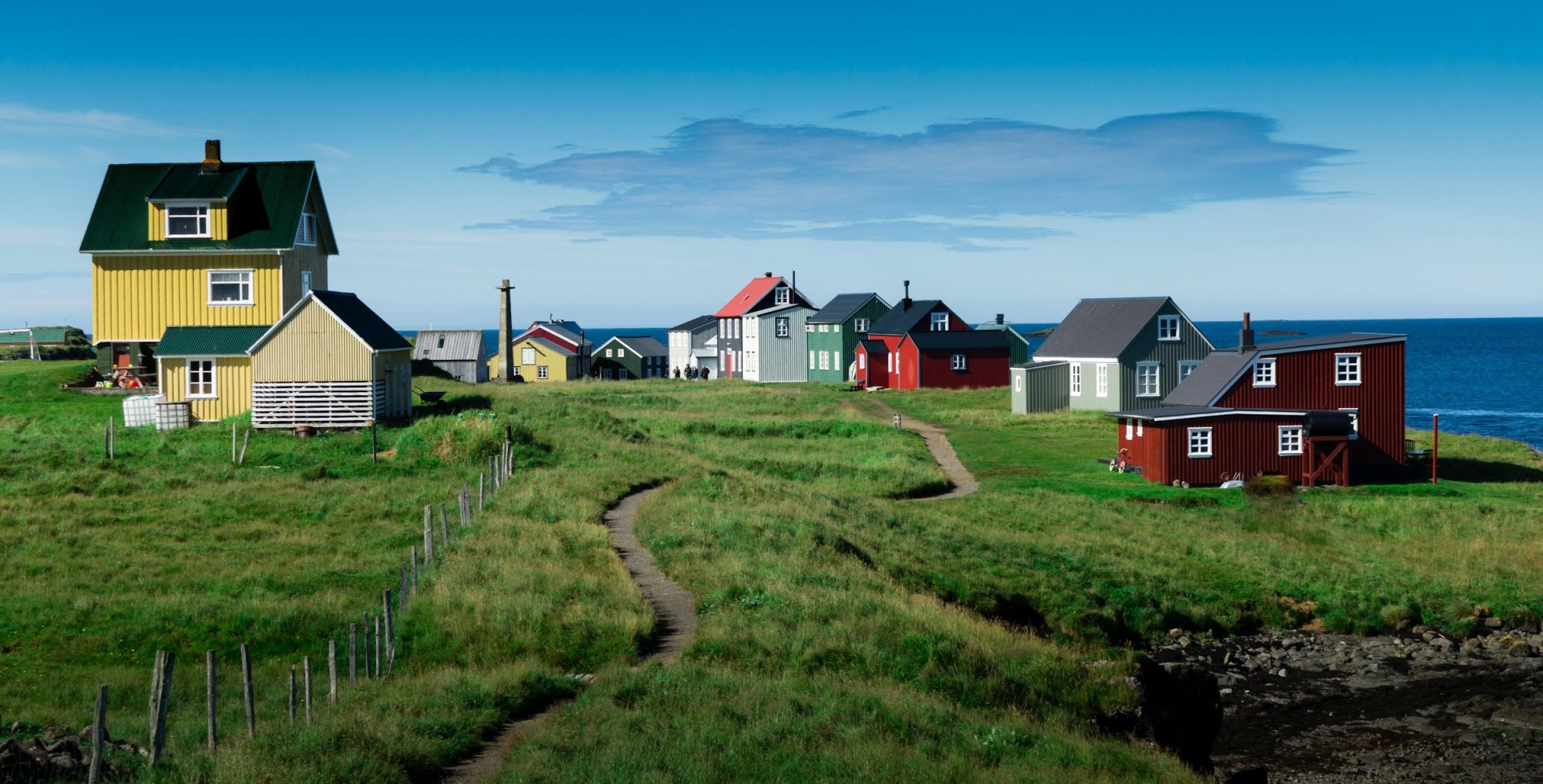
Flatey is a small island in Breiðafjörður in western Iceland, known for its compact settlement, historic buildings, and quiet coastal landscape. The island is almost entirely flat, with low fields and rocky shores extending between the surrounding skerries. Its main settlement consists of a cluster of colorful wooden houses, many of which have been preserved as part of the island’s heritage.