Nigeria
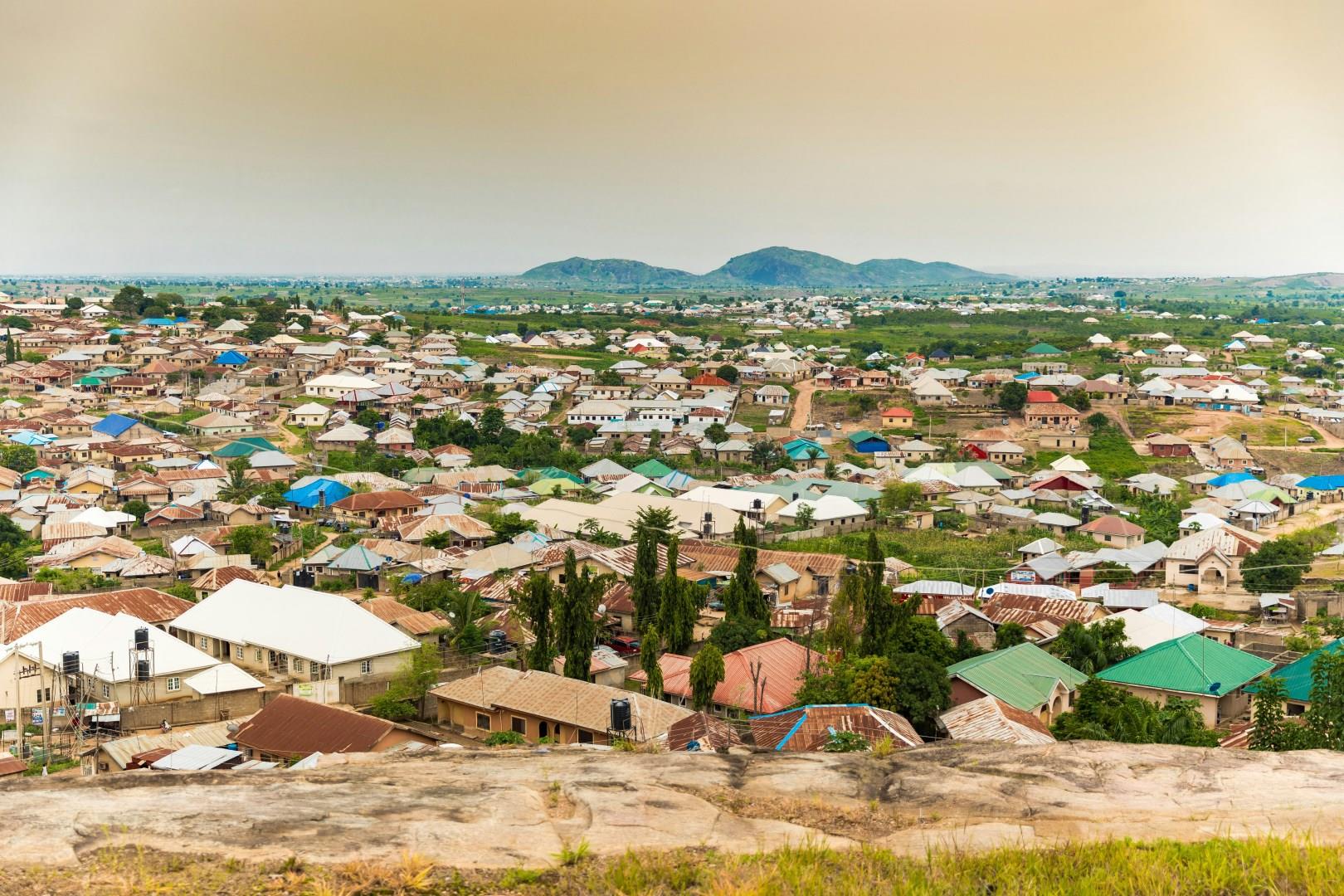
Nigeria, located in West Africa, is a country known for its diversity in culture, language, and landscapes. It is home to over 200 million people, making it the most populous country in Africa.

Porto Santo Stefano
Porto Santo Stefano features two main ports which serve as gateways to the nearby Tuscan Archipelago. Visitors can enjoy the crystal-clear waters and pristine beaches, perfect for swimming and snorkeling.

Malé
Located southwest of India and Sri Lanka, this small yet dense island capital is the cultural center of the Maldives.
Samarkand
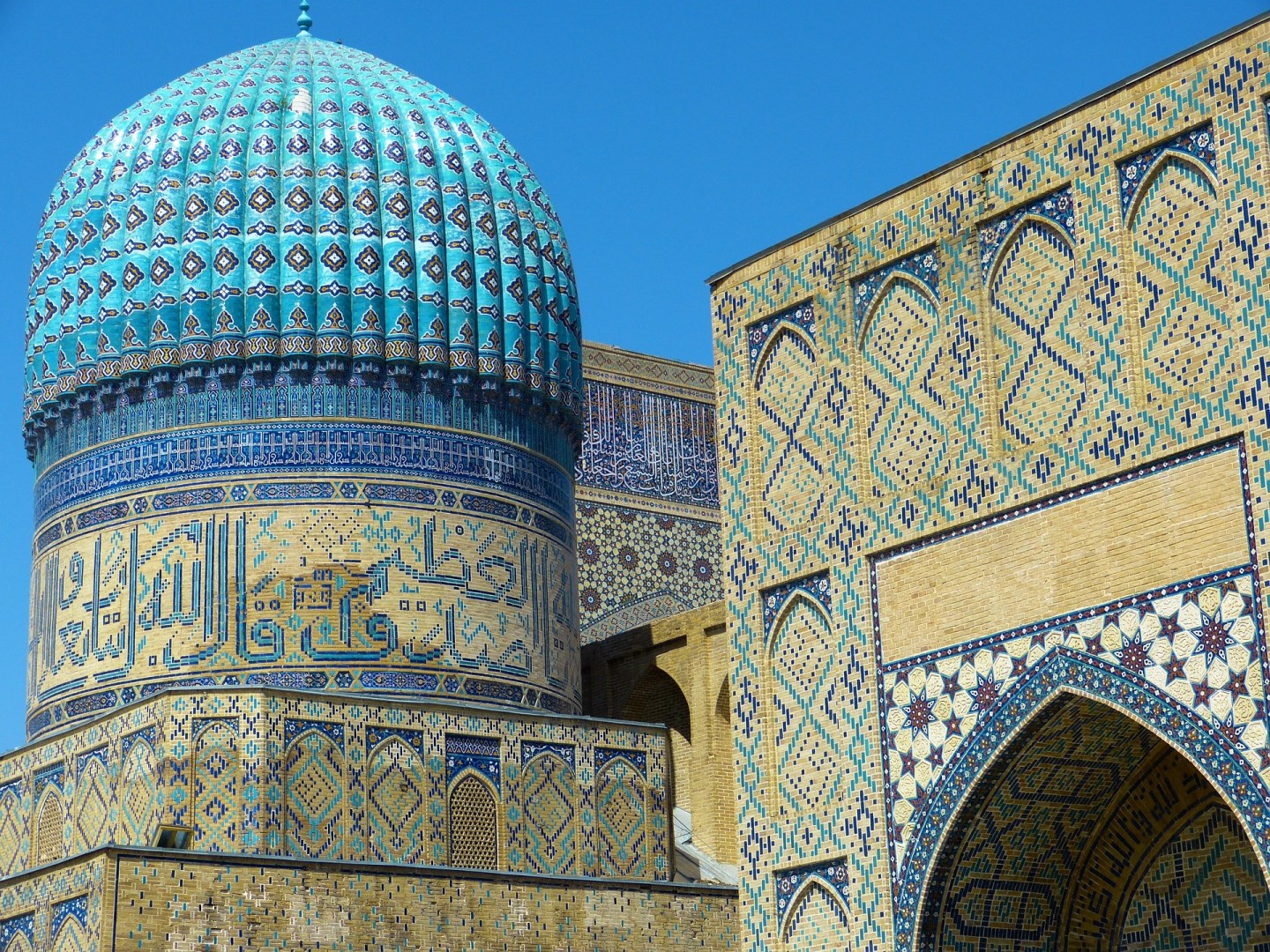
Samarkand is one of Central Asia’s most storied cities, famed for its role as a crossroads of culture, science, and trade along the Silk Road. The heart of the city is the Registan, a grand square framed by three ornate madrasas decorated with vivid mosaics, intricate tilework, and soaring arches.
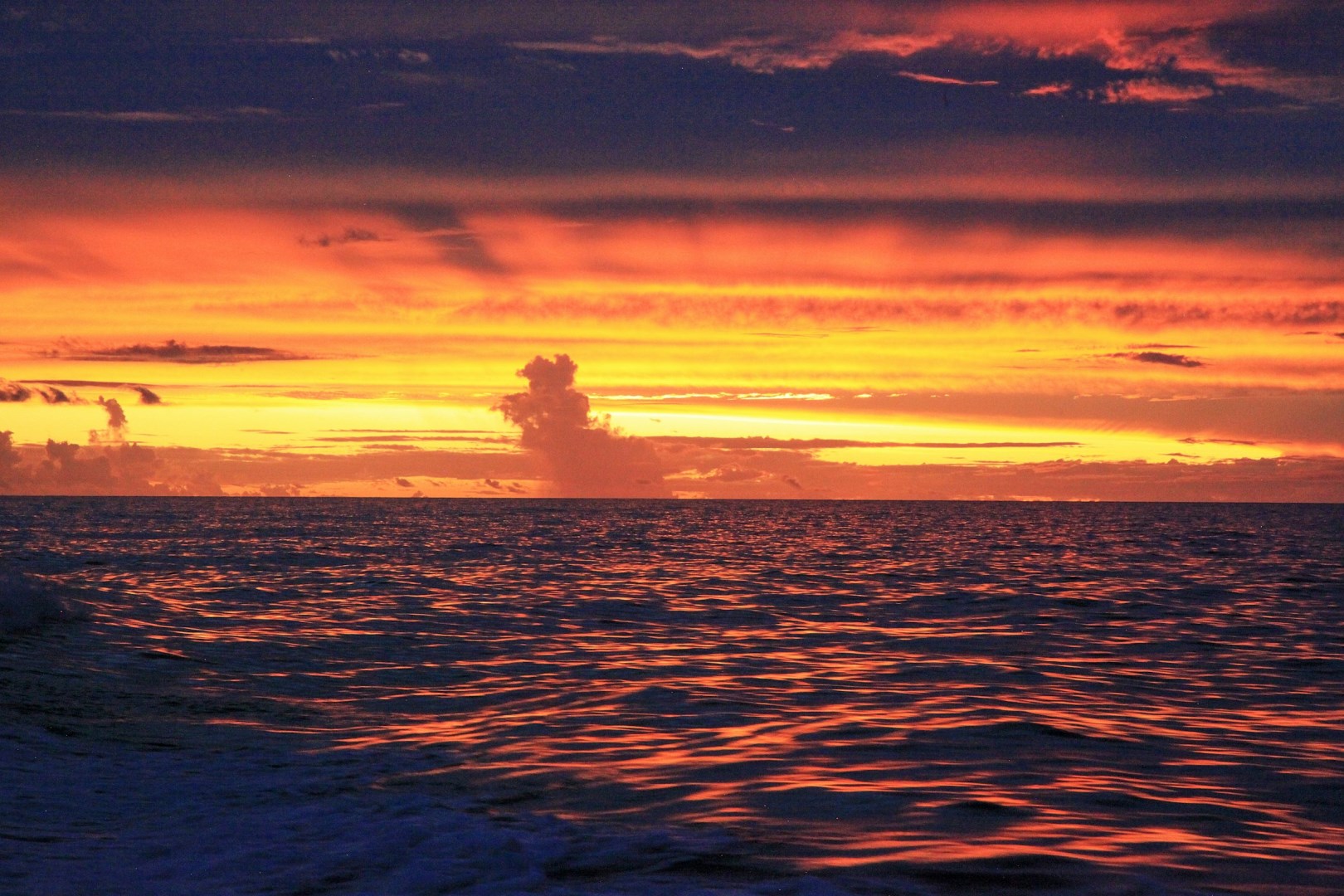
Denarau Island
Denarau Island is a small resort and residential precinct on the western coast of Viti Levu, Fiji’s largest island, connected to the Nadi area by a short causeway.