Anguilla
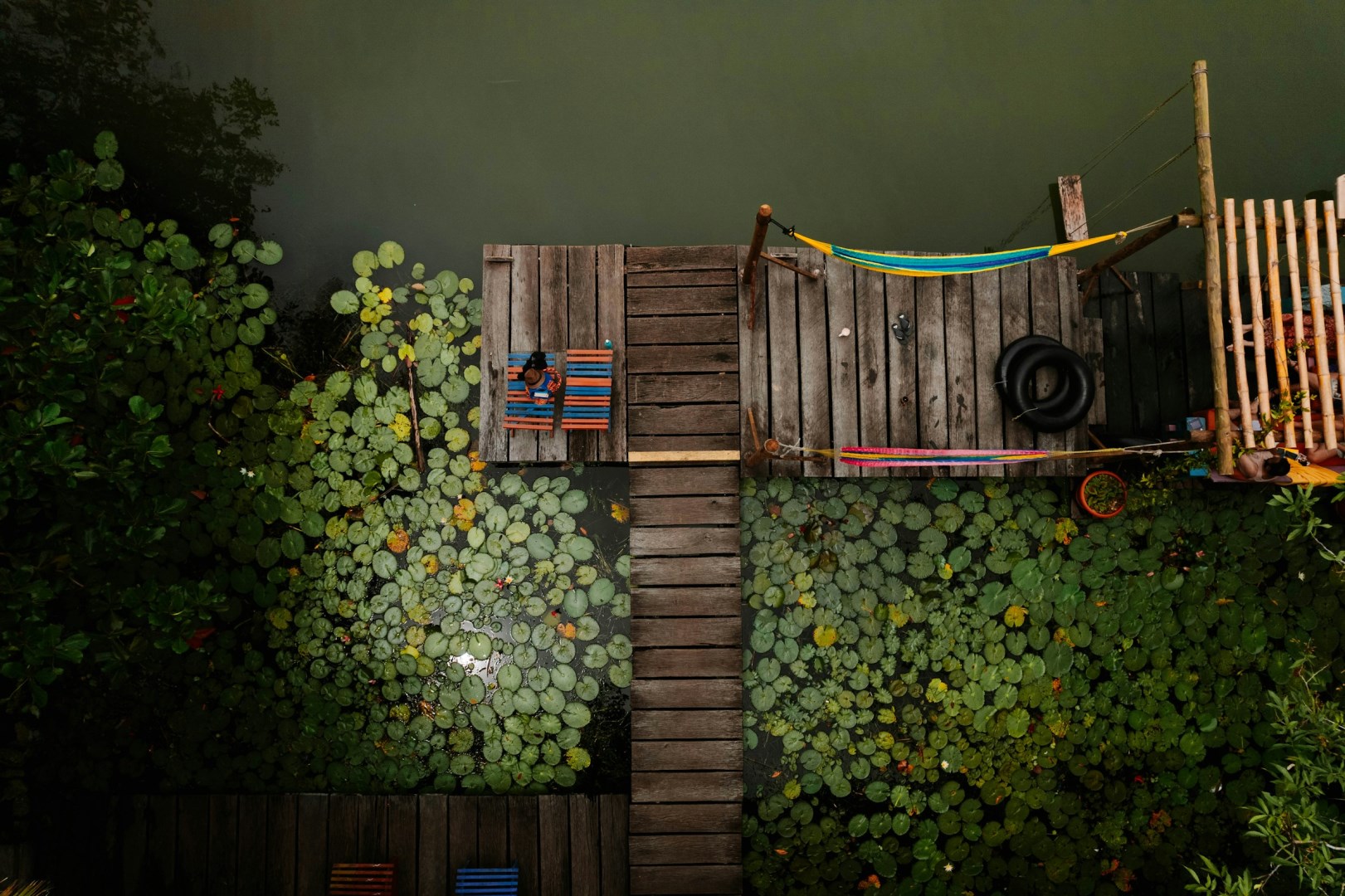
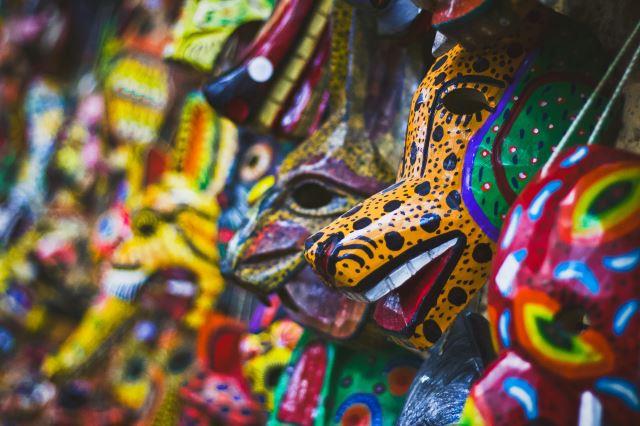
Anguilla is a level coral atoll with abundant breath-taking beaches. The name comes from the Spanish word for eel, named apparently because of the island's long, narrow profile. The main town, The Valley, is found almost in the middle of the island. Most hotels and restaurants are found on the western point of the island.
Koh Rong
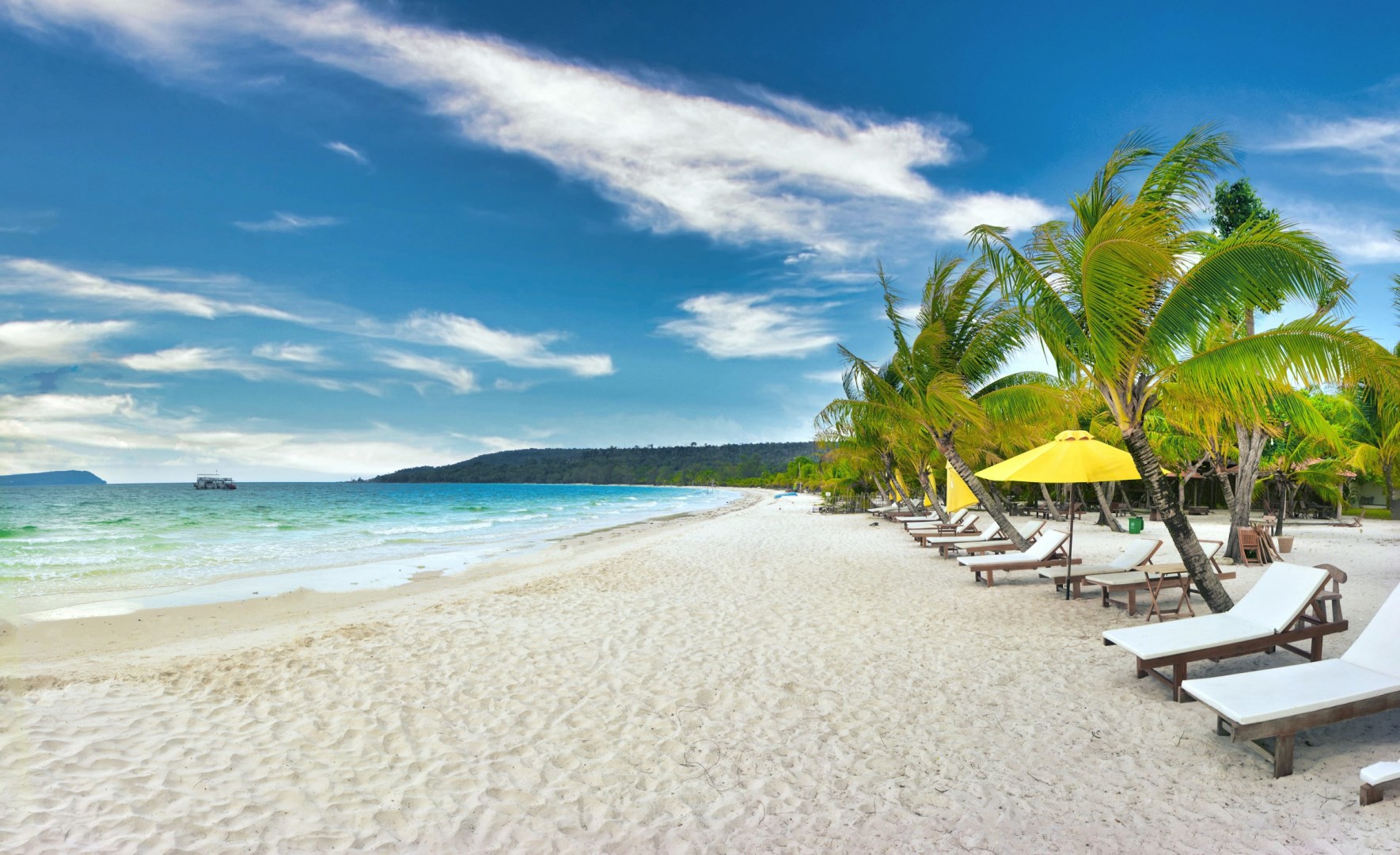
Koh Rong is a large island in the Gulf of Thailand, off the coast of Sihanoukville in southwestern Cambodia. The island combines long sandy beaches, tropical forest, rocky coves, and clear coastal waters, with small villages and tourism areas spread around the shoreline. Koh Touch is the main settlement and arrival point, while Sok San and Prek Svay are among the other communities on the island.

Djerba
Djerba, an island off the southern coast of Tunisia, is known for its unique blend of Mediterranean charm and North African traditions. With its whitewashed villages, sandy beaches, and palm groves, the island has long been a place where cultures and histories intersect.
Gaspe
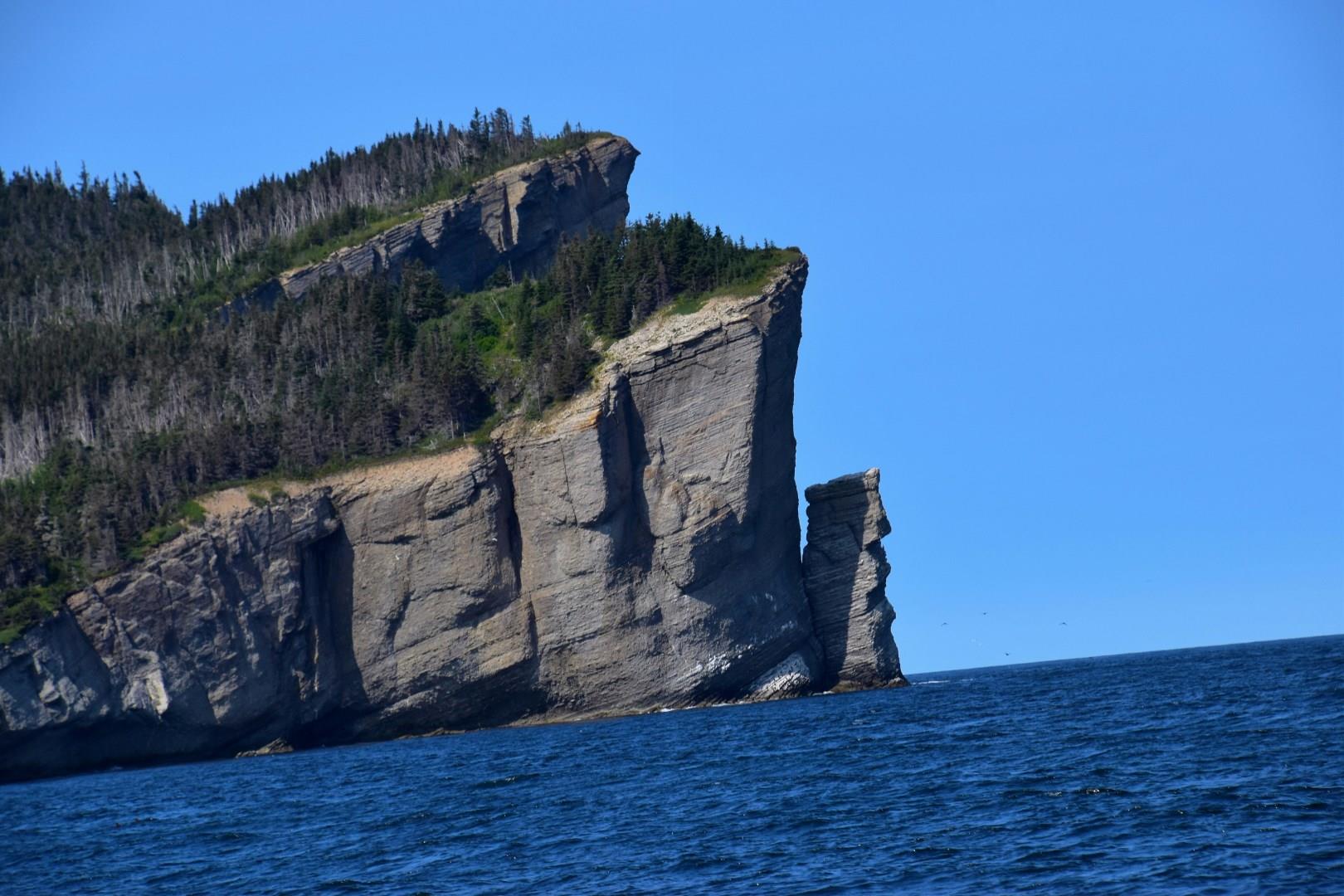
Gaspé sits at the eastern tip of the Gaspé Peninsula in Québec, where the St. Lawrence River opens into the Gulf and the land feels distinctly maritime.

Victoria
Victoria, the capital of Seychelles, is often described as one of the world’s smallest capitals, yet it brims with color and character. Located on Mahé Island, the city is both a cultural hub and a gateway to the surrounding beaches and mountains.