Dominica
Dominica, known as the “Nature Island of the Caribbean,” is a haven for eco-tourists and adventure seekers. Nestled between the French islands of Guadeloupe and Martinique, this lush island boasts a remarkable landscape of volcanic mountains, dense rainforests, and stunning waterfalls. Dominica’s most iconic natural wonder is the Boiling Lake, the second-largest hot spring in the world.

Apulia
Apulia, or Puglia, is a sun-kissed region in southeastern Italy, renowned for its diverse landscapes and rich cultural heritage. The city of Bari, Apulia’s capital, offers a captivating blend of historic charm and vibrant modern life. Explore the narrow streets of the Old Town, home to the stunning Basilica di San Nicola, which houses the relics of Saint Nicholas.
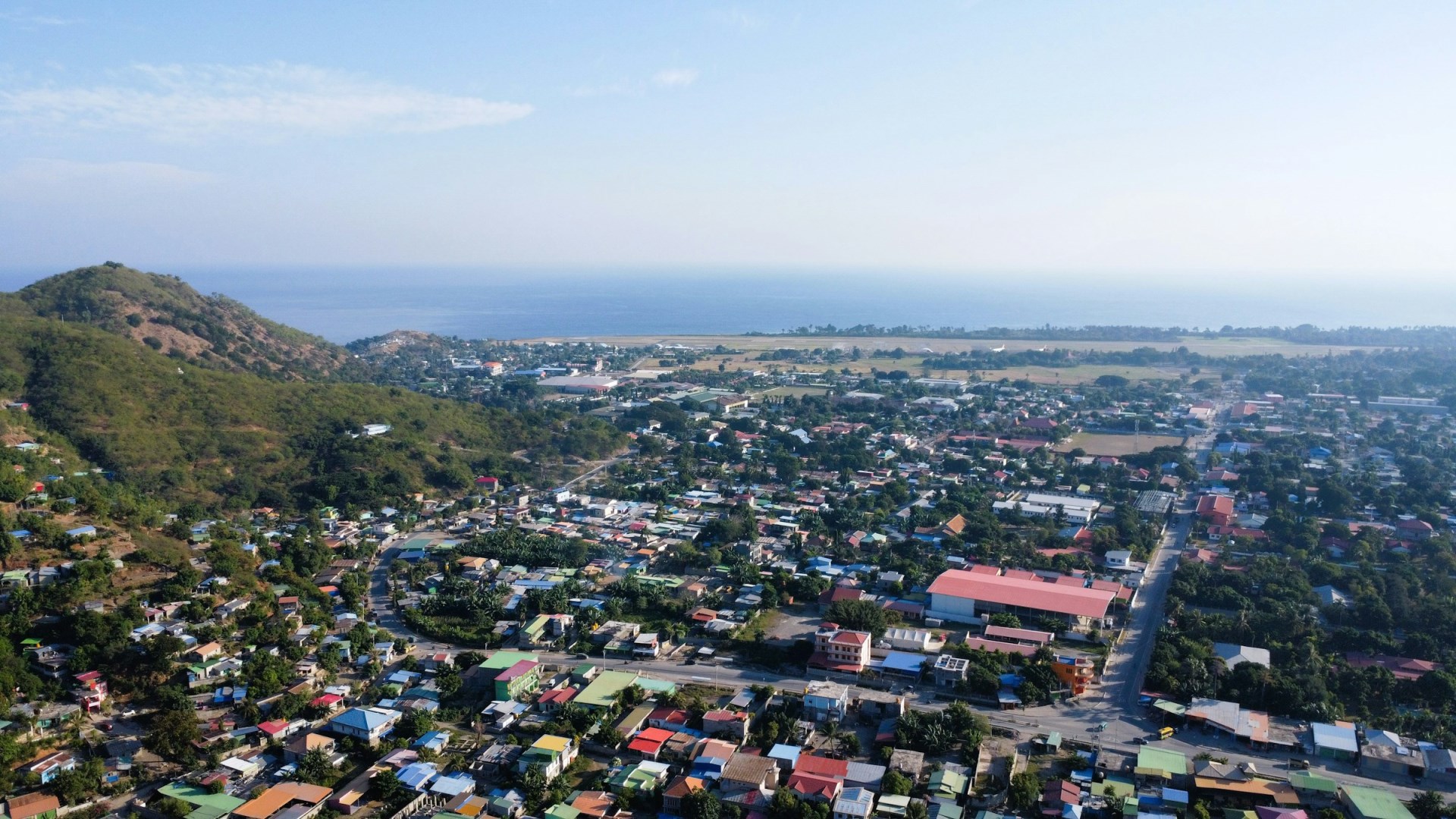
Dili
Dili is the capital and largest city of Timor-Leste, set along the country's northern coast between the sea and rugged mountain slopes. The city stretches around a broad bay, with beaches, government buildings, markets, residential neighborhoods, and busy streets forming its urban landscape. Mountains rise immediately south of the city, while the Ombai Strait extends north toward Atauro Island.

Playa Del Carmen
Playa del Carmen, located along Mexico’s Riviera Maya, offers more than just soft beaches and turquoise waters. Once a quiet fishing village, the town has grown into a lively hub where Mayan history meets a modern beachside lifestyle. Visitors walking along Quinta Avenida will find artisan shops, street performers, and cafes offering everything from espresso to tacos al pastor. This area becomes especially active in the evenings when live music spills out from local venues.

Boise
Boise, Idaho, often surprises first-time visitors with its dynamic mix of western history, creative culture, and easy access to outdoor experiences. Nestled at the base of the Boise Foothills, the city has grown from a 19th-century outpost into a capital city with a distinctly independent spirit. The downtown core is walkable and welcoming, where historic buildings now house coffee shops, craft breweries, and local boutiques.