Brecon Beacons
The Brecon Beacons, officially known as Bannau Brycheiniog, rise through south-central Wales as a landscape shaped by myth, grazing, and long human presence.
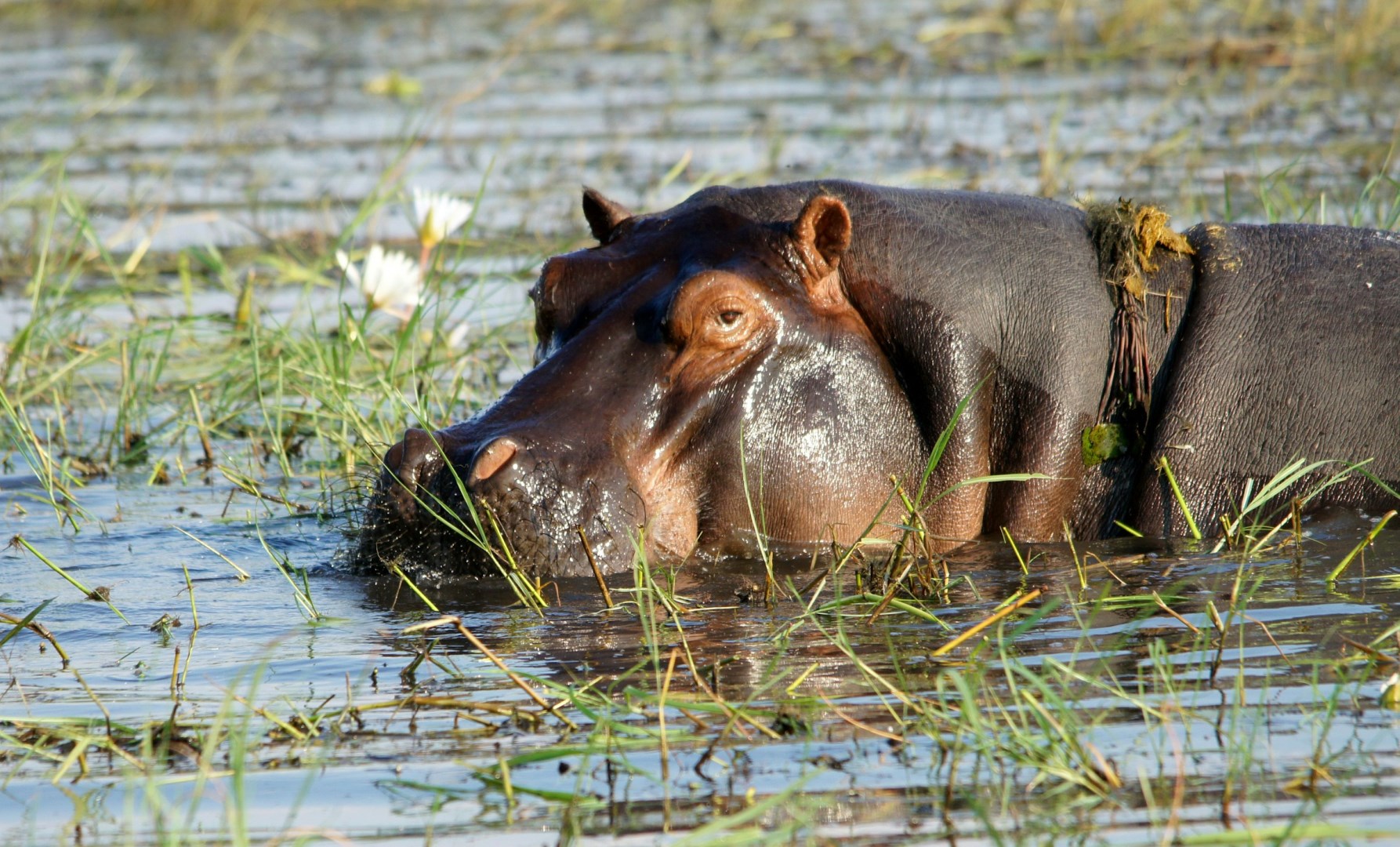
Zambezi River
The Zambezi River is one of Africa’s major waterways and an important part of Zambia’s landscape, flowing across the country before continuing through several southern African nations. In Zambia, the river passes through wetlands, woodland, floodplains, and protected wildlife areas, including Lower Zambezi National Park.
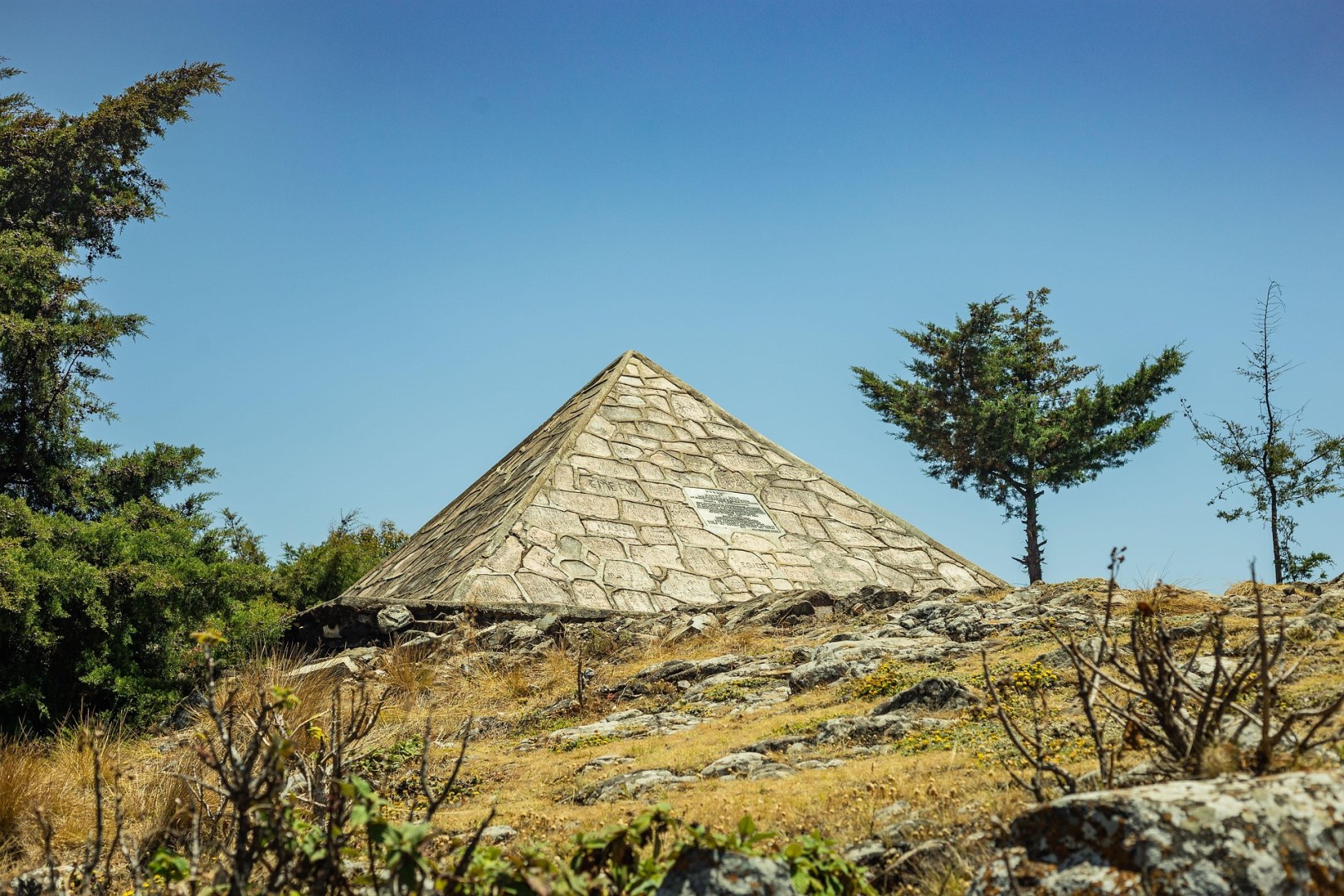
Burundi
Burundi, a small country tucked along the shores of Lake Tanganyika, offers travelers a deeply authentic experience that few destinations can match. Known as the “Heart of Africa” due to its location, Burundi is home to dramatic landscapes, from rolling hills and volcanic mountains to wide plains and ancient forests. One of its most remarkable natural features is the southern tip of the Nile River, which begins near Rutovu.

Utah
Utah is renowned for its diverse landscapes and outdoor adventures. The state is home to the "Mighty 5" national parks: Arches, Bryce Canyon, Canyonlands, Capitol Reef, and Zion. Each park offers unique geological formations and breathtaking scenery, from the iconic Delicate Arch in Arches to the towering cliffs of Zion.
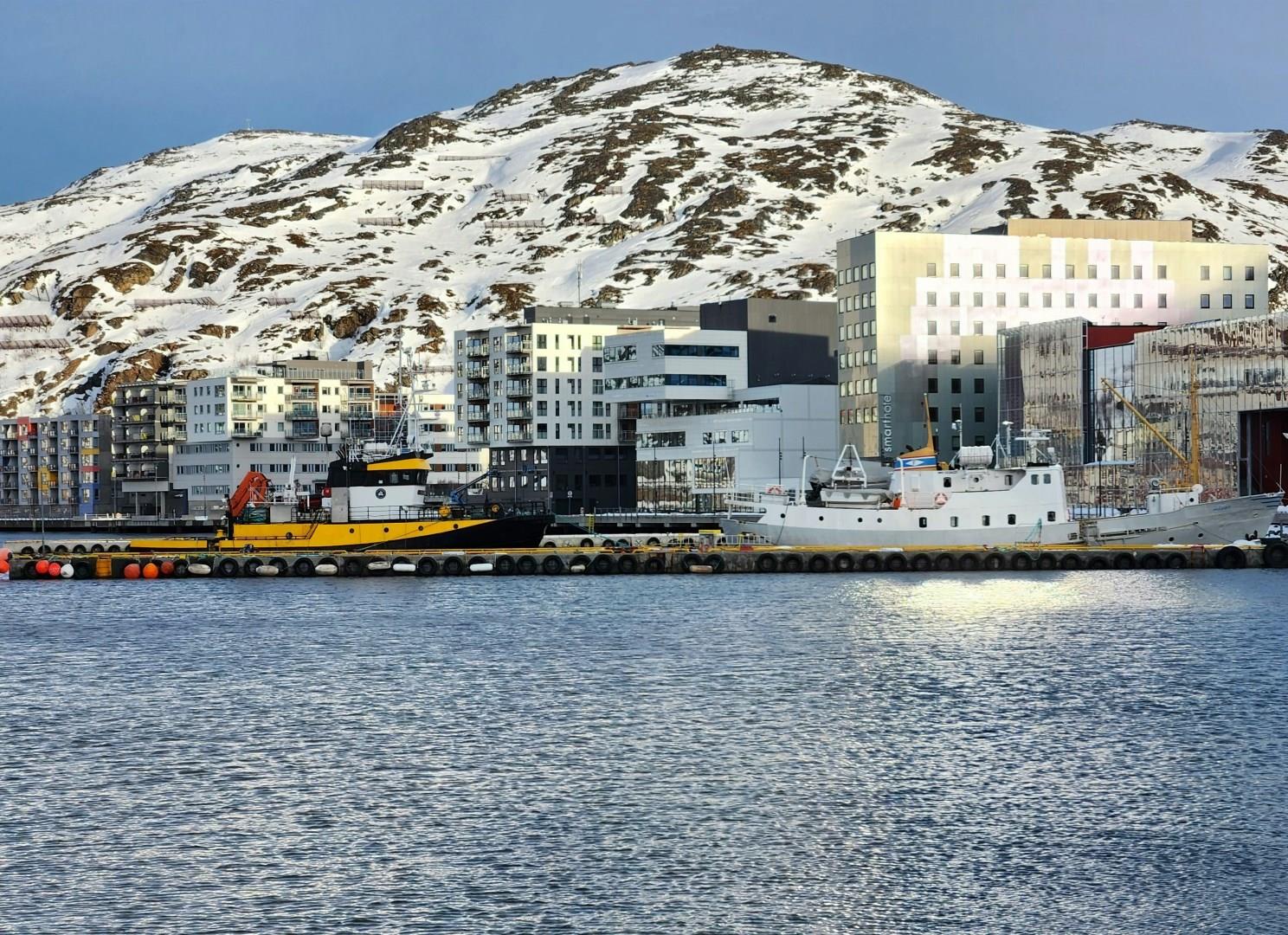
Hammerfest
Hammerfest, located above the Arctic Circle in northern Norway, is one of the northernmost towns in the world with a population of over 10,000. It’s a place where the midnight sun shines from mid-May to late July, and the polar night sets in from late November to mid-January. Historically a hub for Arctic hunting and fishing, Hammerfest was also the first town in Northern Europe to install electric streetlights in 1891.