
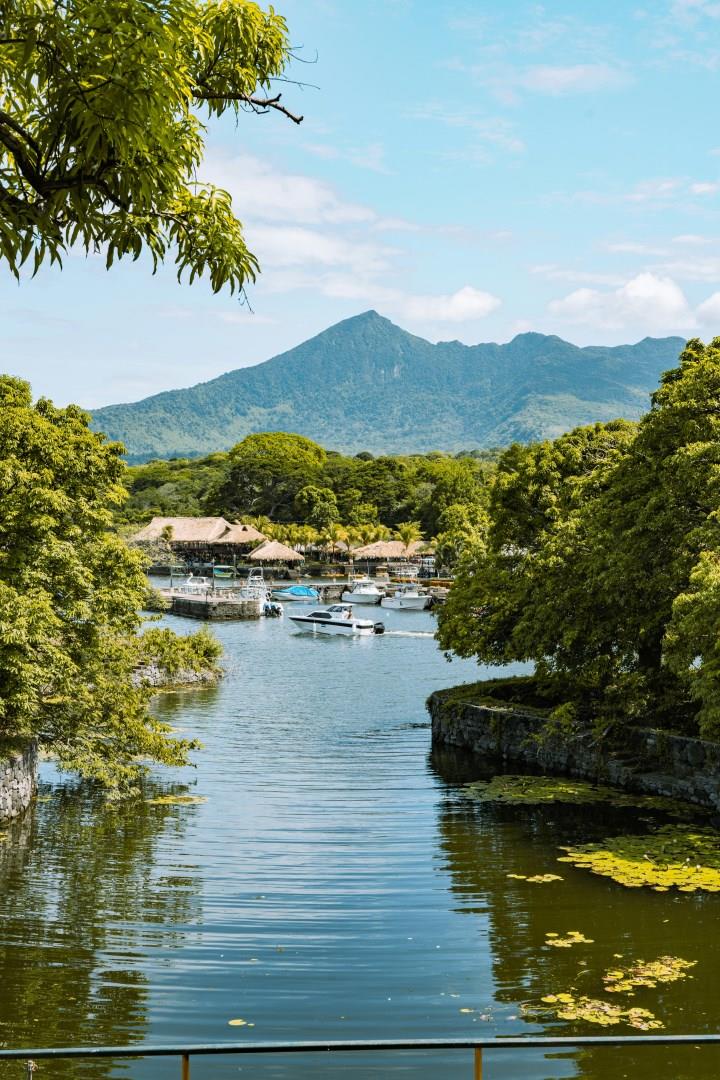
Granada
Granada, Nicaragua, founded in 1524, is one of the oldest European-established cities on the mainland of the Americas where visitors can explore cobblestone streets lined with brightly painted facades. The mustard-yellow Granada Cathedral dominates the central park and provides an easy reference point for those navigating the city on foot or by traditional horse-drawn carriage.
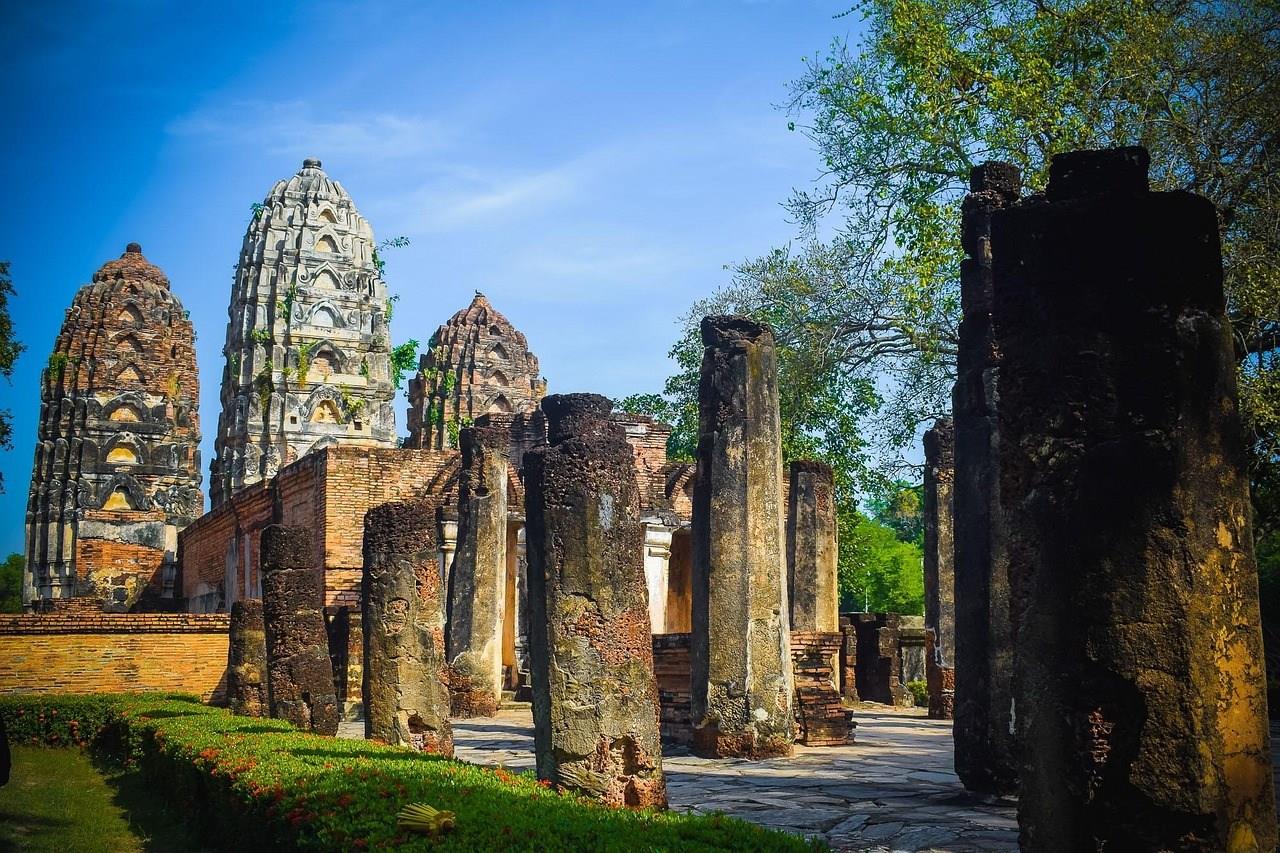
Sukhothai
Sukhothai, located in north-central Thailand, was once the capital of the first independent Thai kingdom in the 13th century. Today, it’s best known for the Sukhothai Historical Park, a UNESCO World Heritage Site filled with stone temples, lotus-filled moats, and ancient Buddha statues. The park spans over 70 square kilometers and features more than 190 ruins.

Australia & New Zealand
Australia and New Zealand each have their own identities, shaped by indigenous heritage, colonial history, and vibrant contemporary cultures. Visitors can travel between the two in just a few hours, yet find themselves in entirely different worlds.

Patagonia
Patagonia, Argentina, is a land of untamed beauty, where jagged peaks, expansive glaciers, and crystal-clear lakes come together to create one of the most awe-inspiring landscapes on Earth.

San Juan
San Juan, Puerto Rico’s capital, is a city where cobblestone streets lead to centuries-old forts and pastel-colored buildings overlook the Atlantic. The district of Old San Juan is a UNESCO World Heritage Site, known for its Spanish colonial architecture and thick stone walls that once defended the city from pirates and naval attacks. The city hosts regular events such as La Campechada, which celebrates Puerto Rican art and literature with live performances and open-air exhibits.


