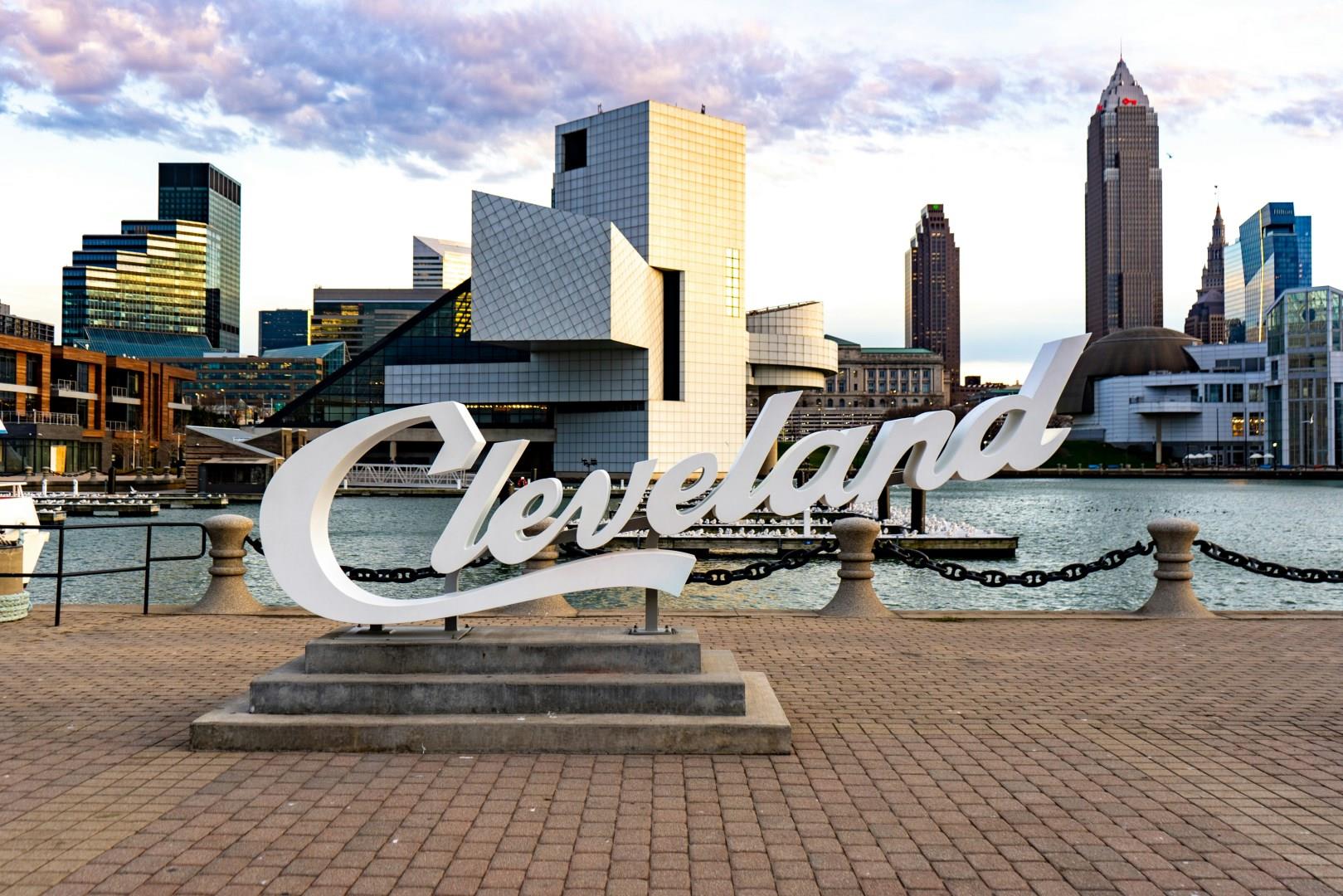
Cleveland
Cleveland, Ohio is a city with grit, pride, and a surprising amount of charm. Perched along the southern shore of Lake Erie, it blends industrial roots with a strong cultural identity. One of its most iconic attractions is the Rock & Roll Hall of Fame, where visitors can view everything from Prince’s custom guitars to handwritten lyrics by The Beatles. The museum brings history to life through rotating exhibits, film screenings, and live performances on the lakefront plaza.
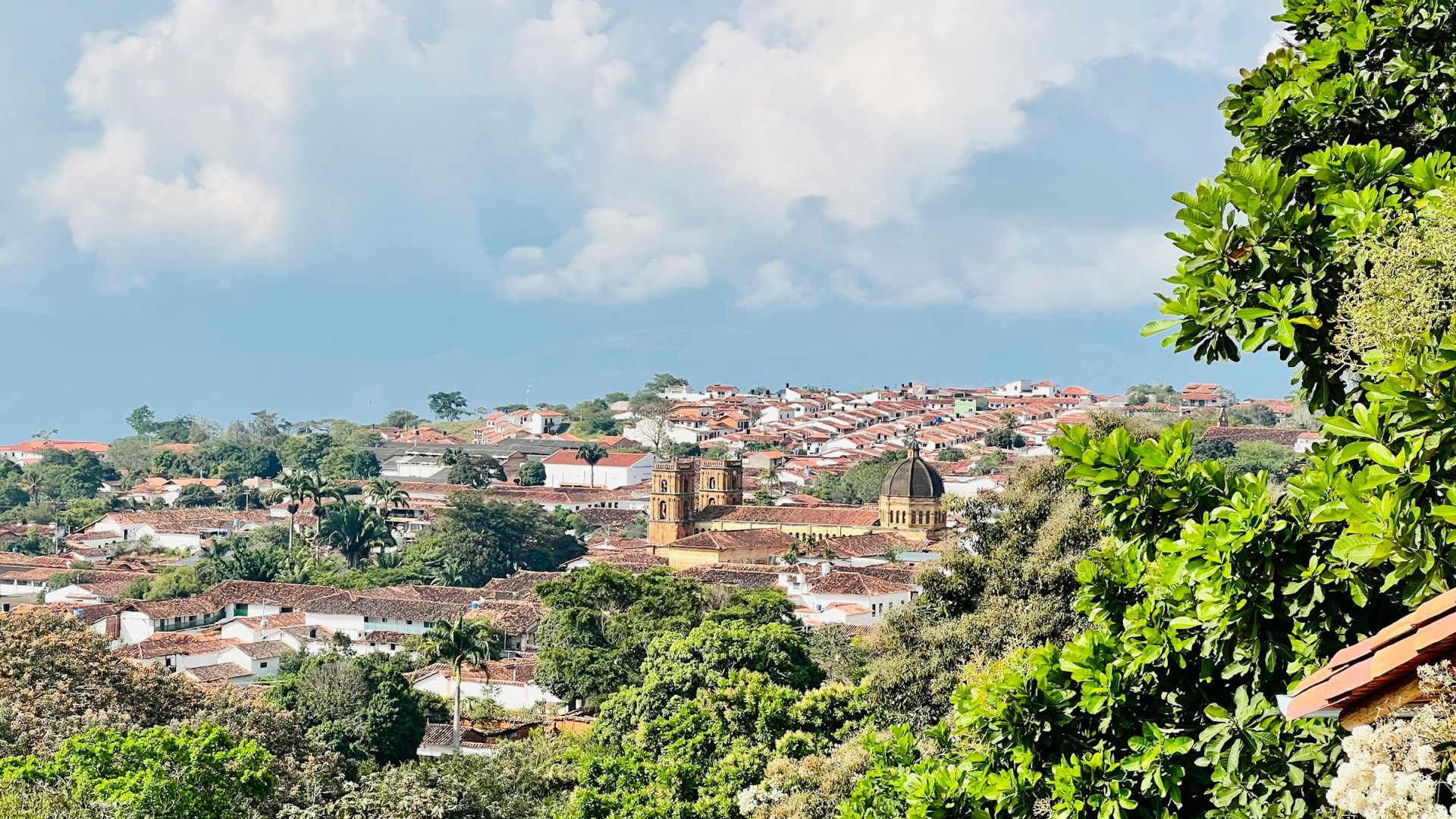
Barichara
Barichara is a small town in Colombia’s Santander department, known for its carefully preserved colonial character and strong sense of place. Founded in the early 18th century, it is built almost entirely from local stone, giving its streets, churches, and homes a cohesive, grounded feel.
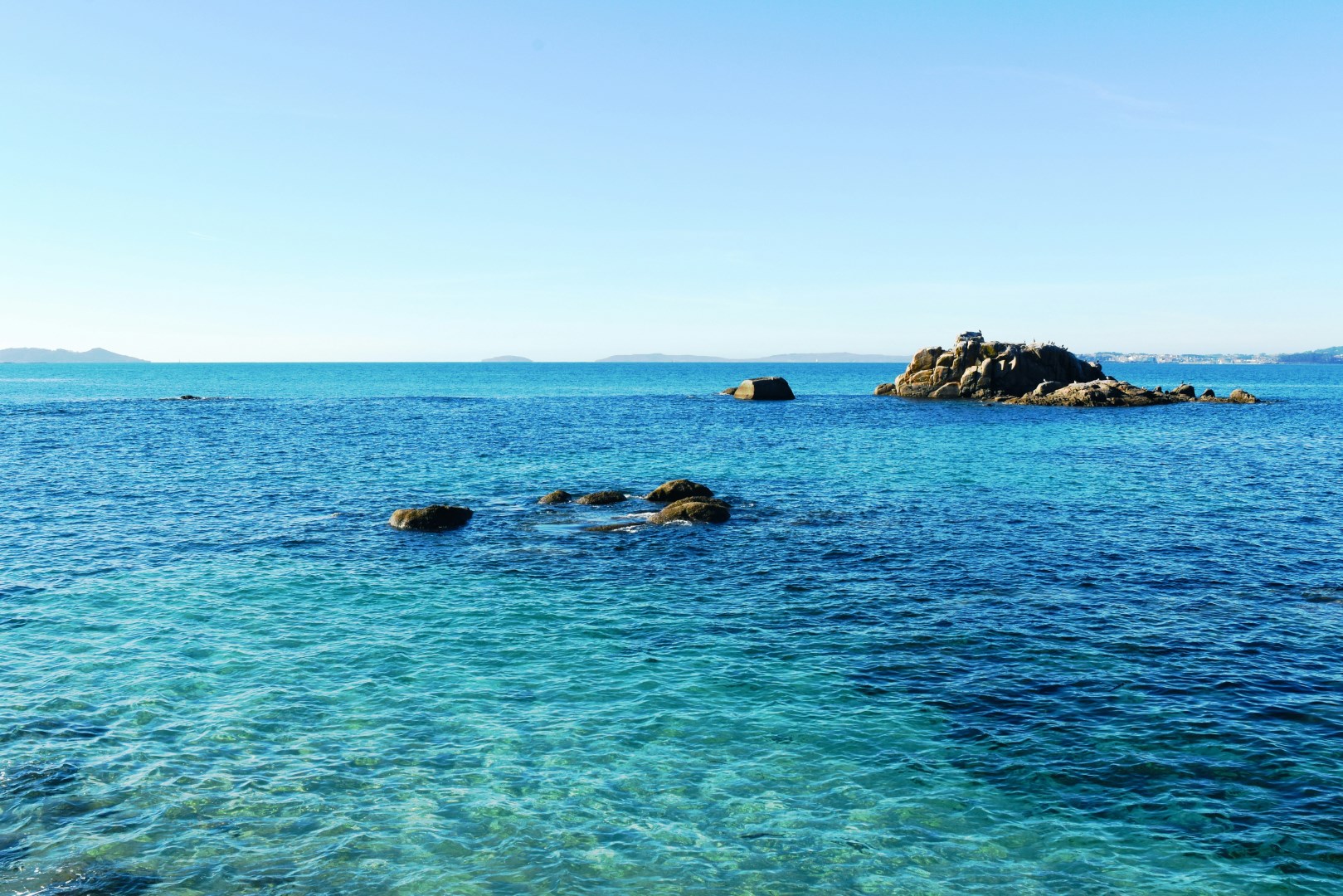
Pontevedra
Pontevedra is a historic city in Galicia, in northwestern Spain, set along the Lérez River near the Atlantic coast. It is known for its well-preserved old town and a layout that favors pedestrians, giving the center a calm and accessible feel.
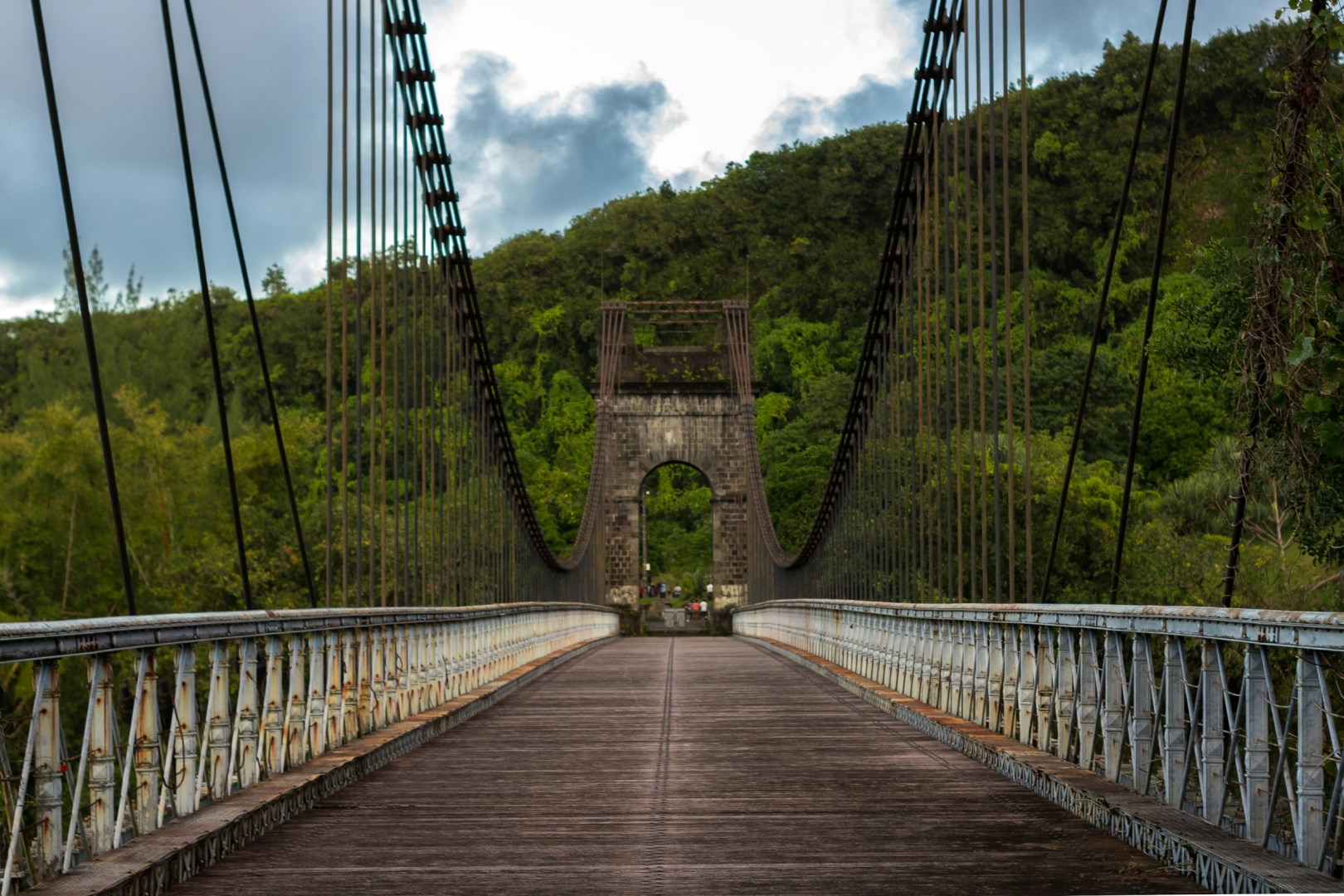
Saint-Benoît
Saint-Benoît is a commune on the eastern side of Réunion, a French island in the southwestern Indian Ocean. Facing the sea and extending inland toward the volcanic highlands, it lies in one of the island’s wetter regions, where frequent rainfall supports dense vegetation and productive farmland.
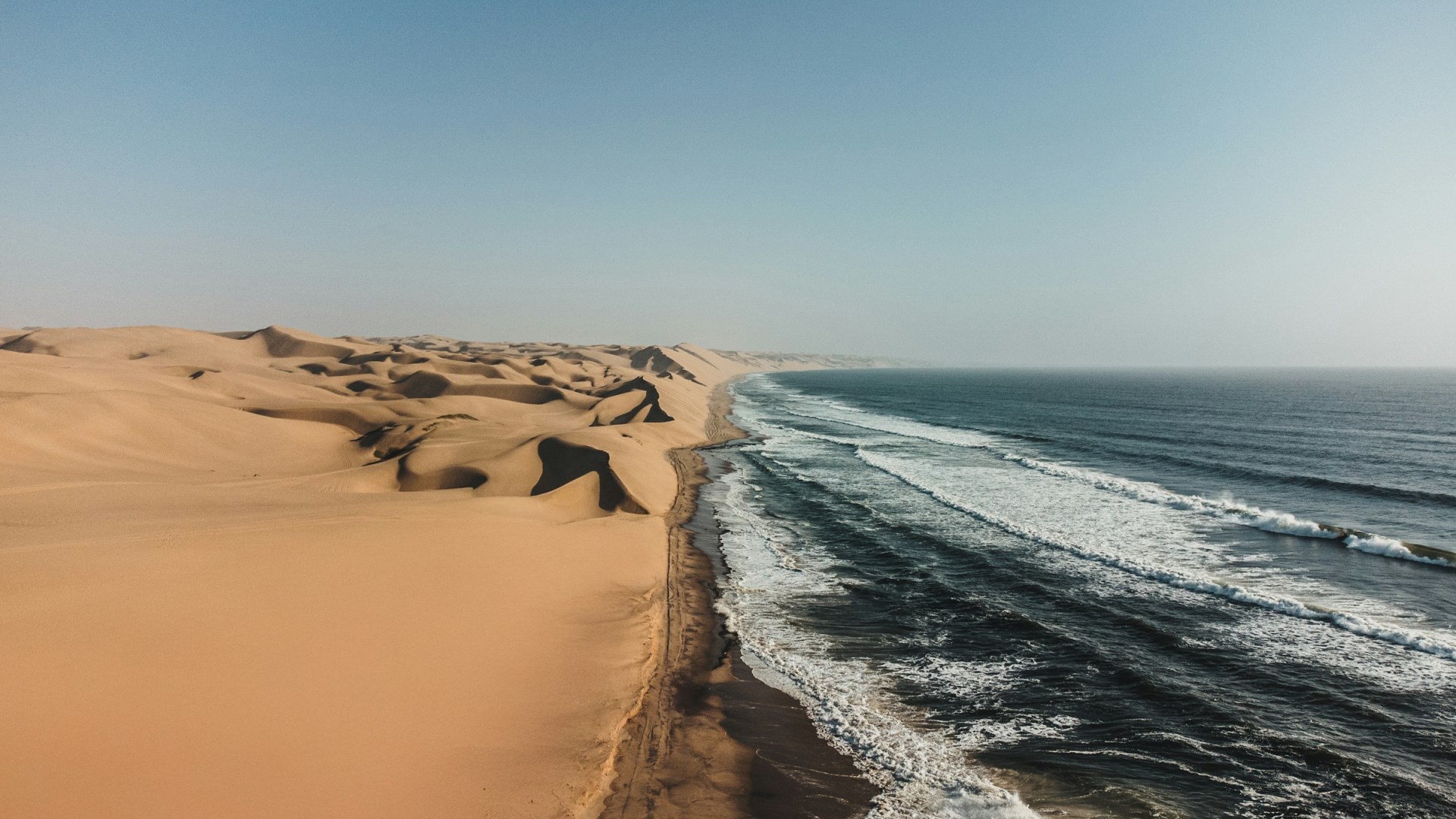
Sandwich Harbour
Sandwich Harbour is a remote coastal wetland within Namib-Naukluft National Park, about 55 kilometres south of Walvis Bay. It lies where the Namib Desert meets the Atlantic Ocean, with tall dunes rising beside a lagoon, mudflats, and shallow coastal waters. The area is part of the Namib Sand Sea, where wind and ocean moisture shape one of the world's most distinctive desert environments.