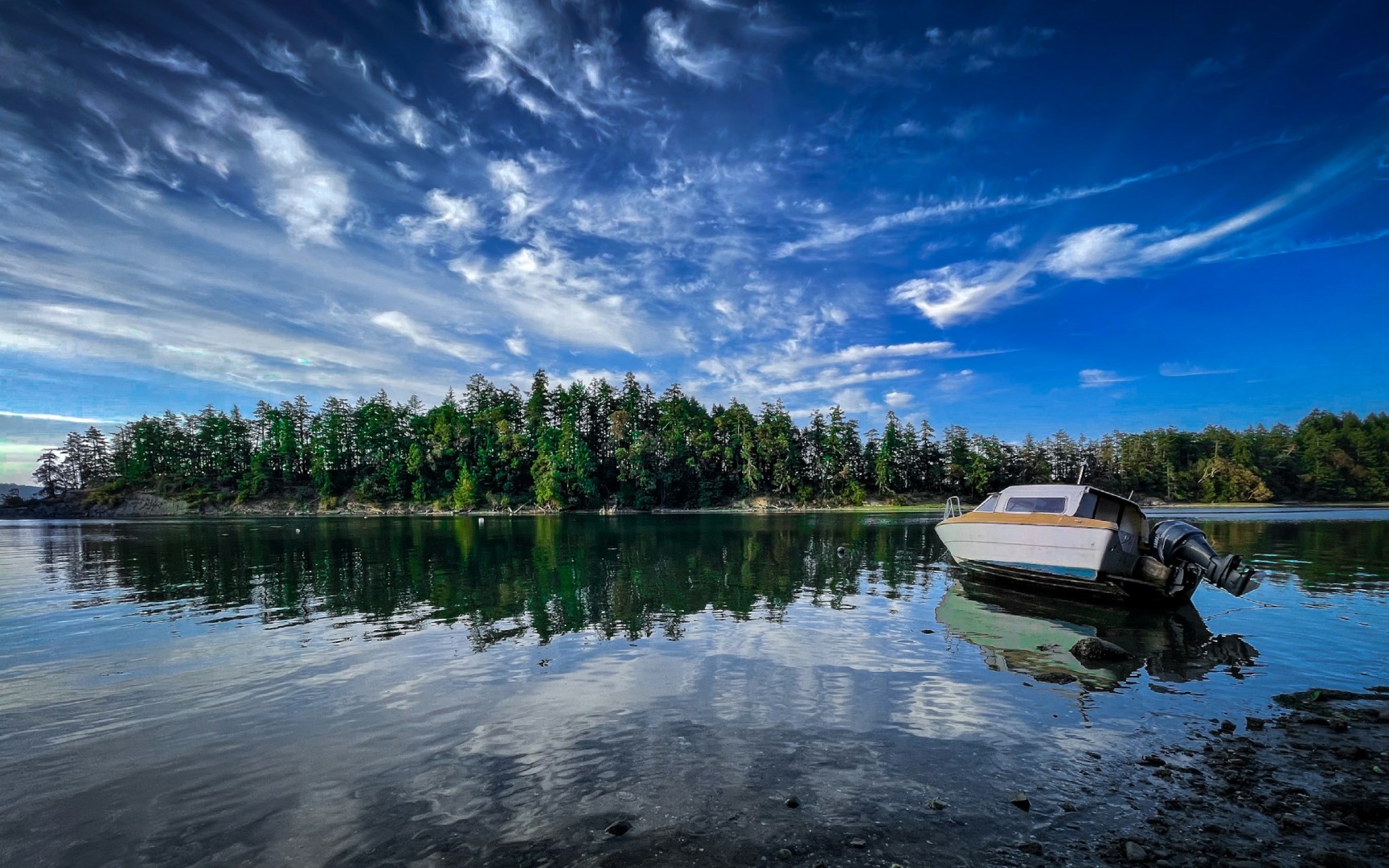
Salt Spring Island
Salt Spring Island is the largest of British Columbia’s Southern Gulf Islands, situated between Vancouver Island and the mainland in the Salish Sea. The island is known for its forested hills, sheltered bays, small farms, and network of rural roads. Ganges serves as the main community and a centre for shops, galleries, cafés, and waterfront activity, while Fulford Harbour and Vesuvius provide additional ferry connections.
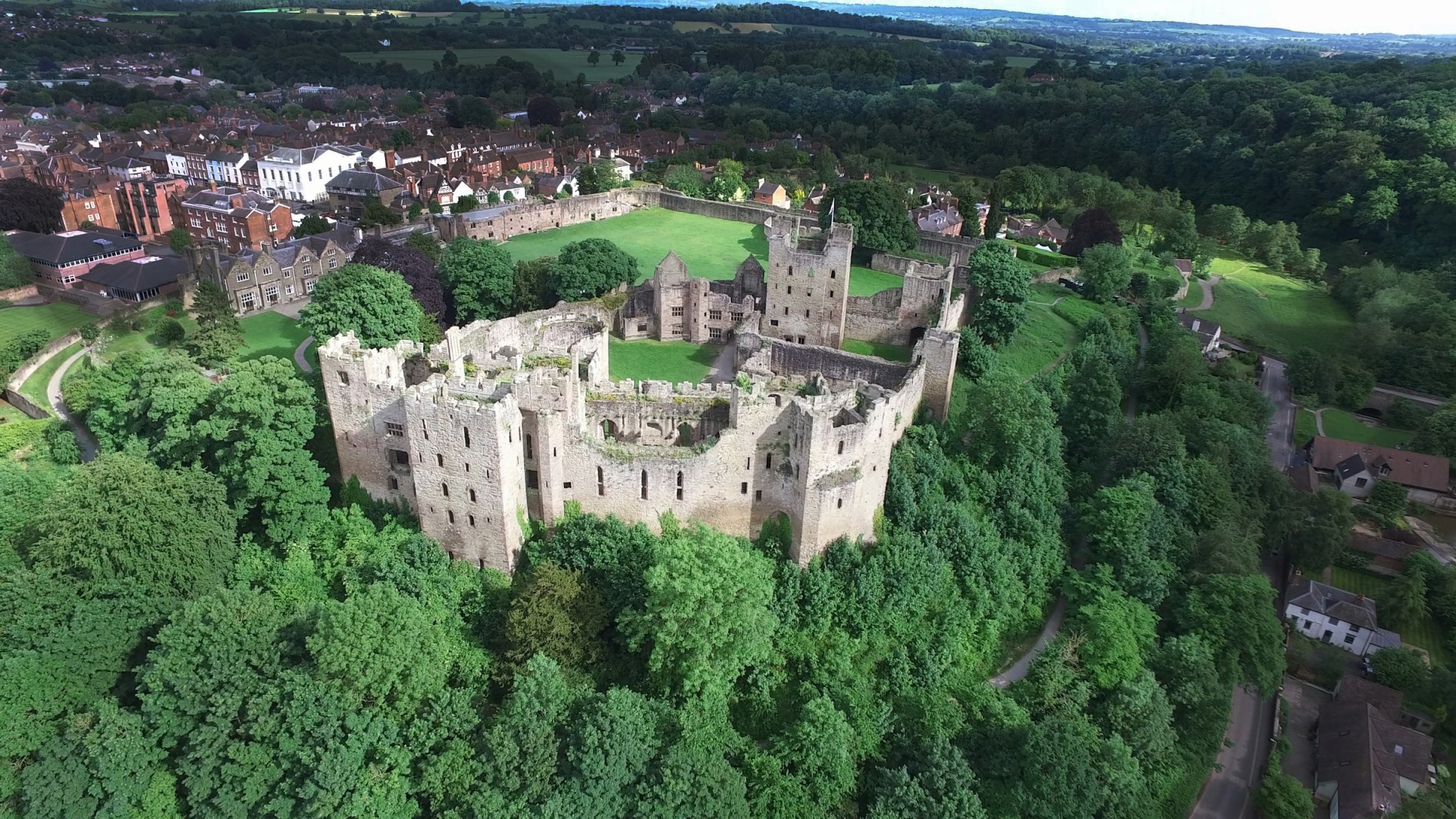
Ludlow
Ludlow, a charming market town in Shropshire, England, is renowned for its rich history and vibrant community. Nestled on the edge of the Shropshire Hills, an Area of Outstanding Natural Beauty, Ludlow offers a picturesque setting with its medieval architecture and stunning landscapes.

Central Asia
South Central Asia offers travelers a journey through vivid contrasts, where centuries-old temples stand beside bustling modern cities, and tea-covered hills roll into dense tropical forests. In India, visitors can witness the grandeur of Mughal architecture at the Taj Mahal, then find serenity at the ghats of Varanasi, where rituals have continued for thousands of years.
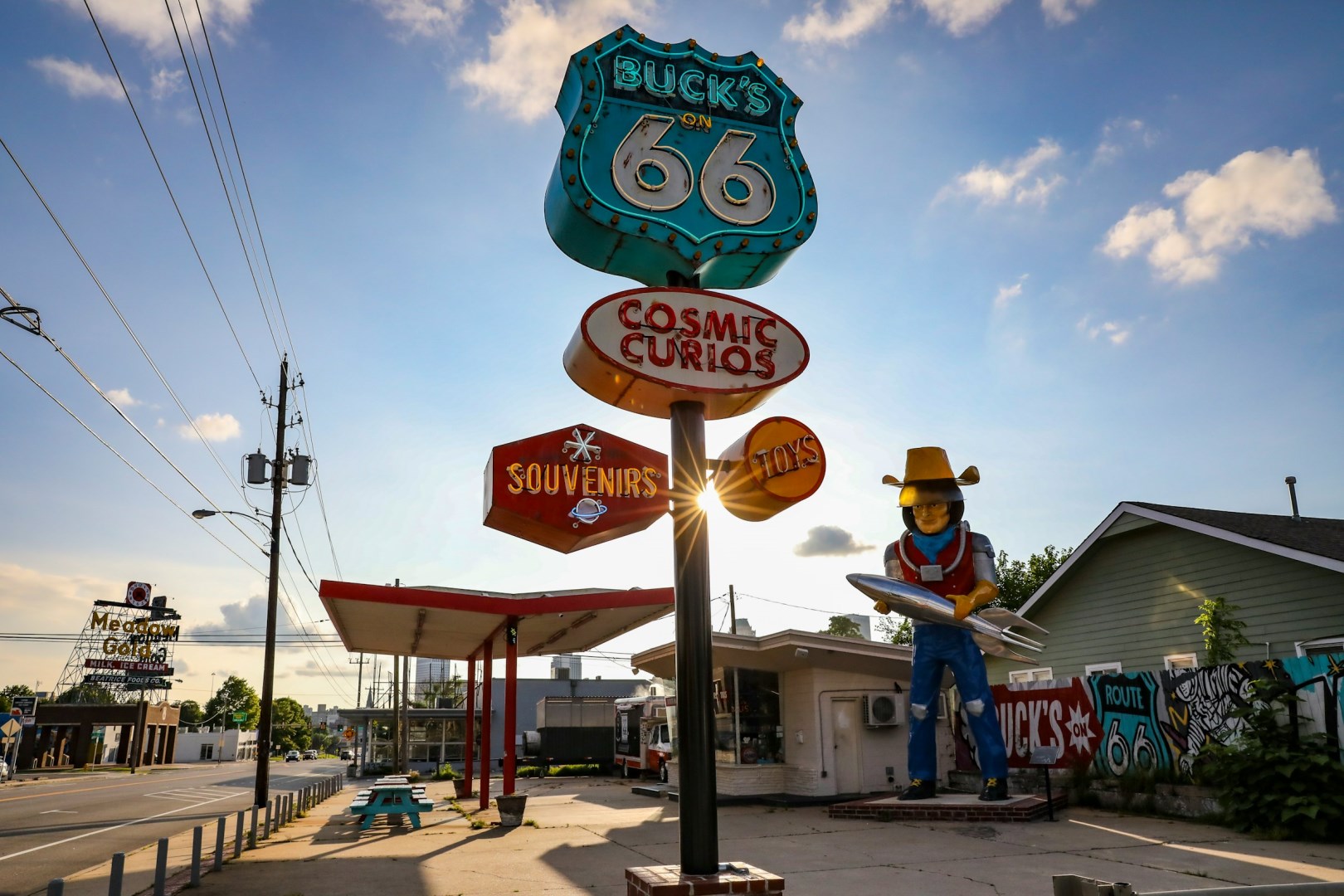
Tulsa
Located in the heart of Oklahoma, Tulsa offers much for the prospective traveler. Visit its many amusement parks, the zoo, and museums such as the Tulsa Air and Space Center, Mac's Antique Car Museum, Oklahoma Jazz Hall of Fame and the Harmon Science Center.
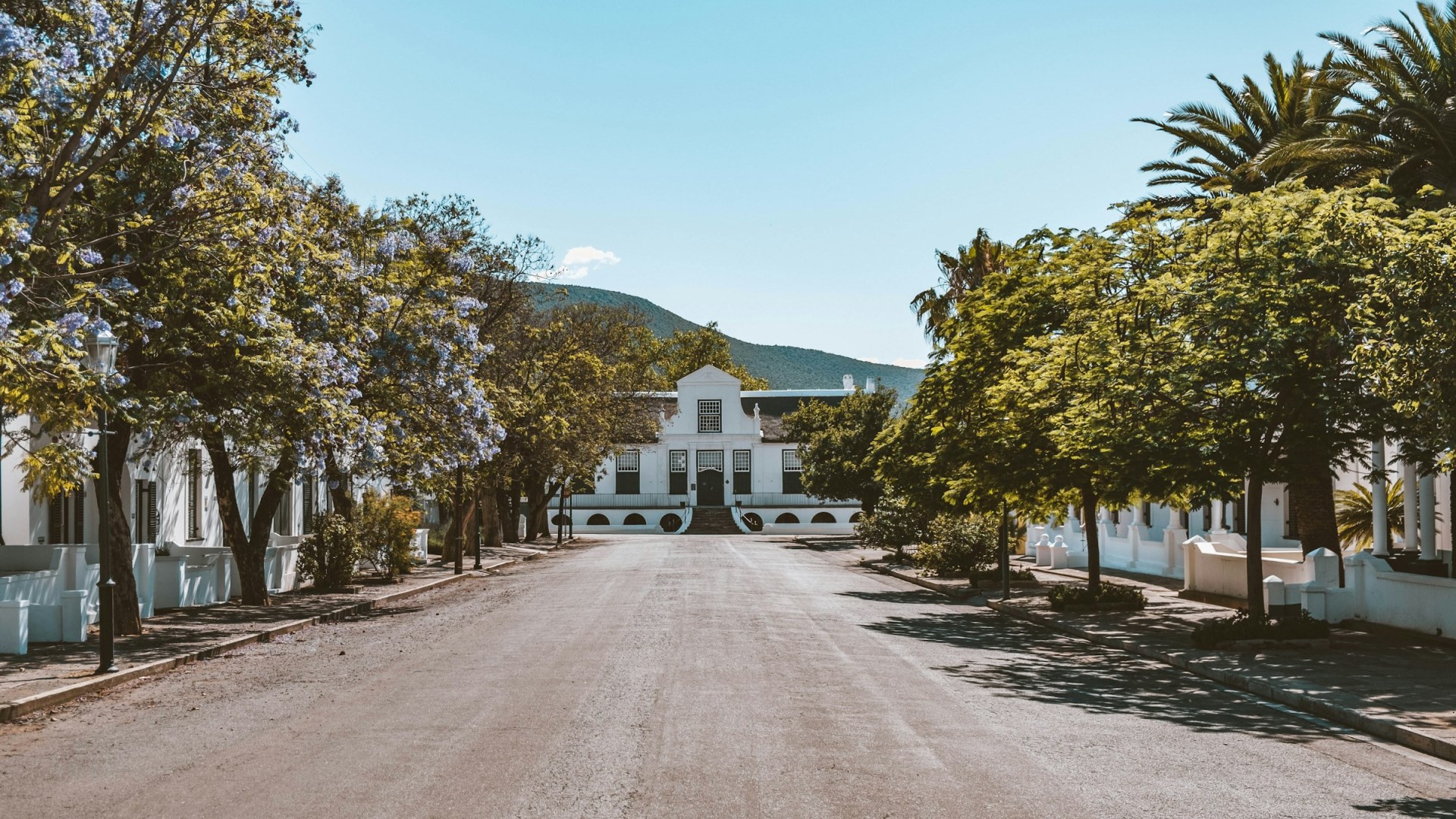
Graaff-Reinet
Graaff-Reinet is a historic town in South Africa’s Eastern Cape, set within a broad bend of the Sundays River in the Great Karoo. It is surrounded by the landscapes of Camdeboo National Park and is known for its collection of well-preserved historic buildings. More than 200 heritage structures are found across the town, many built in distinctive Cape Dutch, Victorian, and Karoo architectural styles.