Saint Florent Corsica
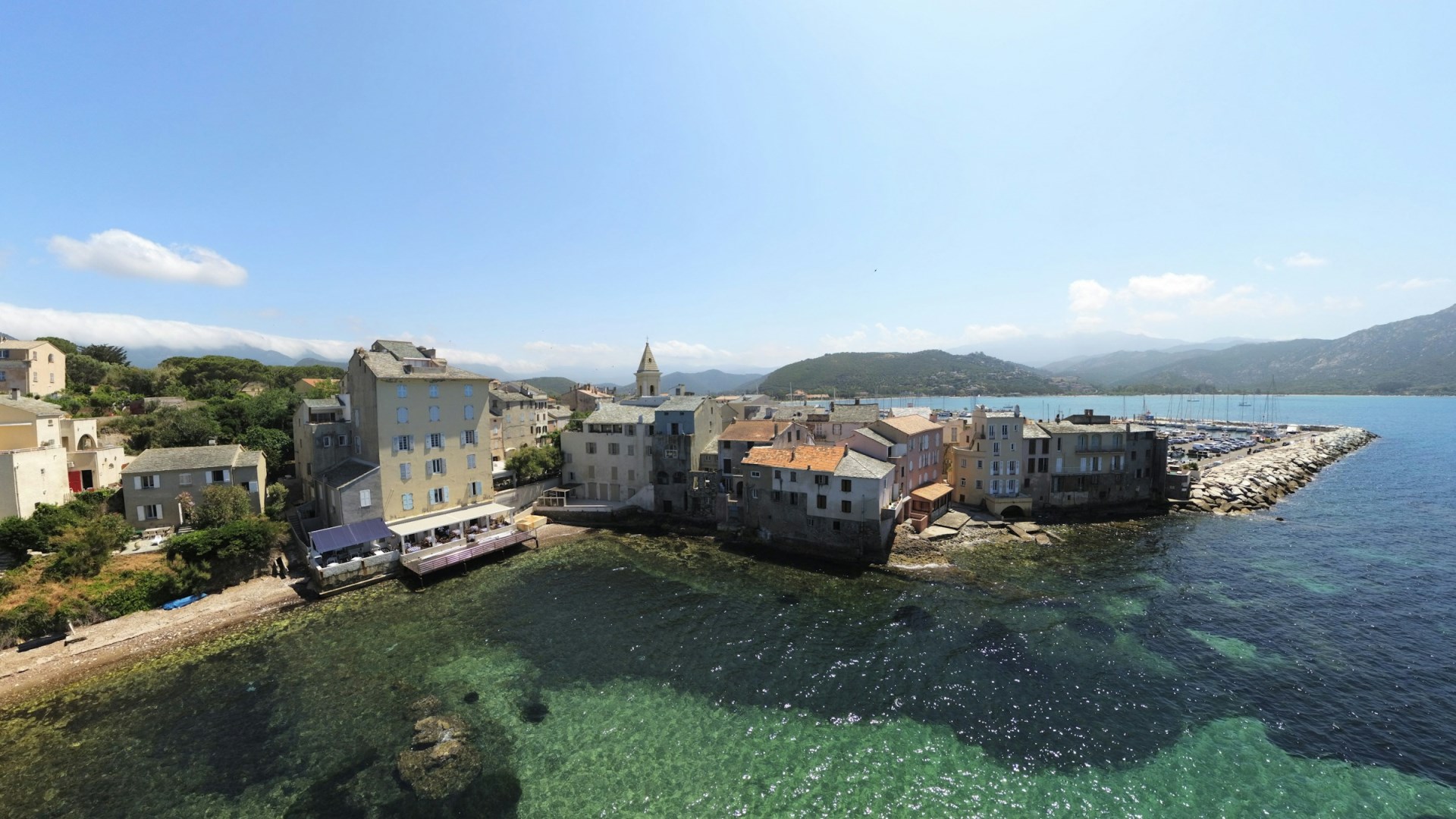
Saint Florent is a harbor town located on the island of Corsica off the coast of France. At the end of one of the most beautiful gulfs of the Mediterranean, Saint Florent is a unique town, offering sights such as the Genoese citadel and yachting port. Nebbio Cathedral, built in the 12th century, is another popular attraction, and fine white-sand beaches can be found nearby.
South Georgia
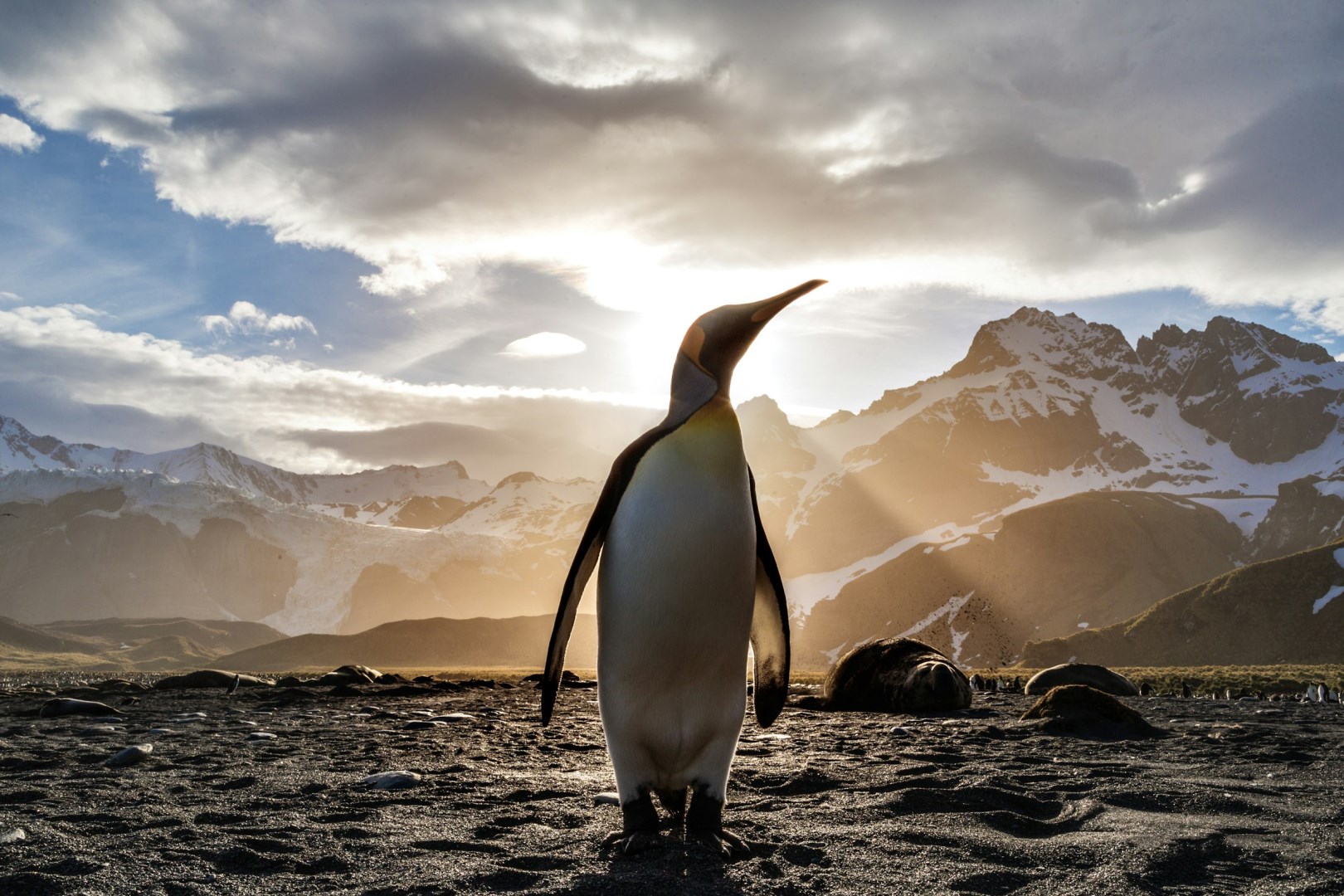
Remote, windswept, and bursting with wildlife, South Georgia is a sub-Antarctic island that surprises nearly everyone who steps ashore. Though uninhabited by civilians, the island hosts a small British research station and welcomes visitors via expedition cruises. What draws people here is not luxury or convenience, but the scale of its wildness.

Broken Hill
Broken Hill is a mining town which is also very popular amongst Australian artists. The town is known as ‘Silver City’ and still mines for Silver, lead and zinc today. However there is only one mine that is still open today. When you get here be prepared to change your watches.

Oslo
Oslo, Norway’s capital, stands at the crossroads of Nordic history and forward-thinking design. Originally founded over a thousand years ago by Viking King Harald Hardrada, the city has evolved from a medieval trading hub into one of Europe’s most modern capitals. Visitors can explore its layered past at the Akershus Fortress, a 13th-century stronghold still standing guard over Oslofjord, or walk through the preserved wooden homes of Damstredet.
Jordan River
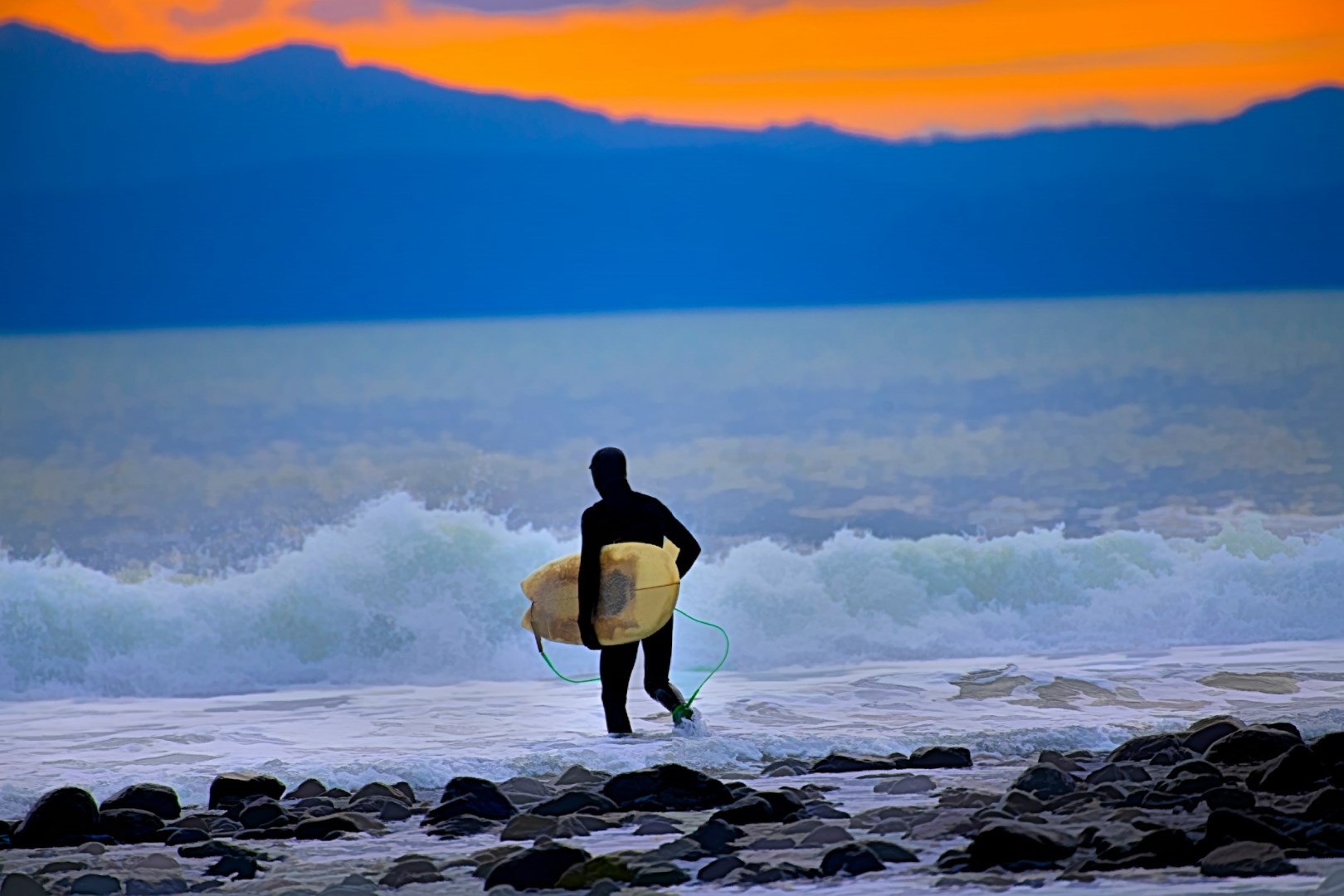
Jordan River is a small coastal community on the southwestern coast of Vancouver Island, British Columbia, where the Jordan River reaches the Strait of Juan de Fuca. Dense coniferous forest surrounds the settlement, while rocky beaches and exposed coastline face the open waters of the strait.