Germany
Germany offers a wide range of experiences, shaped by centuries of history, regional traditions, and striking landscapes. In Berlin, the past and present share the same streets. Visitors can walk along remnants of the Berlin Wall and then explore a thriving street art scene in neighborhoods like Kreuzberg and Friedrichshain. The city's Museum Island, a UNESCO World Heritage Site, houses ancient artifacts and 19th-century masterpieces just a short walk from modern coffee shops and rooftop bars.

Denmark
Denmark is a country shaped by water, wind, and centuries of human ingenuity. In places like Roskilde, visitors can see five original Viking ships at the Viking Ship Museum and even try rowing a replica longboat across the fjord. In Copenhagen, the harbor once used by merchants and sailors now welcomes swimmers, kayakers, and ferries, with historic warehouses repurposed into restaurants and museums.
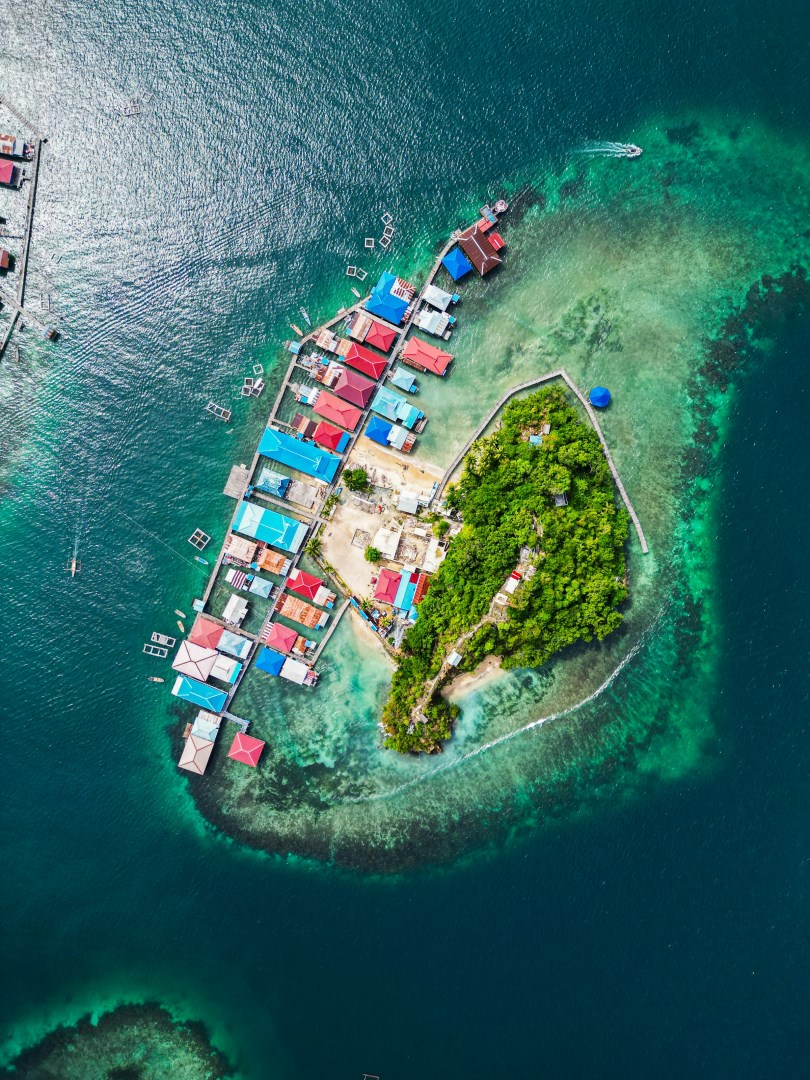
Jayapura
Jayapura is a part of Irian Jaya and shares a landmass with Papua New Guinea and it's peoples culture is very similar to the Papuans. From snow capped mountains to jungles, from swamps to glaciers there is much to explore in this less traveled, diverse region.
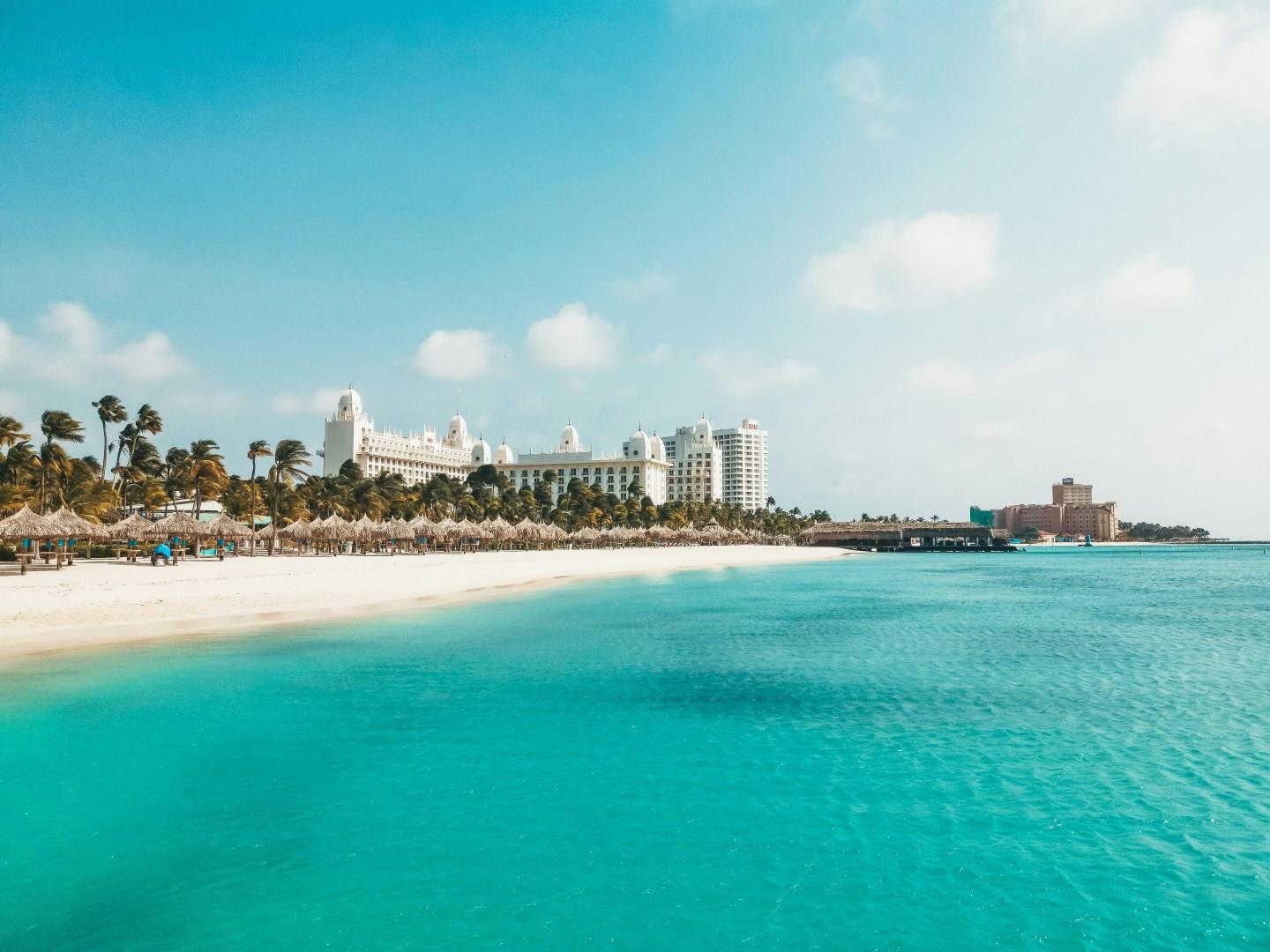
Palm Beach
Palm Beach, located on Aruba’s northwest coast, is the island’s most famous stretch of sand: a two-mile ribbon of soft white shore lined with turquoise waters and a lively resort scene.
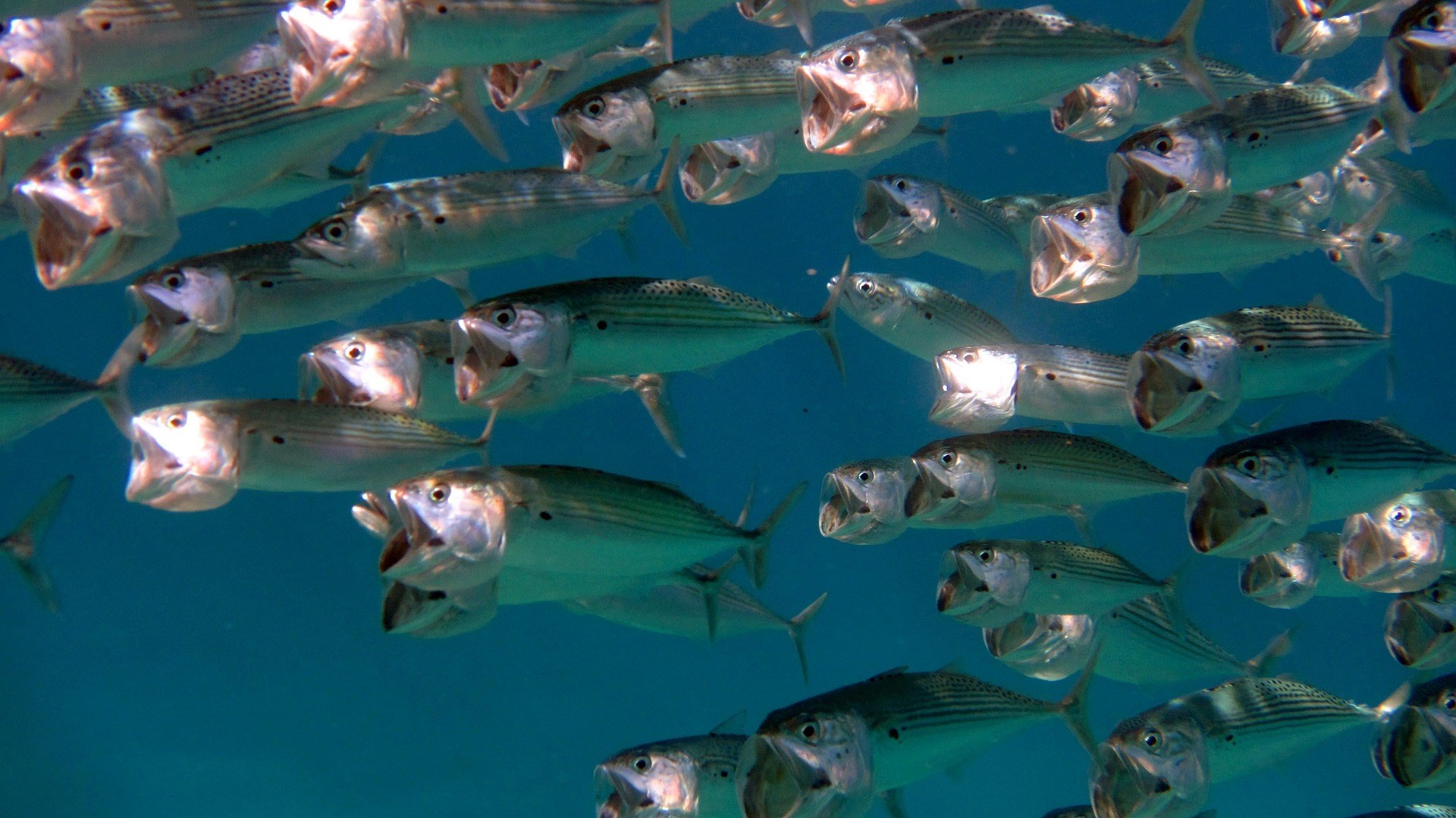
Safaga
Safaga, located on the Red Sea coast of Egypt, is a gem for those seeking both relaxation and adventure. Known for its beautiful beaches and crystal-clear waters, Safaga is a top destination for scuba diving and snorkeling enthusiasts. The vibrant coral reefs and diverse marine life of the Red Sea make it a paradise for underwater exploration.