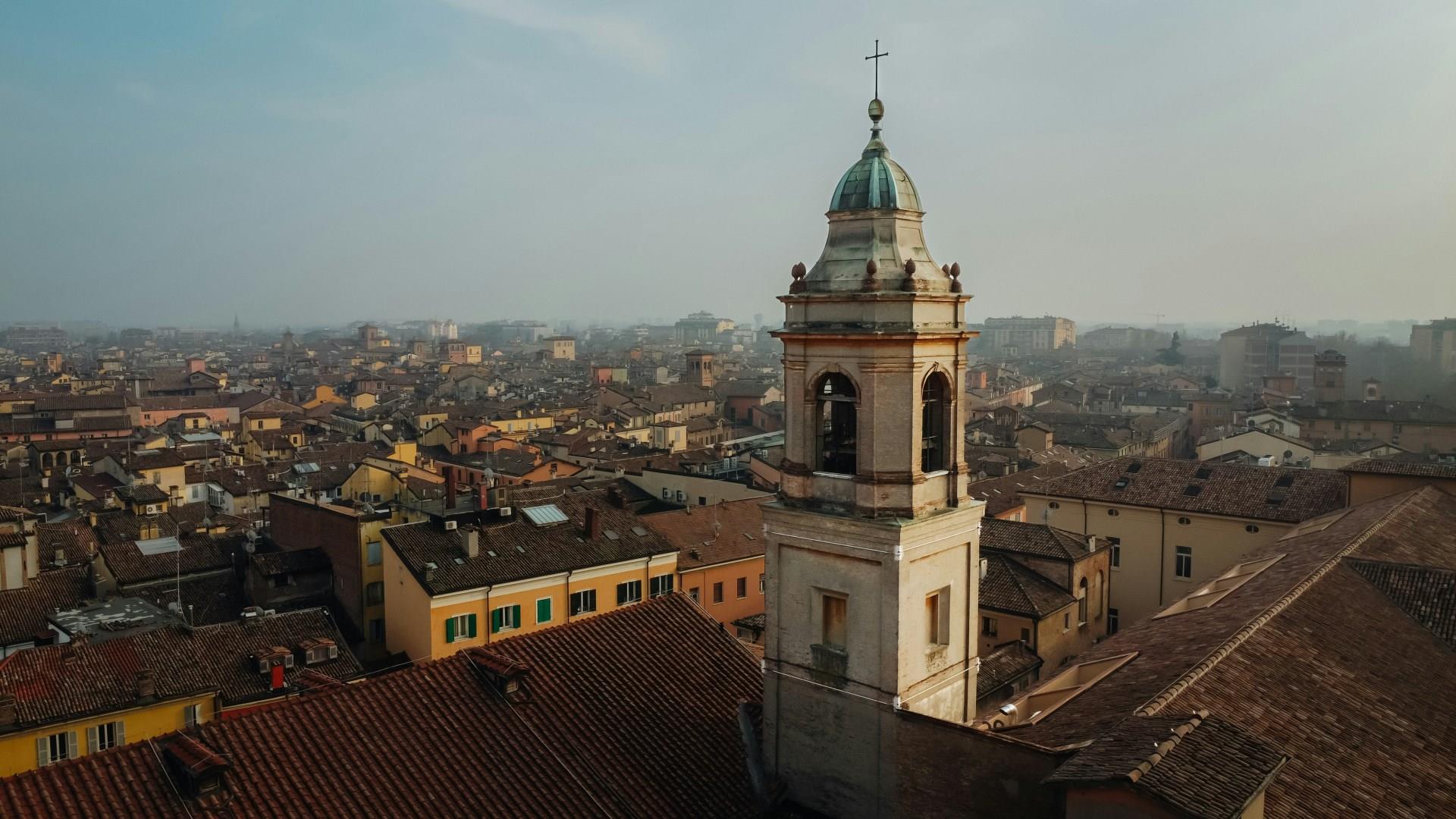
Modena
Modena is a historic city in the Emilia-Romagna region of northern Italy, celebrated for its deep culinary heritage, elegant architecture, and automotive excellence. It lies in the fertile Po Valley and is often considered one of Italy’s most livable cities.

Angkor Wat
Angkor Wat, located near Siem Reap in Cambodia, is a mesmerizing testament to the grandeur of the Khmer Empire and one of the world's most remarkable archaeological sites. Built in the early 12th century by King Suryavarman II, Angkor Wat was originally dedicated to the Hindu god Vishnu but later became a Buddhist temple.

Dominica
Dominica, known as the “Nature Island of the Caribbean,” is a haven for eco-tourists and adventure seekers. Nestled between the French islands of Guadeloupe and Martinique, this lush island boasts a remarkable landscape of volcanic mountains, dense rainforests, and stunning waterfalls. Dominica’s most iconic natural wonder is the Boiling Lake, the second-largest hot spring in the world.
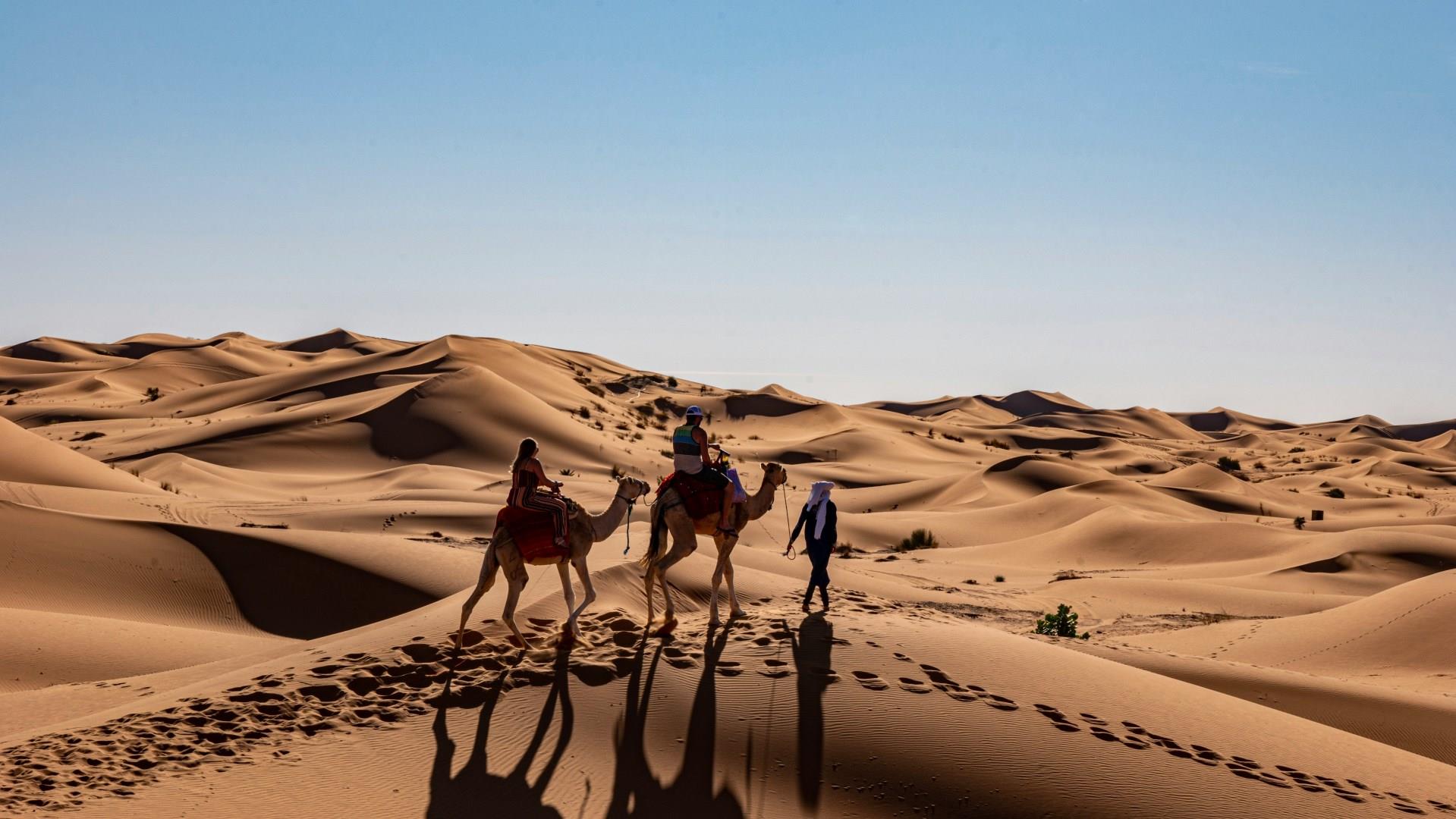
Erfoud
Erfoud, a desert town in eastern Morocco, is often seen as the last stop before the endless dunes of the Sahara begin. But this oasis holds more than just a convenient location. Known as the "Gateway to the Desert," Erfoud is steeped in history that predates the modern borders of Morocco. It was once a French colonial outpost, and today, its dusty streets and adobe buildings offer a glimpse into a slower, older way of life that still shapes the region’s identity.

Philipsburg
The capital of Saint Maarten, the Dutch side of this two nation island, Philipsburg is located on the isthmus between Groot Baai (Great Bay) and the Salt Pond. Founded in 1733 as a free port, the city is now the home to outstanding shopping, casinos, and a variety of hotels and resorts, including nearby Mullet Bay Resort and Golf Club.