Kootenay National Park
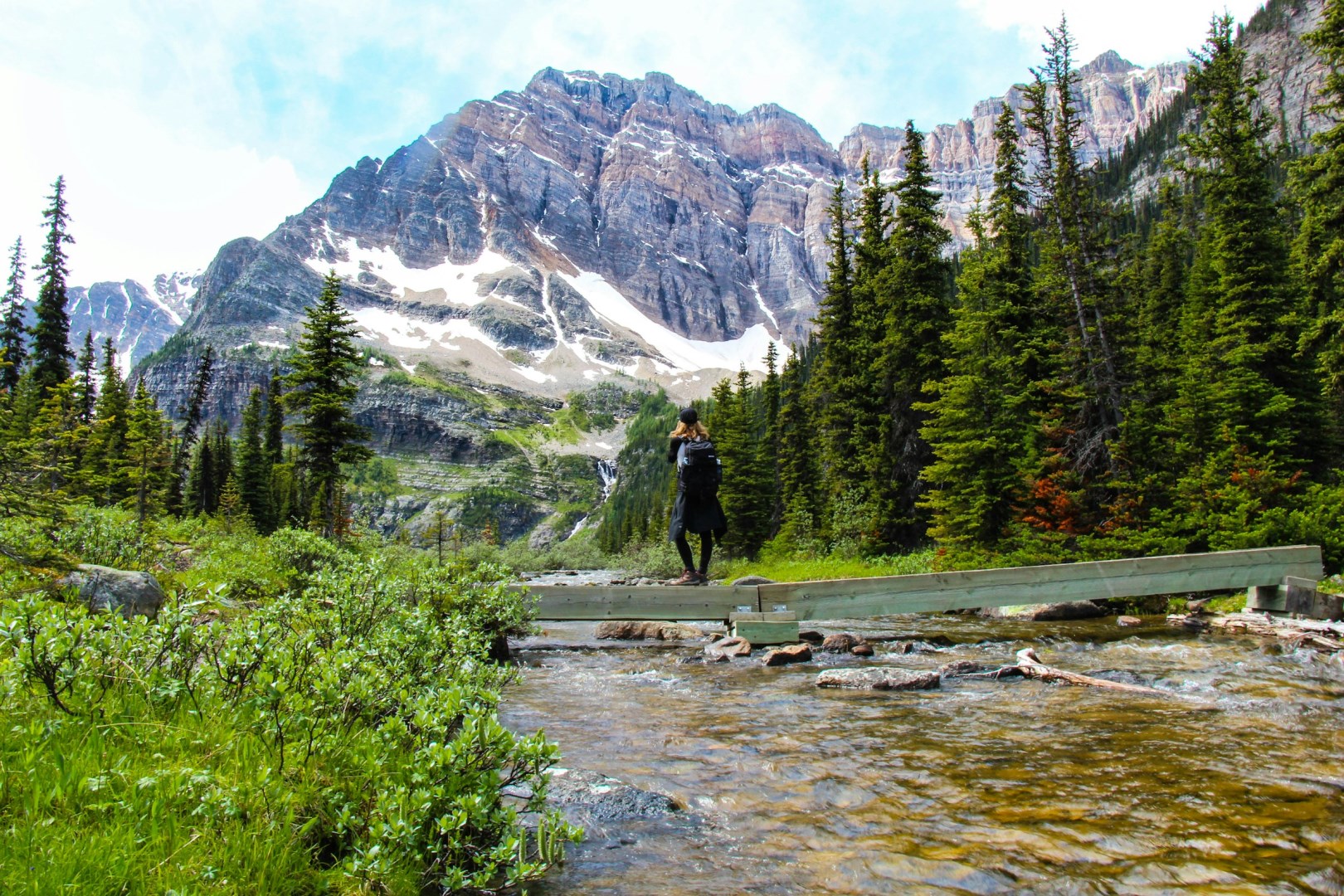
Kootenay National Park occupies 1,406 square kilometres of the Canadian Rockies in southeastern British Columbia, extending from the Continental Divide toward the Columbia Valley. The park is known for its contrasts, with glaciers and alpine terrain giving way to dry grasslands, narrow canyons, and forested valleys. Highway 93 South crosses the park, providing access to many of its landscapes and viewpoints.
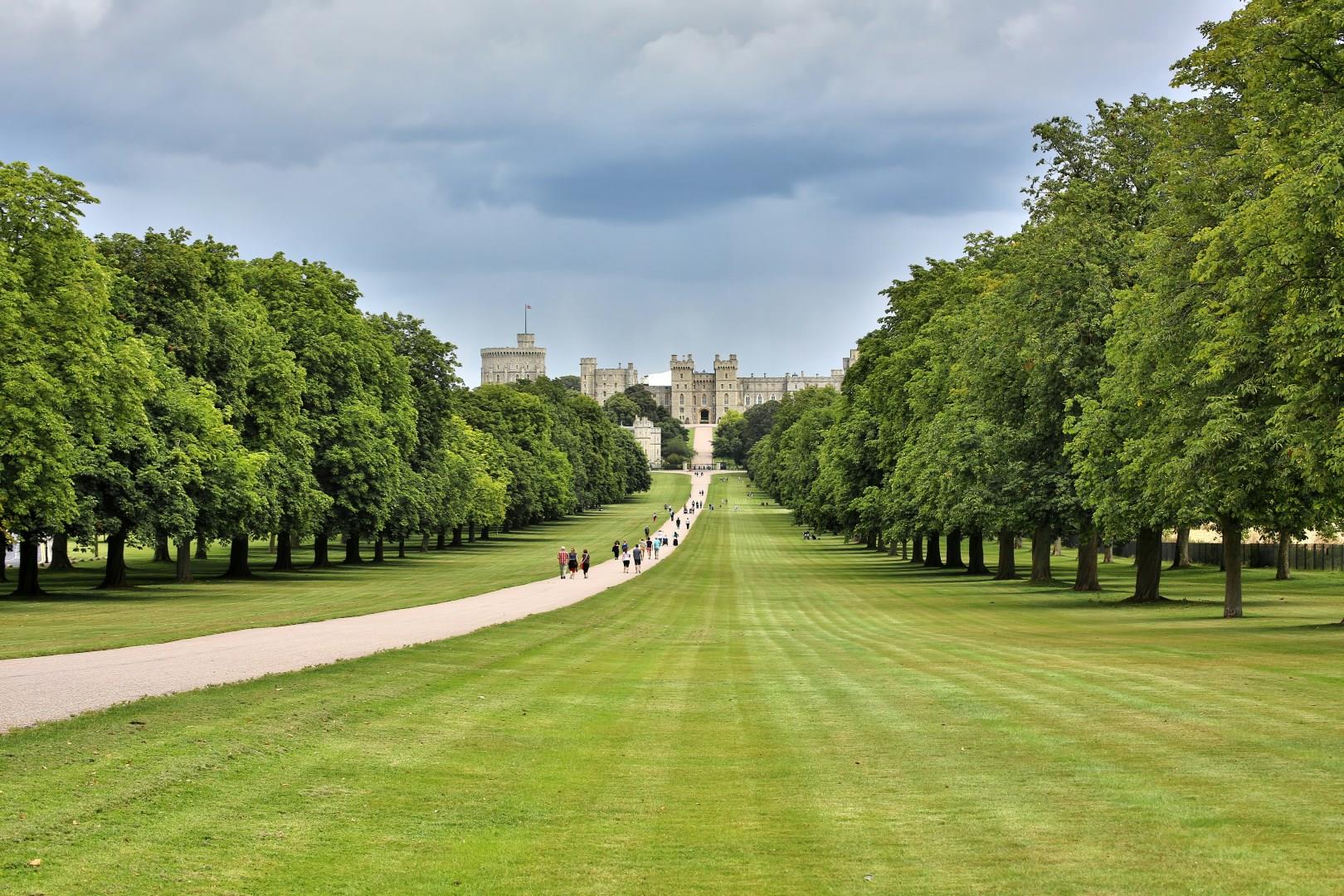
Windsor
Windsor sits along a bend in the River Thames, its identity shaped by nearly a thousand years of royal presence. Windsor Castle, the world’s oldest continuously inhabited royal residence, dominates the town and anchors its historical significance, but the surrounding streets and parks reveal a place that has long supported court life, trade, and everyday routines alongside ceremony.
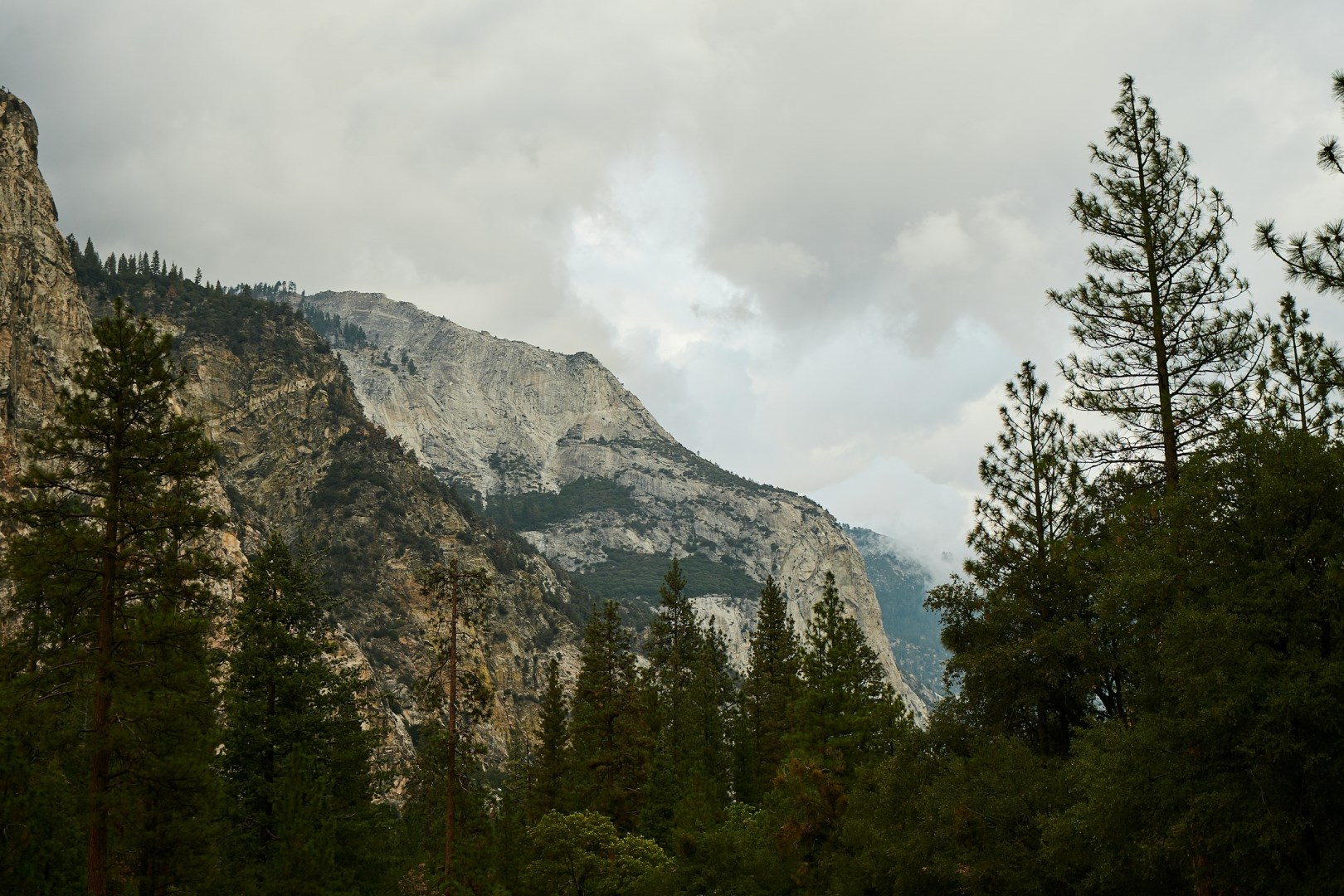
Kings Canyon National Park
Located in the southern Sierra Nevada mountain range, Kings Canyon National Park feaures high mountain meadows, swift flowing rivers, groves of giant Sequoia trees, and many miles of hiking trails to explore it all.
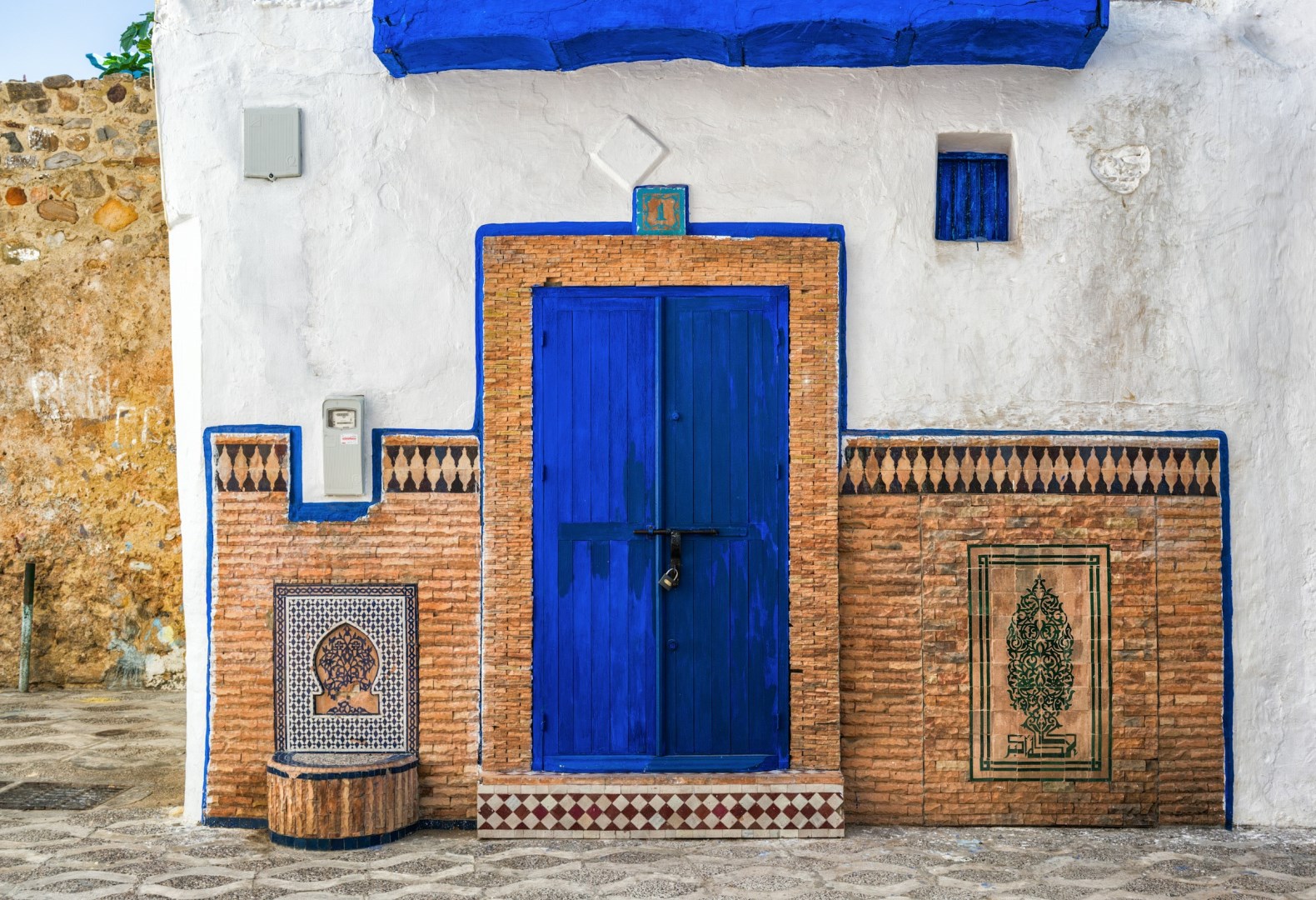
Asilah
Asilah is a small coastal town on Morocco’s Atlantic shore, south of Tangier, known for its whitewashed buildings, fortified medina, and position beside the sea. Its historic walls run along the coastline, with sections overlooking rocky cliffs and the Atlantic. The town has a quieter character than larger northern Moroccan cities, while its narrow streets, painted façades, and waterfront setting give it a distinctive appearance.

Baden-Baden
Nestled in the foothills of the Black Forest, Baden-Baden is Germany's ultimate spa destination, famous for its luxurious thermal baths and charming Belle Époque architecture. This elegant town, whose name literally translates to "Baths of Baden," has attracted visitors seeking relaxation and rejuvenation for centuries.