Cape Winelands
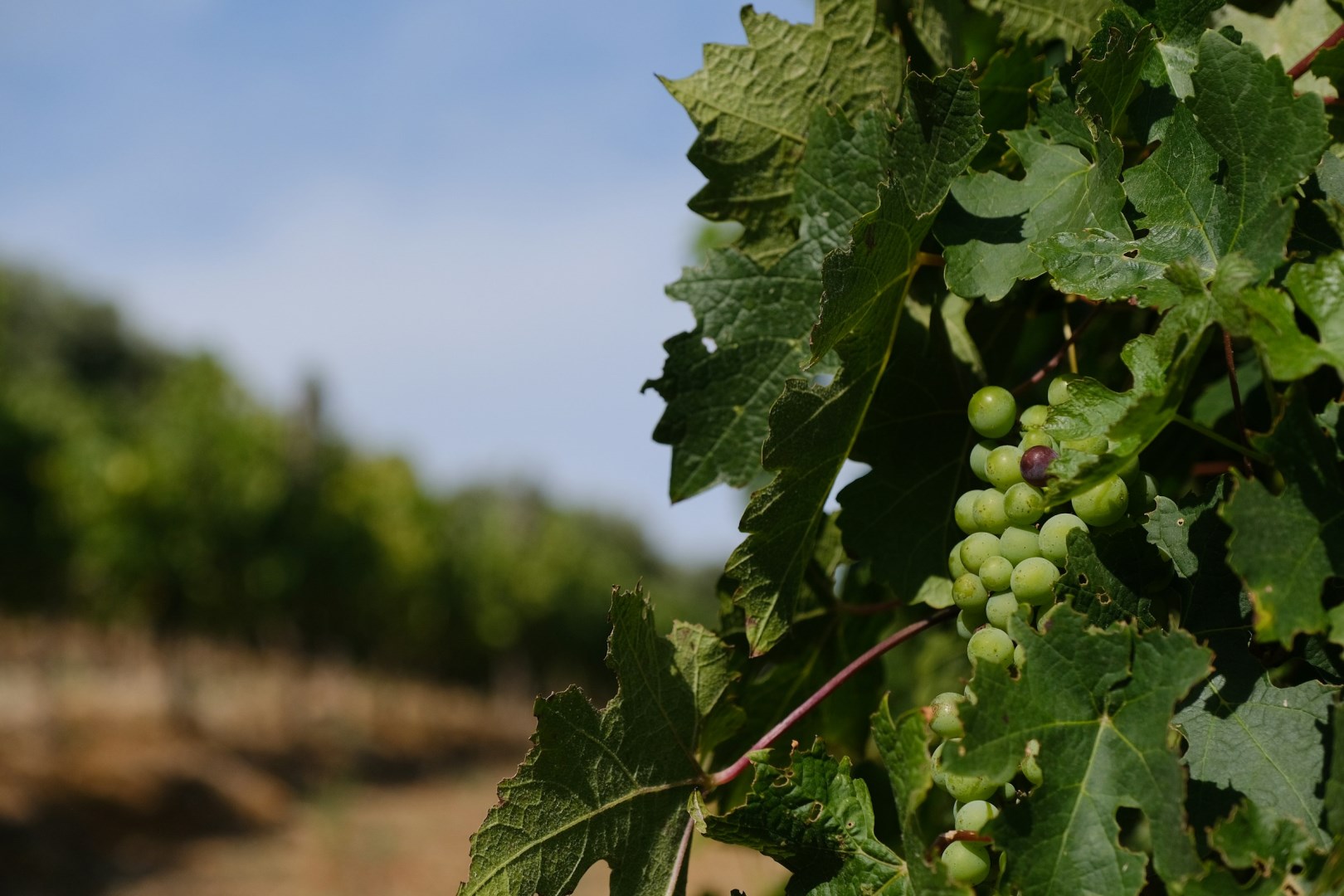
Cape Winelands is a wine-producing region in South Africa’s Western Cape, centered on towns such as Stellenbosch, Franschhoek, and Paarl. Vineyards cover broad valleys beneath the Hottentots Holland, Simonsberg, and Drakenstein mountain ranges, creating a landscape where cultivated farmland meets rugged slopes. Stellenbosch is known for its historic town centre and concentration of wine estates, while Franschhoek has a strong connection to French Huguenot heritage.
Arrawarra
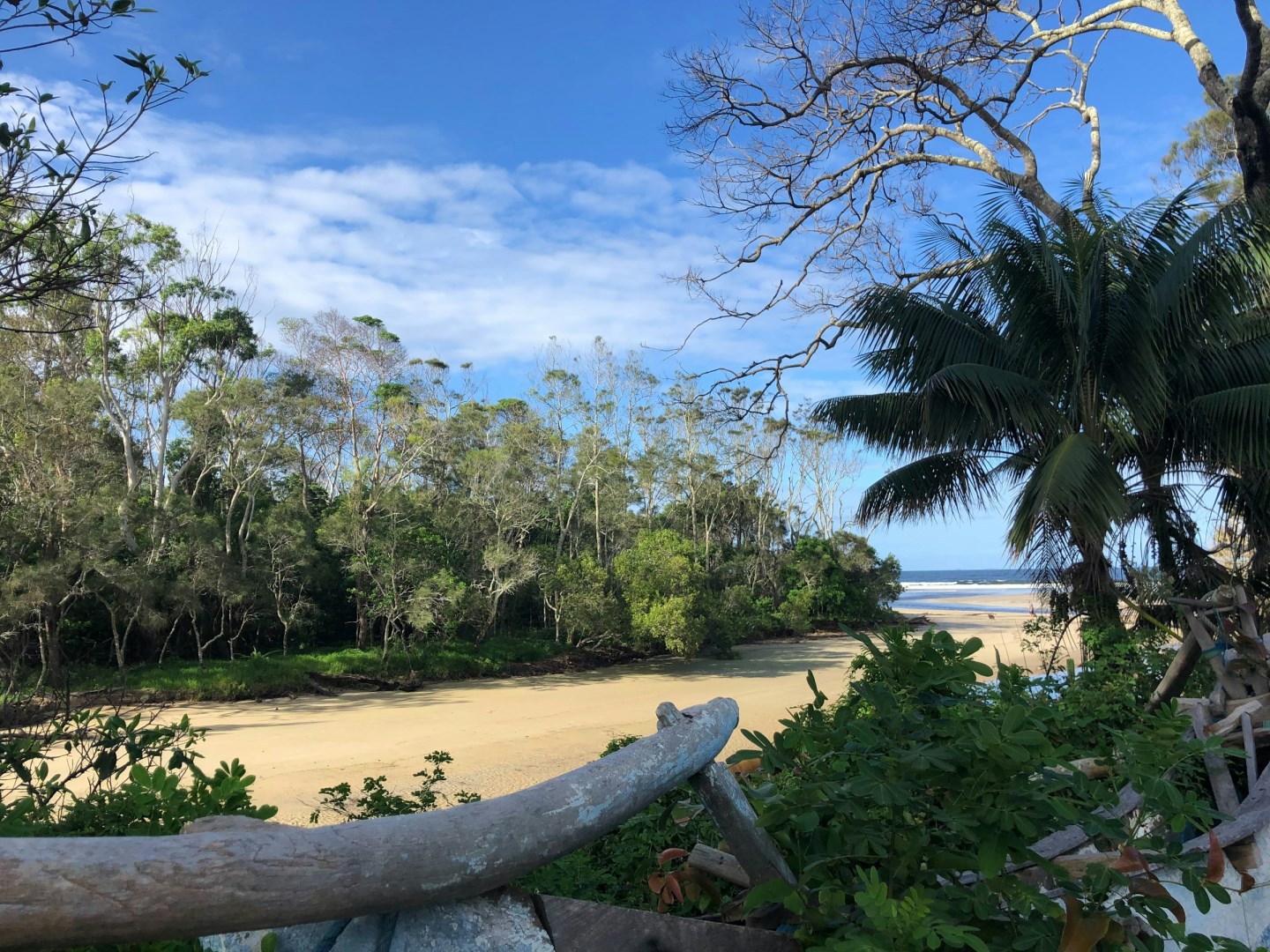
Arrawarra is a small coastal community on the Mid North Coast of New South Wales, located north of Coffs Harbour. Its landscape centres on Arrawarra Headland, where a sandy beach meets rocky shoreline, coastal vegetation, and waters protected within the Solitary Islands Marine Park. The area is known for surfing, fishing, swimming, beach walking, and exploring rock pools.

Rhode Island
Rhode Island may be the smallest state in the U.S., but it offers an outsized variety of experiences, from colonial history to coastline escapes. Founded in 1636 by Roger Williams as a haven for religious freedom, the state still reflects its independent spirit. In Providence, travelers can visit the John Brown House Museum to explore the city’s role in early American commerce, or walk Benefit Street, lined with preserved 18th- and 19th-century homes.
Arrowtown
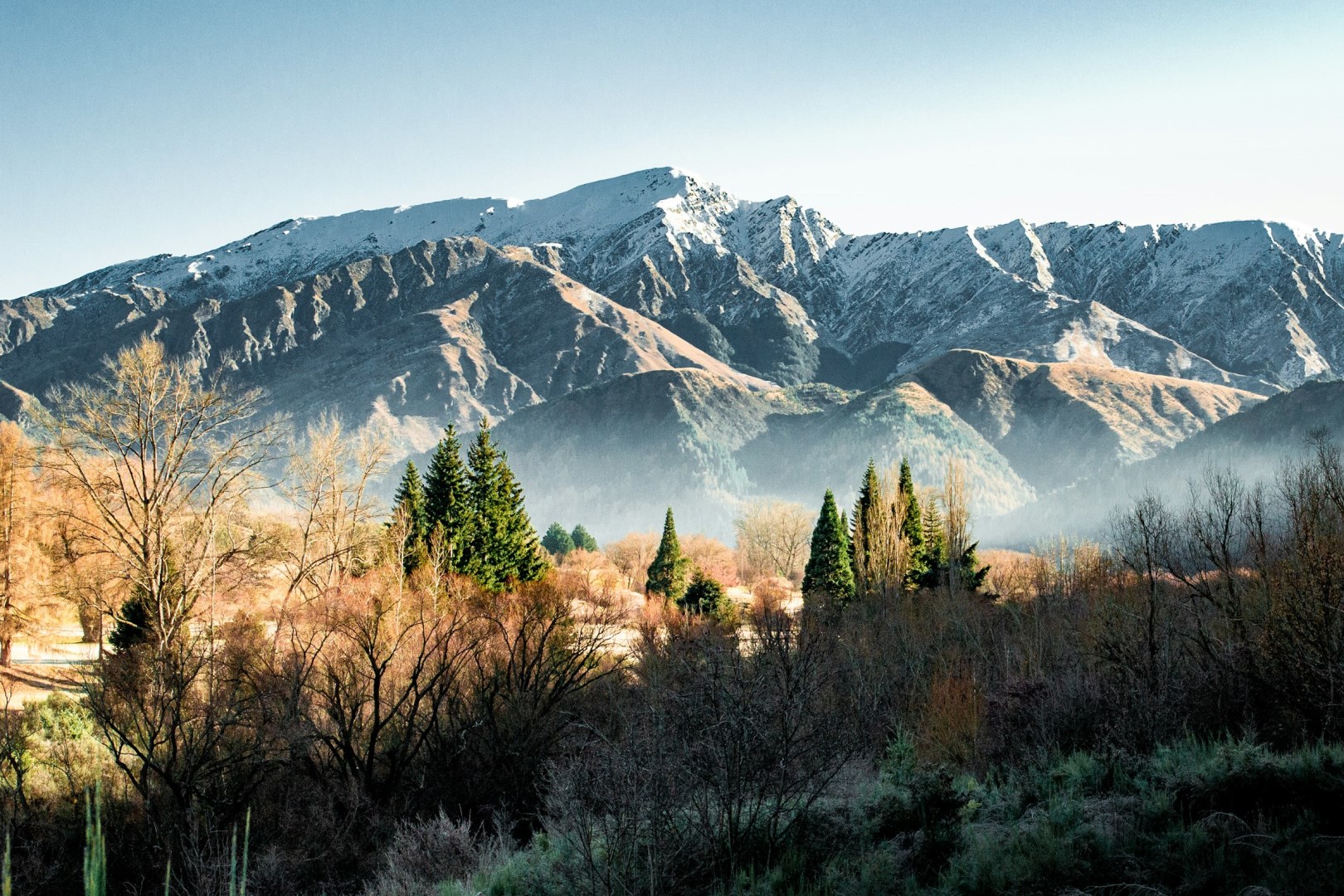
Arrowtown, New Zealand, is a quaint town steeped in gold rush history, nestled along the Arrow River in the Otago region. The town’s heritage buildings, many carefully preserved from the 19th century, offer a glimpse into its past as a thriving mining settlement.
Berry Islands
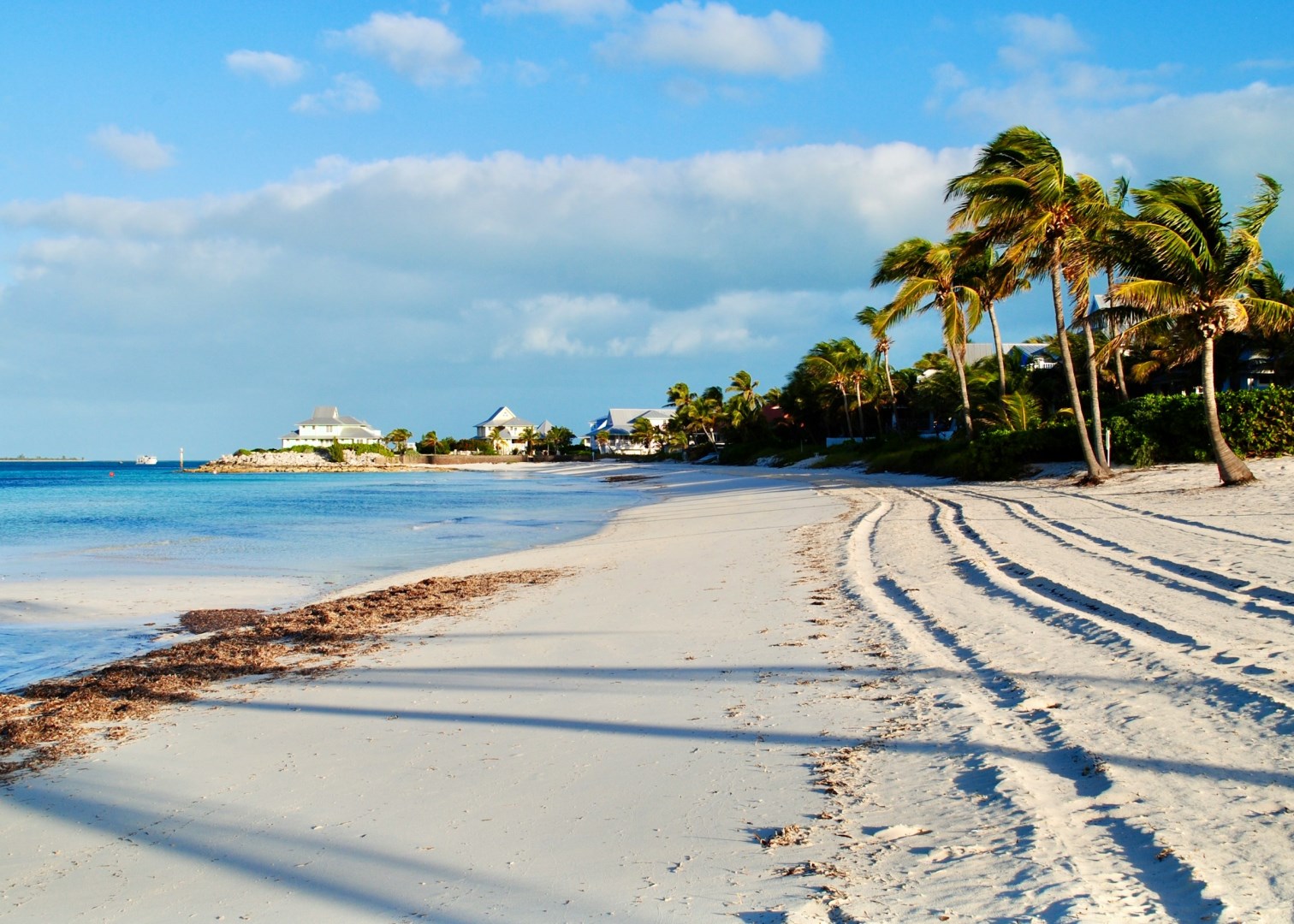
The Berry Islands are a scattered group of small islands and cays in the central Bahamas, located between New Providence and Andros. The archipelago contains Great Harbour Cay, Little Harbour Cay, Chub Cay, and numerous smaller islands surrounded by shallow banks, reefs, and clear Atlantic waters. Much of the landscape consists of low limestone islands with sandy beaches, scrub vegetation, mangroves, tidal flats, and sheltered coves.