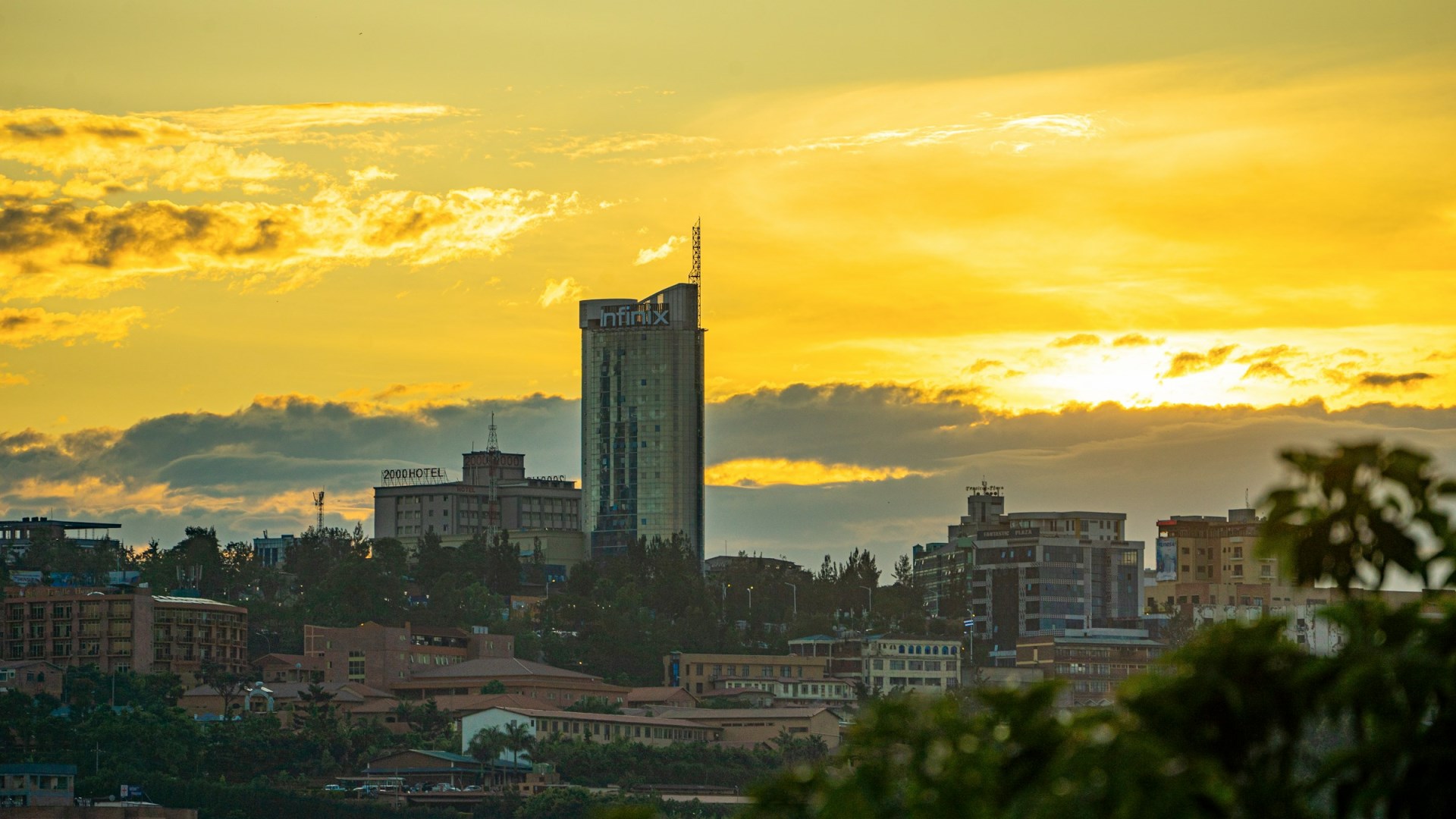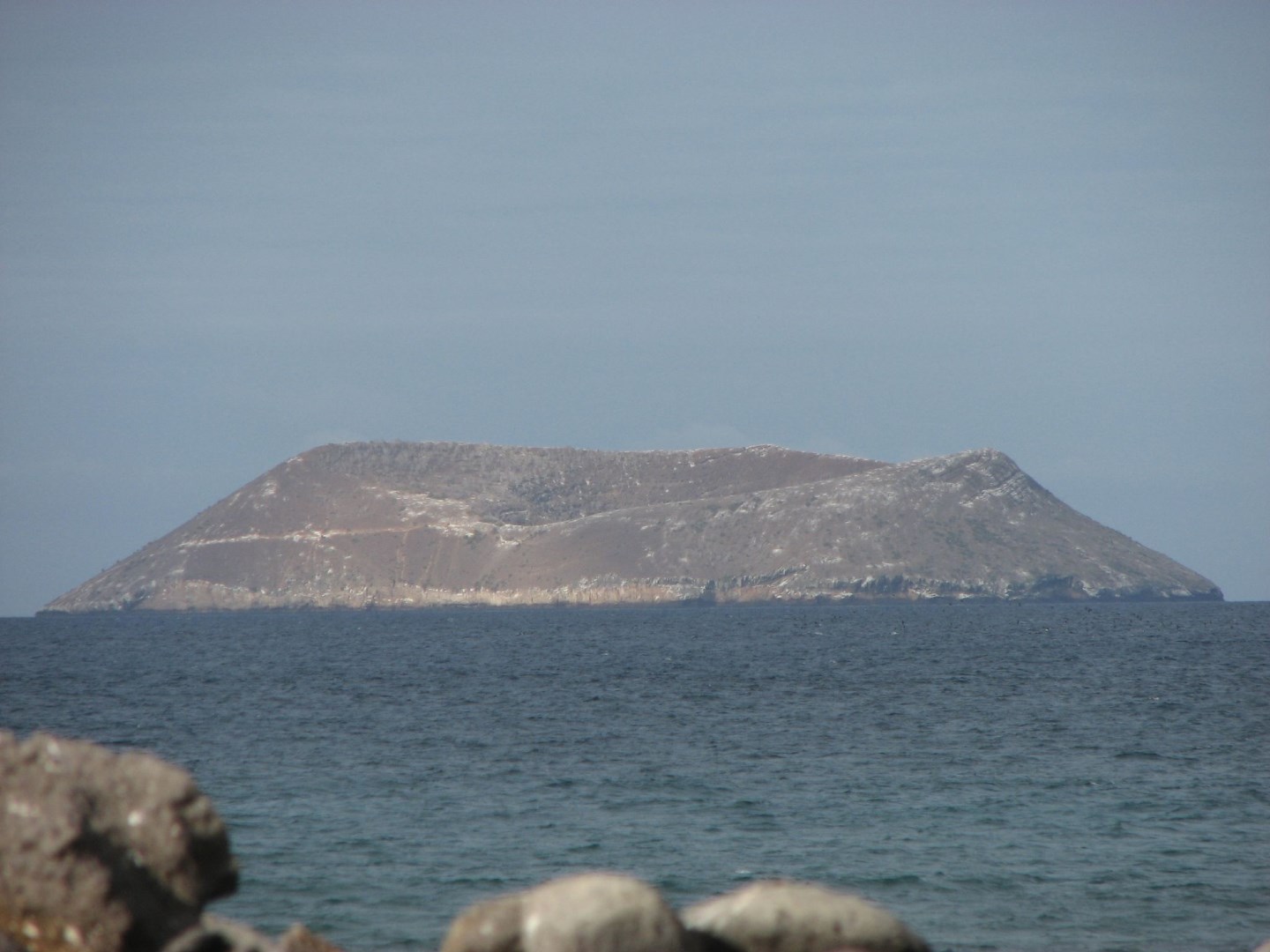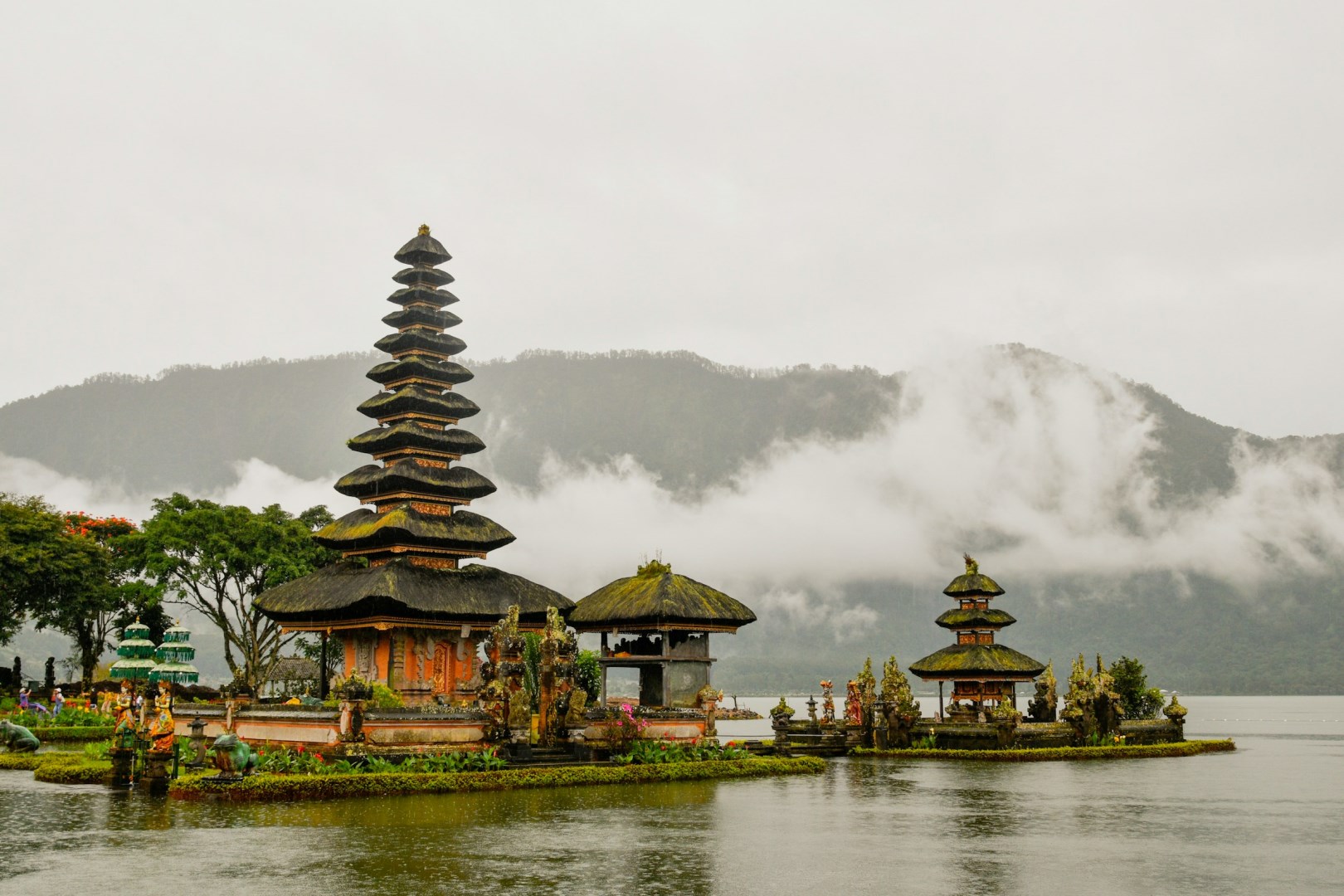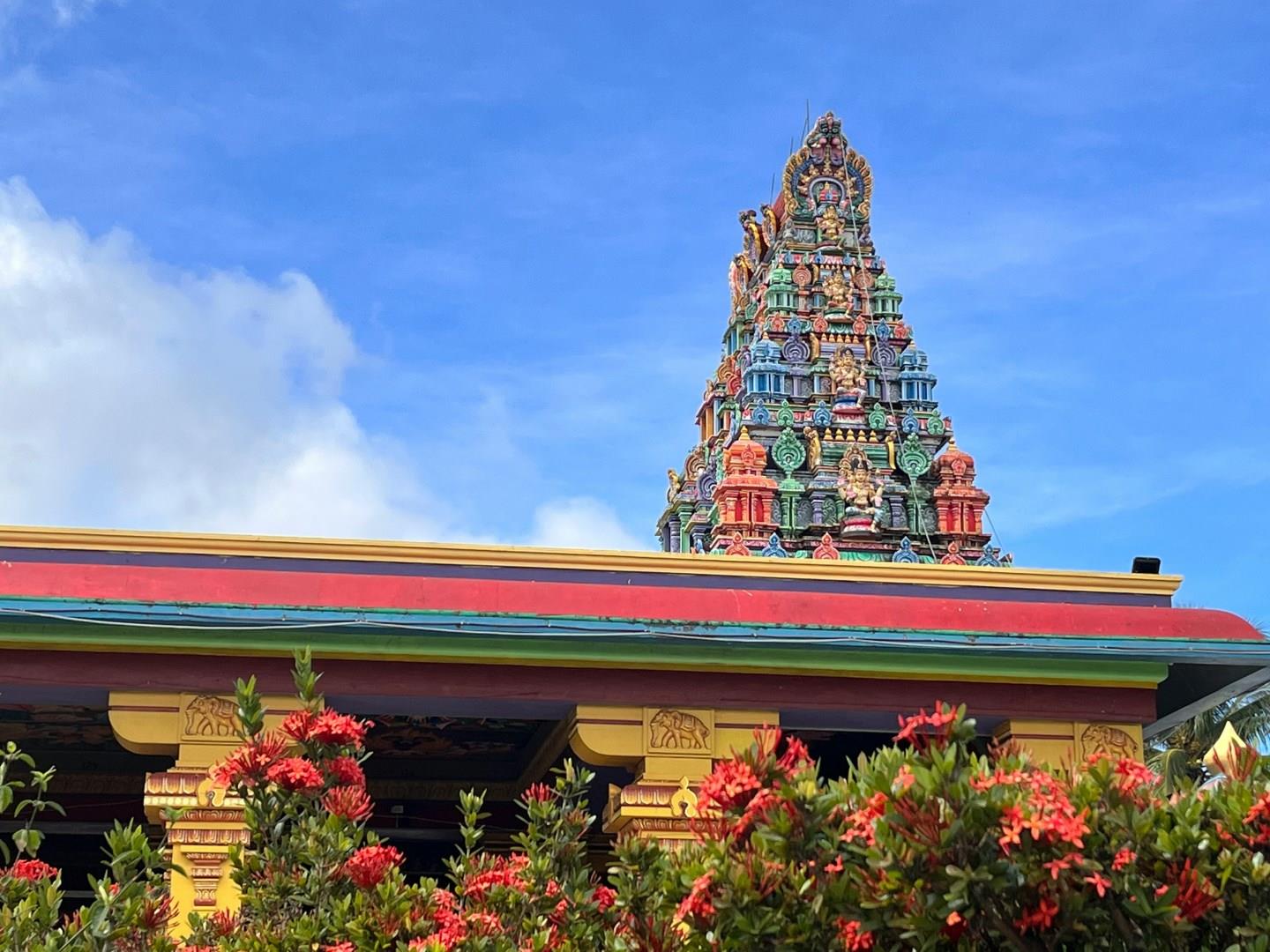
Maun, often referred to as the "tourism capital" of Botswana, is a vibrant gateway to the Okavango Delta, one of the world's largest inland deltas. Visitors can explore the nearby Moremi Game Reserve, known for its diverse wildlife and stunning landscapes, or take a scenic flight over the delta for a bird's-eye view of this spectacular UNESCO World Heritage Site.
>Slovenia, tucked between the Alps and the Adriatic Sea, is a small country with a strong sense of identity and an impressive variety of landscapes. Its capital, Ljubljana, is known for its walkable center and mix of Baroque, Secessionist, and modern architecture. The Ljubljanica River runs through the city and is lined with open-air cafés and artisan shops.
The Dead Sea lies at the lowest point on Earth, around 430 meters below sea level, and features water with nearly ten times the salinity of the ocean. That level of salinity makes floating on its surface effortless. Visitors can lie back without effort, with views opening across barren hills and reflective water. This shoreline also hosts a mix of minerals collected over millennia and known for their soothing effect on skin and joints.
Katmai National Park and Preserve lies along Alaska’s remote Pacific coast, shaped by volcanism, glaciers, and deep time. The area gained prominence after the 1912 Novarupta eruption, one of the largest volcanic events of the 20th century, which transformed the landscape and led to the creation of the Valley of Ten Thousand Smokes.
Regina is the provincial capital of Saskatchewan. Covering an area of 251,699 sq. miles, this Canadian heartland is ripe with sprawling farmlands and fertile soil producing almost one-third of North America's wheat supply. The Metis people populate a sparse area of the territory's northern wilderness of lakes, swamps and forest.
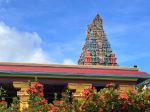
Nadi, a vibrant city on Fiji's western coast, offers a gateway to some of the South Pacific's most enchanting experiences. Known for its bustling markets and lively atmosphere, Nadi is a hub of culture and activity. A must-see is the Sri Siva Subramaniya Temple, the largest Hindu temple in the Southern Hemisphere, renowned for its intricate Dravidian architecture and colorful frescoes. The temple’s vibrant and spiritual ambiance provides a glimpse into Fiji's rich Indian heritage.
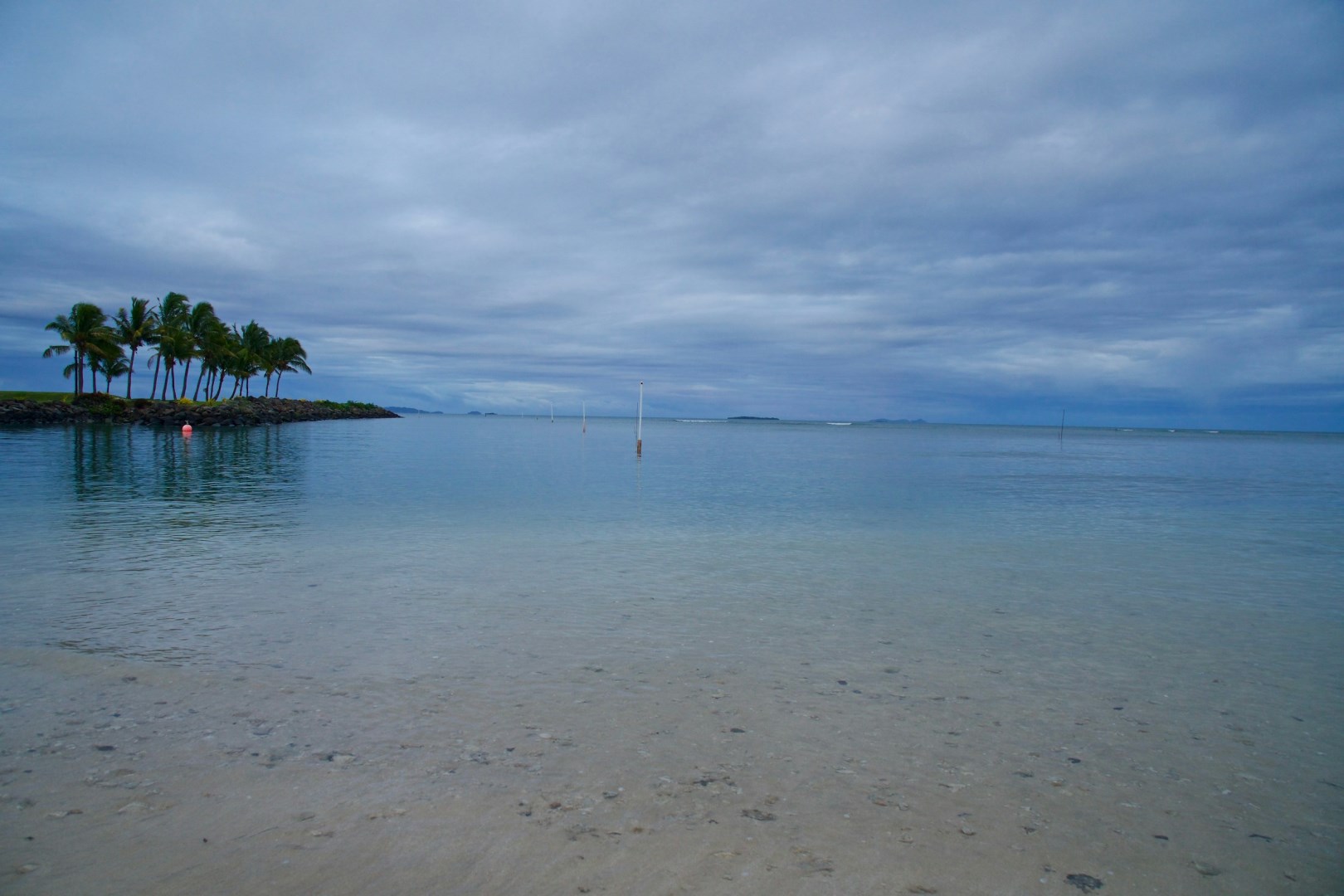
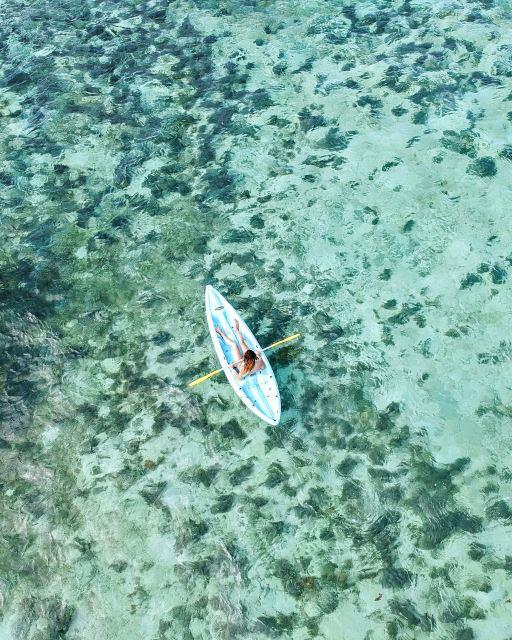
Beyond cultural landmarks, Nadi is a launchpad for exploring the stunning natural beauty of the Fijian archipelago. The nearby Mamanuca Islands and Yasawa Islands offer pristine beaches, crystal-clear waters, and world-class snorkeling and diving opportunities. The islands' idyllic settings are perfect for relaxation and adventure alike, with options ranging from island-hopping tours to water sports and spa treatments.
For those interested in local life, a visit to the Nadi Market is essential. This bustling market is a sensory delight, offering everything from fresh produce and spices to handcrafted souvenirs. It's a great place to experience Fijian hospitality and pick up unique gifts. The lively environment and colorful stalls reflect the city's diverse cultural tapestry.
Nadi's tropical climate and sunny weather make it a year-round destination. The city enjoys an average temperature of 81°F (27°C) and boasts more than 300 sunny days each year. This pleasant weather ensures that visitors can enjoy outdoor activities and beachside relaxation virtually anytime they choose.