Arkansas
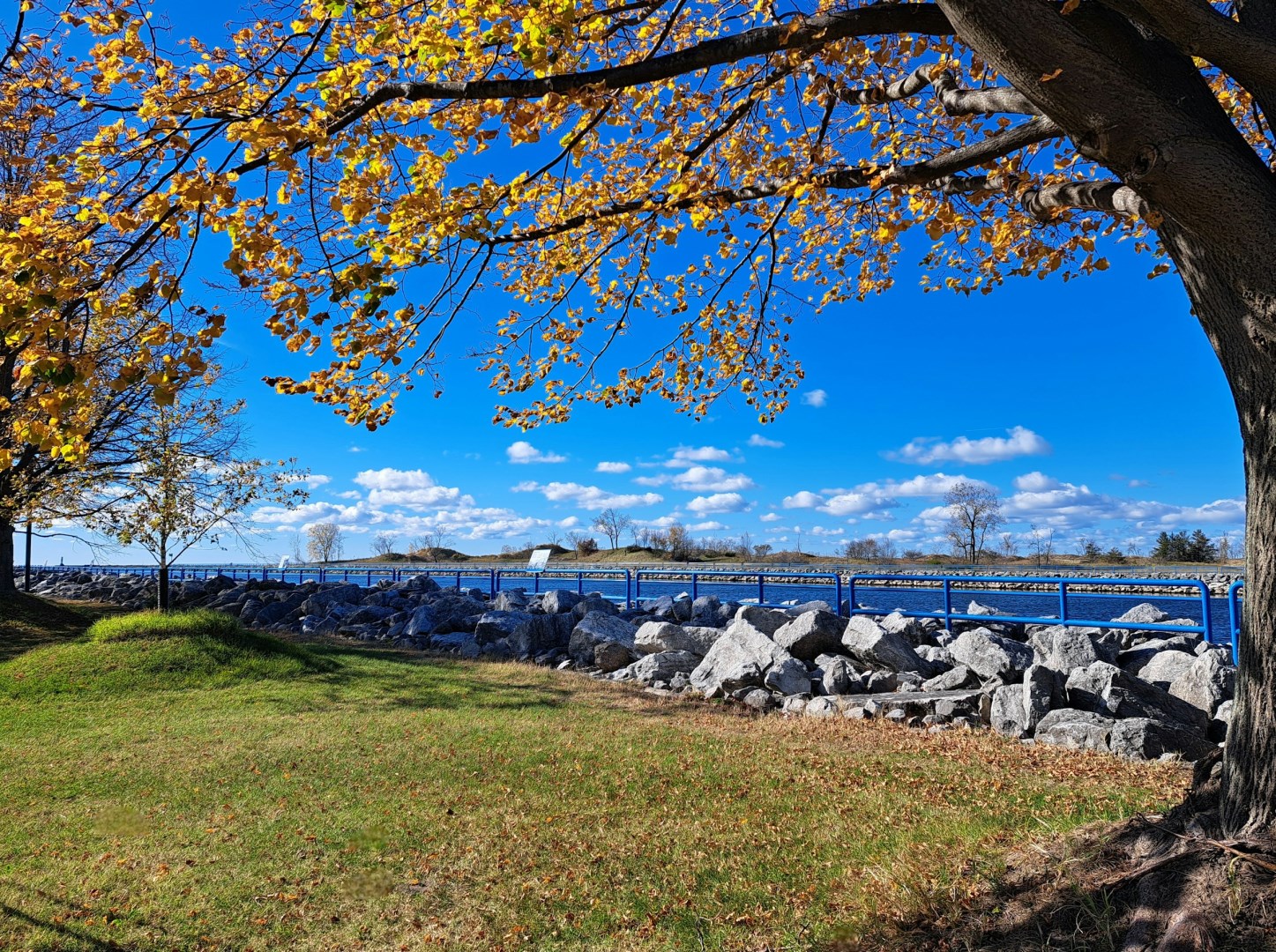
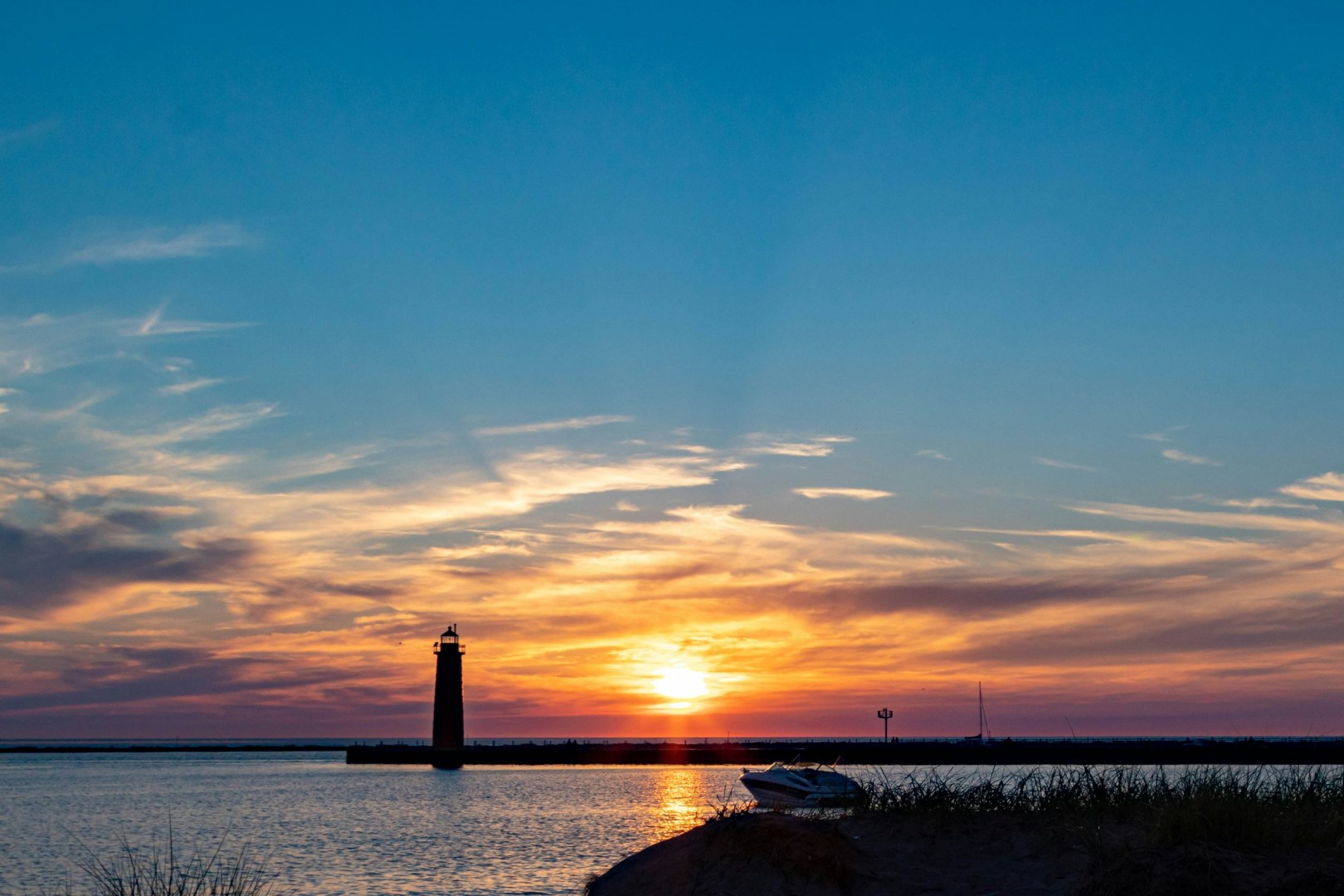
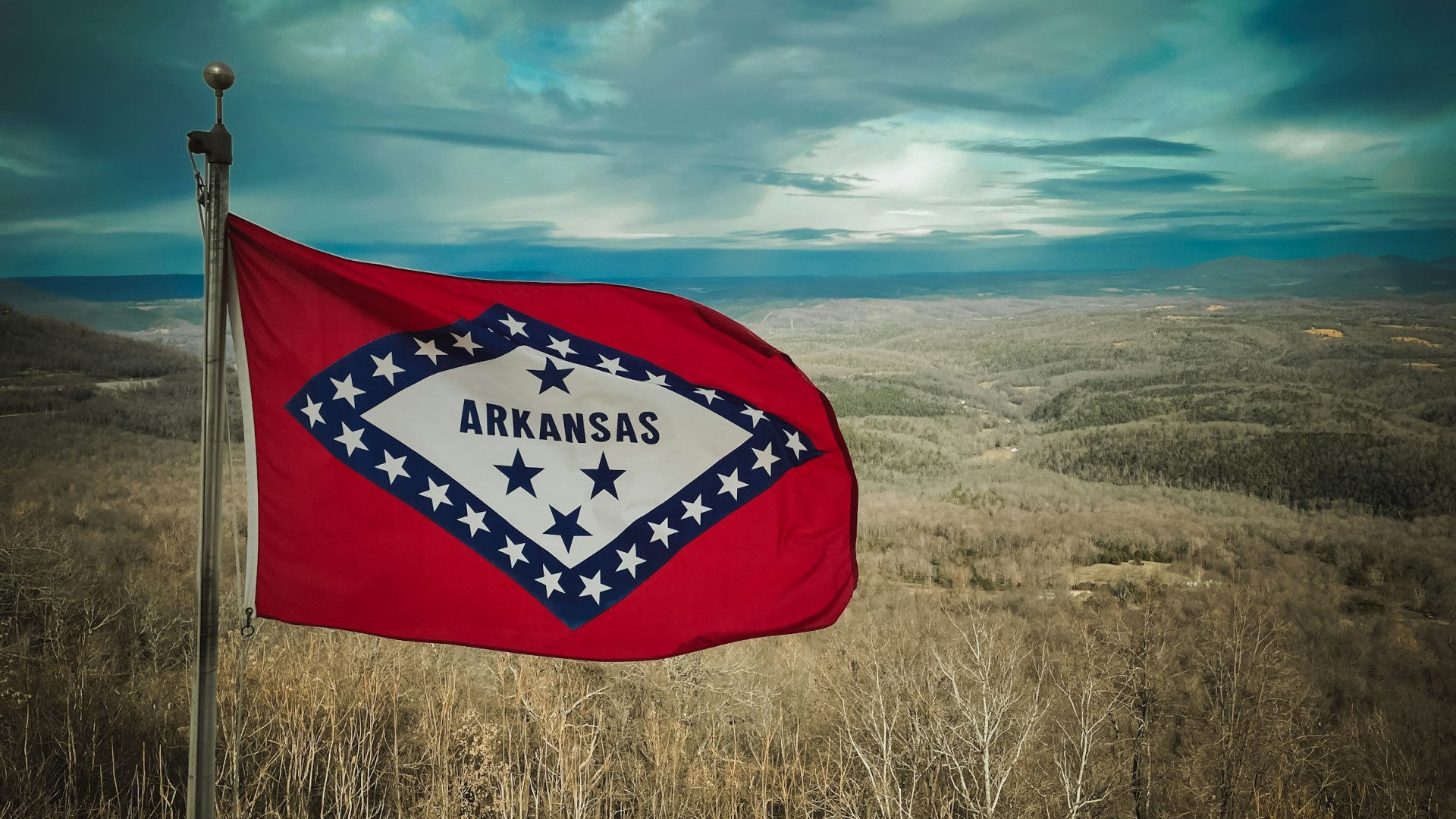
Arkansas is often called “The Natural State,” and for good reason as it’s home to more than 600,000 acres of lakes and 9,700 miles of rivers and streams. From the Ozark Mountains in the north to the Delta plains in the east, the state’s landscapes offer a wide range of backdrops for hiking, paddling, or simply taking in the view.
Suchitoto
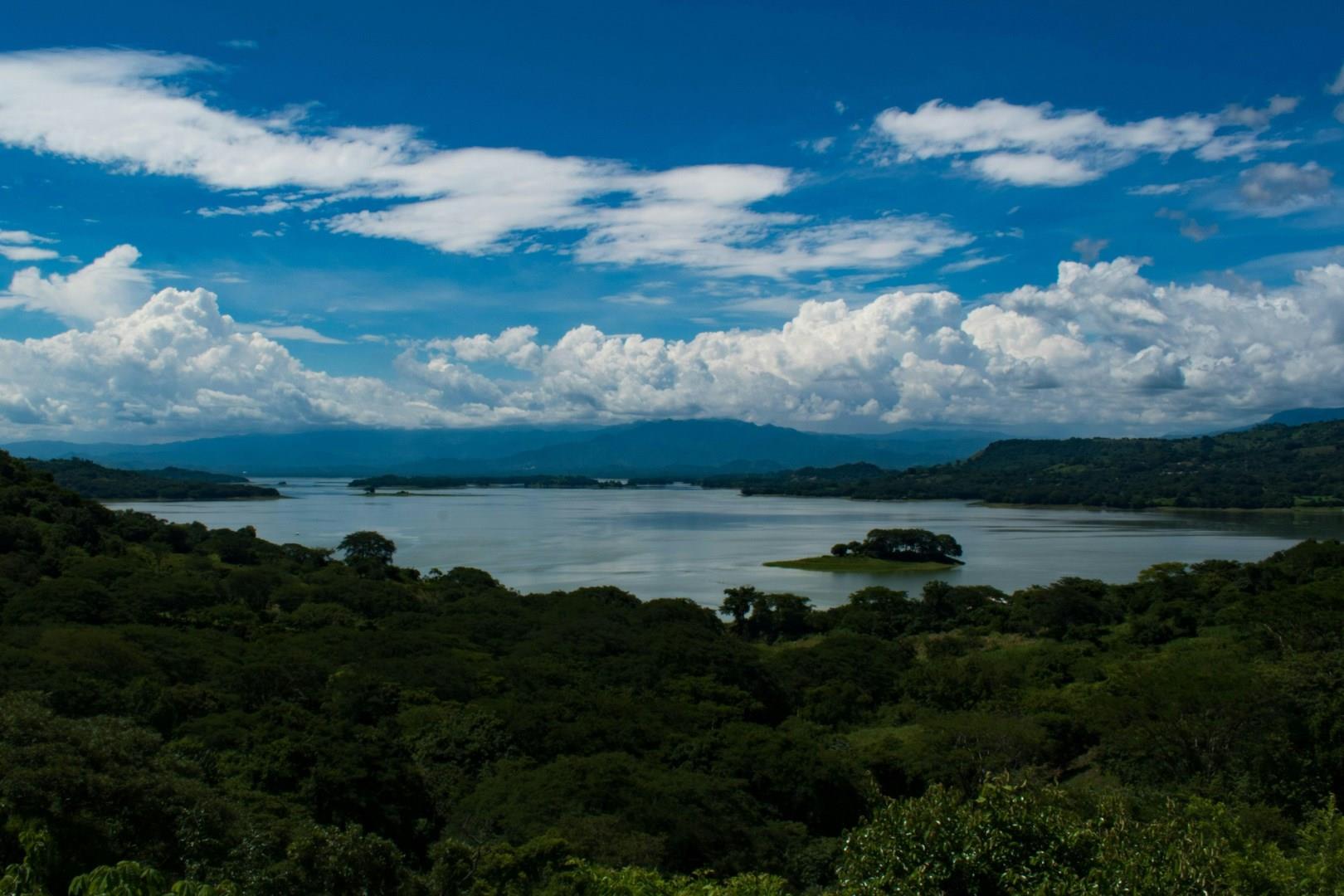
Suchitoto, located in the Cuscatlán department of El Salvador, is a hilltop town known for its cobblestone streets and scenic views of Lake Suchitlán. Once an important center for indigo production, the town still celebrates its dye-making history through artisan workshops where visitors can learn to create textiles using natural indigo. The name “Suchitoto” comes from the Nahuatl language and means “place of flowers and birds,” a nod to the area’s diverse birdlife and surrounding vegetation.
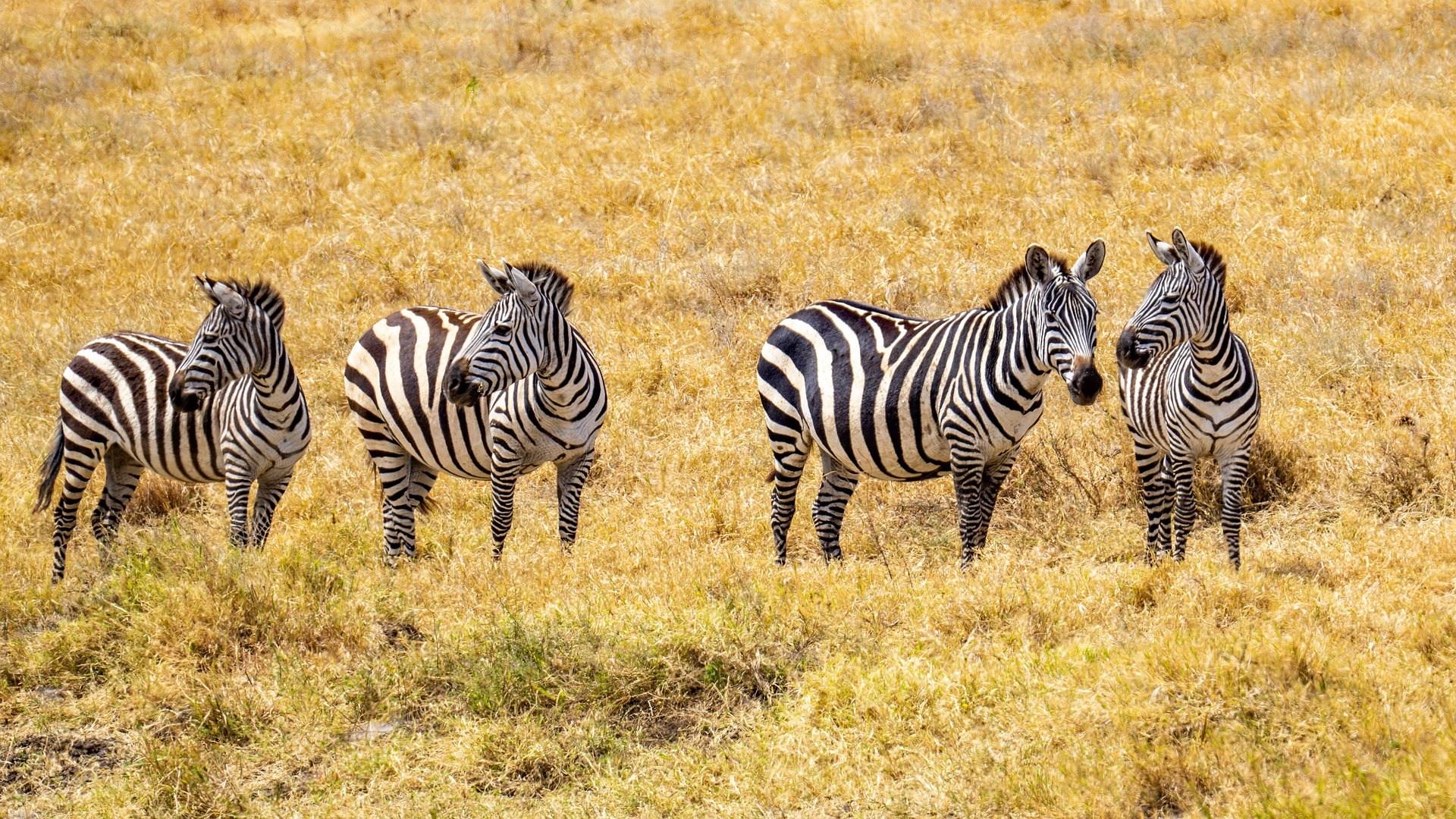
Tanzania
Tanzania, located in East Africa along the Indian Ocean, is a country of extraordinary landscapes and cultural diversity. It is home to Africa’s tallest peak, Mount Kilimanjaro, and vast plains such as the Serengeti, where wildlife roams freely across open savannas.
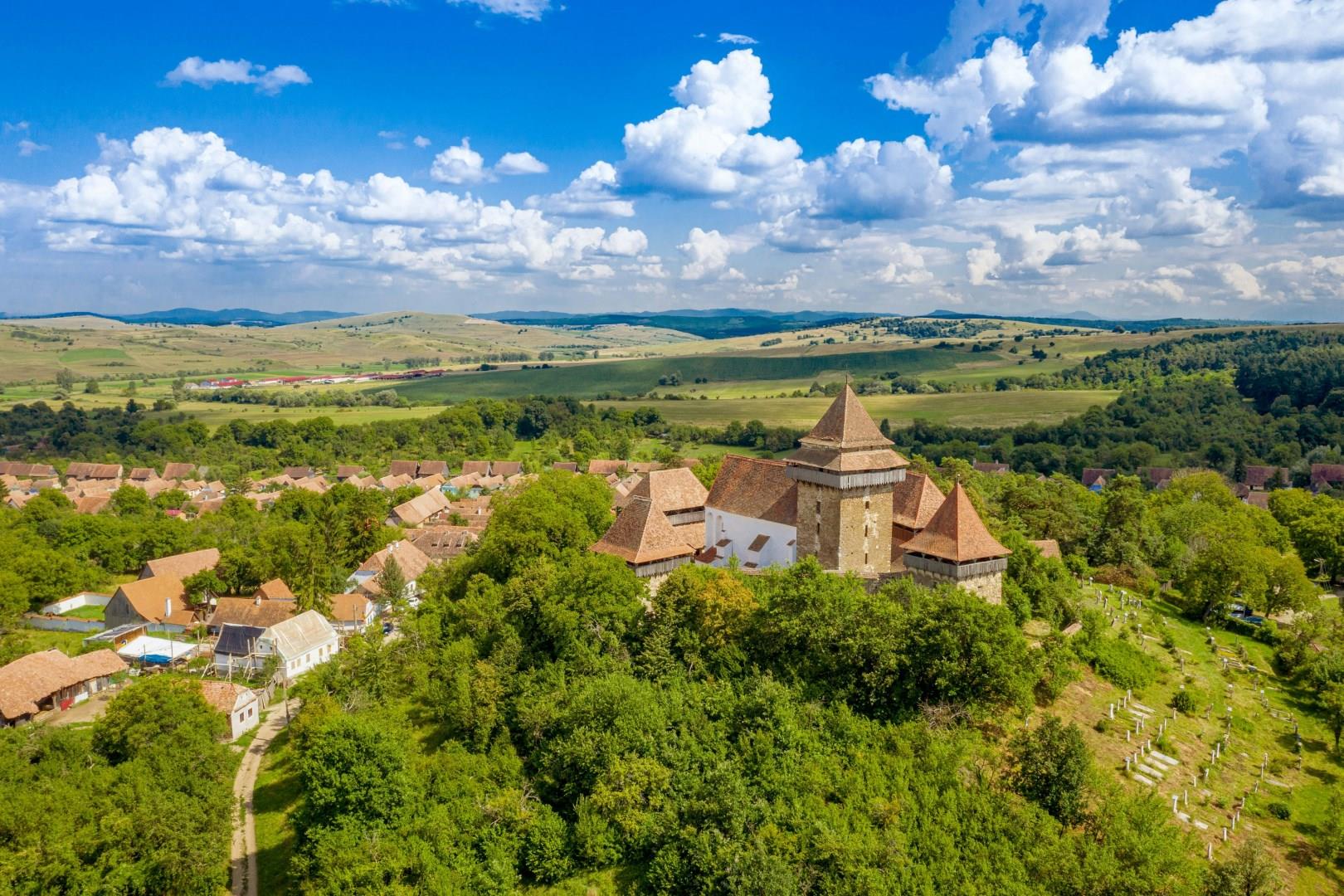
Transylvania
Transylvania is a historical region in central Romania, bordered by the Carpathian Mountains. It is known for its forested landscapes, medieval towns, and a mix of cultural influences shaped by Romanian, Hungarian, and Saxon communities. Cities such as Cluj-Napoca and Brașov serve as regional centers with preserved old quarters and growing modern districts. The region is often associated with folklore, but its identity is grounded in everyday rural life and long-standing settlement patterns.
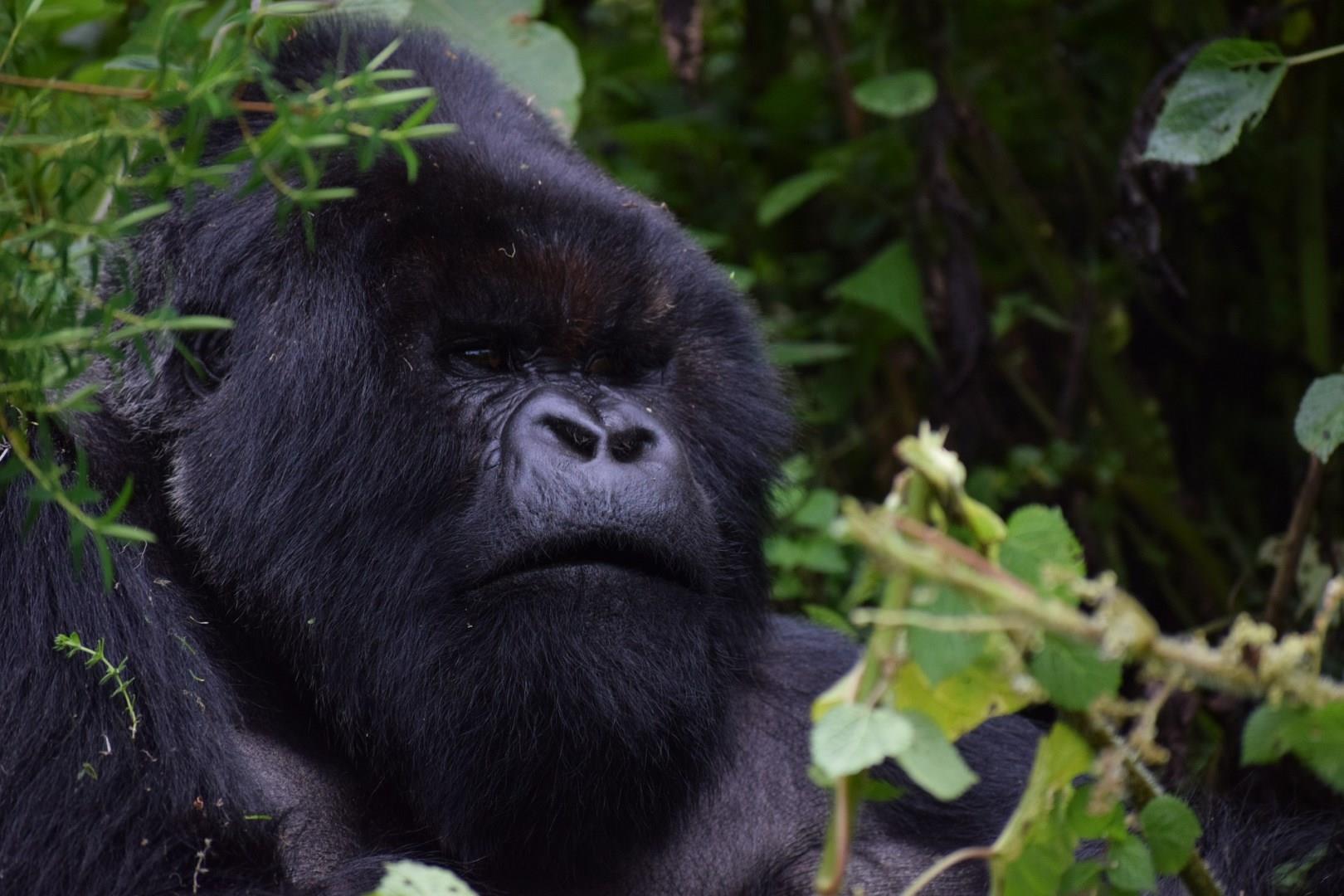
Rwanda
Rwanda, often called the “Land of a Thousand Hills,” is a country of rolling green landscapes, misty mountains, and shimmering lakes. Its scenery is striking, with terraced hillsides and lush valleys stretching as far as the eye can see.