iSimangaliso Wetland Park
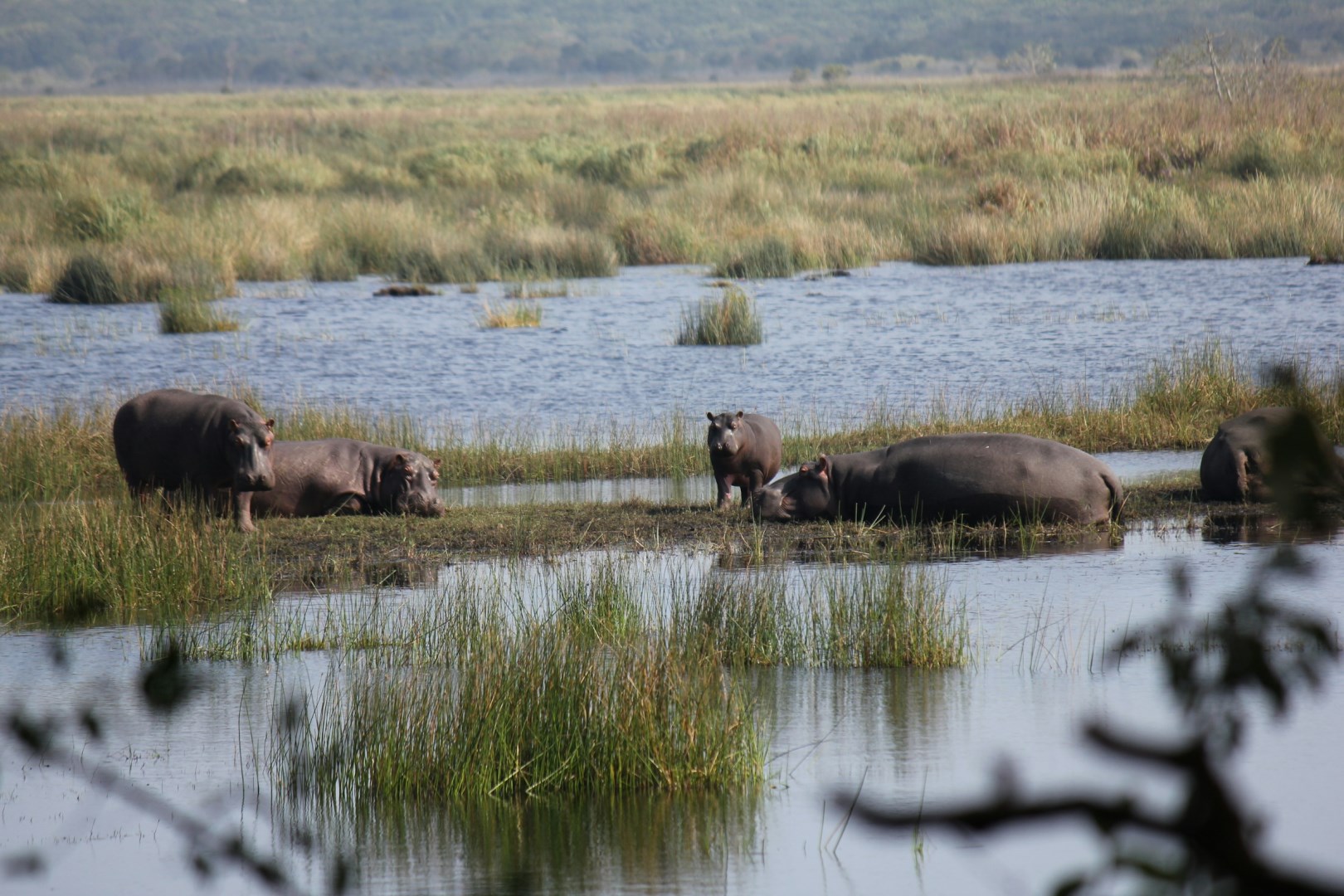
iSimangaliso Wetland Park stretches along the northern KwaZulu-Natal coast from Maphelane to the Mozambique border. It brings together beaches, coral reefs, coastal forests, dunes, lakes, wetlands, estuaries, grasslands, and savanna within one protected landscape. The park is South Africa’s first UNESCO World Heritage Site and includes several separate conservation areas linked by their ecological systems. Its name, iSimangaliso, is an isiZulu word associated with miracles and wonders.
Port Vendres
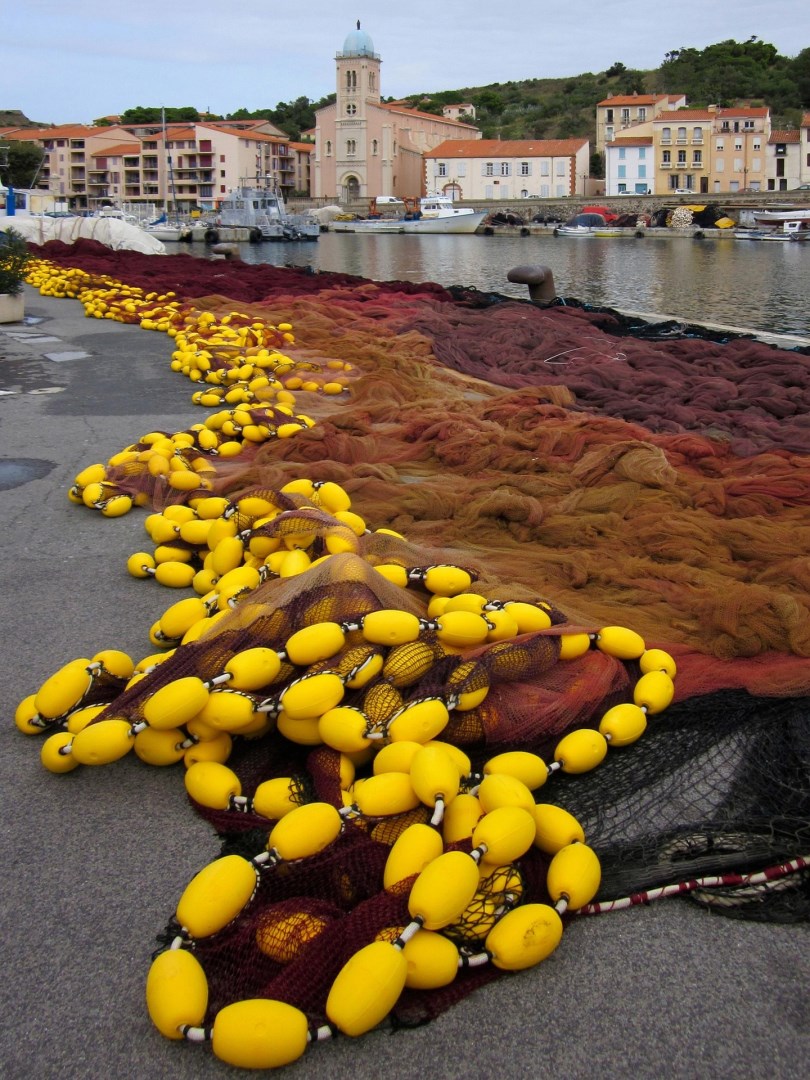
Port Vendres is an old natural harbour that welcomes trade vessels, fishing and yachting boats. It has 3 basins: the outer harbour, the Old Port and the new Darse.

Hallstatt
Nestled between the serene waters of Lake Hallstatt and the towering Dachstein mountains, Hallstatt, Austria, is a picturesque gem that seems almost too perfect to be real. This UNESCO World Heritage site is renowned for its stunning alpine scenery and charming architecture. Wander through the narrow streets lined with 16th-century houses and experience the timeless beauty that has captivated visitors for centuries.
Gokyo
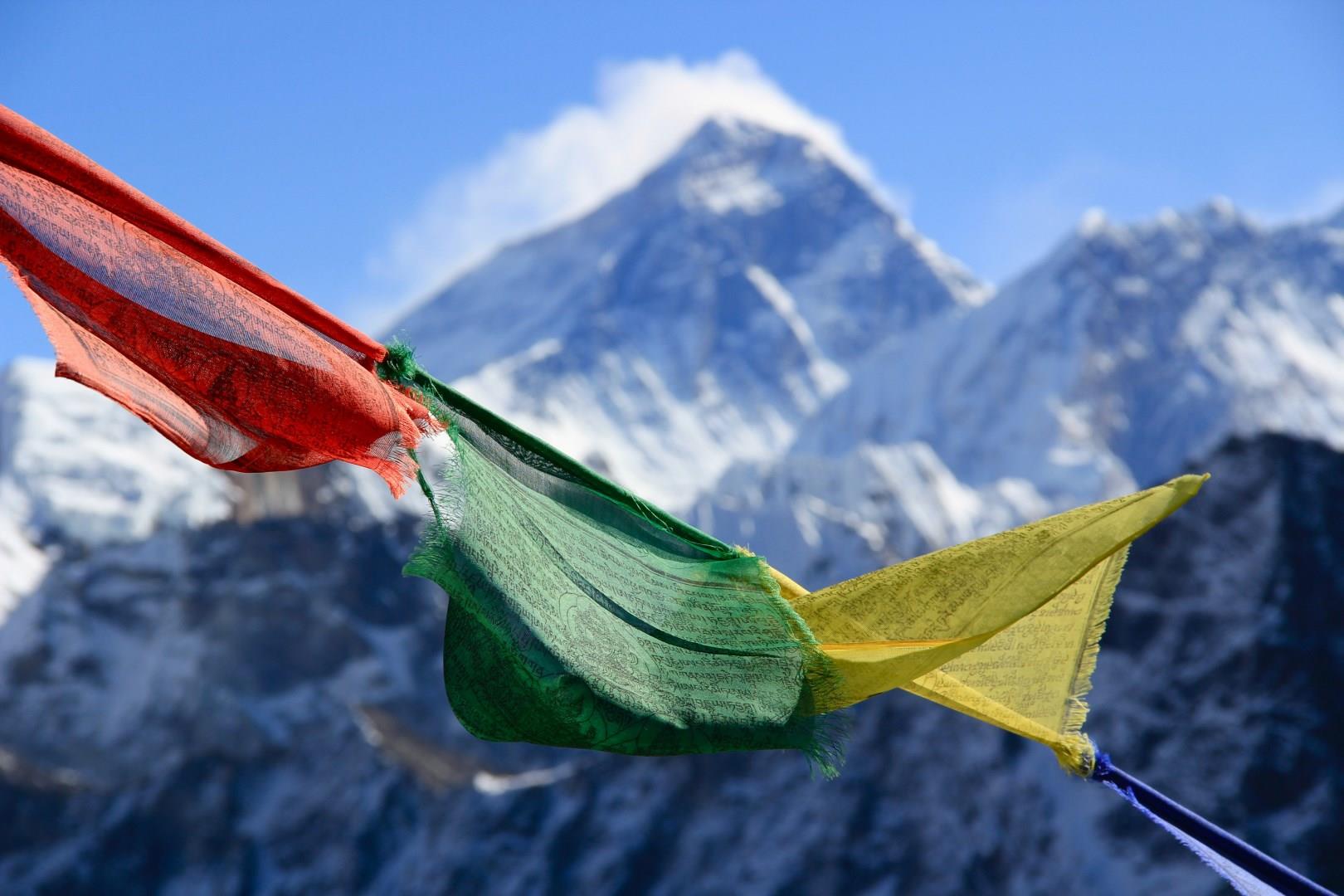
Gokyo is a small settlement high in Nepal’s Khumbu region, set beside a chain of turquoise glacial lakes beneath the Himalaya. Its significance is closely tied to trans-Himalayan trade routes and to Sherpa culture, which has adapted over generations to life at extreme altitude.
Lobuje
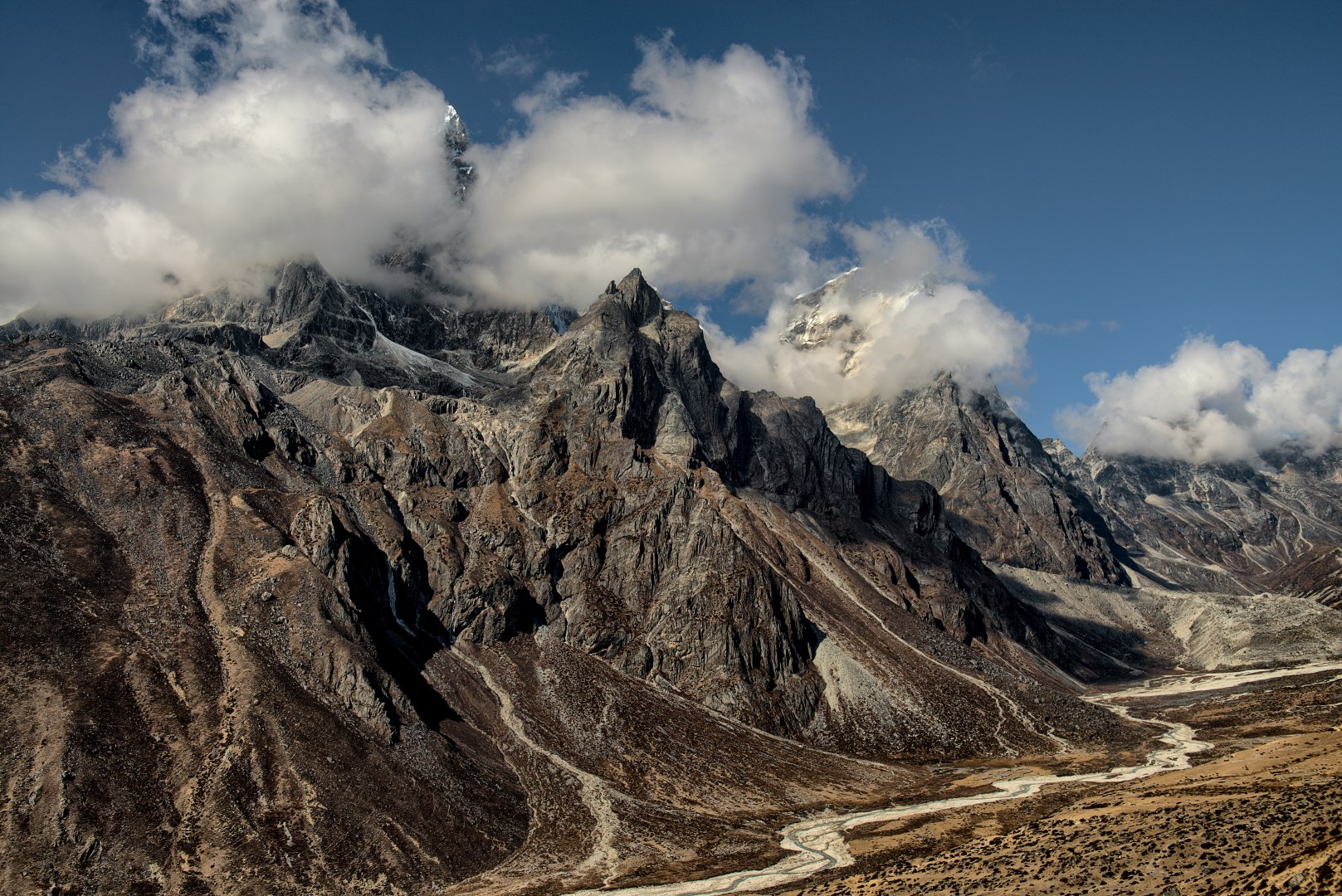
High in the Khumbu region, Lobuche sits in a stark alpine setting along the trail toward Mount Everest. Surrounded by rocky terrain and glacial formations, the village stands close to the Khumbu Glacier, where the landscape shifts into shades of gray, white, and deep blue. The air here is thin and crisp, and the silence is often broken only by the wind moving across the valley.