New River Gorge National Park & Preserve
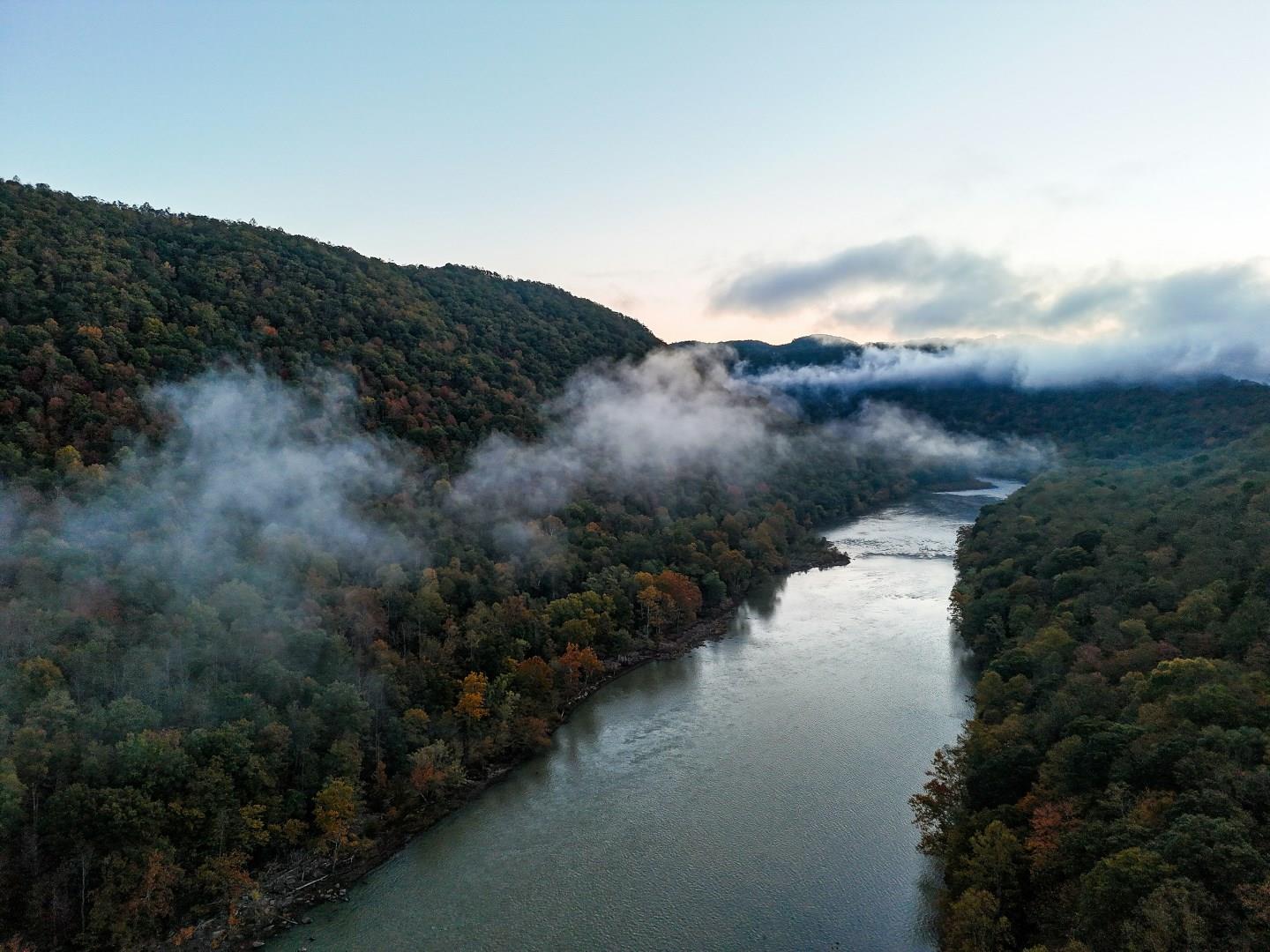
New River Gorge National Park & Preserve in West Virginia has captured the attention of travelers with its rugged landscape and storied past. Established as a national park in 2020, this area was long known for its coal mining heritage and railroad history. Today, visitors can explore remnants of old mining towns and take in views from historic train trestles, all while experiencing some of the most dramatic river and canyon scenery in the eastern United States.
Great Wall
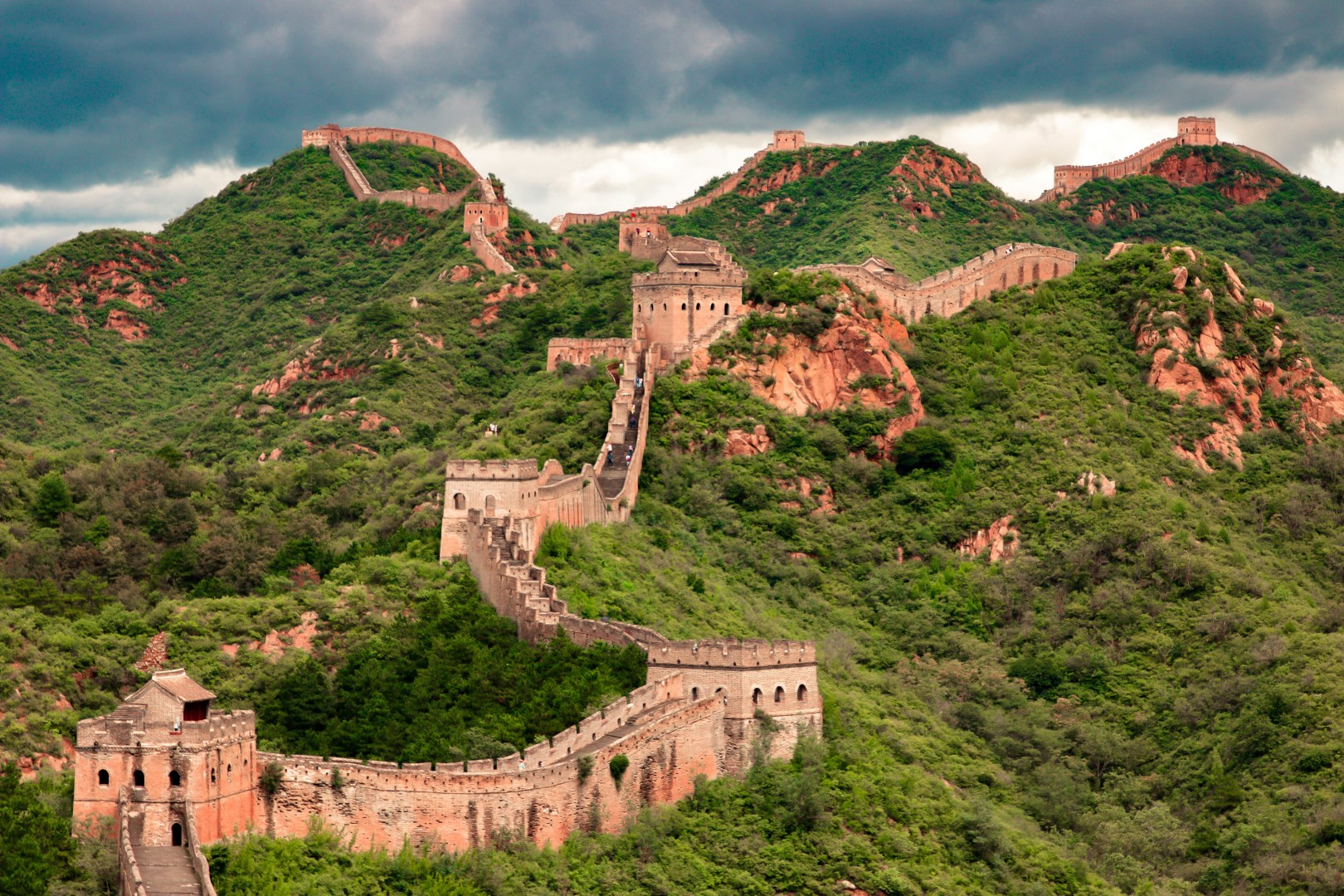
The Great Wall of China stretches across mountains, deserts, and grasslands, forming one of the most striking man-made landmarks in the world. Rather than a single continuous wall, it is a network of sections built with stone, brick, and packed earth, each shaped by the landscape it crosses. In areas near Beijing, such as Mutianyu, the wall winds along forested ridges, offering sweeping views that change with the seasons.
Jean Lafitte National Historical Park and Preserve
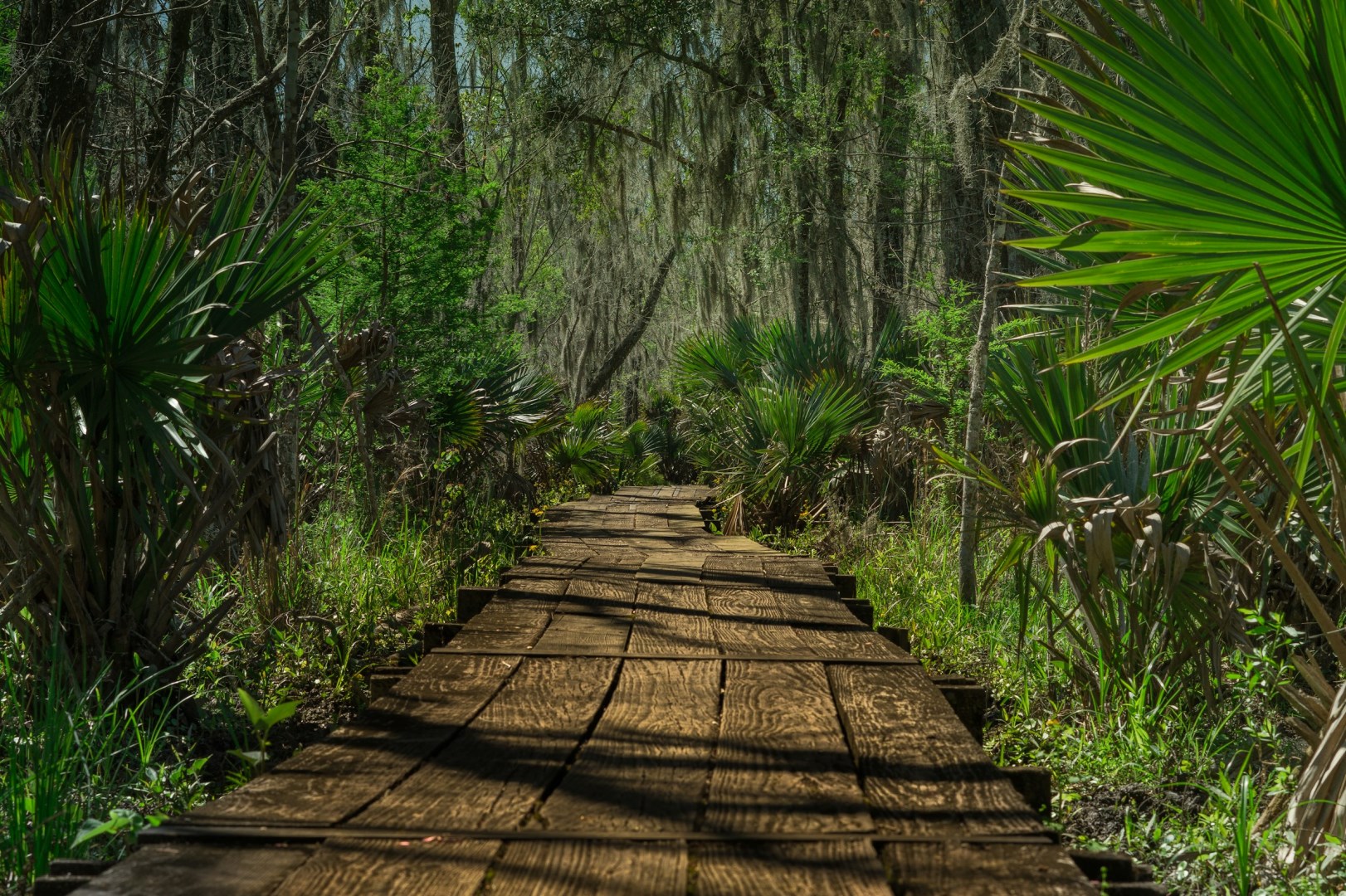
Jean Lafitte National Historical Park and Preserve spans six distinct sites across south Louisiana, linking wetlands, battlefields, cultural centers, and historic neighborhoods into one broad interpretation of the lower Mississippi River Delta. Its landscape ranges from the swamps and marshes of Barataria Preserve to the urban setting of the French Quarter Visitor Center in New Orleans.
Shenandoah National Park
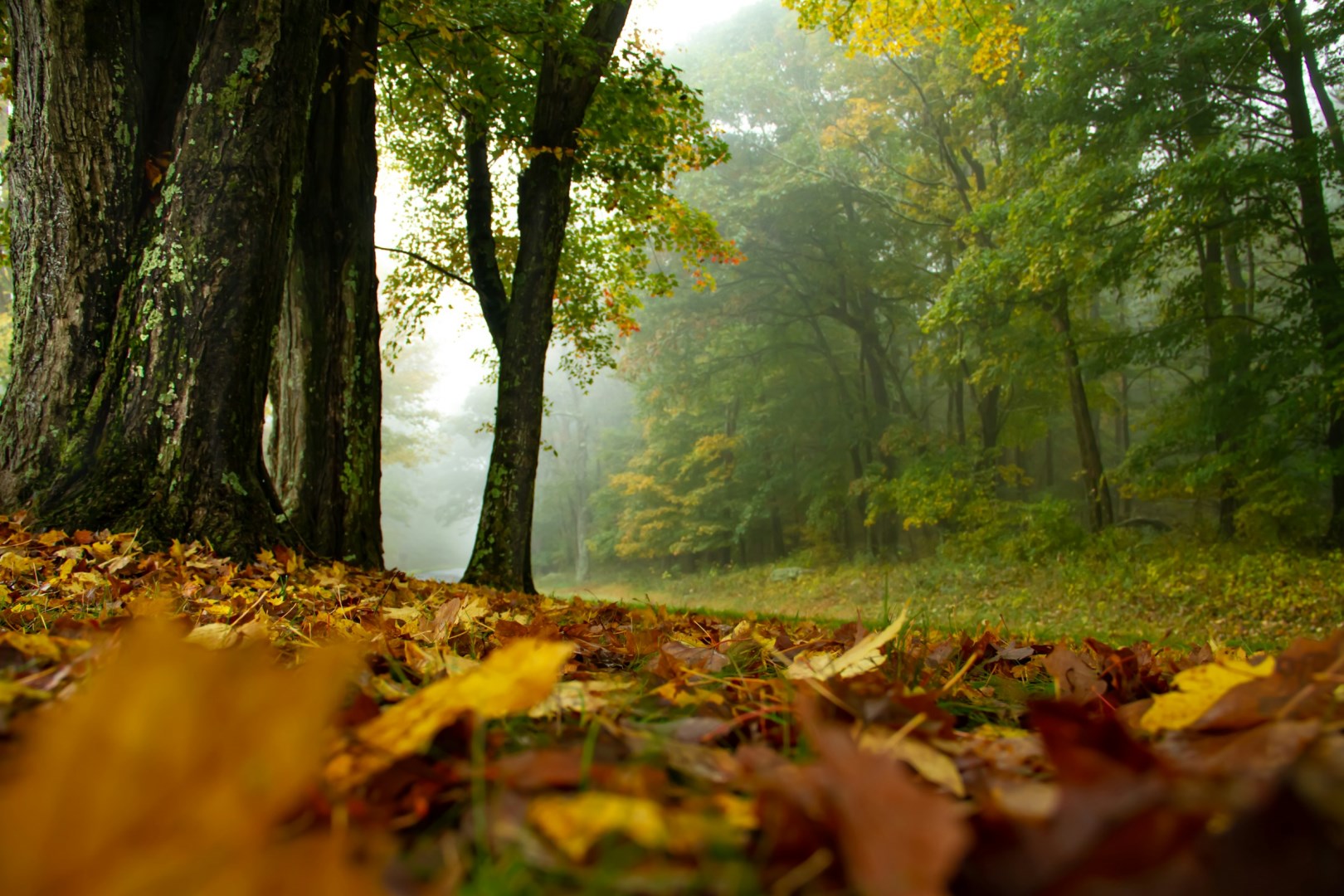
Shenandoah National Park follows the crest and eastern slopes of Virginia’s Blue Ridge Mountains, protecting a long, narrow landscape of forests, ridges, streams, and mountain valleys. The park stretches along Skyline Drive, a scenic road that provides access to numerous overlooks and trailheads. Elevations vary considerably across the park, creating changes in vegetation and climate over relatively short distances.
Salem
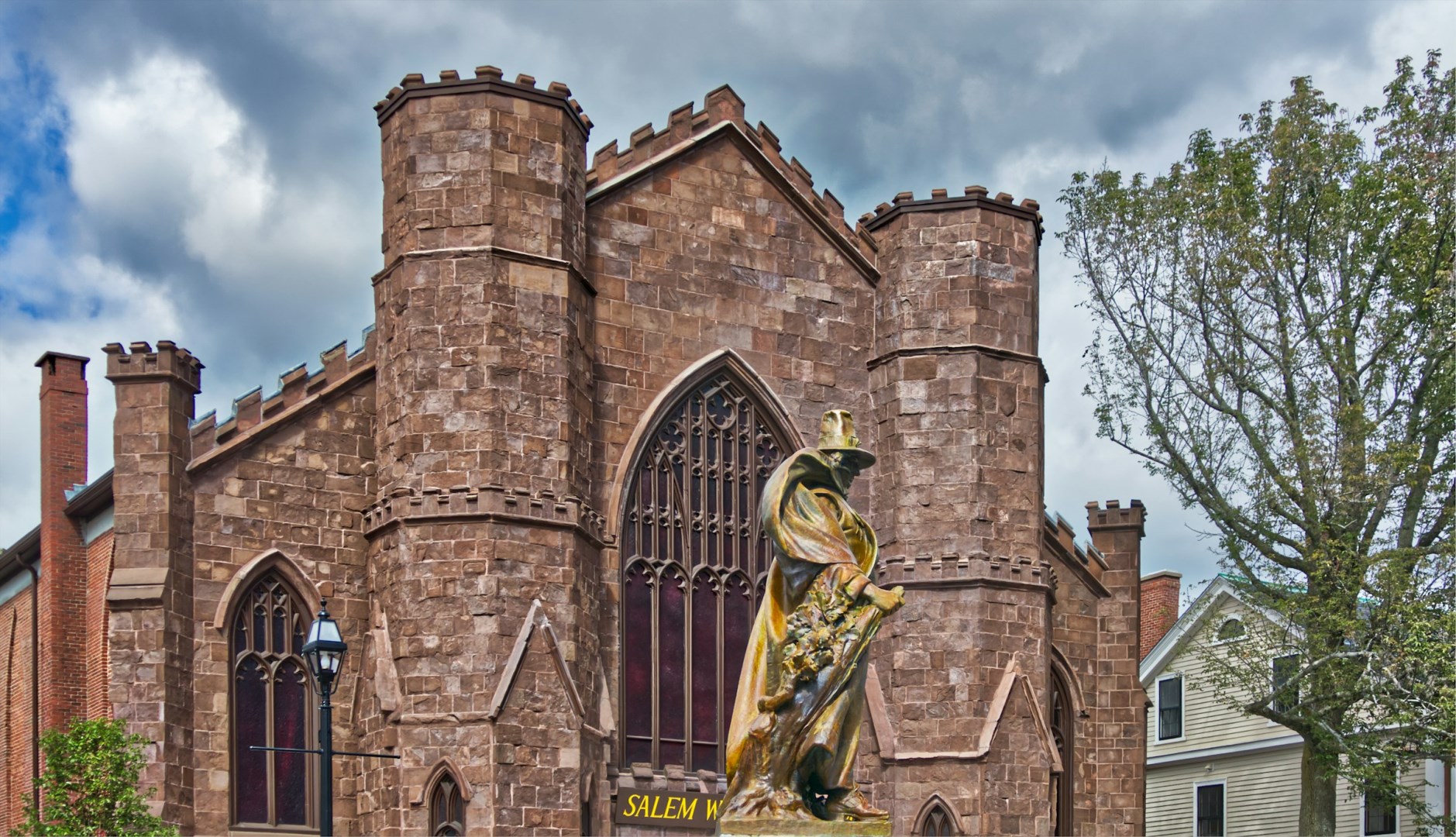
Salem is a thriving community located on Interstate 93 only 32 miles north of Boston just over the New Hampshire - Massachusetts border. It is home to major industrial firms, tax free retail outlets, recreational resources and 26,000 residents.