Carcassonne is a fortified city in southern France, rising above the Aude River with walls and towers that feel lifted from another century. Its origins stretch back to Roman times, but the city is best known for its medieval citadel, rebuilt and expanded during the Middle Ages when Carcassonne became a strategic stronghold on key trade and military routes.
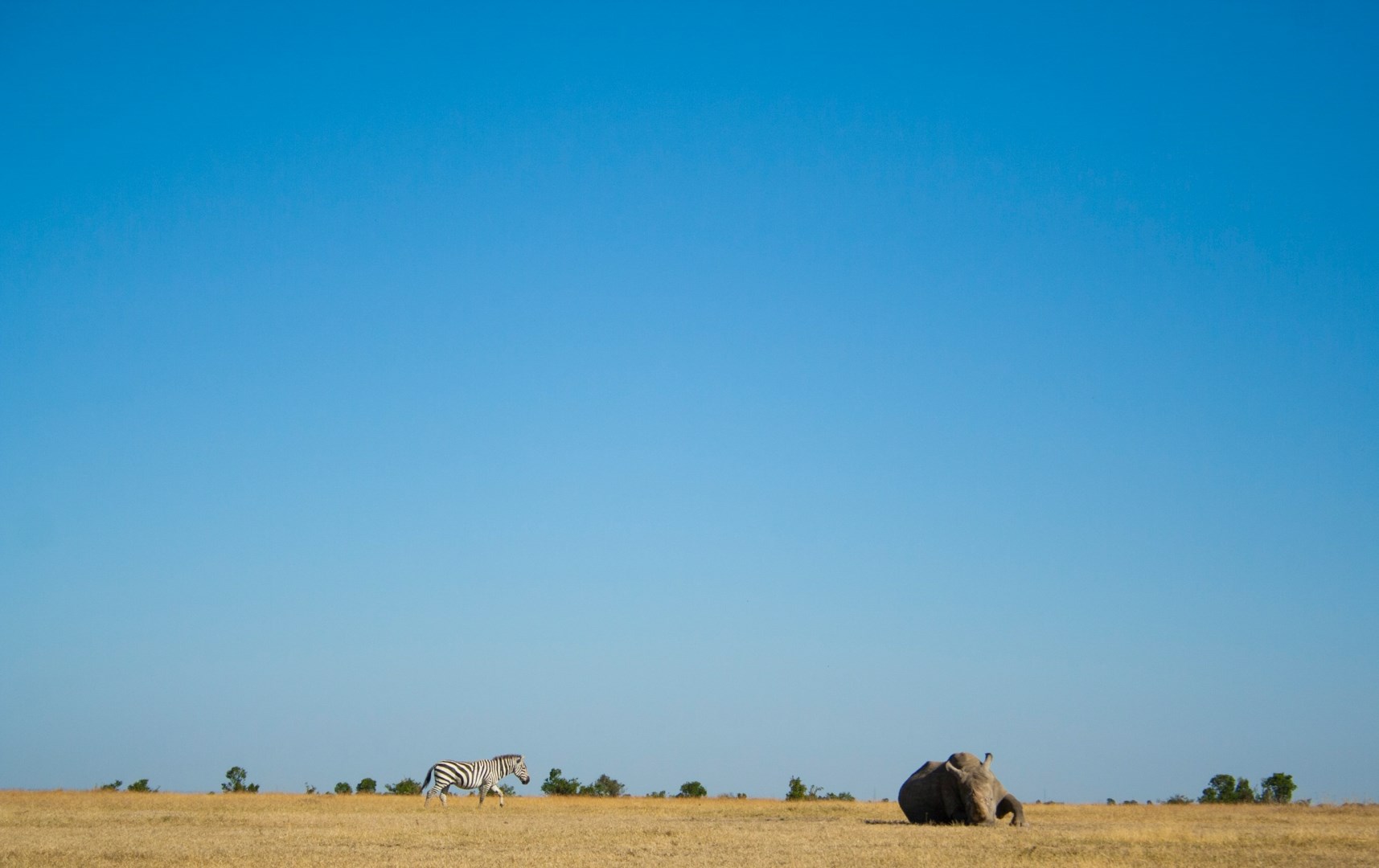
The Mara River in Tanzania is a natural wonder that draws adventurers and wildlife enthusiasts alike. Flowing through the heart of the Serengeti and into Kenya’s Maasai Mara, this river is best known as the lifeblood of the Great Migration. Each year, from July to October, millions of wildebeest, zebras, and gazelles make a perilous crossing of the Mara. It’s a spectacle of nature that leaves visitors in awe, making it one of Africa’s most sought-after safari experiences.
The Ring of Kerry, a 179-kilometer circular route in County Kerry, Ireland, offers travelers a journey through rugged coastal cliffs, remote villages, and winding mountain roads. Starting from Killarney, the route moves clockwise through towns like Kenmare, Waterville, Cahersiveen, and Glenbeigh, each offering its own slice of Irish life. Though often explored by car or tour bus, cycling the route is growing in popularity, especially during spring and early autumn when traffic is lighter.
Gabon, located on the west coast of Central Africa, is a country of lush rainforests, vast savannas, and a pristine Atlantic coastline. Despite its small population, it is home to remarkable biodiversity, including gorillas, chimpanzees, forest elephants, and countless bird species. National parks such as Loango and Ivindo protect these habitats, offering visitors a chance to experience Africa’s wildlife in relatively untouched landscapes.
Verona is situated at a bend of the Adige River in northern Italy. It is hard to imagine that antique arts, monuments that date back to Roman times, and the shadows of the world's most famous tragic lovers can add up to a smiling, buzzing city. Yet they do, thanks perhaps to Verona's talent for melding her past and her present, her ancient and new so gracefully that everything blends in easy harmony.
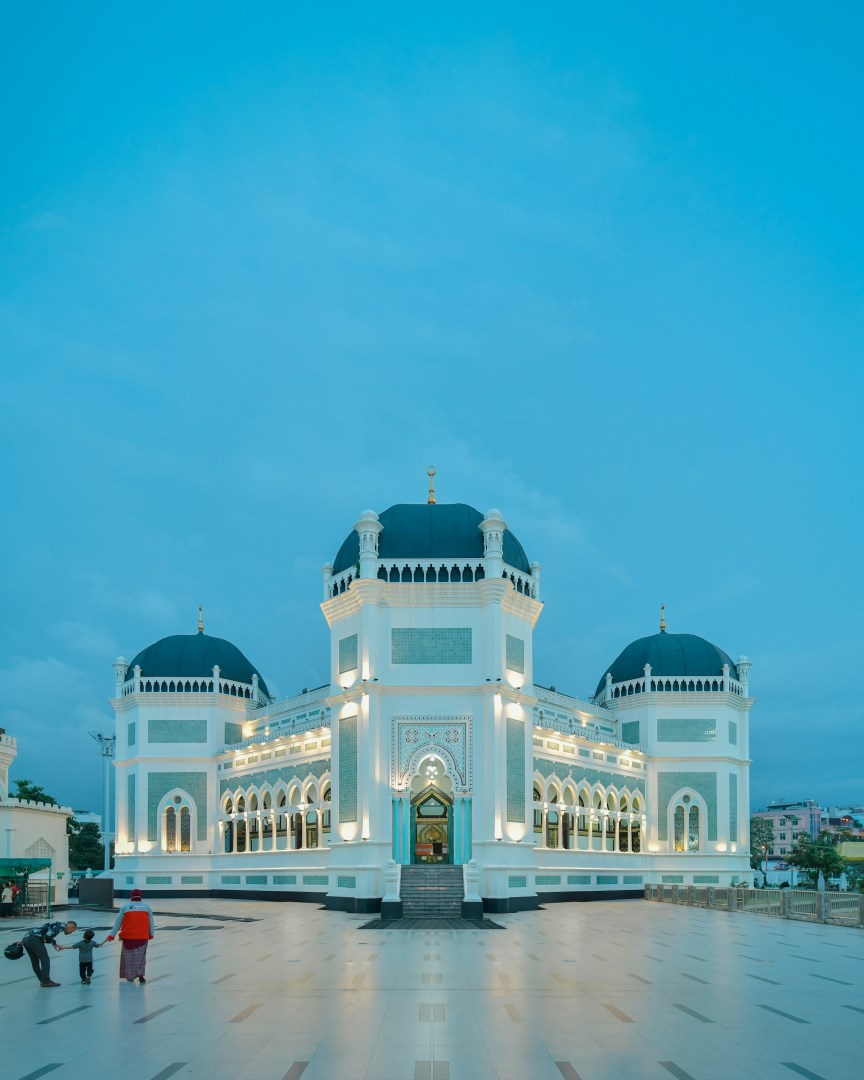
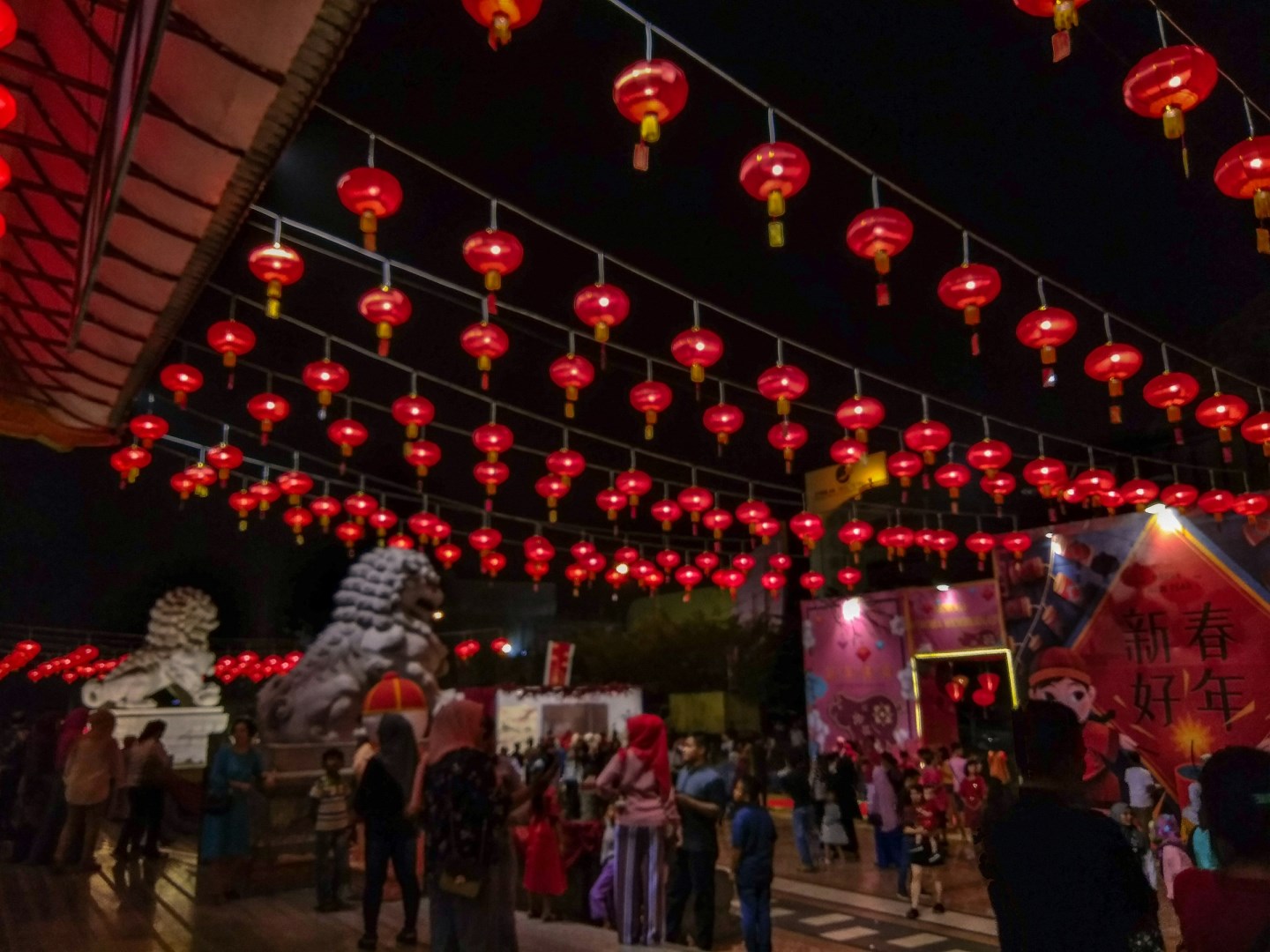
Medan (pop 1.5 million) is the capital of north Sumatra and the third largest city in Indonesia. It is a huge, sprawling city and a popular entry/exit point for travellers. The solid Dutch buildings of the affluent older suburbs inspire images of bloated bureaucrats and burghers from the colonial era, while jerry-built lean-tos house the bulk of its population.
The city's two finest buildings are the Istana Maimoon (Maimoun Palace) and the magnificent black-domed Mesjid Raya. There are some fine examples of European architecture along Jalan Sukarno-Hatta, such as Bank Indonesia and the High Court. There are a number of museums, including the Museum of North Sumatra, which has excellent coverage
of the region's culture and history, and the weaponry-and-warfare-influenced Bukit Barisan Military Museum. Cultural performances can be seen at Taman Budaya.
Much of the budget accommodation is close to the city centre. Jalan Semarang, a small street between Jalan Pandu and Jalan Bandung, has great food stalls offering Indonesian and Chinese meals late into the night.