CocoCay
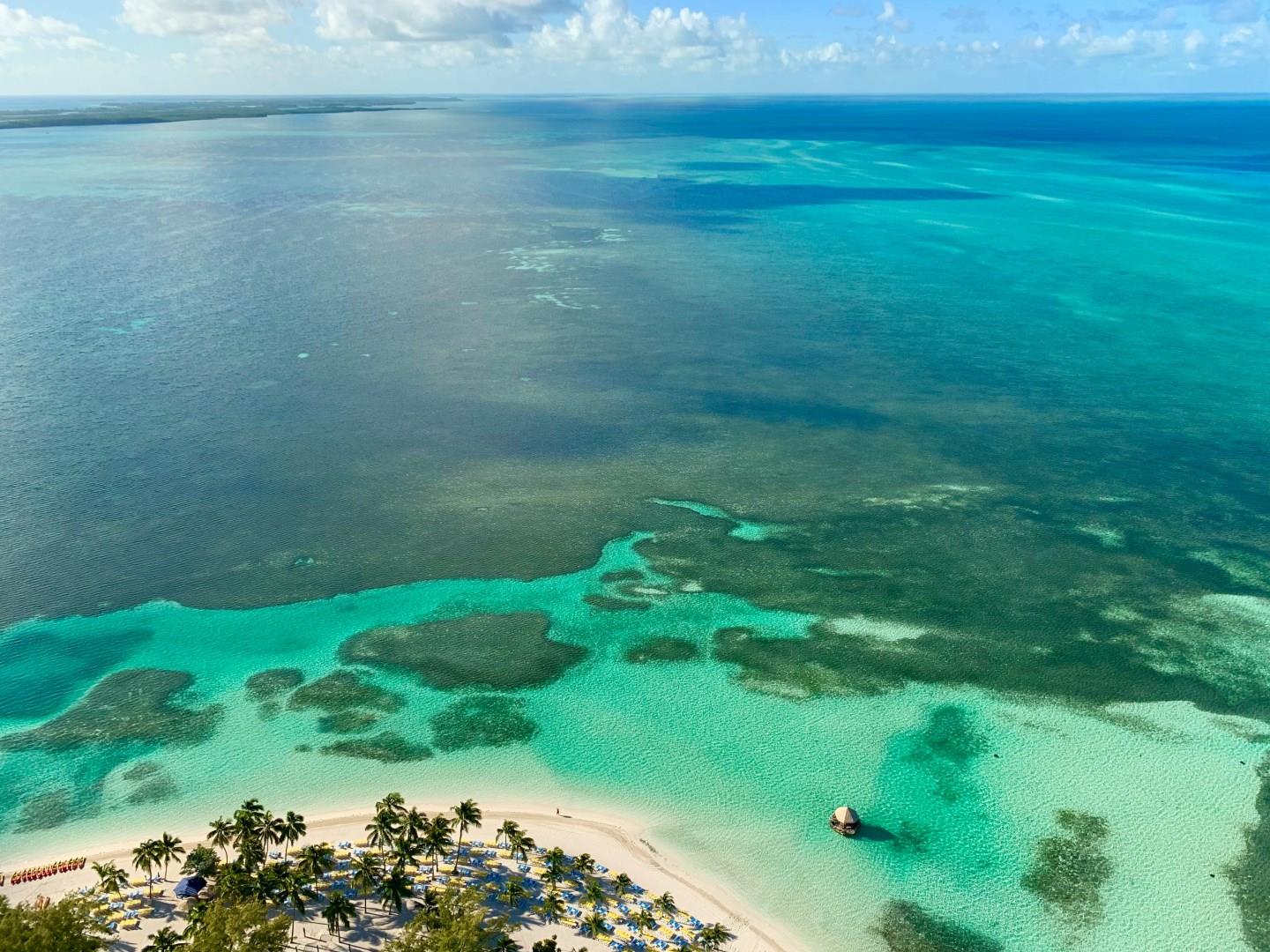
CocoCay, officially known as Perfect Day at CocoCay, is Royal Caribbean’s private island in the Bahamas designed to combine the laid-back charm of the Caribbean with world-class resort amenities.
Palo Duro Canyon State Park
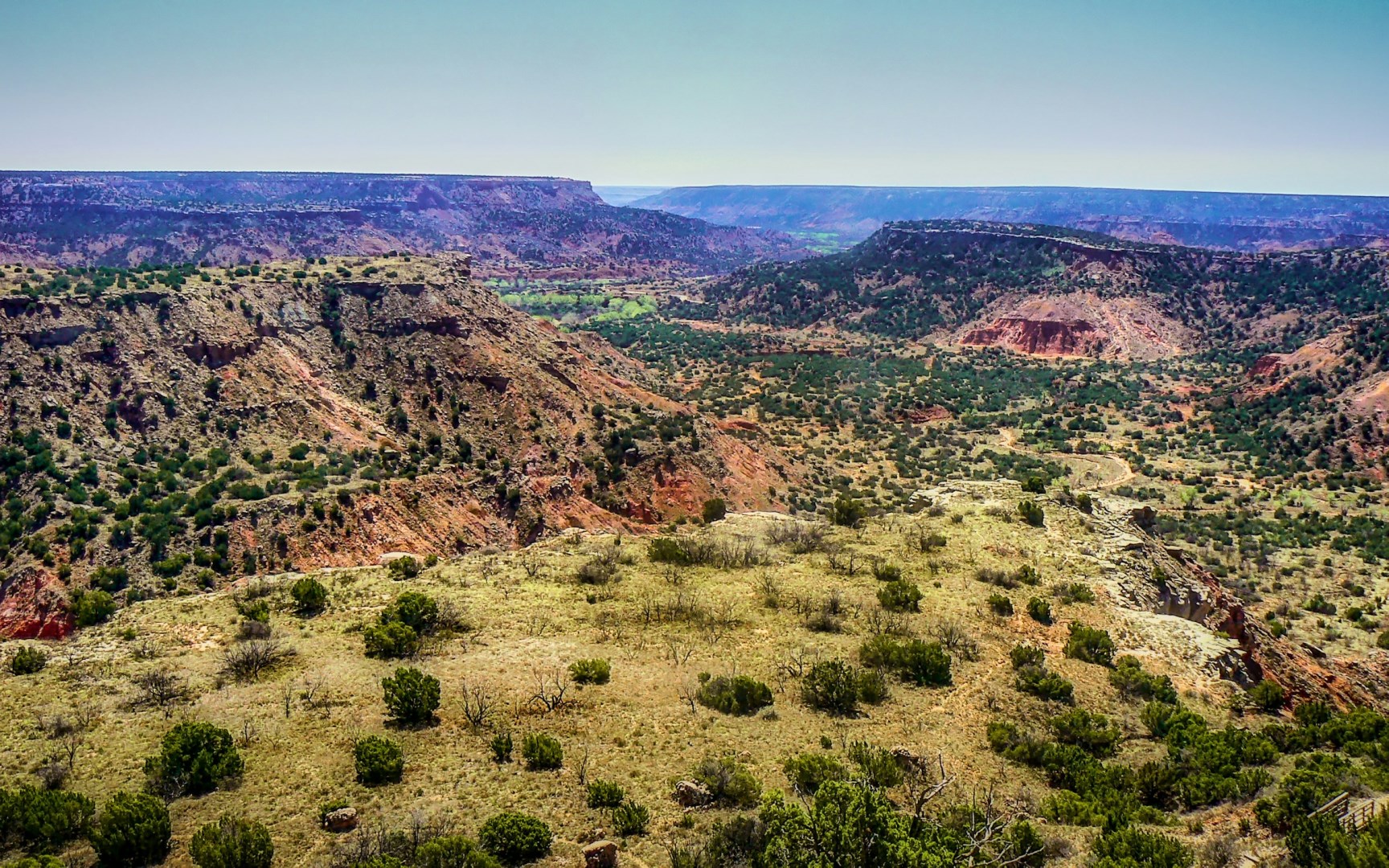
Palo Duro Canyon State Park lies in the Texas Panhandle near Canyon, protecting a section of Palo Duro Canyon, often called the “Grand Canyon of Texas.” The canyon stretches through the surrounding High Plains, with layered rock walls, mesas, buttes, and dry grasslands creating a landscape distinct from most of Texas.
Manyeleti Game Reserve
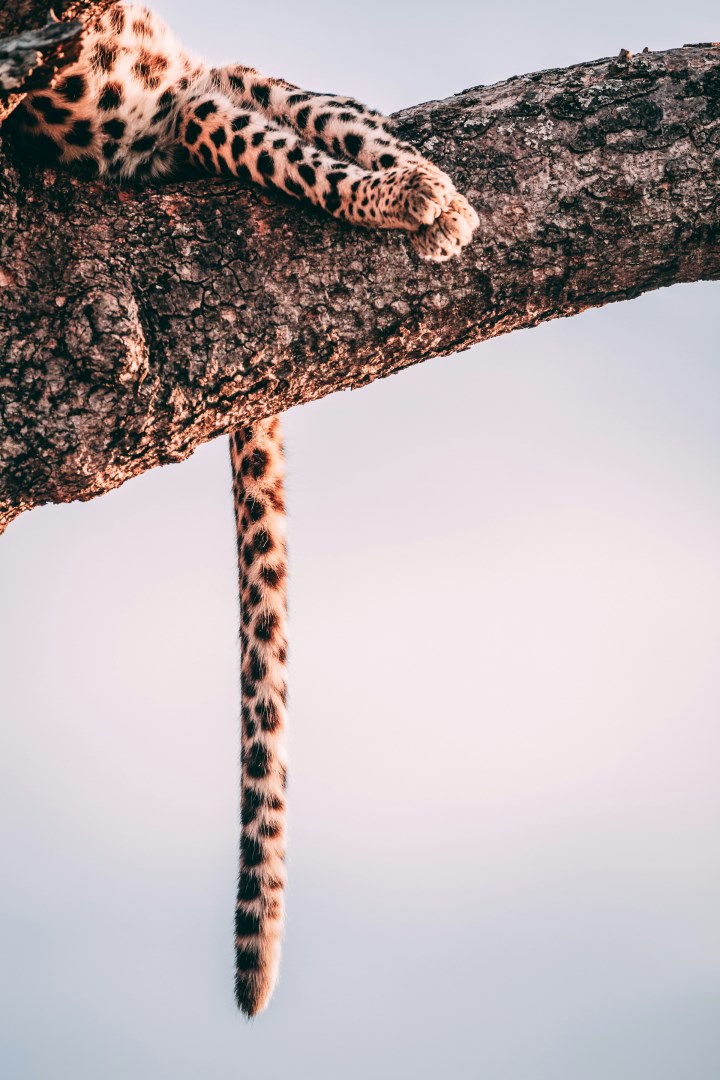
Manyeleti Game Reserve is a protected wildlife area in Mpumalanga, forming part of the Greater Kruger ecosystem. It covers about 23,000 hectares and shares unfenced boundaries with Kruger National Park, Timbavati Game Reserve, and Sabi Sand. The name Manyeleti comes from the local Shangaan language and means “place of stars,” reflecting the clear night skies of the Lowveld.

Kimberley
Whether trekking through rugged landscapes, cruising through river gorges, or learning about one of the world’s oldest cultures, the Kimberley offers a truly unique experience. It's a destination unlike any other, where nature and history come together in one of Australia’s most extraordinary regions.

Pisa
Pisa, Italy, is more than just its world-famous Leaning Tower; it's a city where history, art, and culture intersect to create a fascinating experience for visitors. The Leaning Tower, part of the Piazza dei Miracoli or Square of Miracles, is an architectural wonder that draws millions each year. Built as a bell tower for the adjacent Pisa Cathedral, its unintended tilt has become a global icon.