Costa Maya
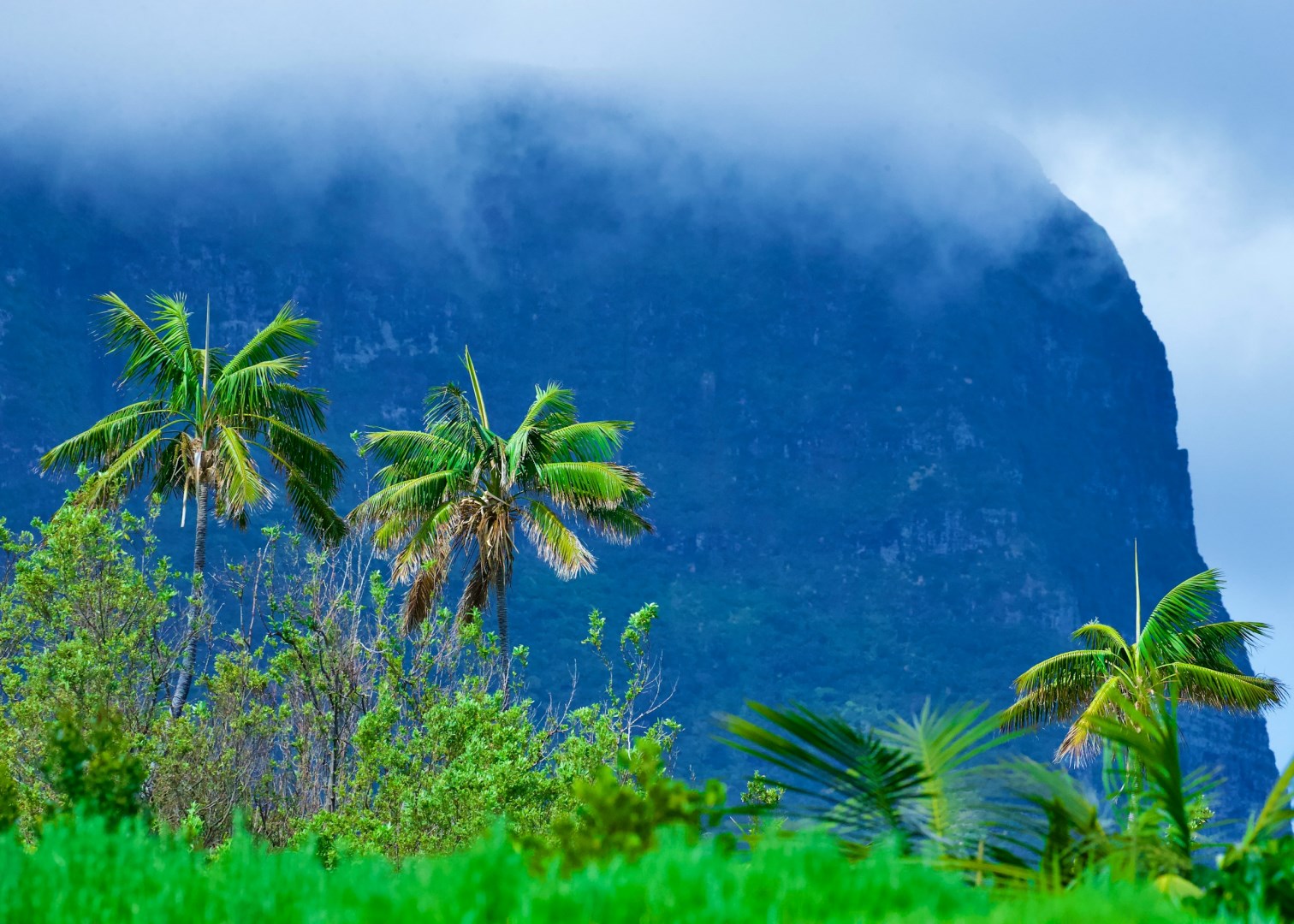
This small cruise port is located in Mexico's Yucatan peninsula south of Playa del Carmen, near Belize. It is famous for Chacchoben, a breathtaking set of Mayan ruins. The port has a new and modern shopping mall and the central plaza has saltwater pools and 'swim-up' style bars for tourists to enjoy.

Las Vegas
Las Vegas, Nevada, is an electrifying city where glitz and glamour meet entertainment and excitement. Known as "The Entertainment Capital of the World," Las Vegas offers an unparalleled array of attractions, from its iconic casinos and luxurious hotels to its world-class dining and live shows. The city's entertainment scene is second to none, featuring legendary headliners, cutting-edge performances, and an array of themed attractions.
Mesa
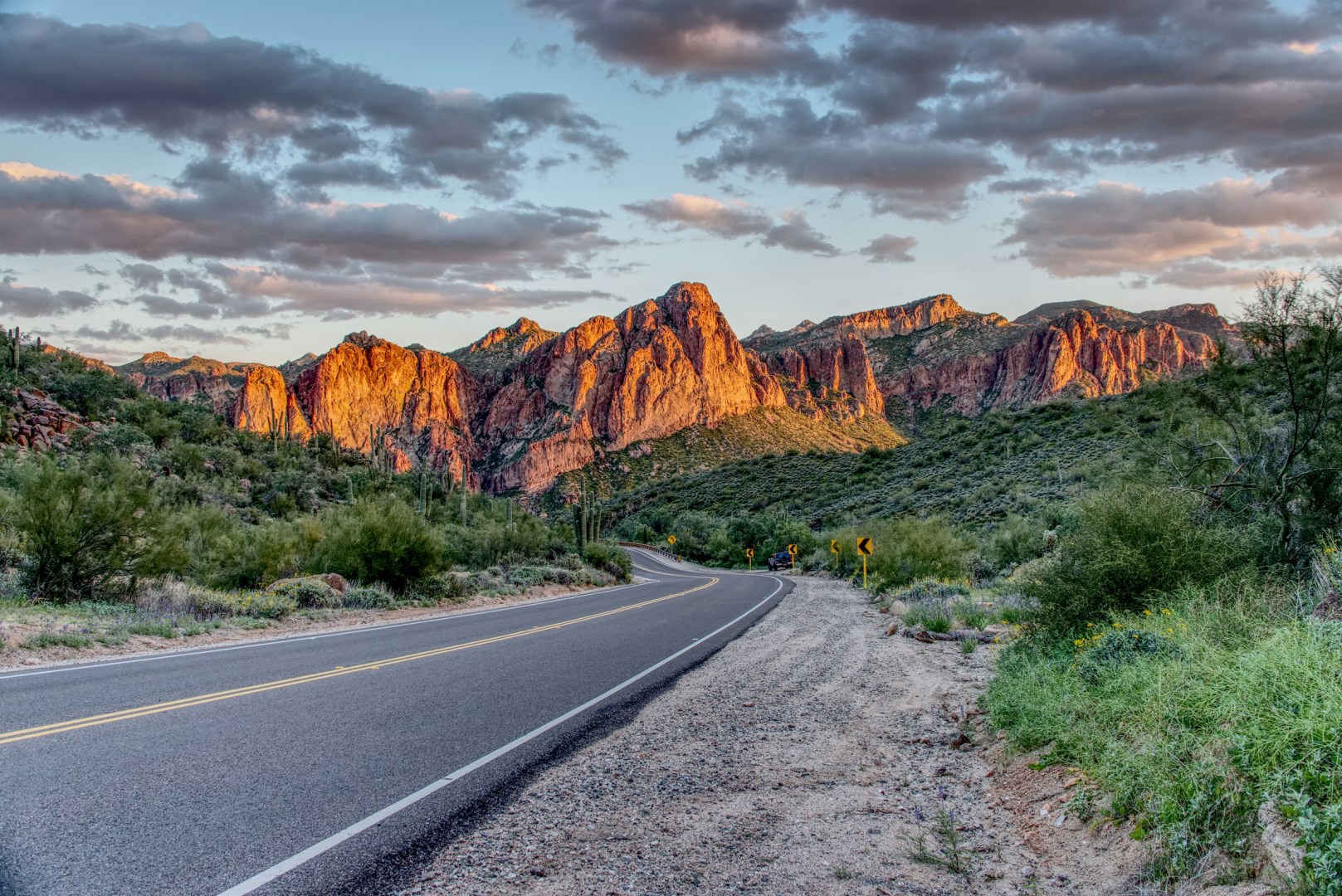
Mesa is a city in Maricopa County in the East Valley of the Phoenix metropolitan area, set against the Sonoran Desert and the lower slopes of the Superstition Mountains. Its landscape combines developed neighborhoods with desert parks, citrus groves, canals, and broad mountain views. Mesa has grown into one of Arizona’s larger cities while retaining connections to agriculture and the Salt River Valley.
Surfers Paradise
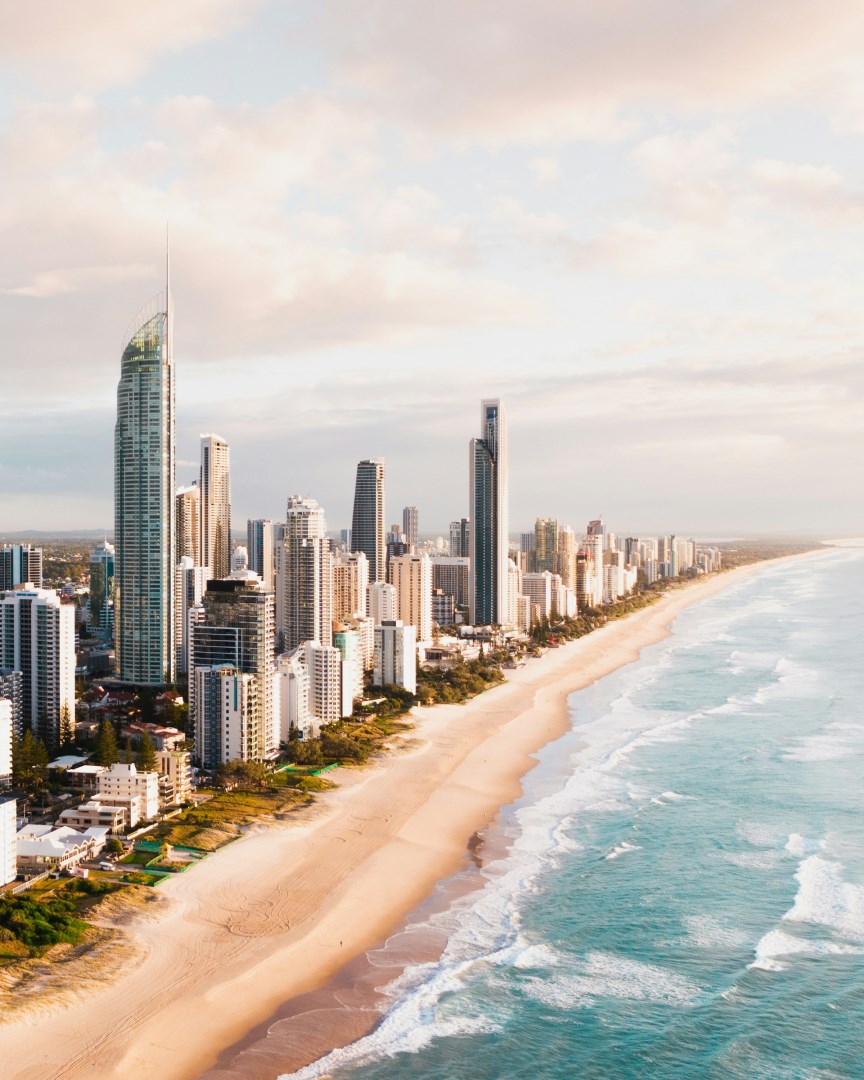
Surfers Paradise is located along the Gold Coast. The 300 days of sunshine throughout the year make it perfect for enjoying the beach. Golfing, wildlife parks and theme parks are just a few of the many things to do.
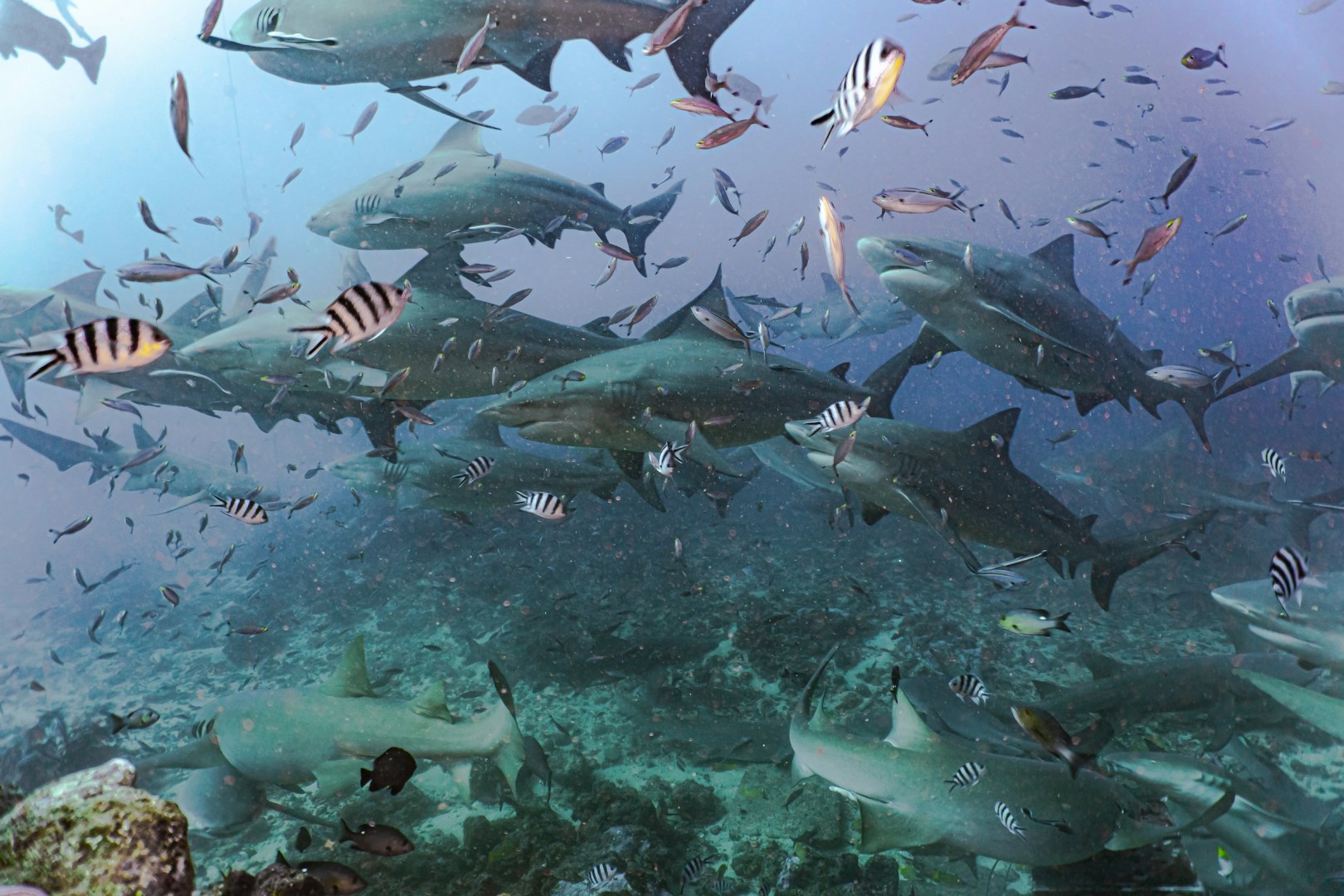
Beqa Island
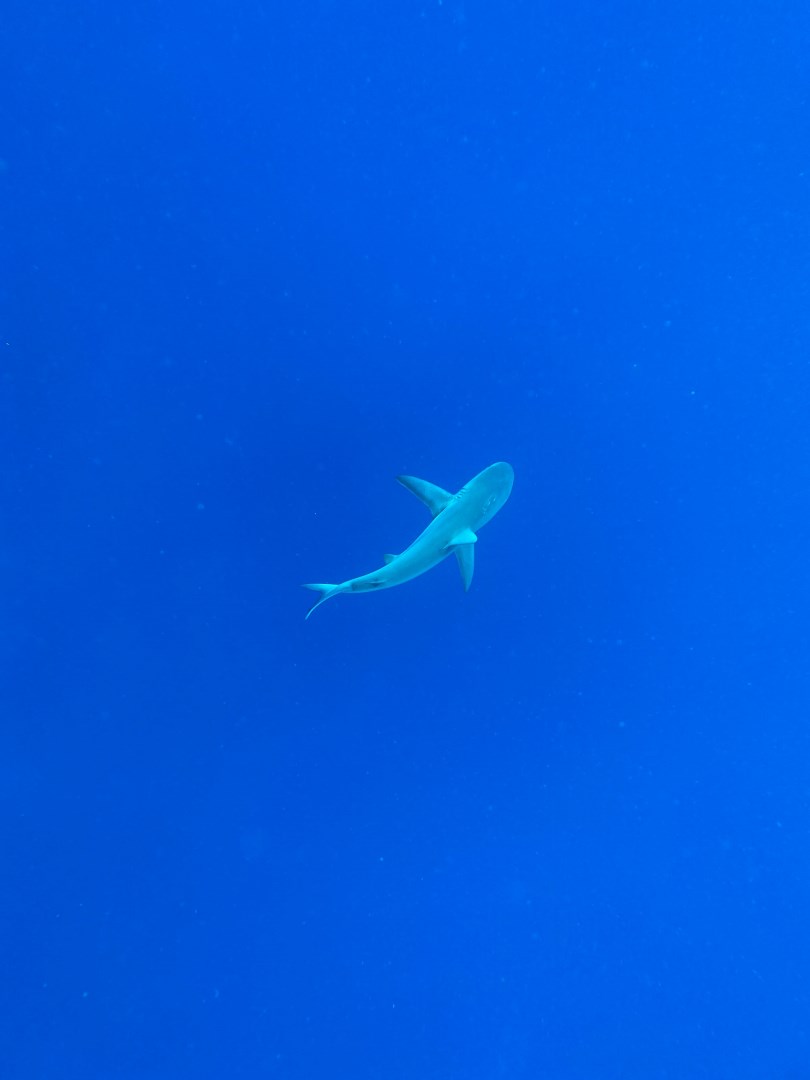
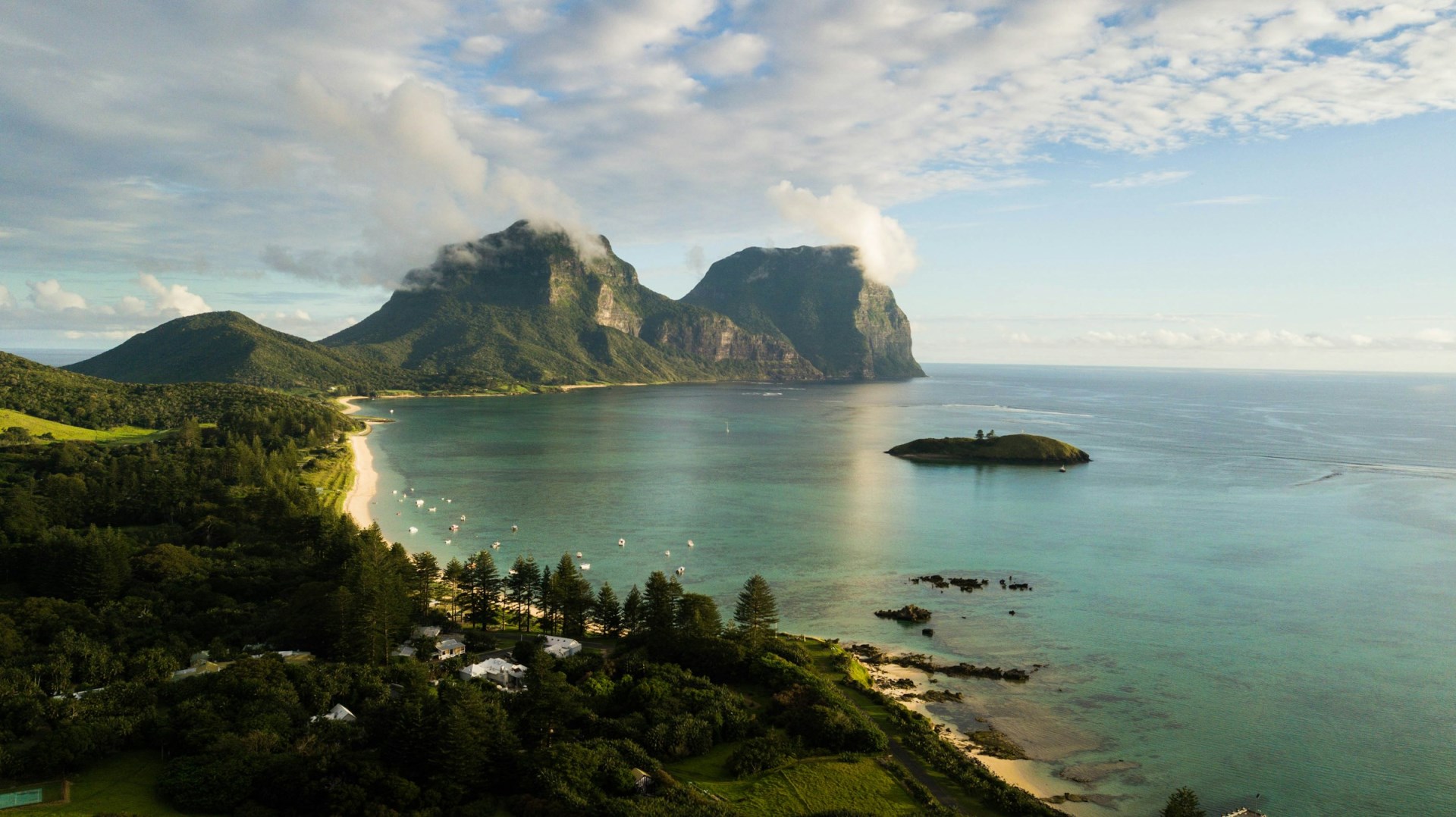
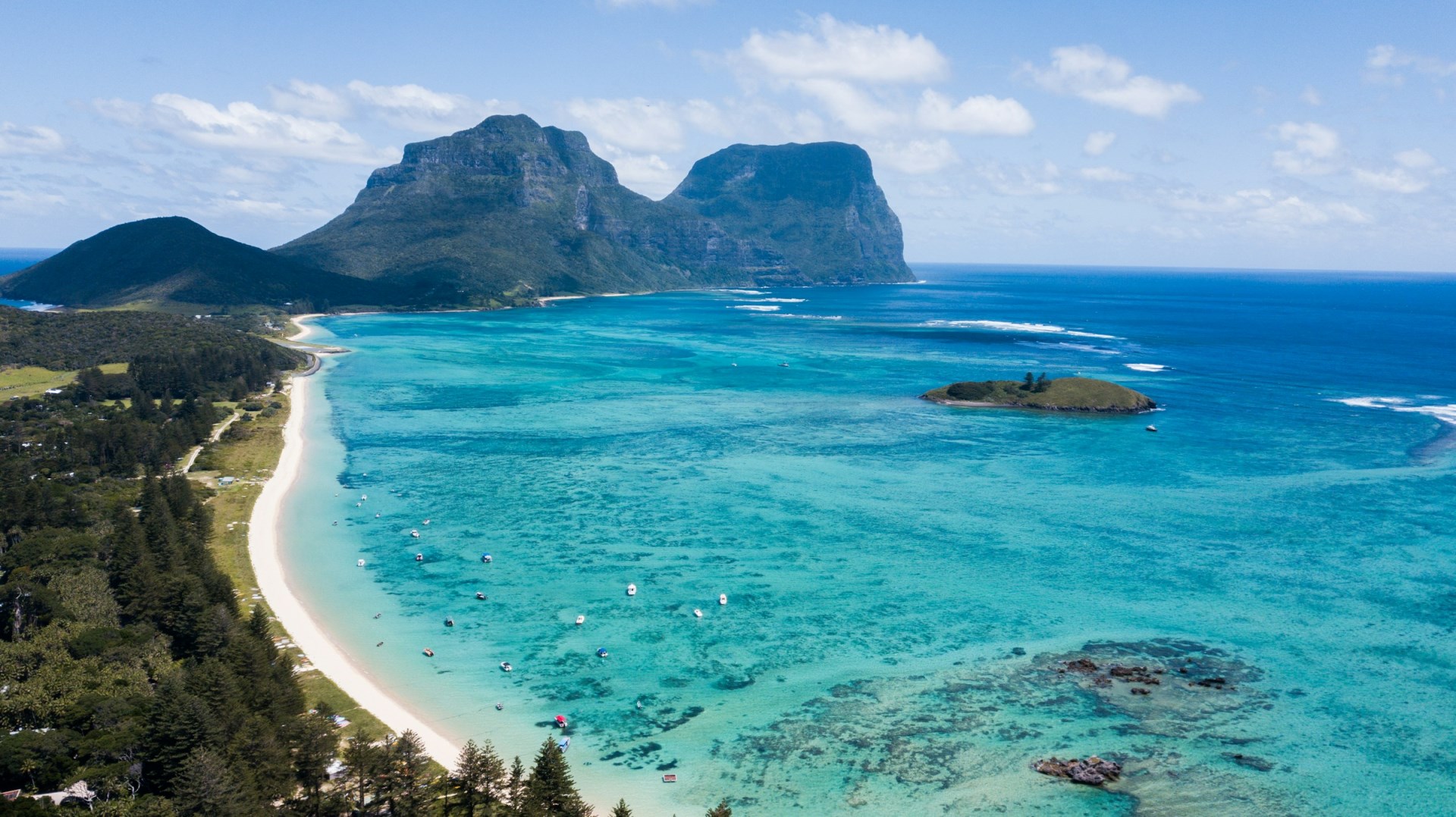
In the heart of the South Pacific, beneath southern skies, lies the island paradise of Fiji. If you travel to dive, to eat fine food, to bask in the sun, or to simply relax in a tropical paradise the tiny, unspoiled island of Beqa, just might be what you're looking for. One exciting feature of Beqa is its seclusion. Beqa Island has no roads and no towns, only three isolated villages scattered around the perimeter. The island is skirted by stretches of sandy beaches laced, in the evening and ear