Northern Ireland
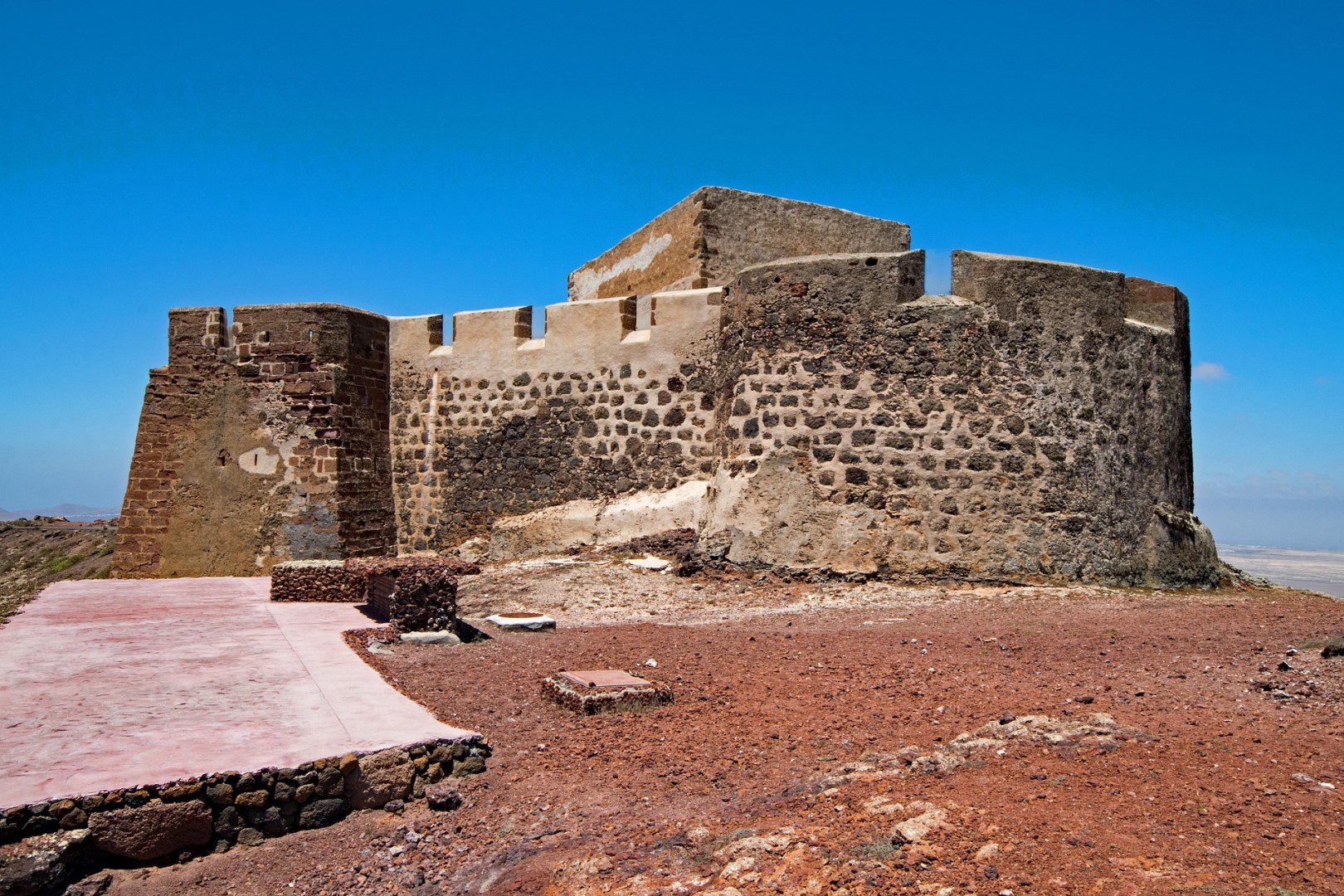
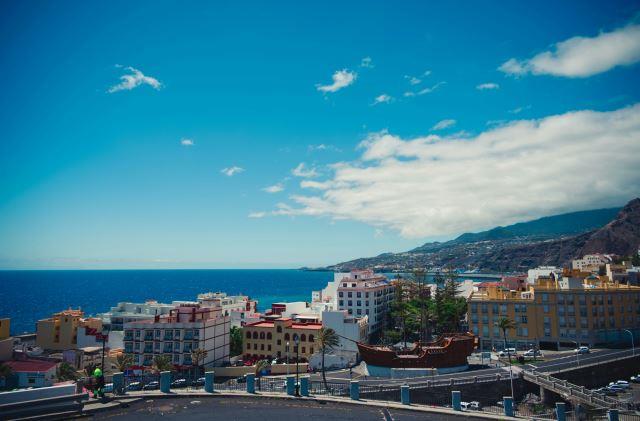
History is deeply embedded in the heart of Northern Ireland, where ancient castles, historic sites, and vibrant cities bring the past to life at every turn. As visitors journey from its dramatic coastline, with towering cliffs and sweeping sea views, to the rolling green hills that define the countryside, they will find themselves immersed in an adventure that blends rich heritage with stunning natural beauty, offering an experience they'll never forget.
Amarante
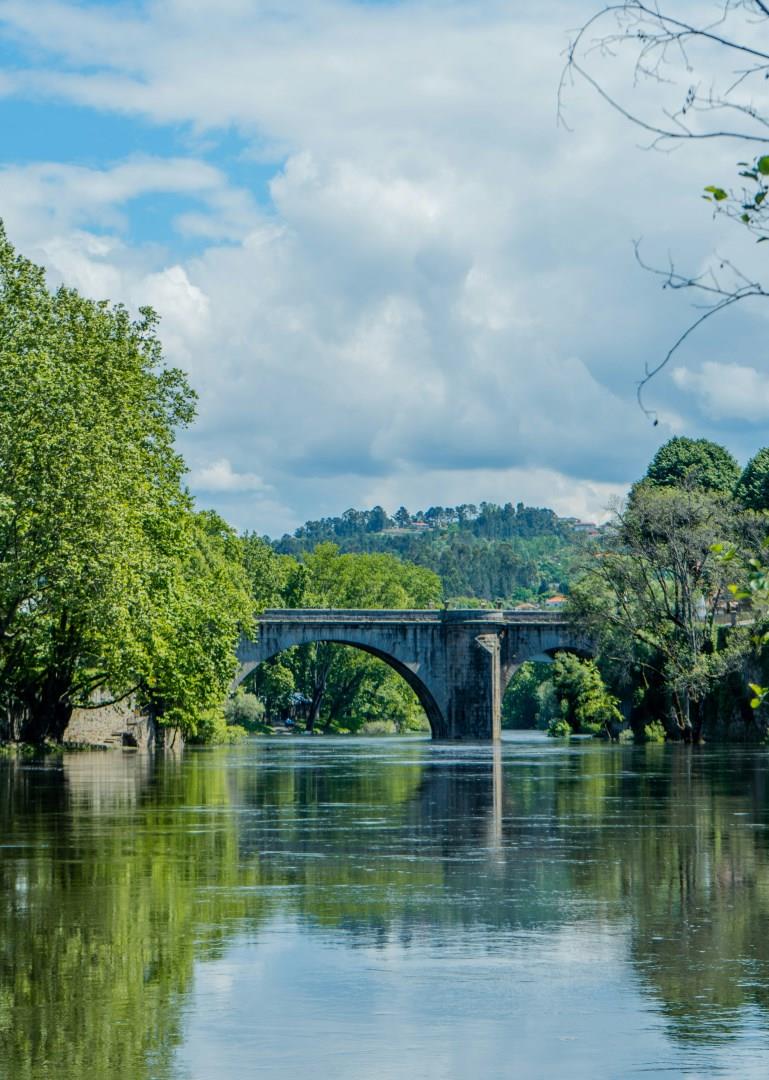
Amarante, located in Portugal’s northern region of Tâmega e Sousa, sits quietly along the banks of the Tâmega River, framed by stone bridges, historic churches, and lush hills. The city is best known for its connection to São Gonçalo, a 13th-century monk whose name now graces the arched bridge and the grand convent-church that stands beside it.
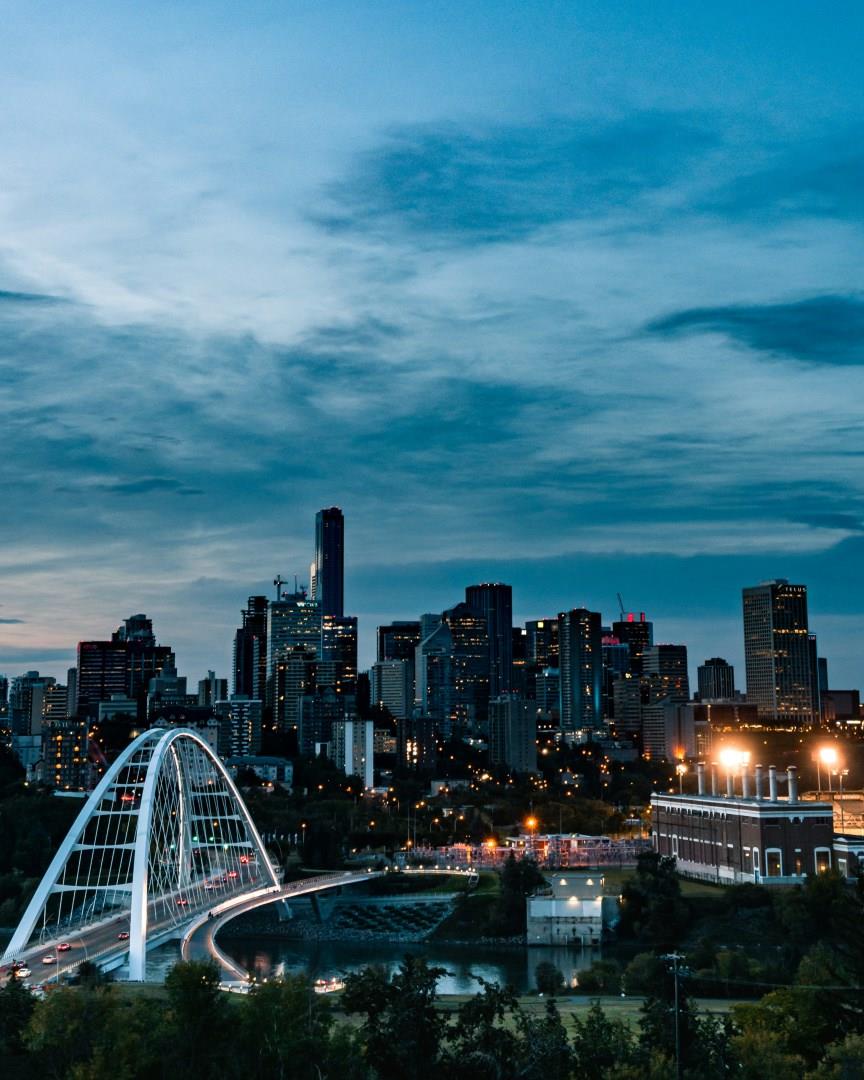
Edmonton
Edmonton, the capital of Alberta, is a city shaped by the meeting of prairie landscapes and the powerful North Saskatchewan River. With deep Indigenous roots and a history tied to fur trading posts, it has grown into a cultural and political hub of Western Canada.
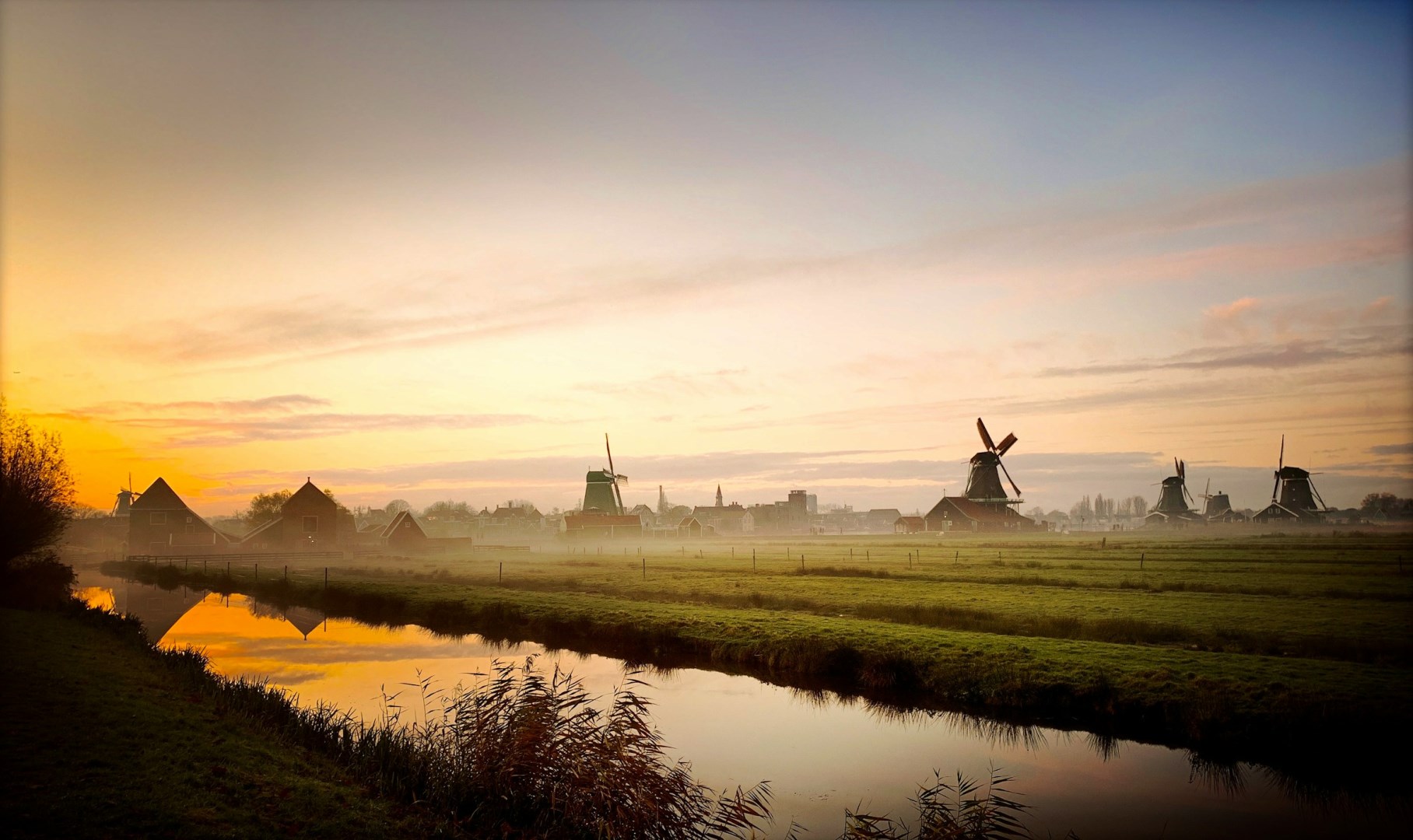
Zaandam
Zaandam is a city in North Holland, situated along the Zaan River just north of Amsterdam. Its identity is closely connected to the waterways, windmills, timber construction, and industrial activity that shaped the wider Zaan region. The city center combines historic streets and canals with contemporary architecture, including the distinctive Inntel Hotel, whose façade is formed from stacked versions of traditional Zaan houses.
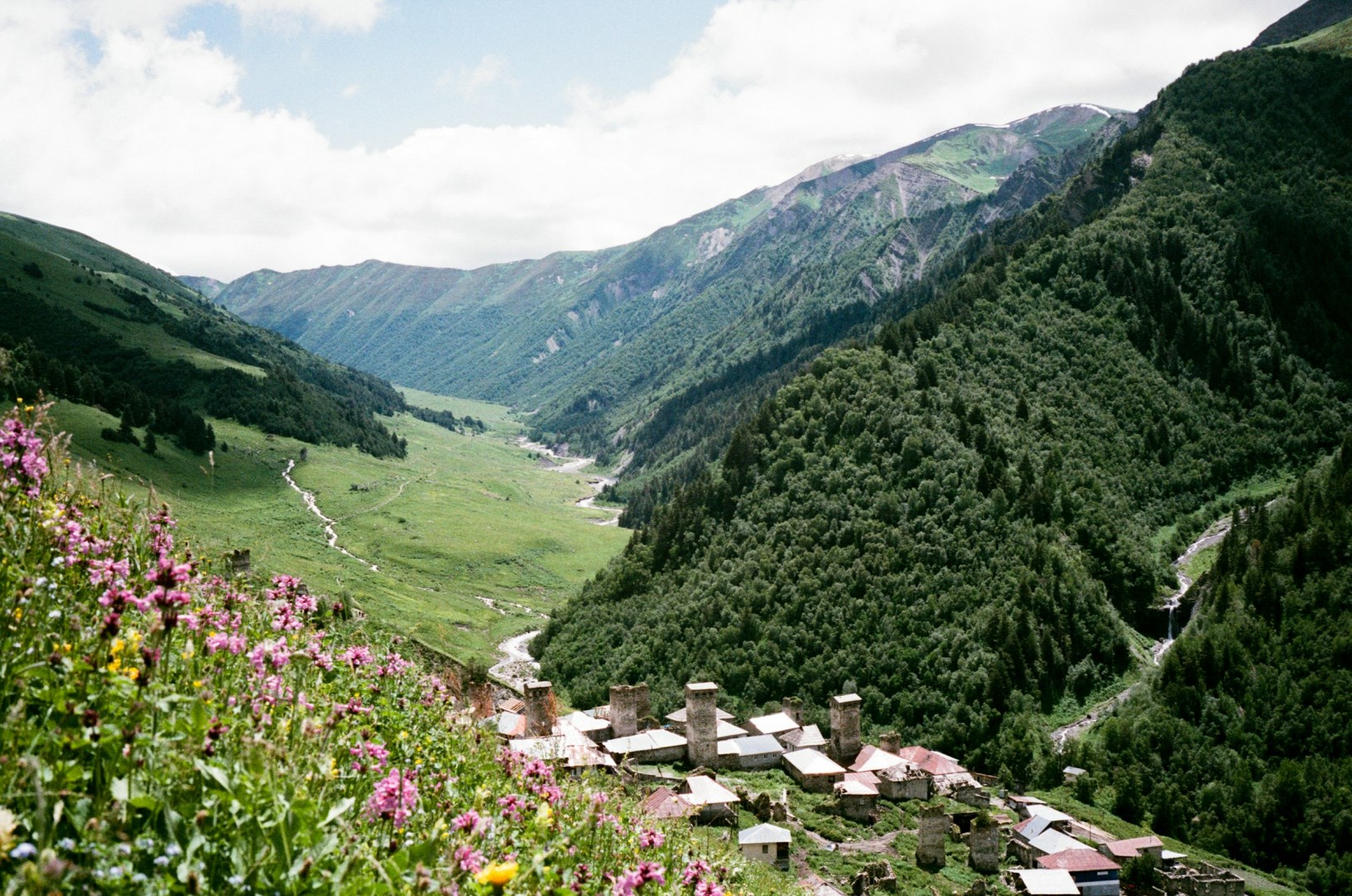
Adishi
Adishi is a remote mountain village in Upper Svaneti, Georgia, situated at about 2,040 meters in the Adishchala valley of the Greater Caucasus. The settlement is known for its traditional stone houses, defensive Svan towers, medieval churches, and views toward the surrounding high peaks and Adishi Glacier. Its compact layout and isolated setting preserve the character of a historic Svan village.