Medoc
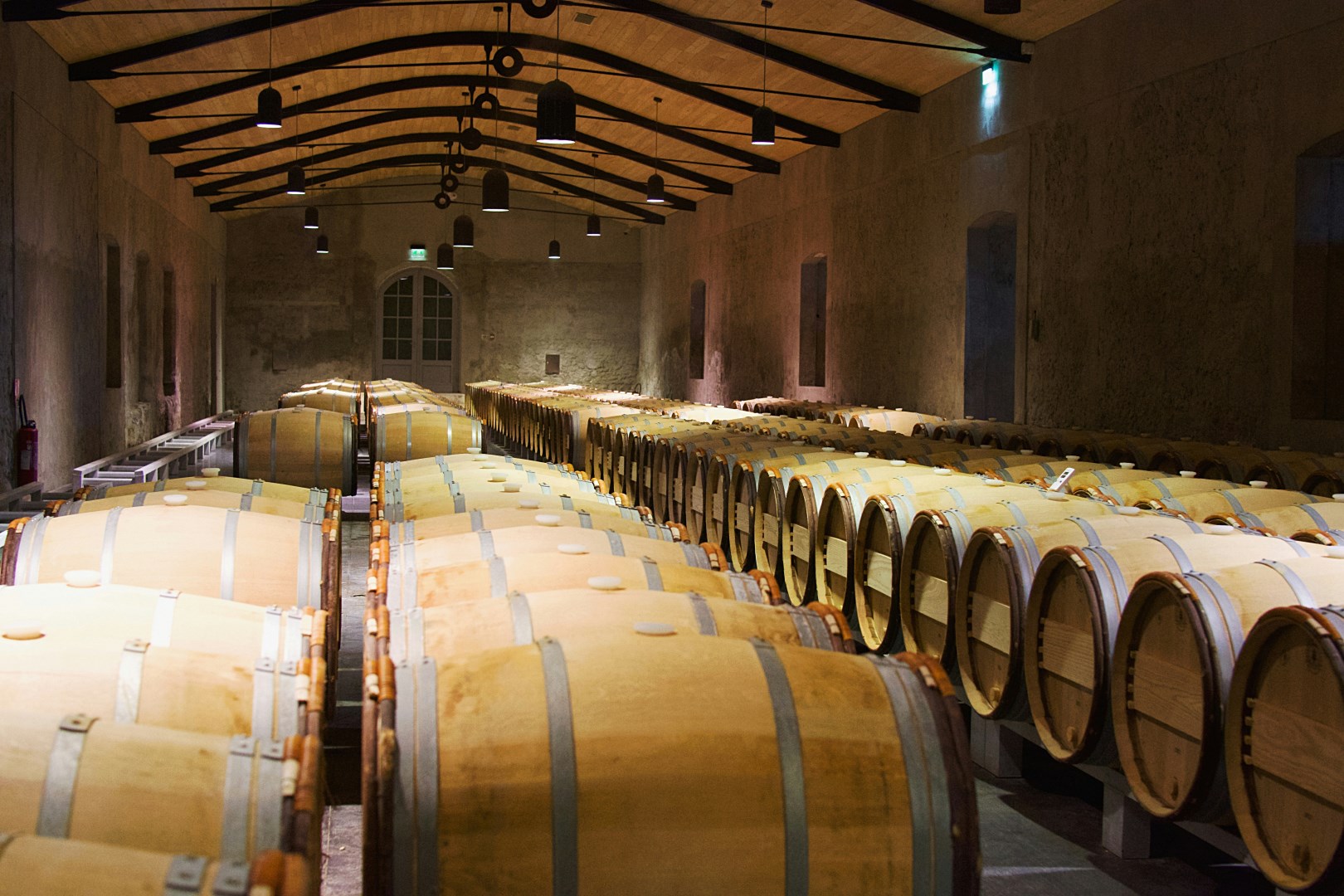
Médoc is a peninsula in southwestern France, located between the Atlantic Ocean and the Gironde estuary, north of Bordeaux. It is widely recognized for its vineyards, which produce some of the country’s most established wines, particularly red varieties based on Cabernet Sauvignon and Merlot.
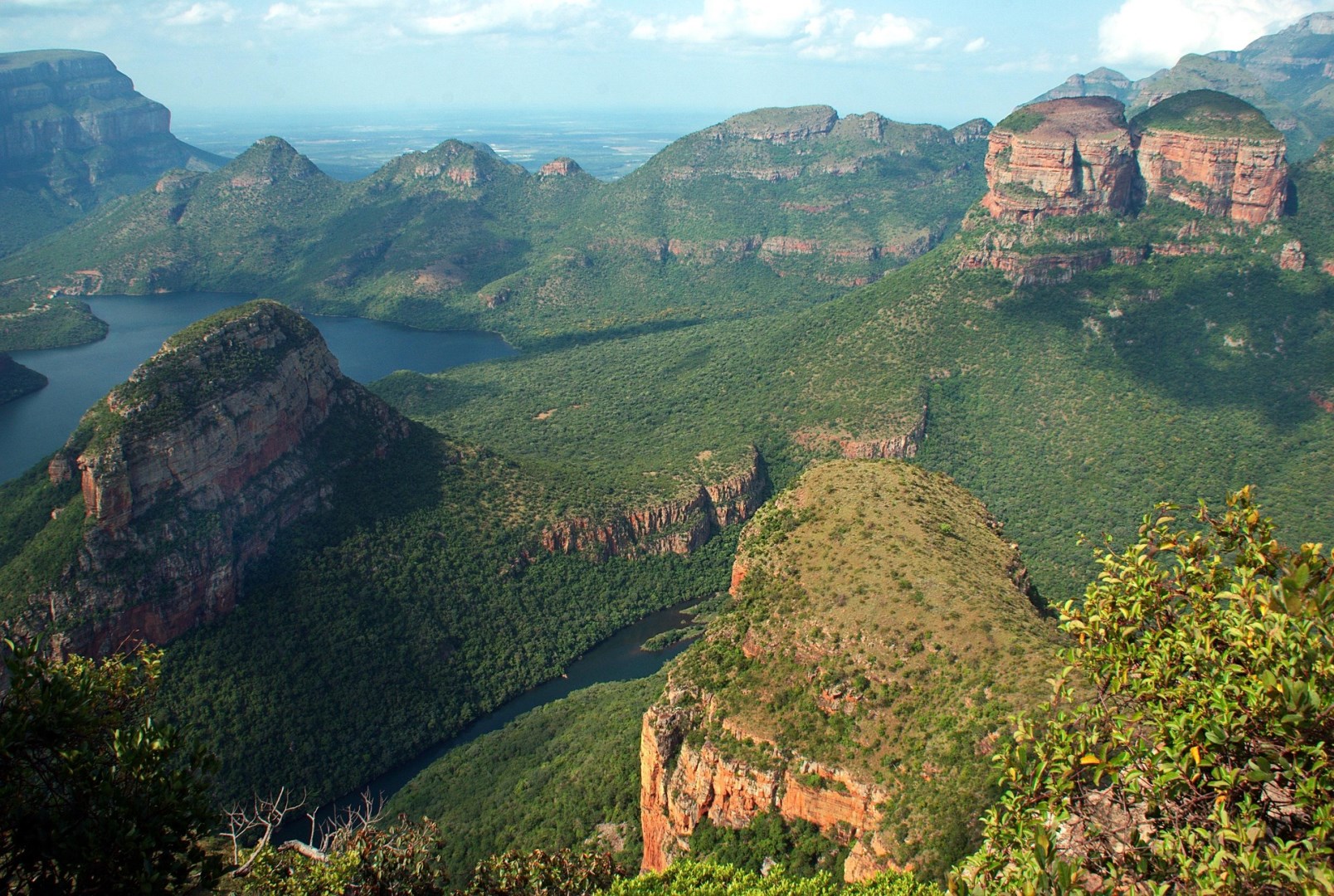
Drakensberg
Drakensberg in Lesotho forms part of the country’s dramatic highland landscape, where steep mountains, deep valleys, and high plateaus dominate the scenery. The range is especially prominent in the eastern part of Lesotho, with peaks rising above broad upland areas and remote settlements. The Maloti Mountains, as they are known within Lesotho, are closely linked to the country’s geography and way of life. Much of the highland terrain is covered by grassland, while rivers and streams cut through
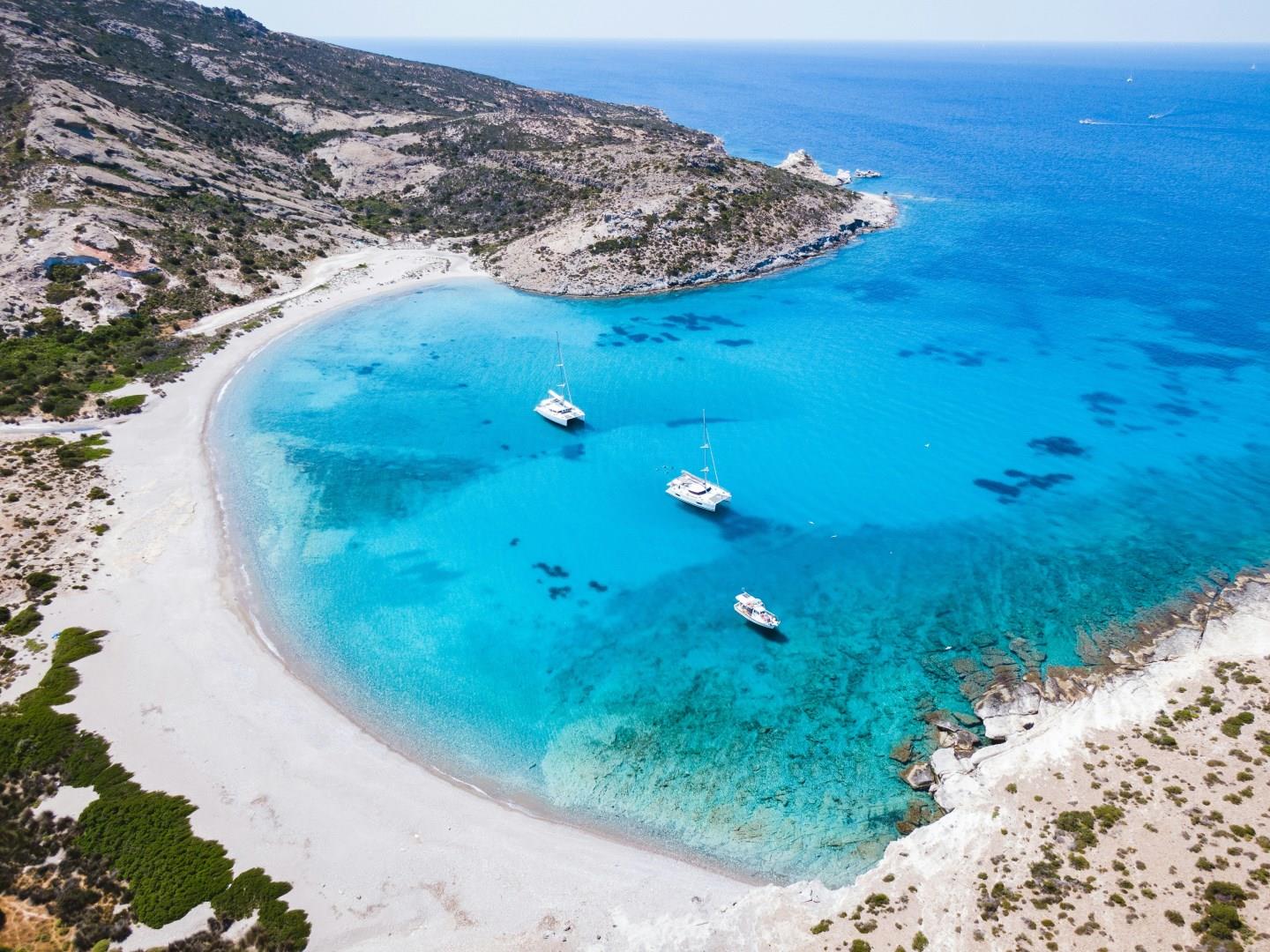
Milos
Milos is one of the most striking islands in the Aegean Sea, known for its otherworldly landscapes, turquoise coves, and centuries-old history. Shaped like a horseshoe, the island was formed by volcanic activity which left behind dramatic cliffs and hidden beaches carved from soft white rock. Visitors often find their first glimpse of Milos unforgettable, especially at Sarakiniko Beach where smooth, chalk-white formations contrast with the vivid blue water.

Gjógv
Nestled in the stunning landscape of Eysturoy in the Faroe Islands, Gjógv is a picturesque village that feels like a scene straight out of a fairy tale. Known for its dramatic cliffs and tranquil surroundings, Gjógv is named after the natural gorge that cuts into its coastline. The gorge, stretching 200 meters inland, serves as a natural harbor and has long been a lifeline for the village's fishing industry.

San Cristóbal Island
One of San Cristobal Island's most popular visitor sites is Cerro Brujo, with its expansive white sand beach and a lagoon that locals once used as a salt mine but now offers excellent snorkeling opportunities. Another must-see is Kicker Rock, a fascinating rock formation that looks like a boot from one angle (hence its English name) and like a sleeping lion from another (thus its Spanish name, Roca León Dormido).