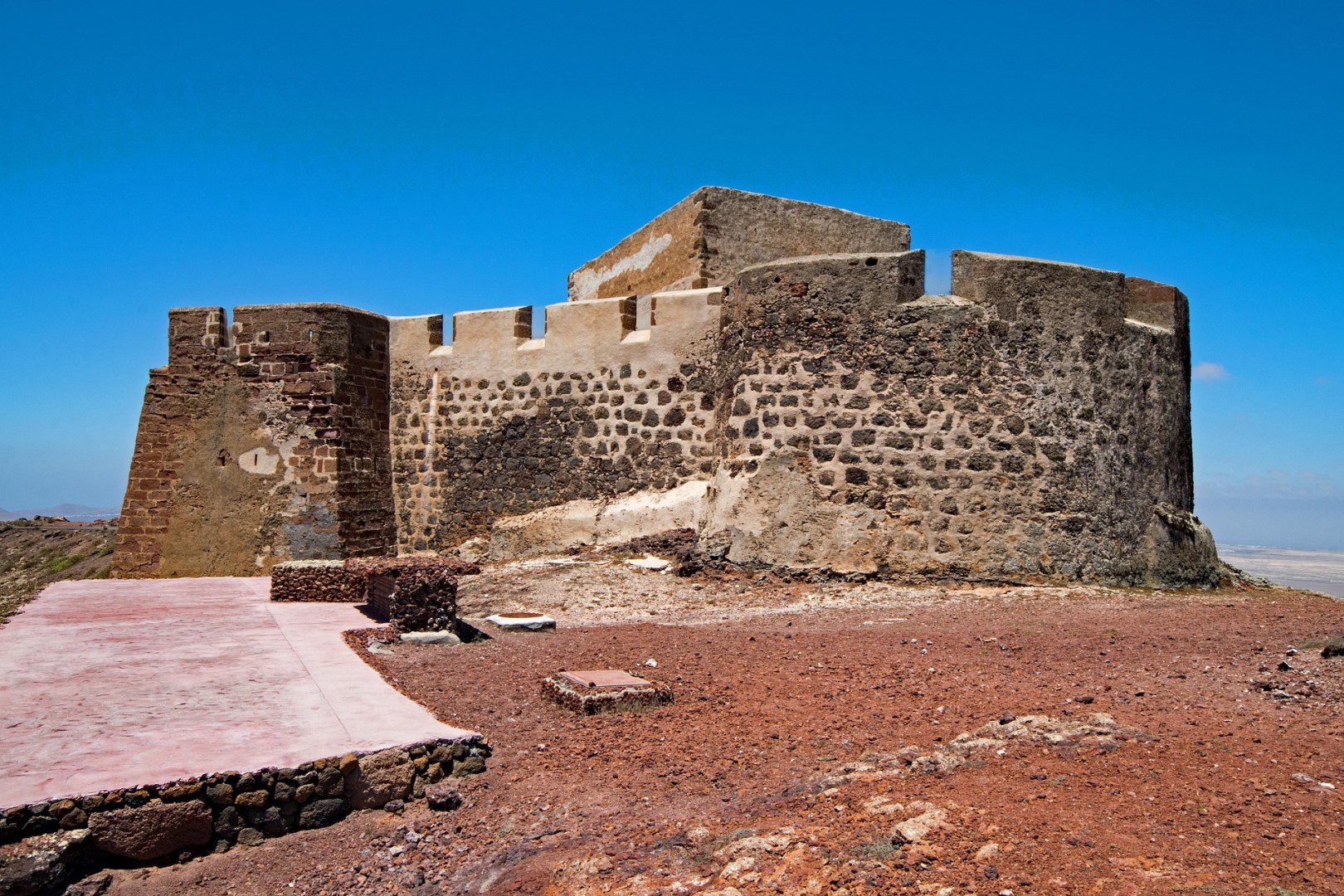
Mykonos
This gorgeous, breezy island is a lively paradise without equal. A celebratory atmosphere will be found here, from dance clubs and DJs to summer tourists simply reveling in the good life.

Las Vegas
Las Vegas, Nevada, is an electrifying city where glitz and glamour meet entertainment and excitement. Known as "The Entertainment Capital of the World," Las Vegas offers an unparalleled array of attractions, from its iconic casinos and luxurious hotels to its world-class dining and live shows. The city's entertainment scene is second to none, featuring legendary headliners, cutting-edge performances, and an array of themed attractions.

Cork
The Irish Republic's second largest city is a surprisingly appealing place - you'll find time passes effortlessly during the day, and by night the pub scene is lively. The town center is uniquely situated on an island between two channels of the Lee River.
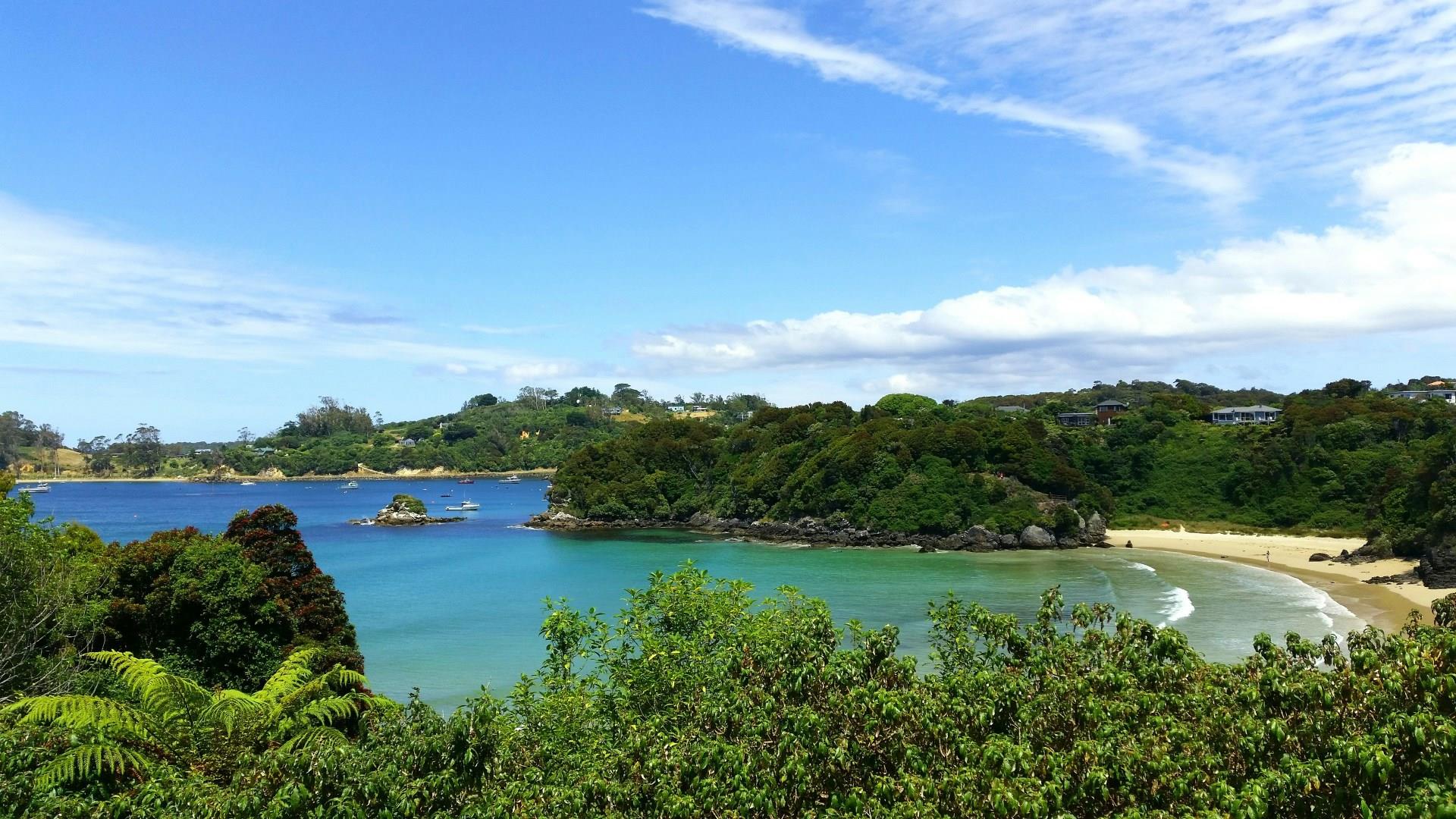
Stewart Island / Rakiura
Stewart Island, known in Māori as Rakiura, lies off the southern coast of New Zealand and is the country’s third-largest island.
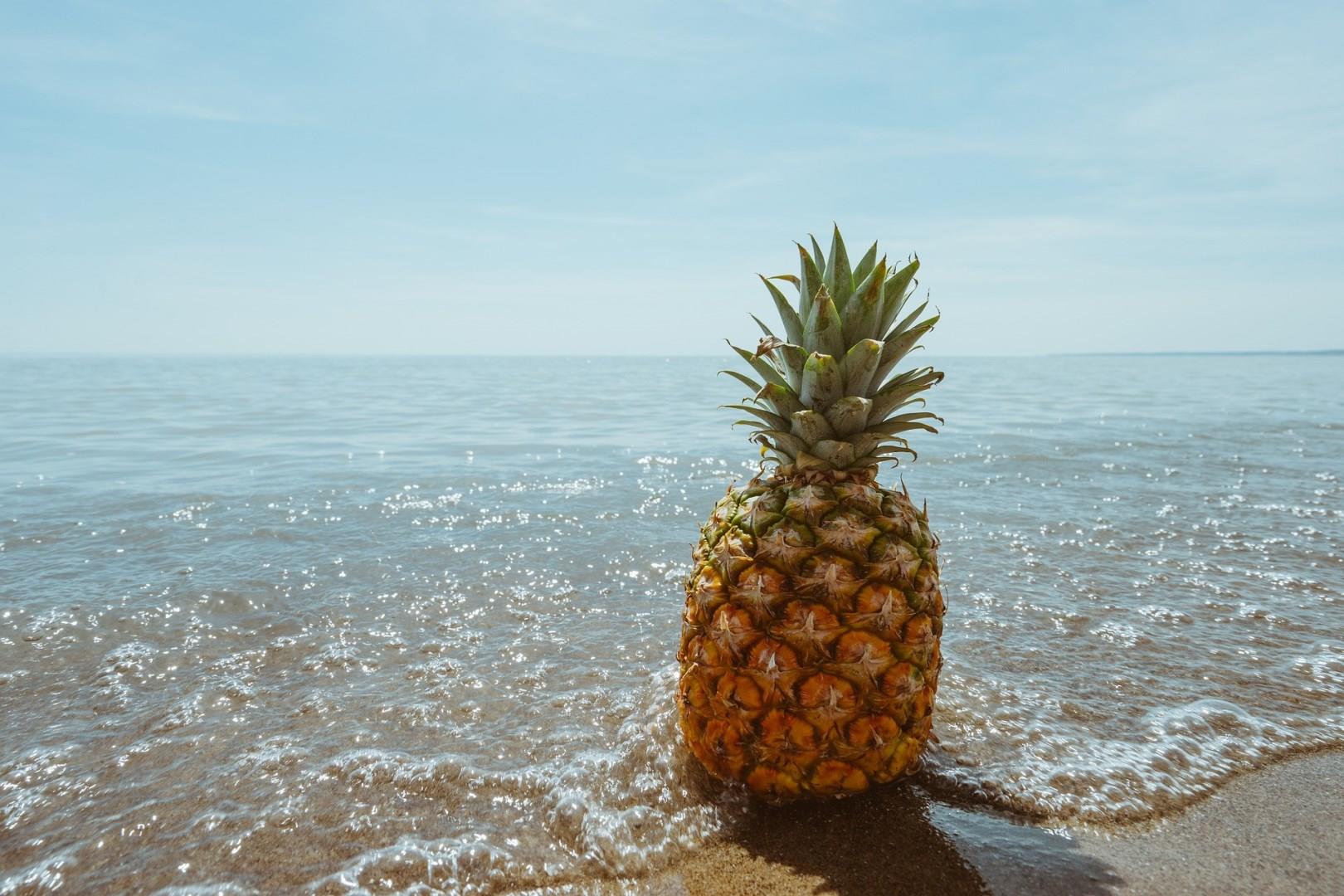
Hawaii
Hawaii, an archipelago in the central Pacific, offers a kaleidoscope of natural beauty and cultural experiences that make it a premier travel destination. The island of Oahu, home to the vibrant city of Honolulu, is renowned for its iconic beaches like Waikiki, where the golden sands and azure waters create a perfect backdrop for surfing and sunbathing